Uncle Goose Blocks: Wooden blocks that made language hands-on
Since the 1980s, Uncle Goose Blocks have turned letters and numbers into tactile play. Loved by parents, teachers, and designers, they blend heirloom craft with early literacy.
Minimal, pocket-sized, and nearly silent, magnetic fidget rings have become a calm successor to louder fidget toys—offering focus, tactile play, and stress relief without the spectacle.
Launched in 2001, LEGO Bionicle fused construction play with deep lore, turning buildable figures into heroes of an epic saga that still draws fans back today.
Mega Bloks carved out a quiet but lasting role as a child’s first building toy, offering oversized, easy-grip bricks that introduced construction play years before smaller systems made sense.
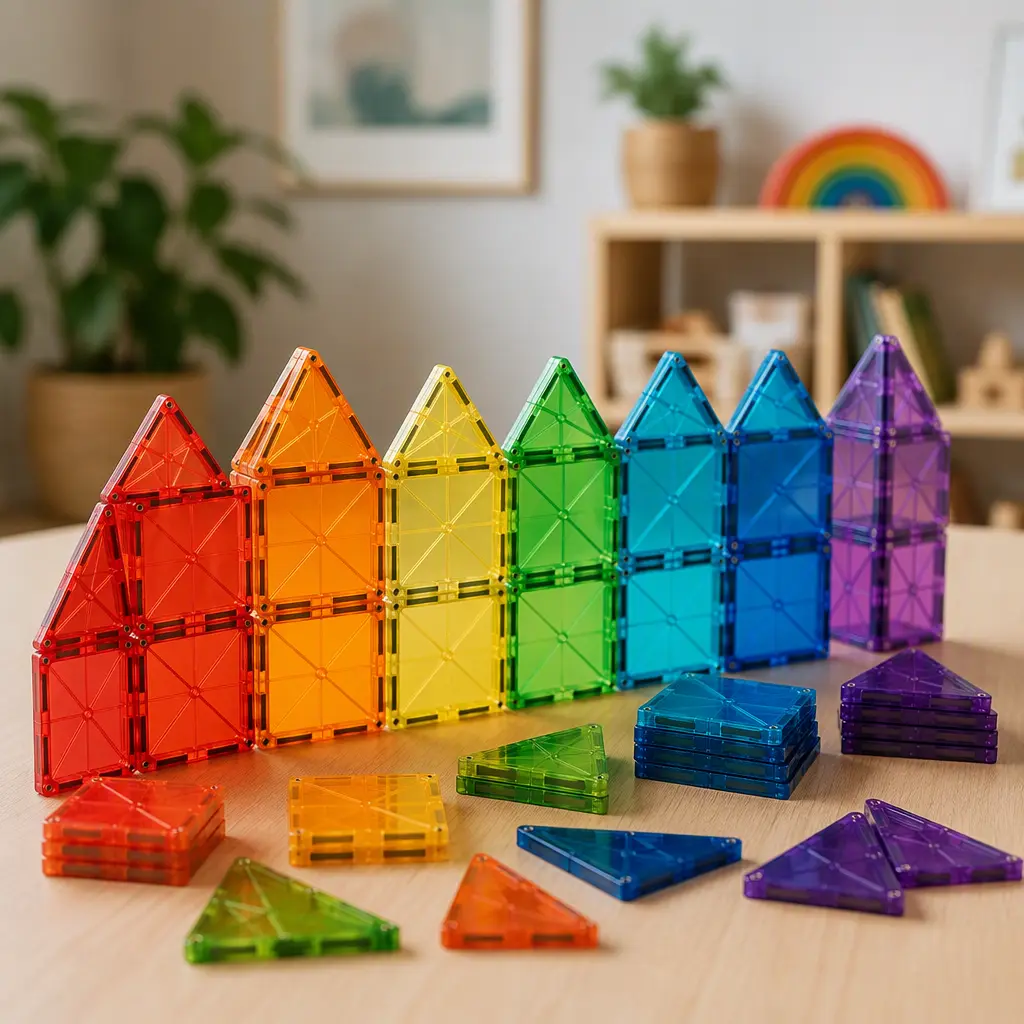
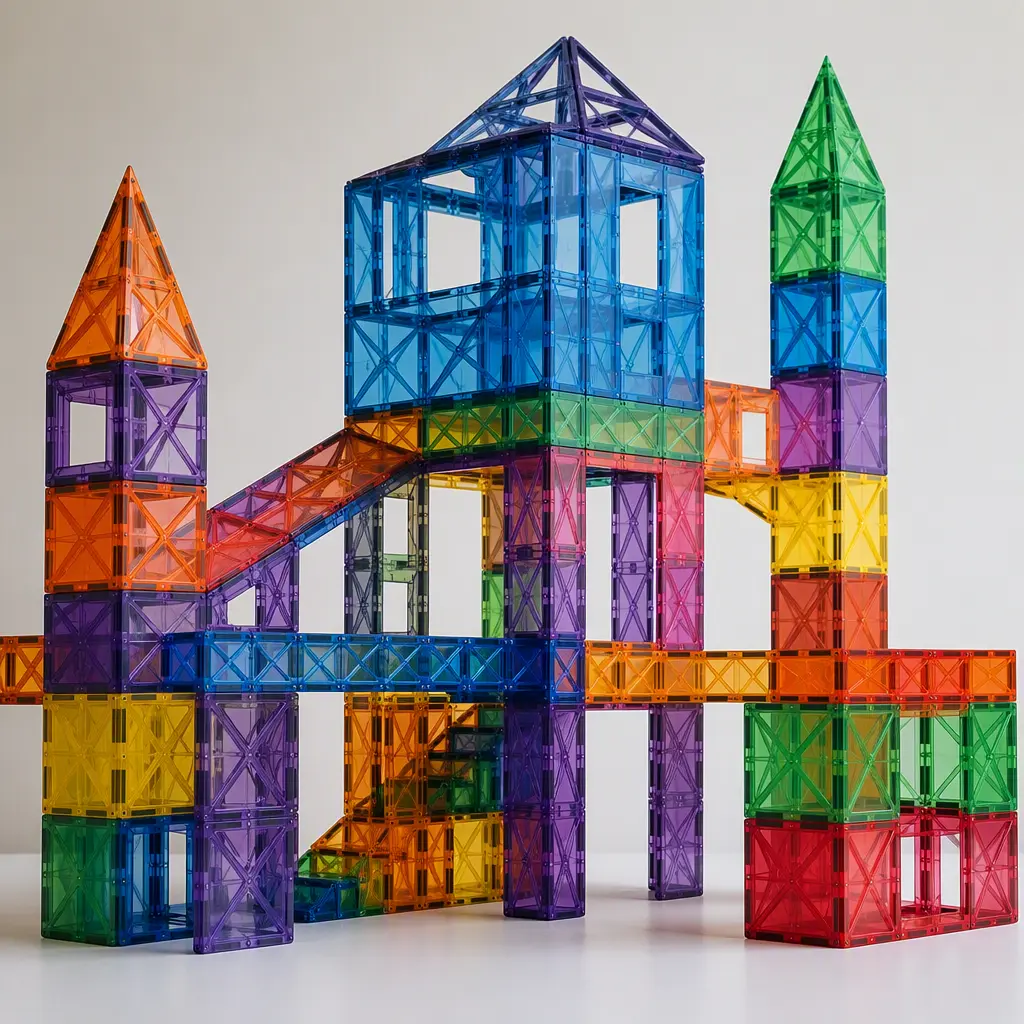
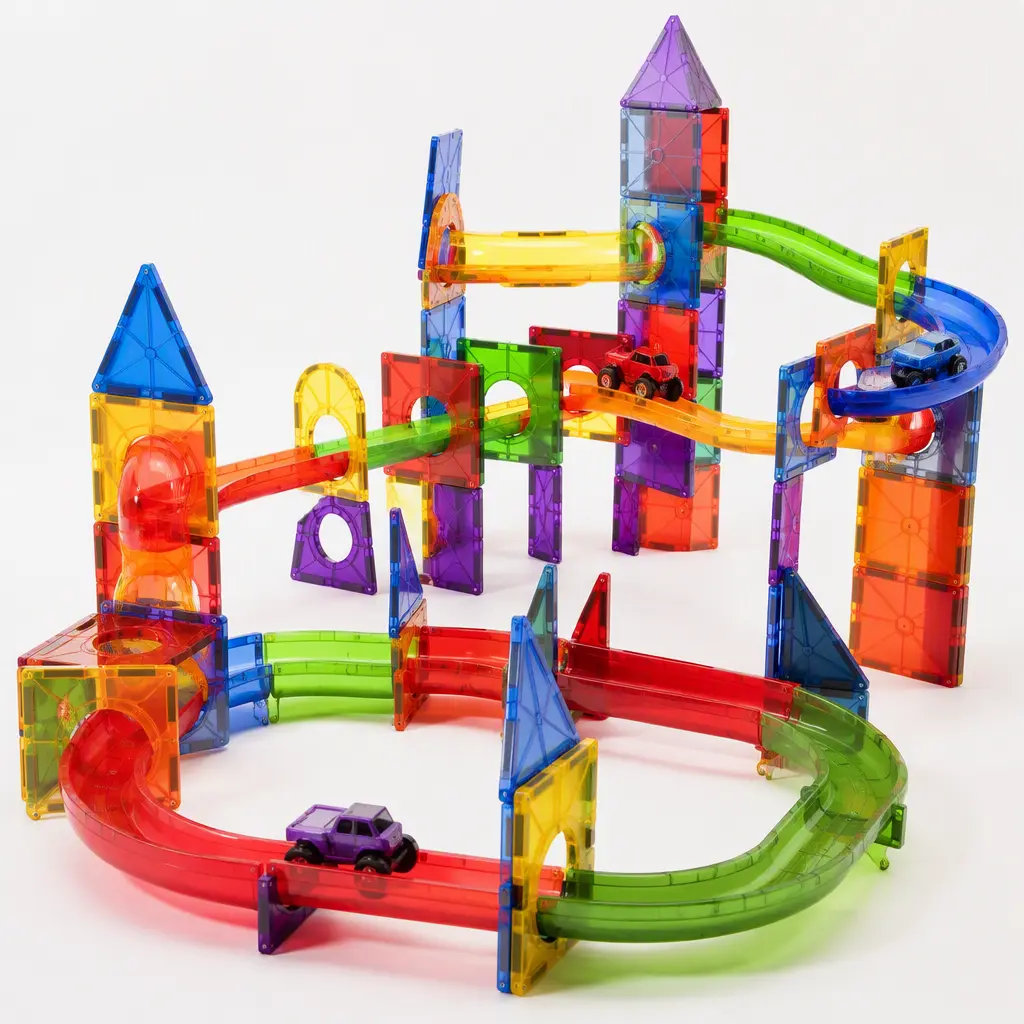
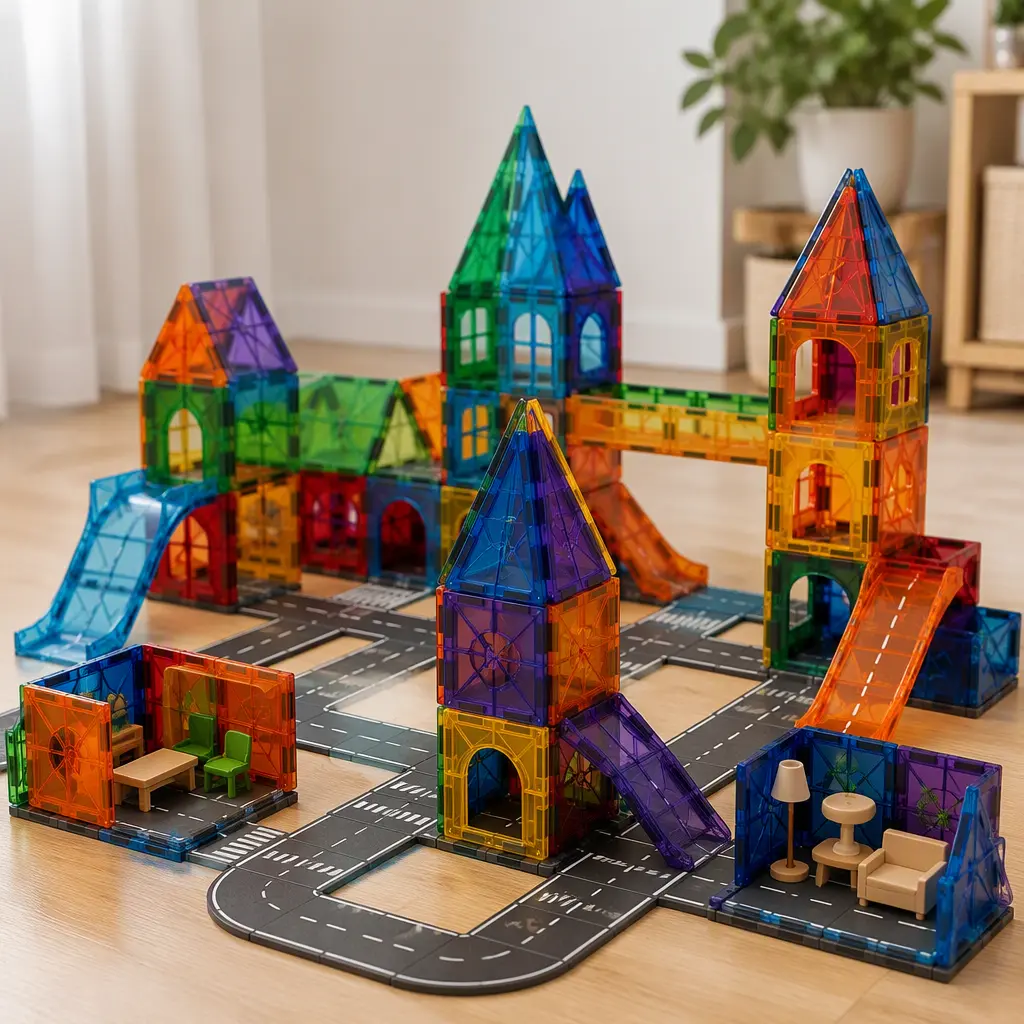
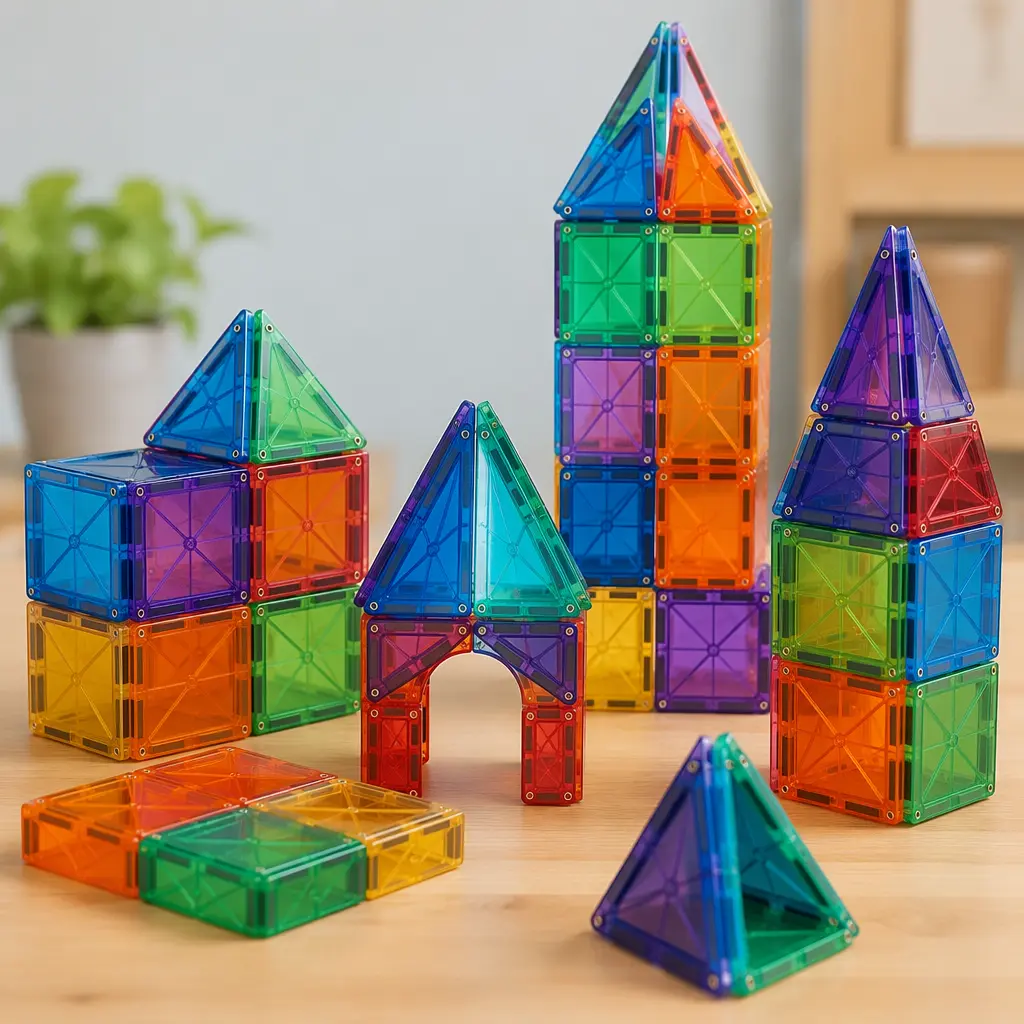
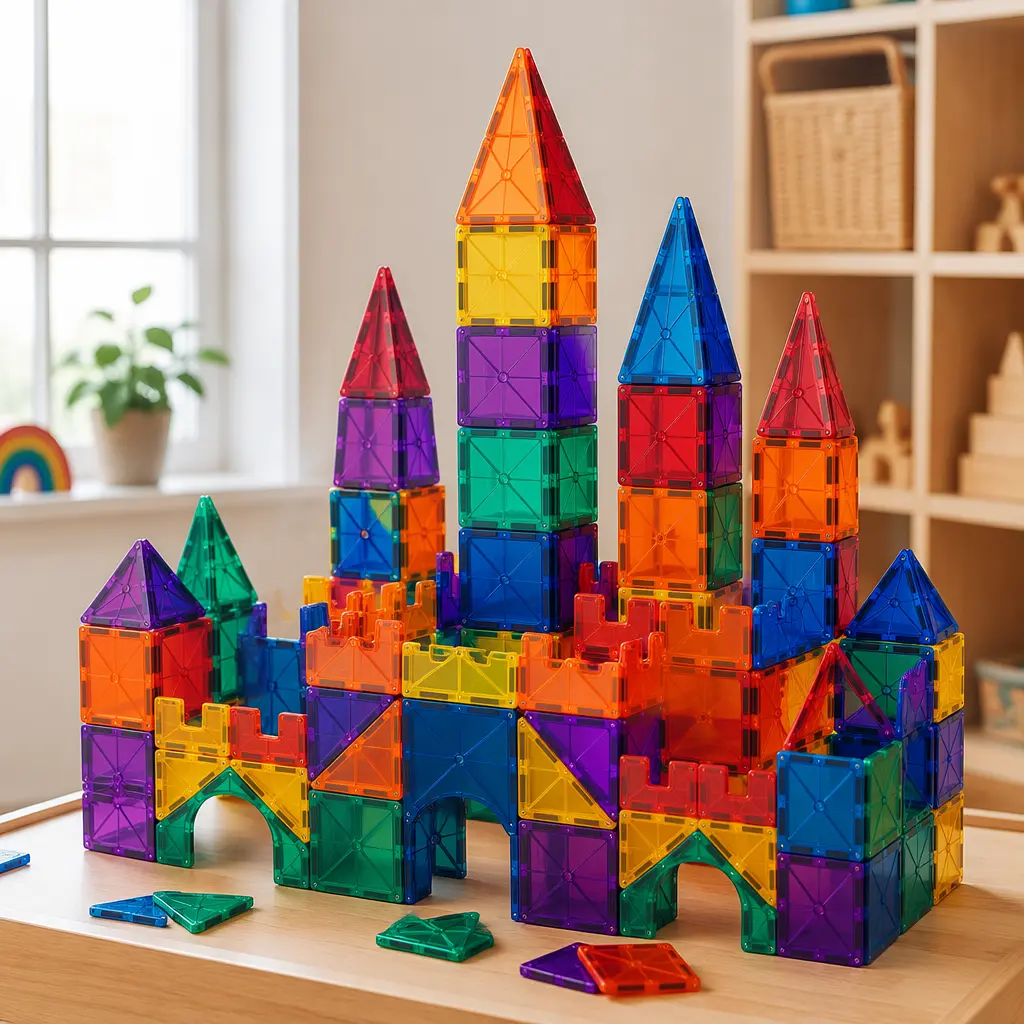
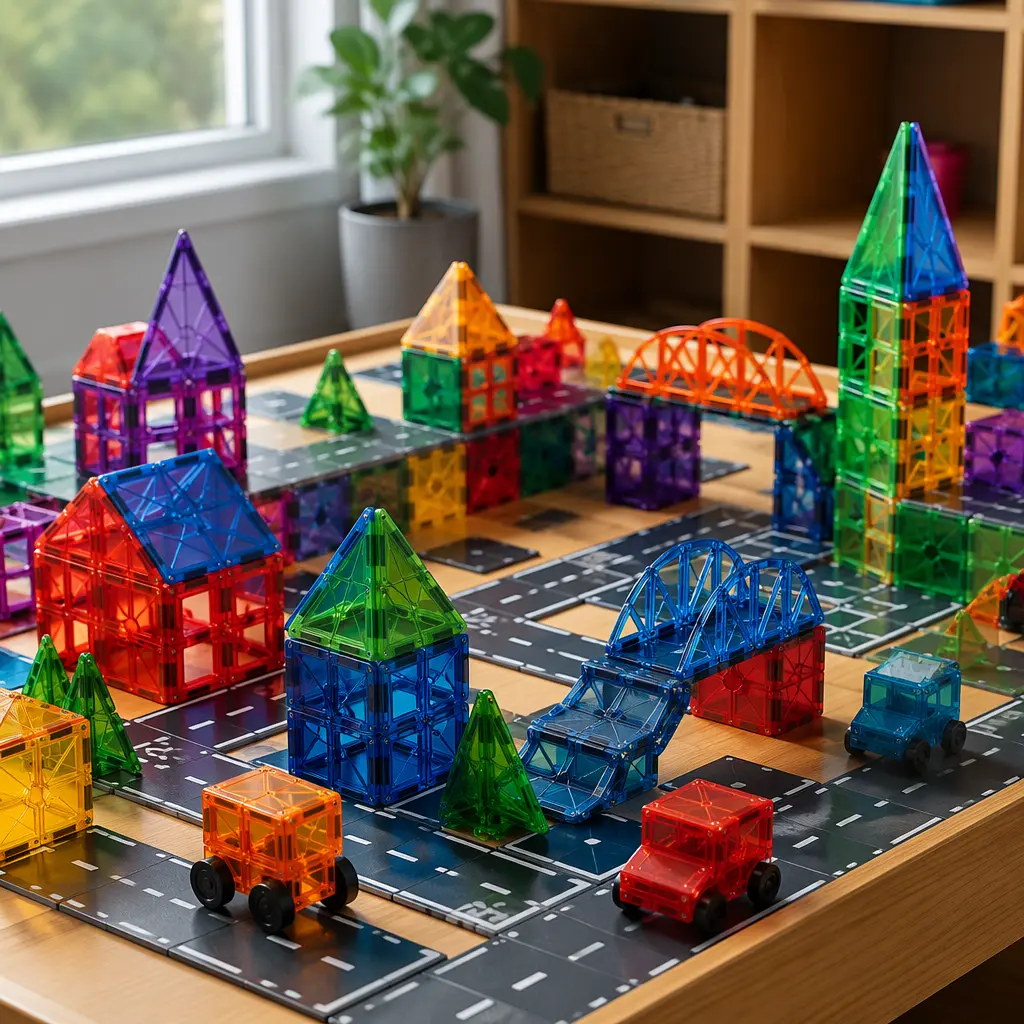
PicassoTiles helped bring large-scale magnetic building into more homes, pairing bright, sturdy tiles with accessible pricing and an open-ended play style that works for kids and parents alike.
A parent-focused safety guide to electronic building sets for ages 6–8, covering parts size, power levels, supervision needs, and how non-app kits reduce risks while supporting learning.
A parent-first guide to choosing no-battery plush toys that help young kids slow down, self-soothe, and regulate big feelings—without noise, screens, or flashing lights.
A buyer’s guide to active ride-on toys for ages 1–2 that encourage steering, scooting, and movement—plus safety tips, age fit, and categories to help parents choose.
A parent-friendly guide to board and card games with simple rules and fast starts. Learn what to look for, age fit, and popular categories that help families begin playing within minutes.
A parent-focused guide to offline electronic toys for teens that build real-world skills. Learn what to look for, age fit, safety tips, and standout categories—no apps or internet required.
A parent-friendly guide to durable, skill-based outdoor toys for ages 9–12. Learn what to look for, age fit, safety notes, and popular categories that keep tweens active without feeling childish.
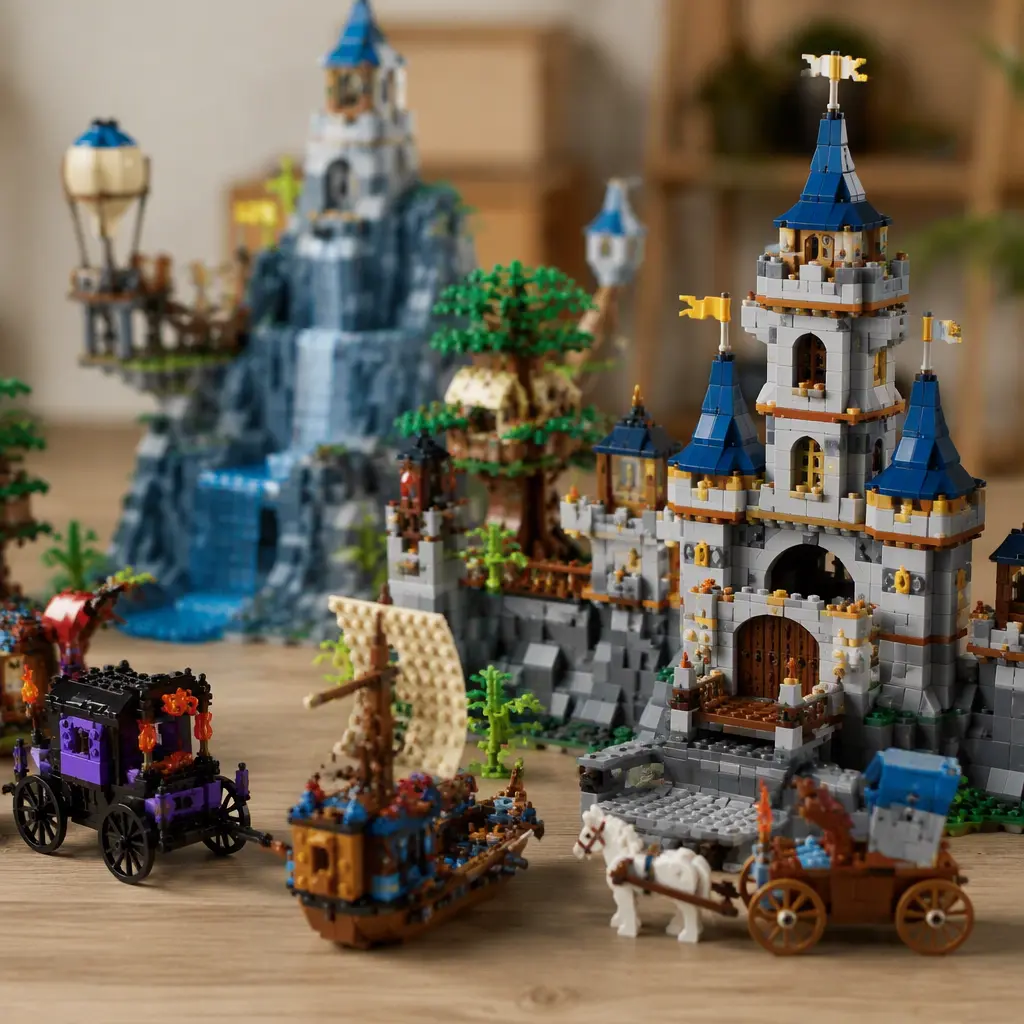
Nanoblock shrinks the classic brick down to pin‑size, trading big builds for precision. Since 2008, its micro scale has attracted patient builders who enjoy careful, desk‑friendly construction.
Since the mid‑2000s, Magformers has turned flat shapes into sturdy 3D builds, helping kids and adults grasp geometry through satisfying magnetic construction.
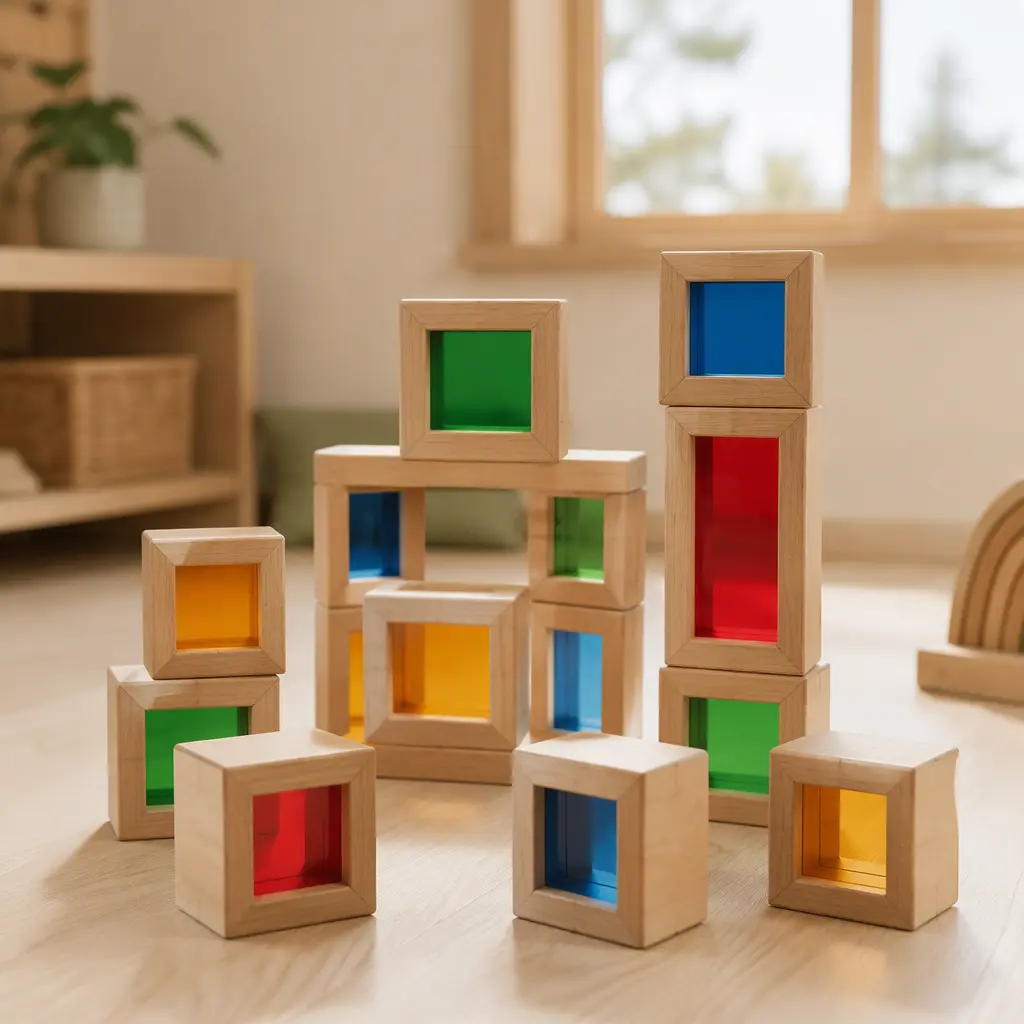
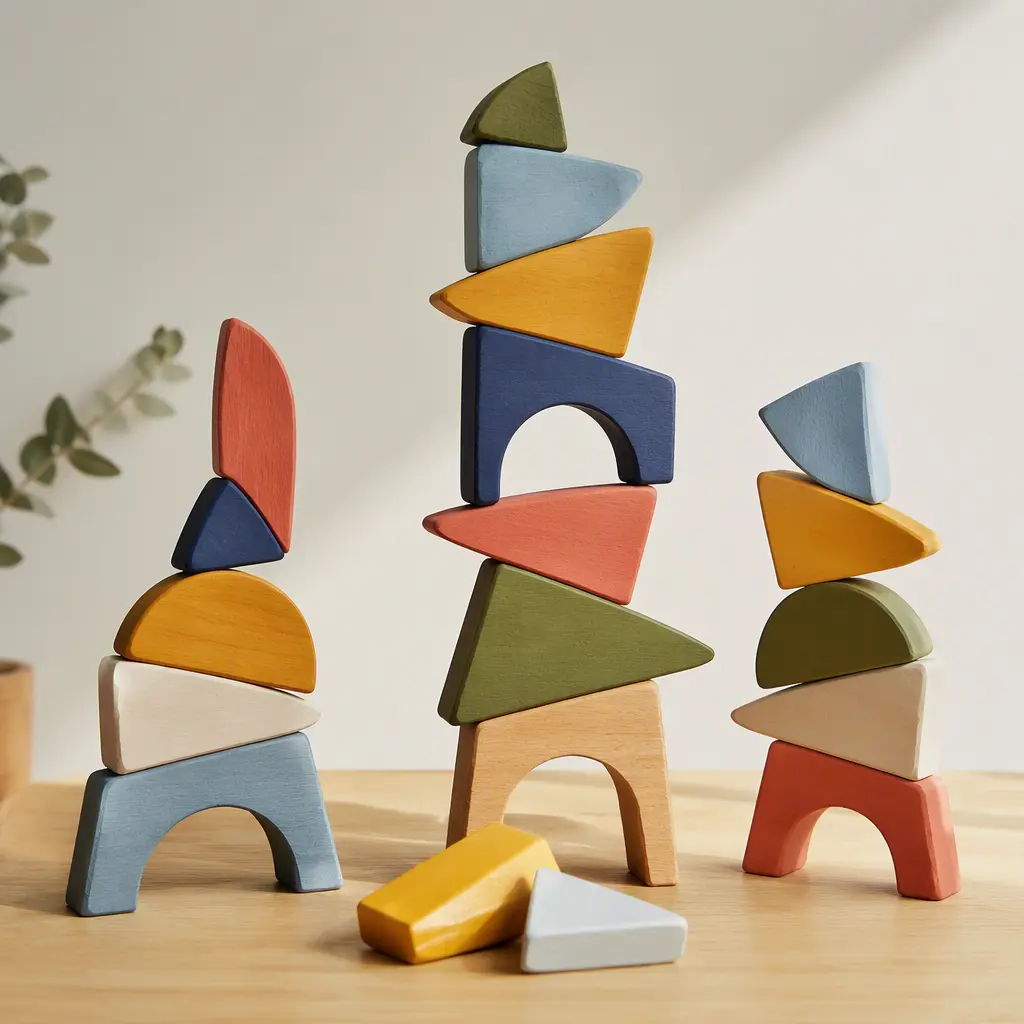
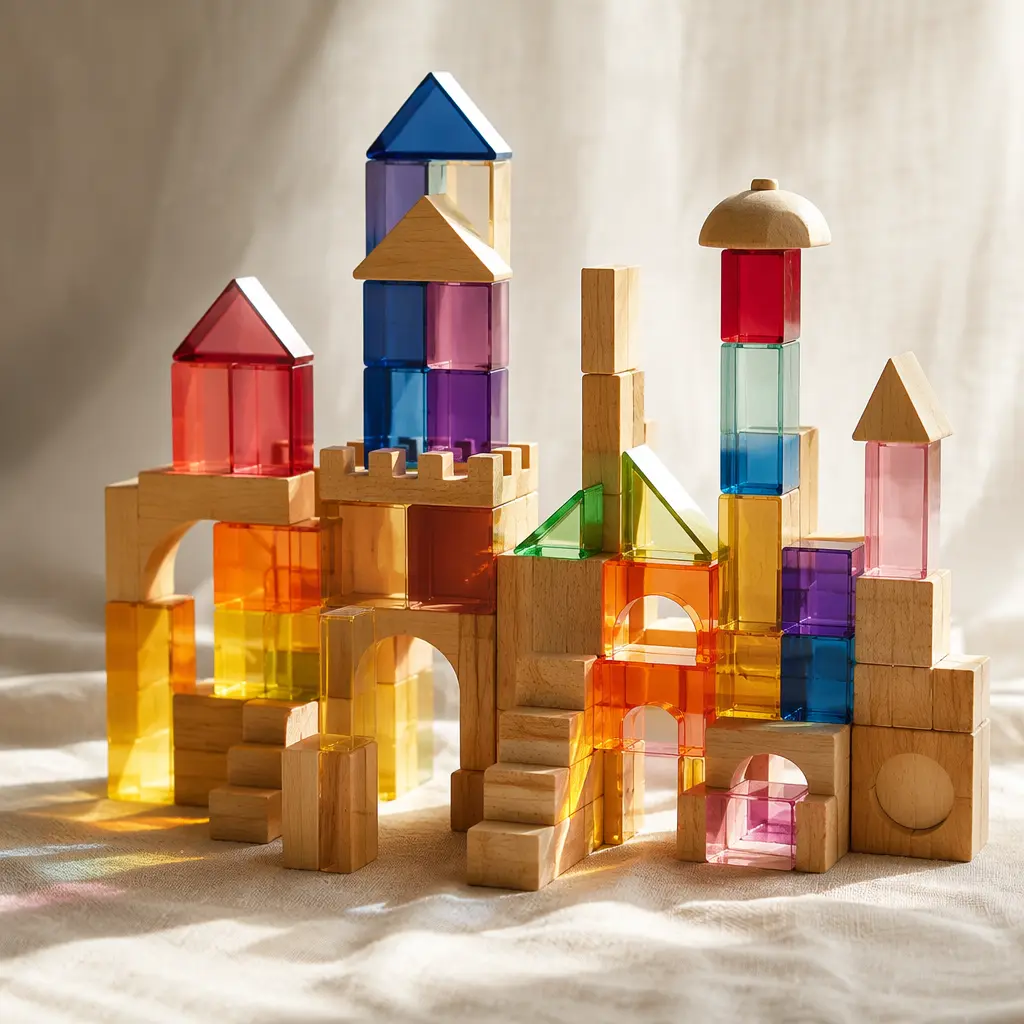
Developed in the early 1900s, Unit Blocks are simple wooden blocks with precise proportions that helped shape modern preschool classrooms—and the way children learn about space, balance, and design.
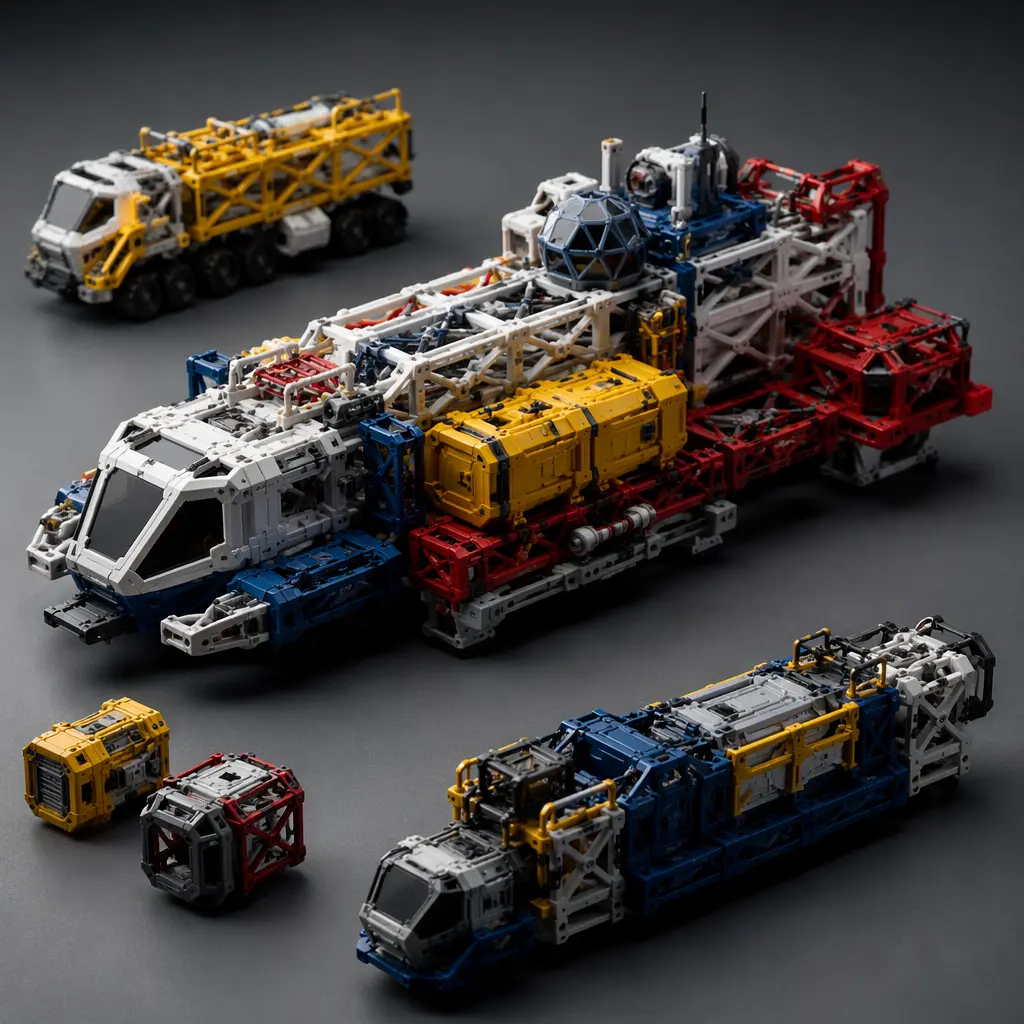
Introduced in 1977, LEGO Technic added gears, axles, and frames to brick play—turning building into hands-on engineering that still teaches how machines work.
Laser Pegs brought LED lighting into classic construction play. Launched in 2007, the light-up pieces added spectacle without sacrificing open-ended creativity, appealing to kids and nostalgic adults alike.
First sold in 1969, Stickle Bricks used soft bristles instead of studs to let young children build freely. It’s a simple idea that solved early construction play—and still makes sense today.
Crazy Forts turned simple rods and connectors into a modern invitation to build living‑room hideouts, proving that open‑ended play still wins in a screen‑heavy age.
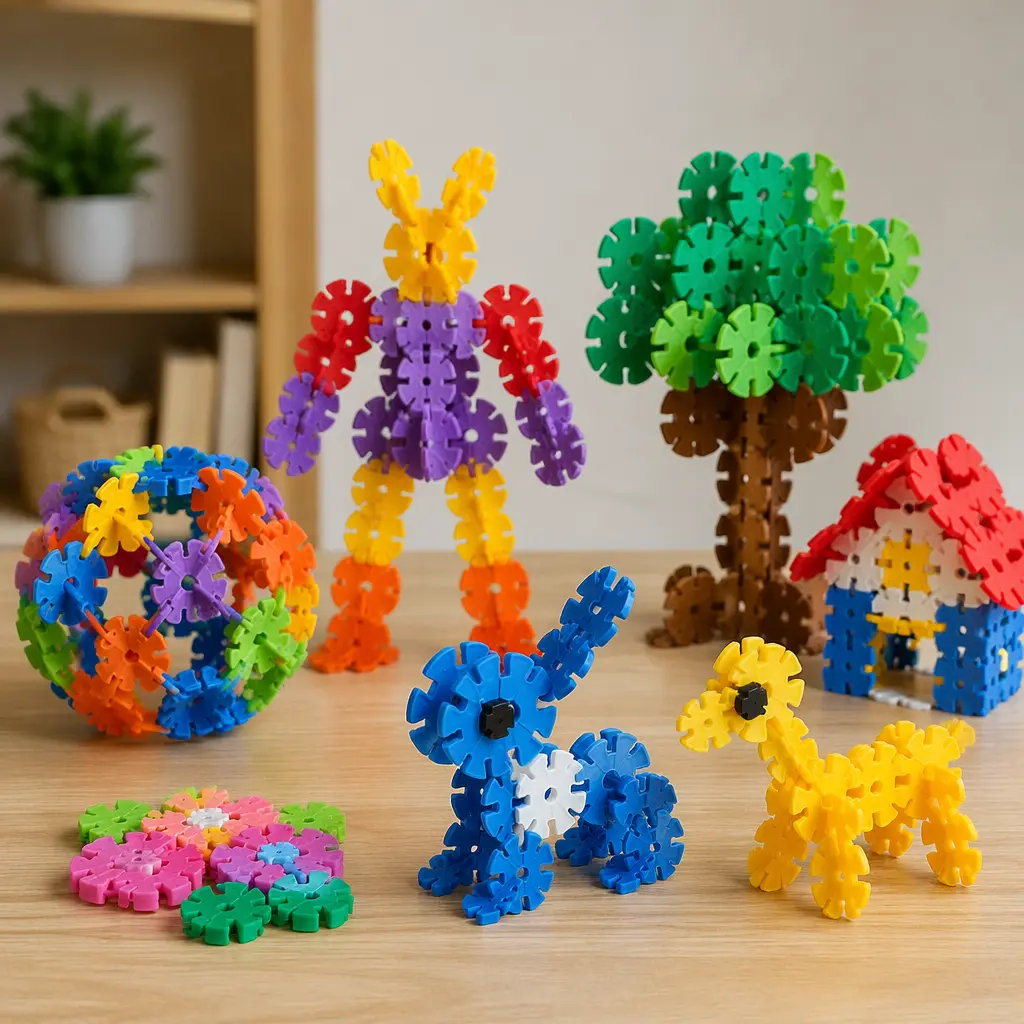
Launched in 2006, Zoob flipped the construction-toy formula by focusing on joints and motion. Its snap-and-socket pieces let kids build creatures and machines that really move.
Makedo turned everyday cardboard into a hands-on building system, blending recycling with engineering thinking. Here’s how a simple idea grew into a modern maker staple for kids and classrooms.
Made from real stone and designed for serious building, Anker Stone Blocks have quietly taught generations of children the basics of architecture, balance, and patience since the 19th century.
Rokenbok is a modular construction system where vehicles, tracks, and switches turn building into lessons about motion, cause-and-effect, and systems thinking—without feeling like school.
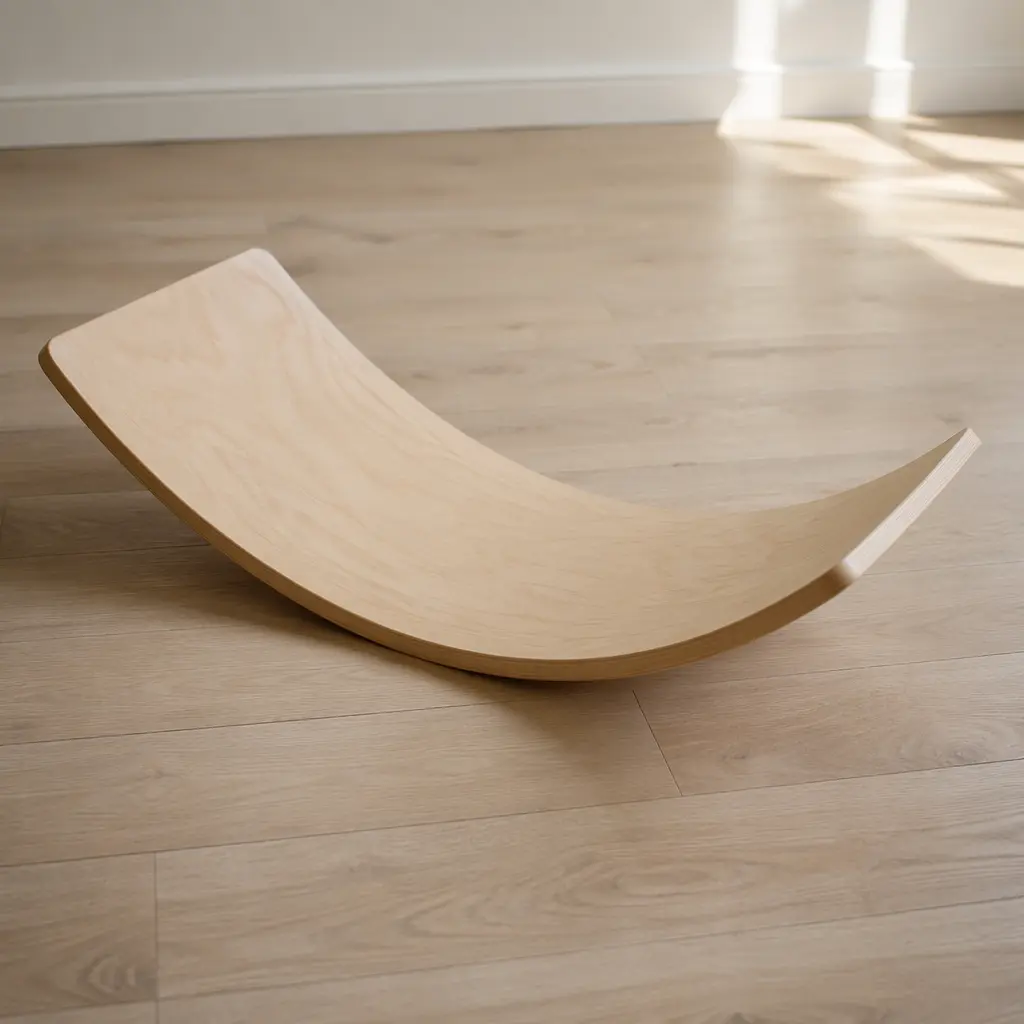
Simple curved wooden arcs, endless possibilities. Grimm’s Wooden Rainbow shows how open‑ended design became a modern symbol of imaginative, screen‑free play.
Introduced in 1969, LEGO DUPLO used bigger, safer bricks to let toddlers build like their older siblings. Its simple design, durability, and compatibility helped it become a first LEGO experience for generations.
SmartMax rethinks magnetic building for preschoolers, using oversized bars and balls that click confidently. It’s a calm, confidence‑building way to introduce early STEM play.
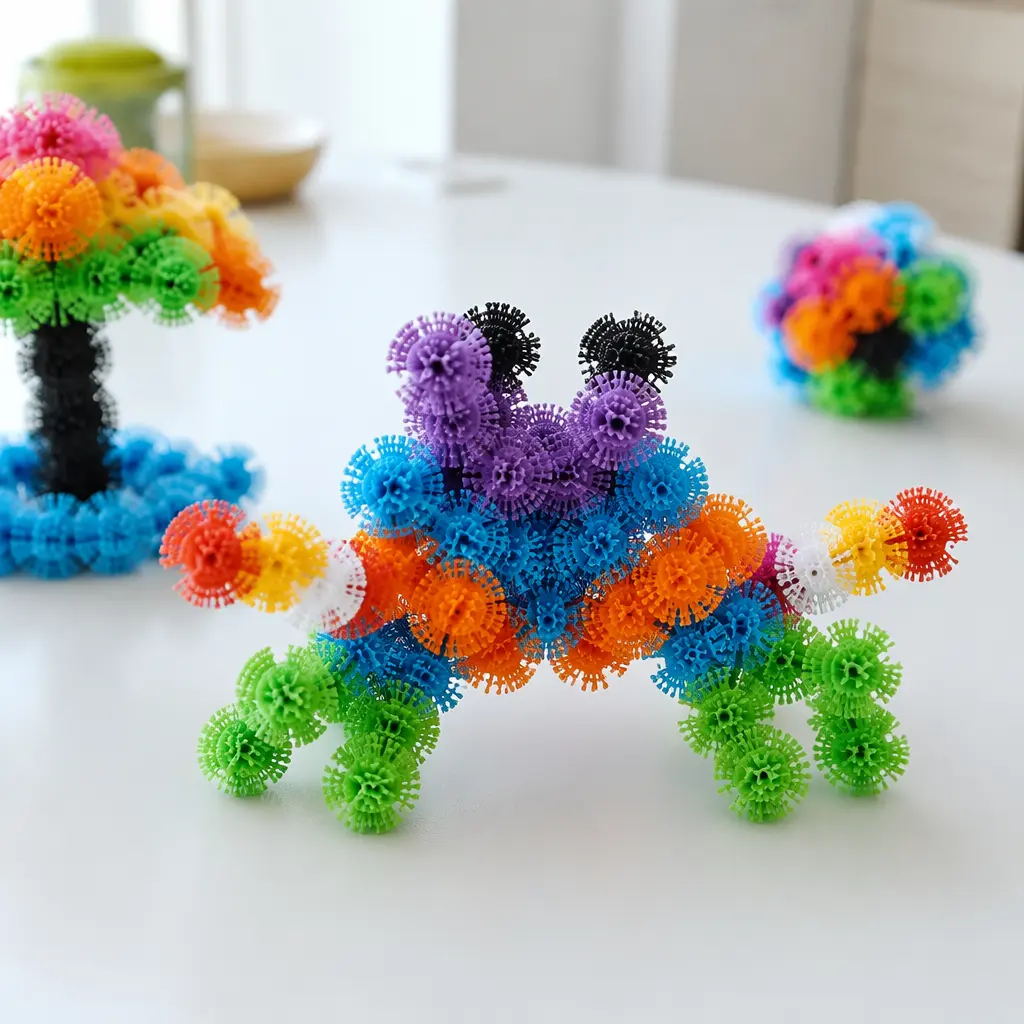
First launched in the 1960s, Bristle Blocks turned building play into a frustration‑proof experience. Their soft, interlocking bristles made early engineering accessible—and still relevant today.
Born in 1947, Tonka Trucks became a symbol of real‑world play. Built tough for sandboxes and sidewalks, these metal workhorses showed generations of kids what durable, imaginative toys could be.
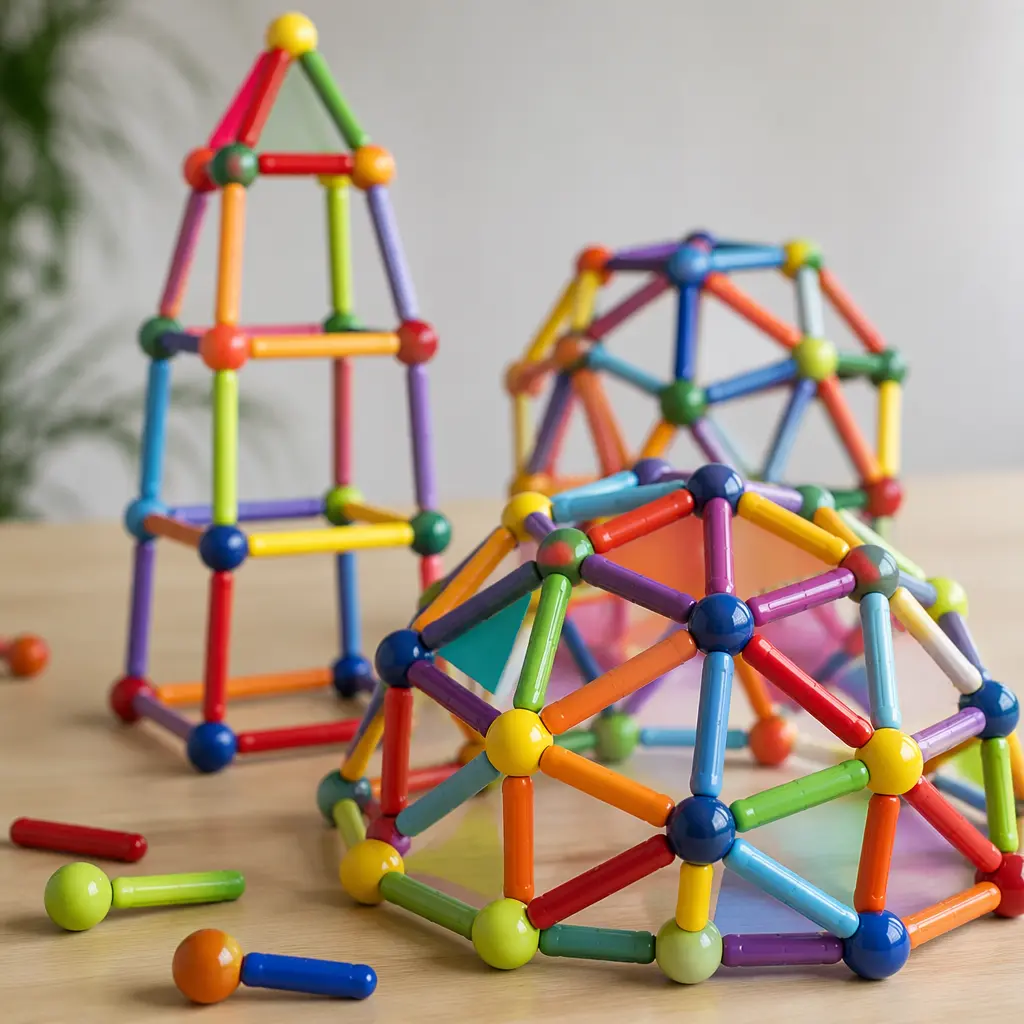
Geomag turned magnetism into hands-on play. Since the late 1990s, its rods and spheres have helped kids (and adults) build, test, and rethink structures using invisible forces you can feel.
KAPLA’s identical wooden planks prove that limits can spark creativity. Since 1987, this minimalist building set has invited kids and adults to think like architects—no studs, no connectors, just balance and imagination.
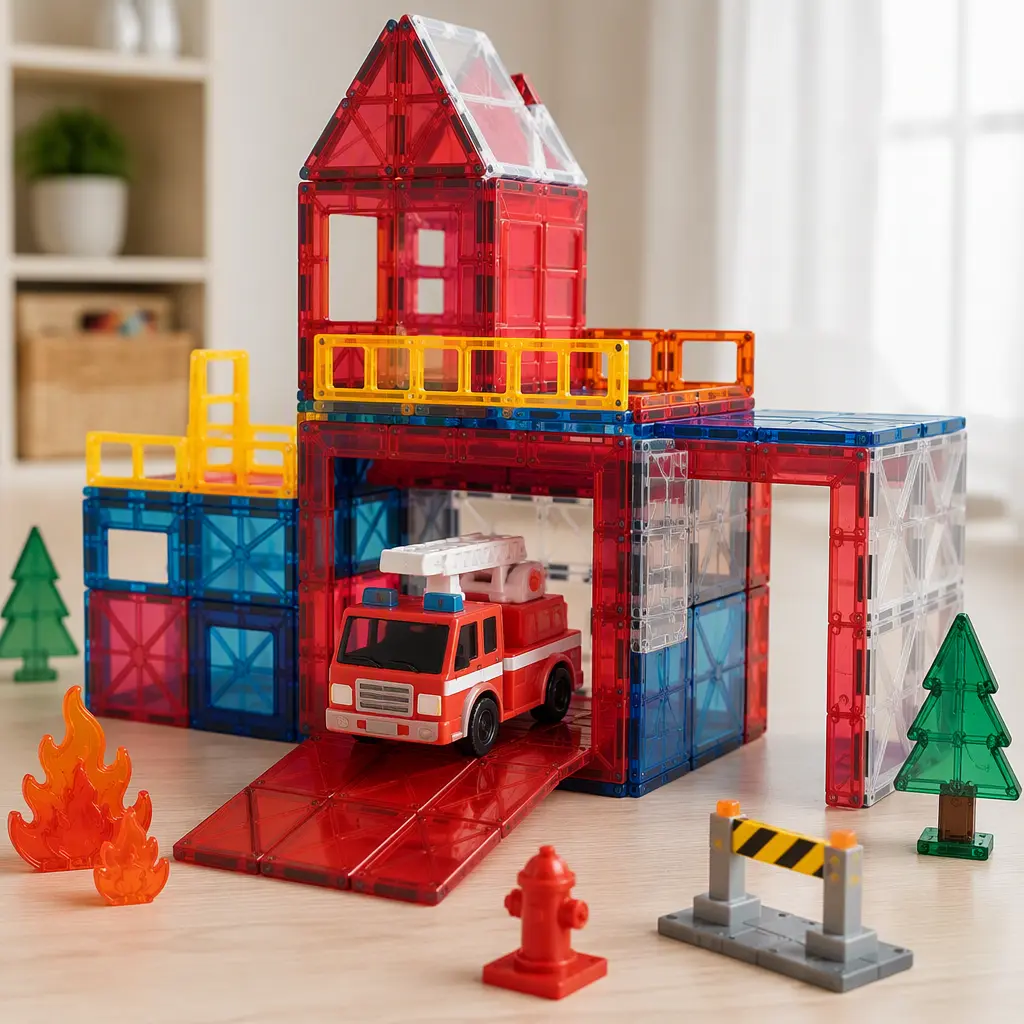
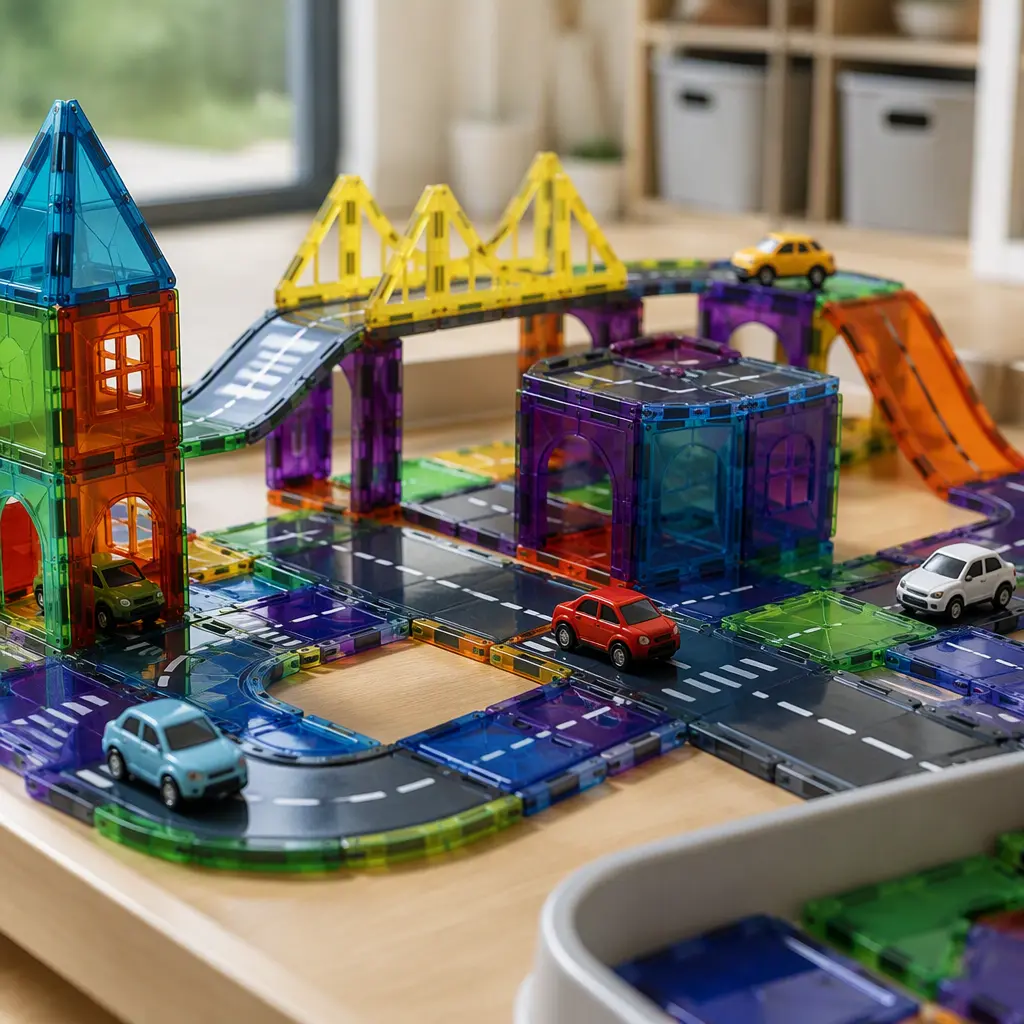
Launched in 2020, Connetix Tiles took the familiar magnetic tile idea and refined it for modern homes—clear colors, strong magnets, and open-ended play that appeals to kids and design-minded parents alike.
Soft, rubbery, and oddly irresistible, the Koosh Ball became a late-1980s playground staple by turning simple tactile play into something kids couldn’t put down.
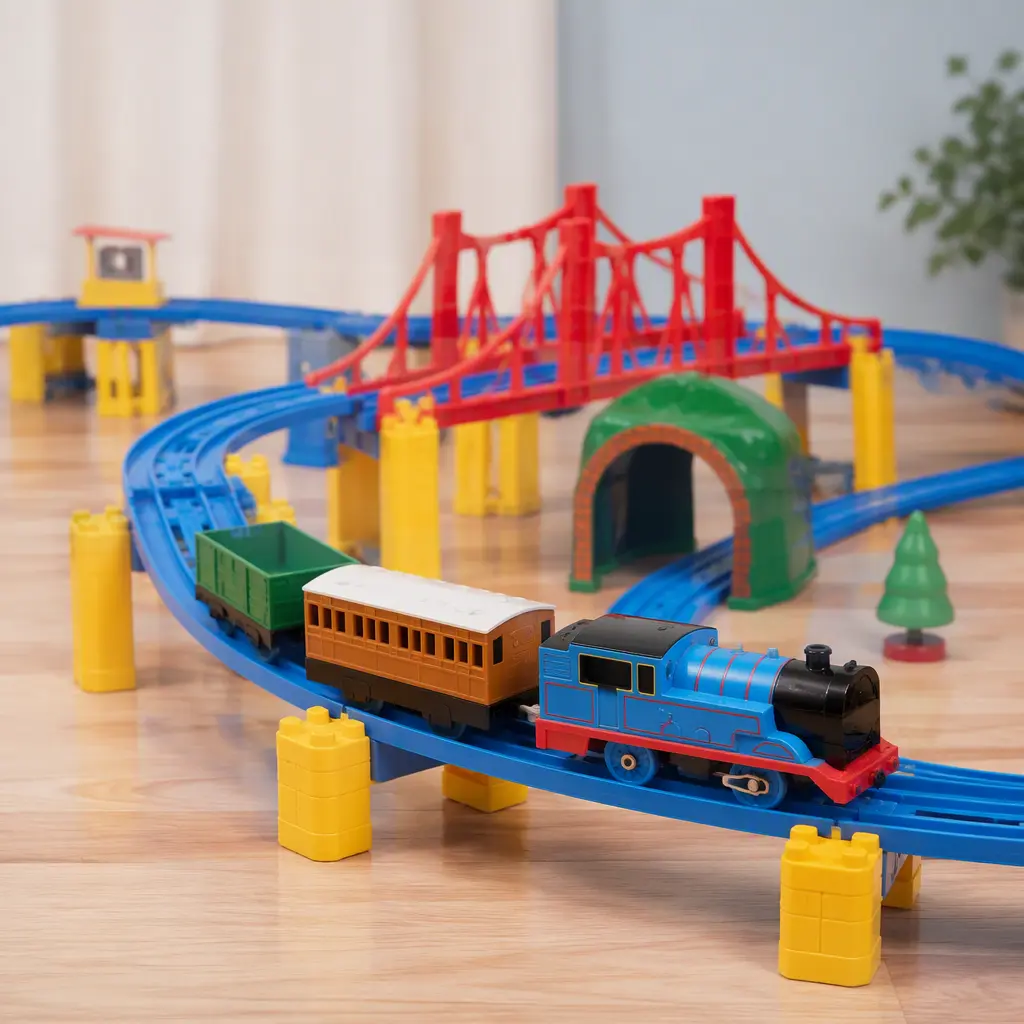
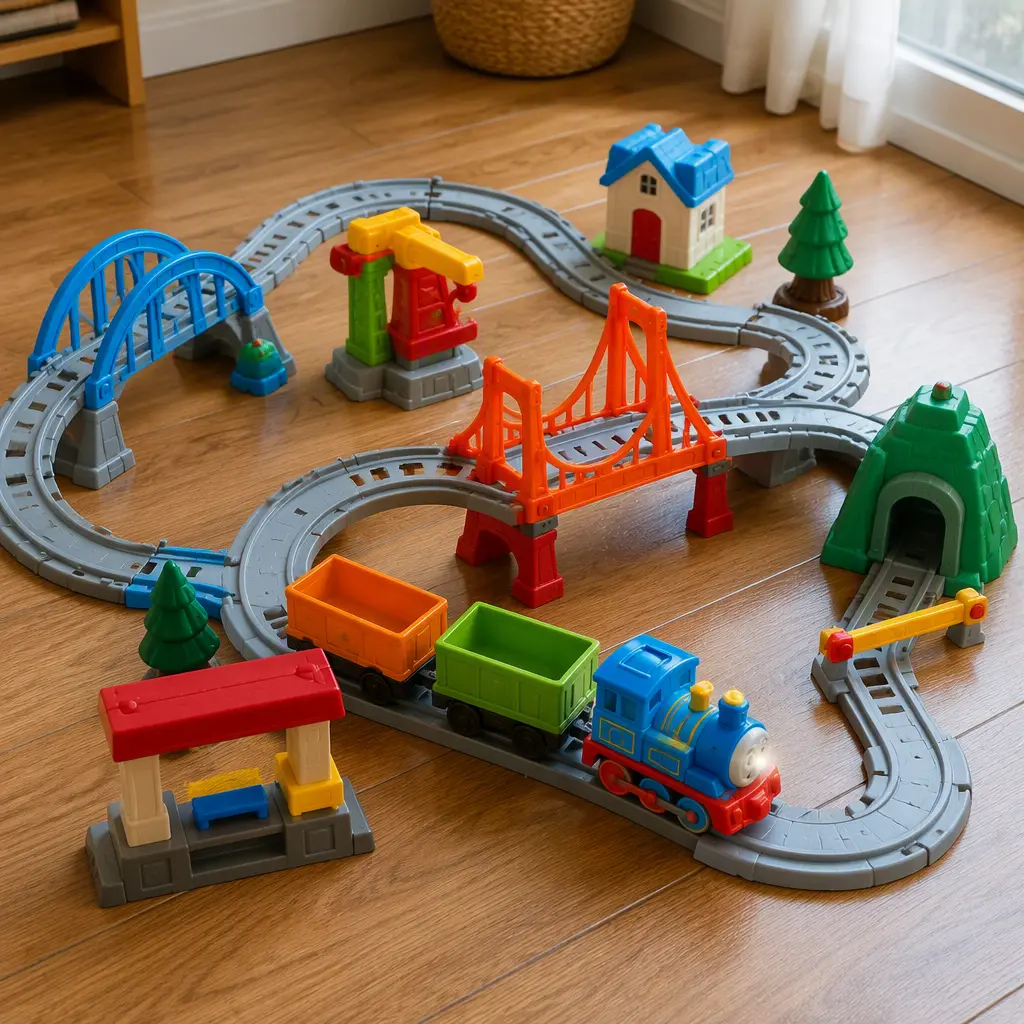
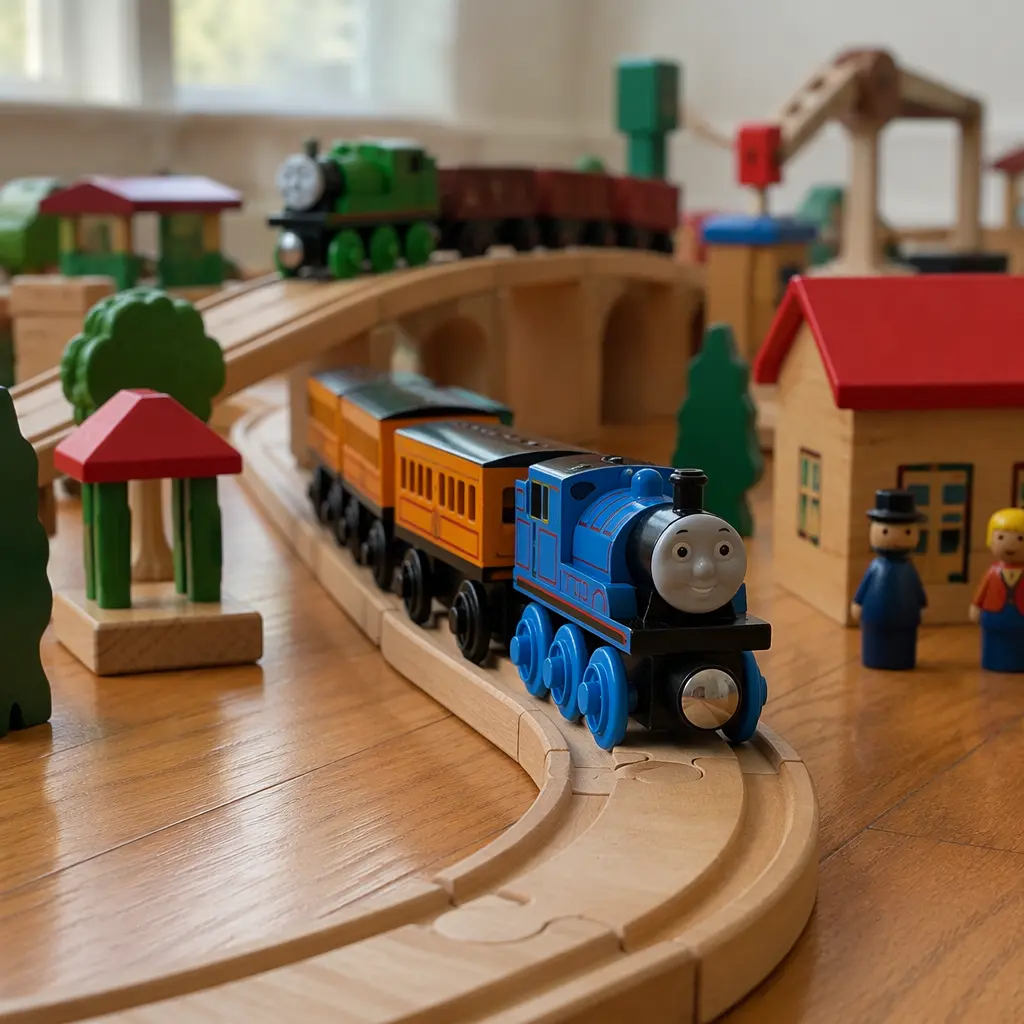
Since 1958, BRIO’s wooden trains have shown how simple pieces can fuel years of imaginative play. Here’s why wooden railways remain a gold standard for kids and parents alike.
Born from a failed wartime experiment, Silly Putty became a pocket-sized classic thanks to its strange physics, endless uses, and simple, screen-free appeal.
Born in 1953, Matchbox cars proved that pocket-sized die-cast vehicles could turn pavements, carpets, and kitchen tables into entire cities of play.
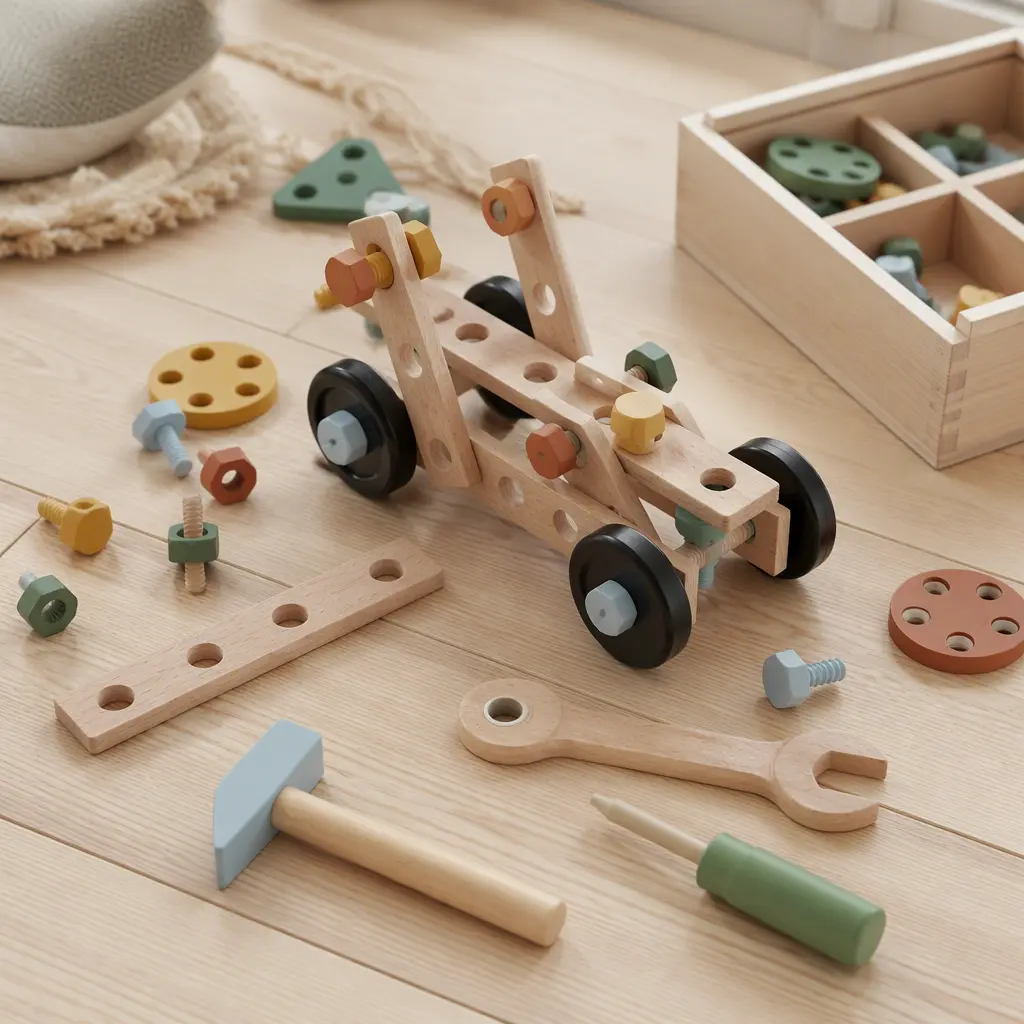
Born in 1901, Meccano turned strips, bolts, and gears into a hands-on lesson in engineering. Here’s how a metal construction set shaped generations of problem-solvers.