Electronics & R/C · 9–12 years
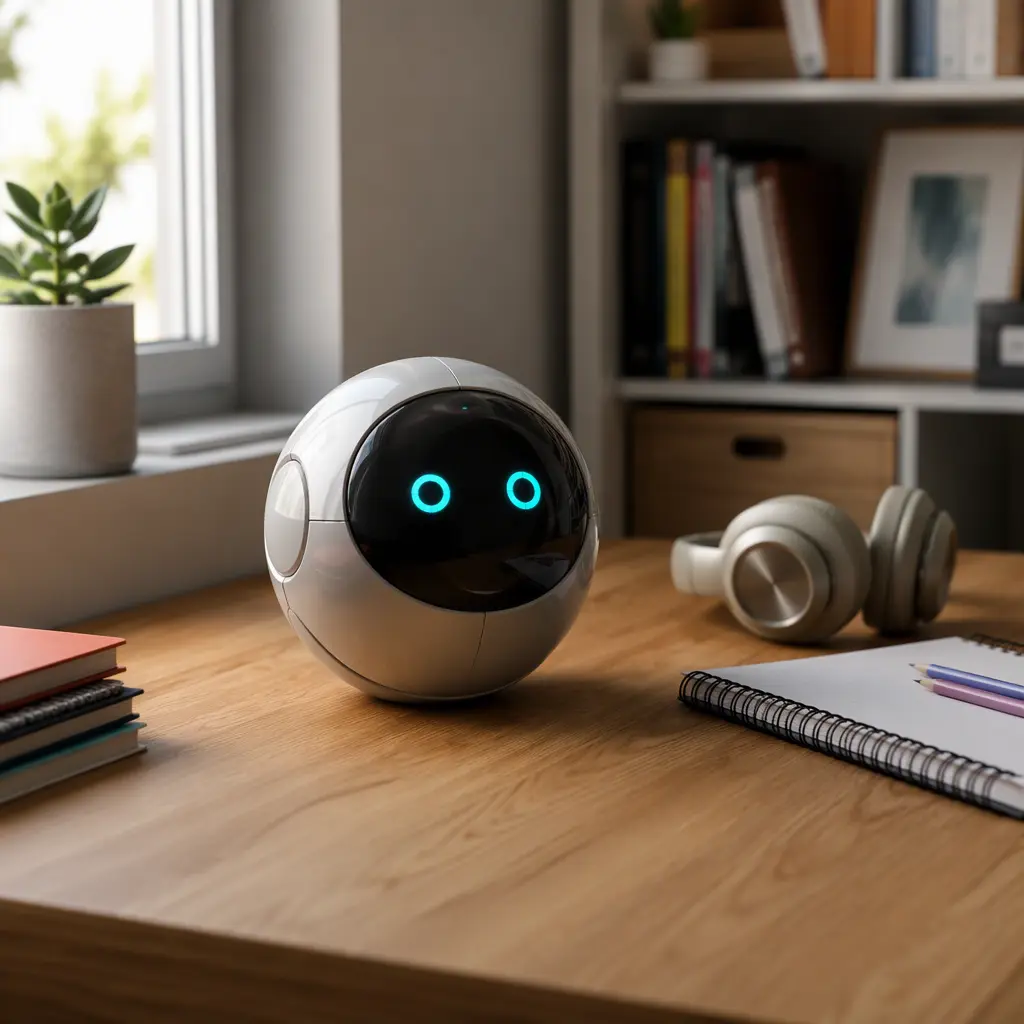
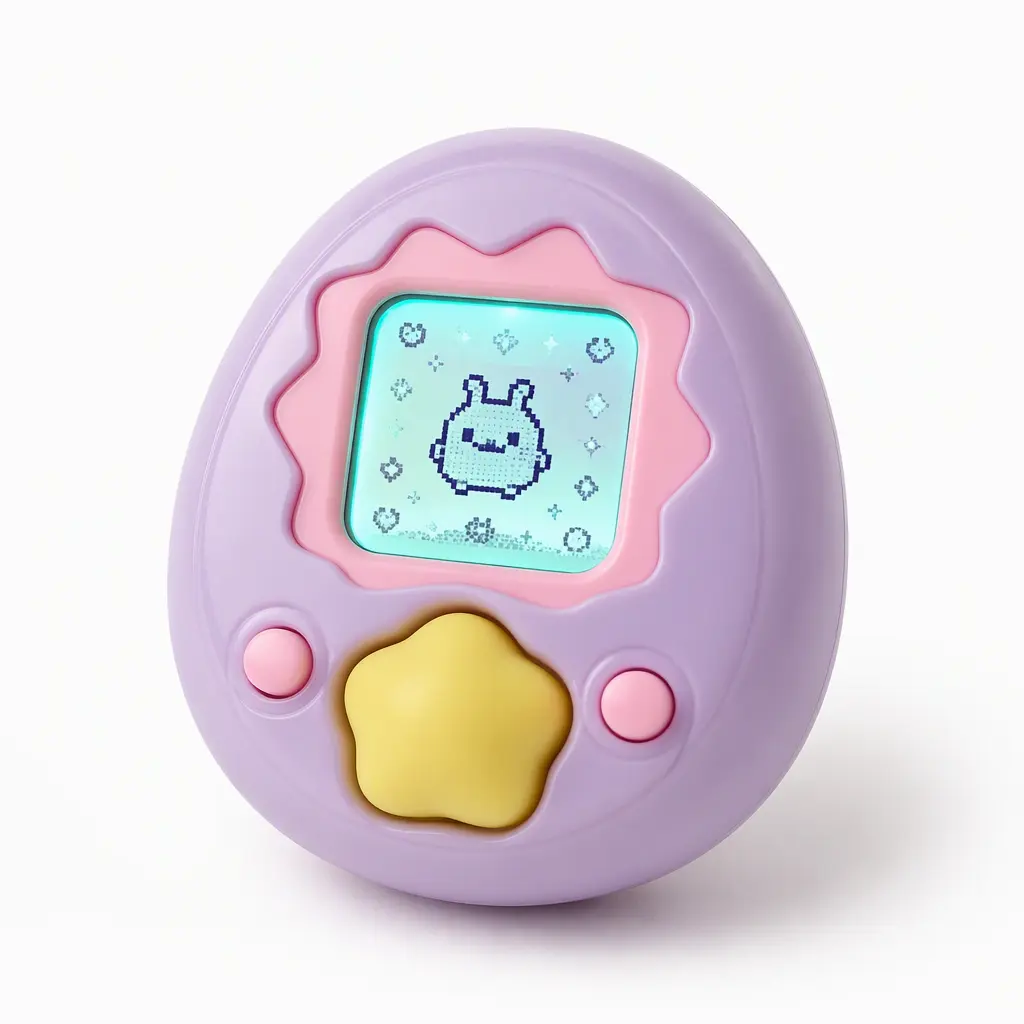
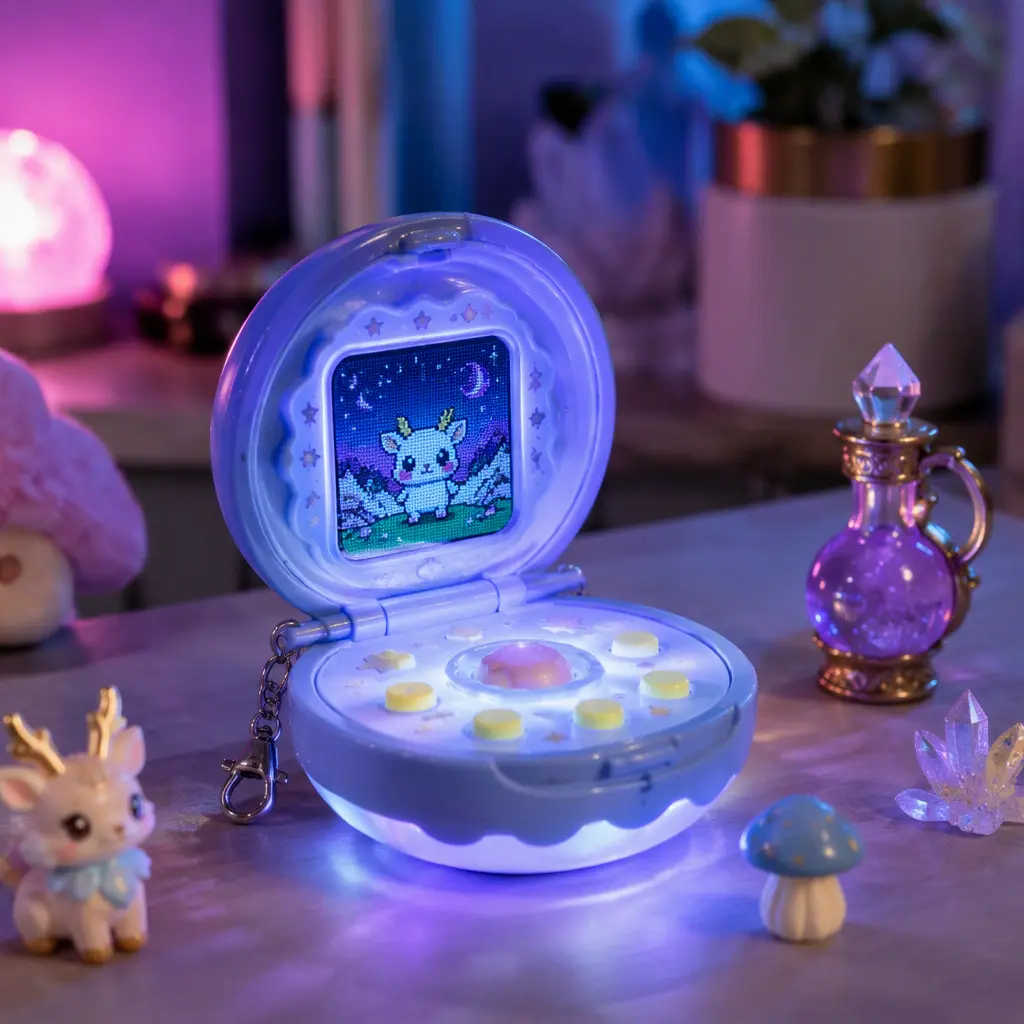
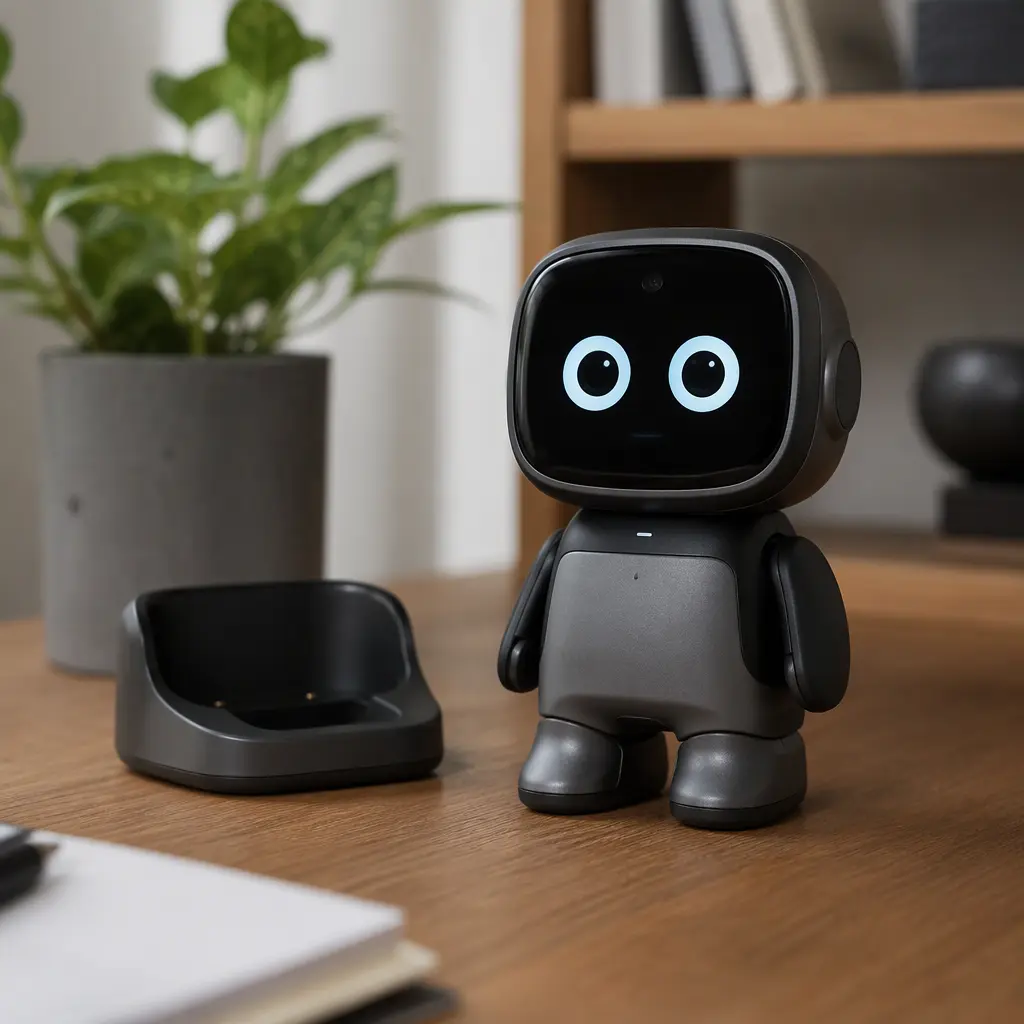
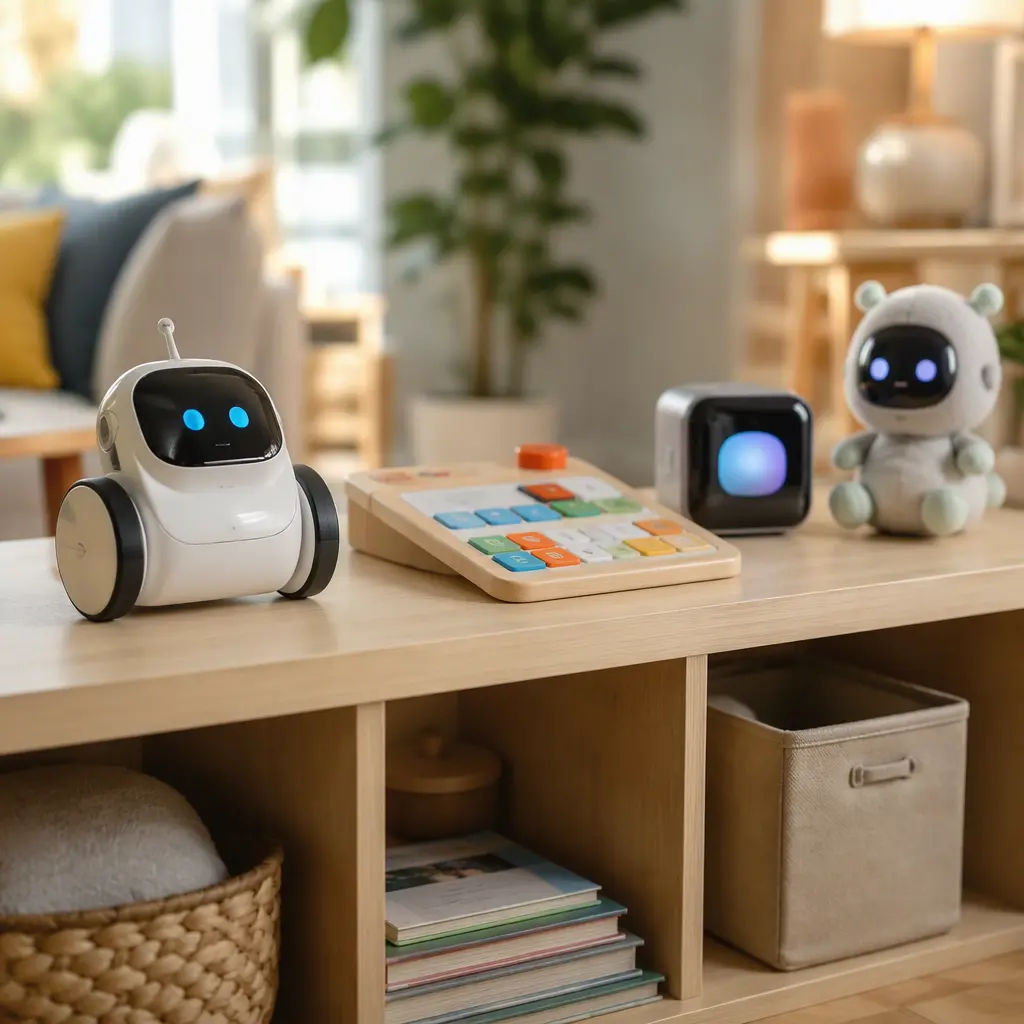
A parent-focused guide to current AI toys for ages 9–12, covering privacy, microphones, subscriptions, offline play, parental controls and practical trade-offs before Christmas 2026.
Pretend Play · 9–12 years
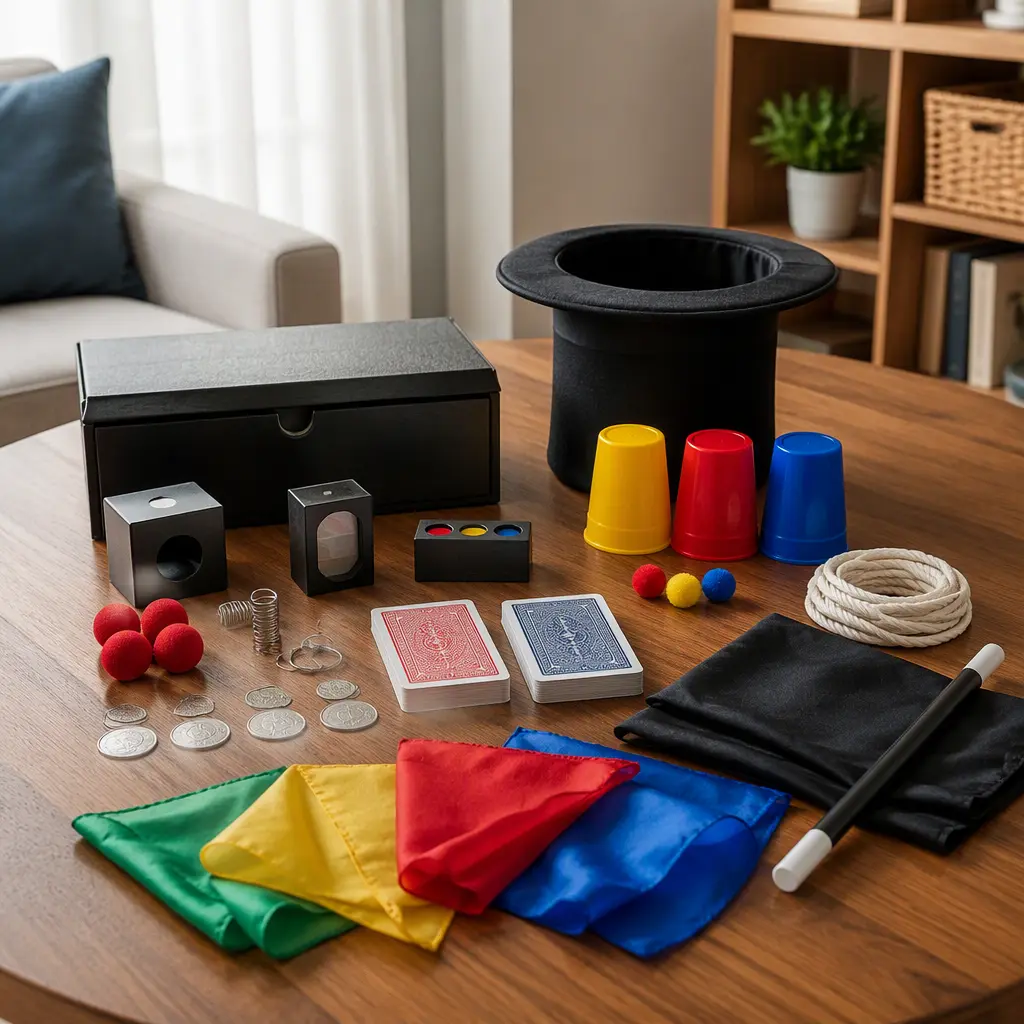
A parent-focused guide to beginner magic kits for ages 9–12, with a focus on reusable props, independent practice, manageable mess, storage and tricks kids can genuinely learn and repeat.

Electronics & R/C · 9–12 years
Compare rechargeable and battery-powered walkie talkies for kids’ camps and outdoor trips, including durability, charging, range expectations, weather use and practical parent trade-offs.
STEM & Educational · 9–12 years
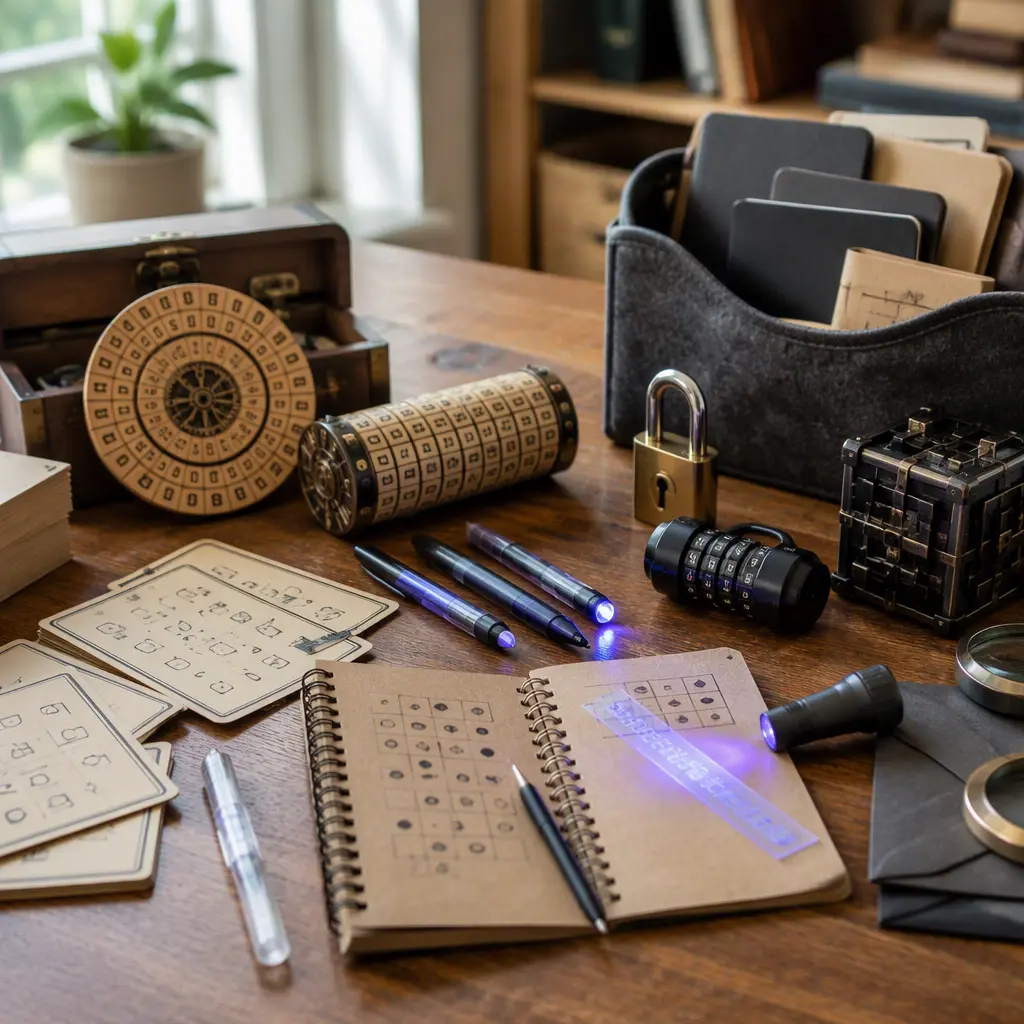
A parent-friendly guide to screen-free STEM toys built around secret codes, puzzles and spy play for ages 9–12, including cipher kits, logic games and practical buying tips.
Puzzles · 9–12 years
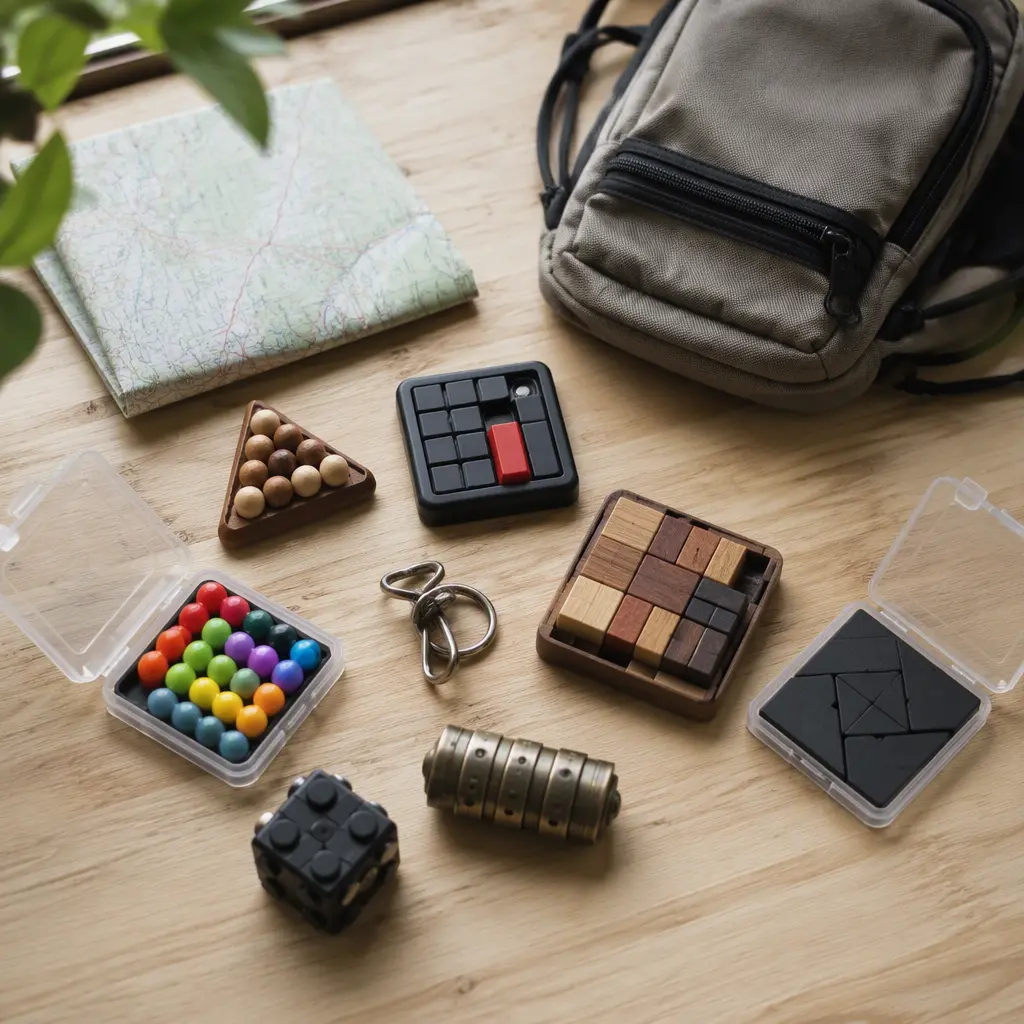
A parent-focused guide to compact solo logic games for ages 9–12, comparing puzzle styles, portability, durability, noise and travel practicality for cars, flights and waiting rooms.
STEM & Educational · 9–12 years
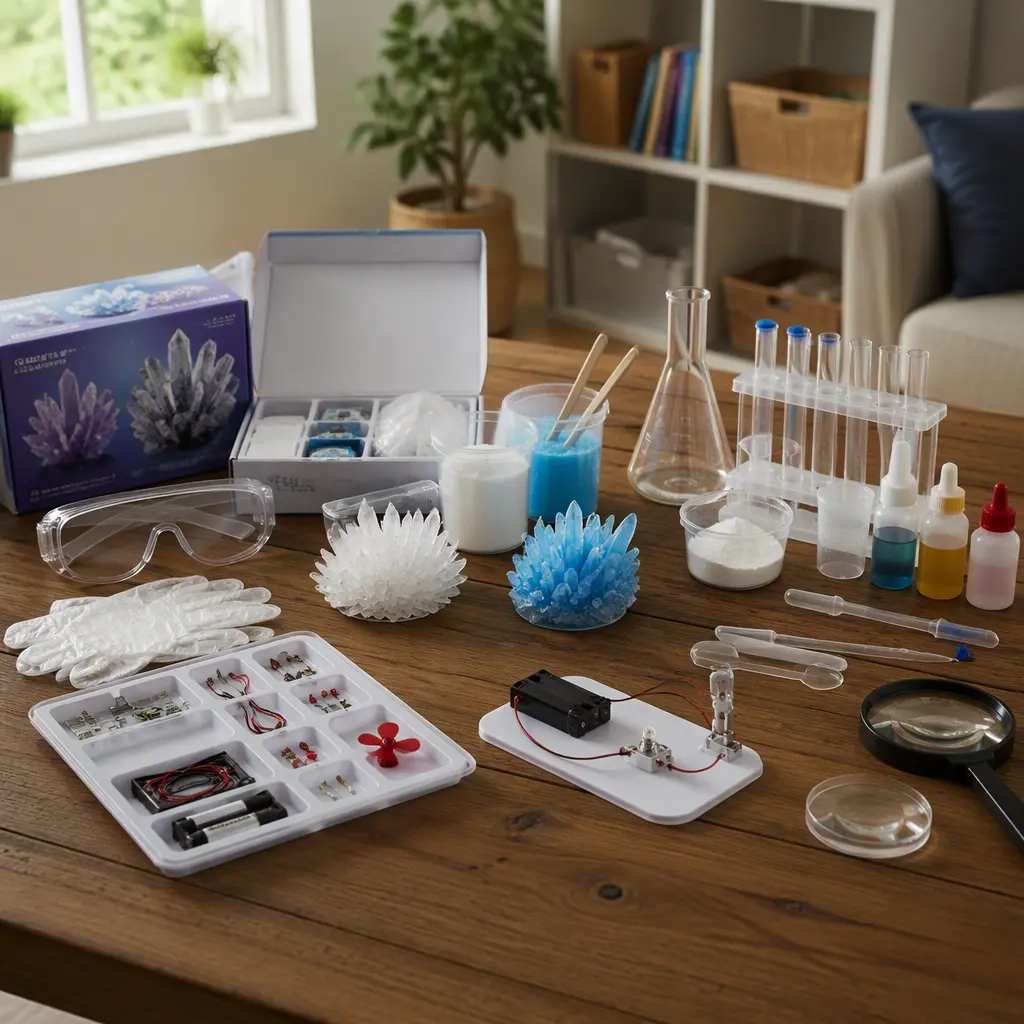
A parent-friendly guide to science kits for ages 9–12 that work with minimal setup, limited mess, and clear instructions. Compare chemistry, engineering, crystal-growing, and coding-free STEM options.
Arts & Crafts · 9–12 years
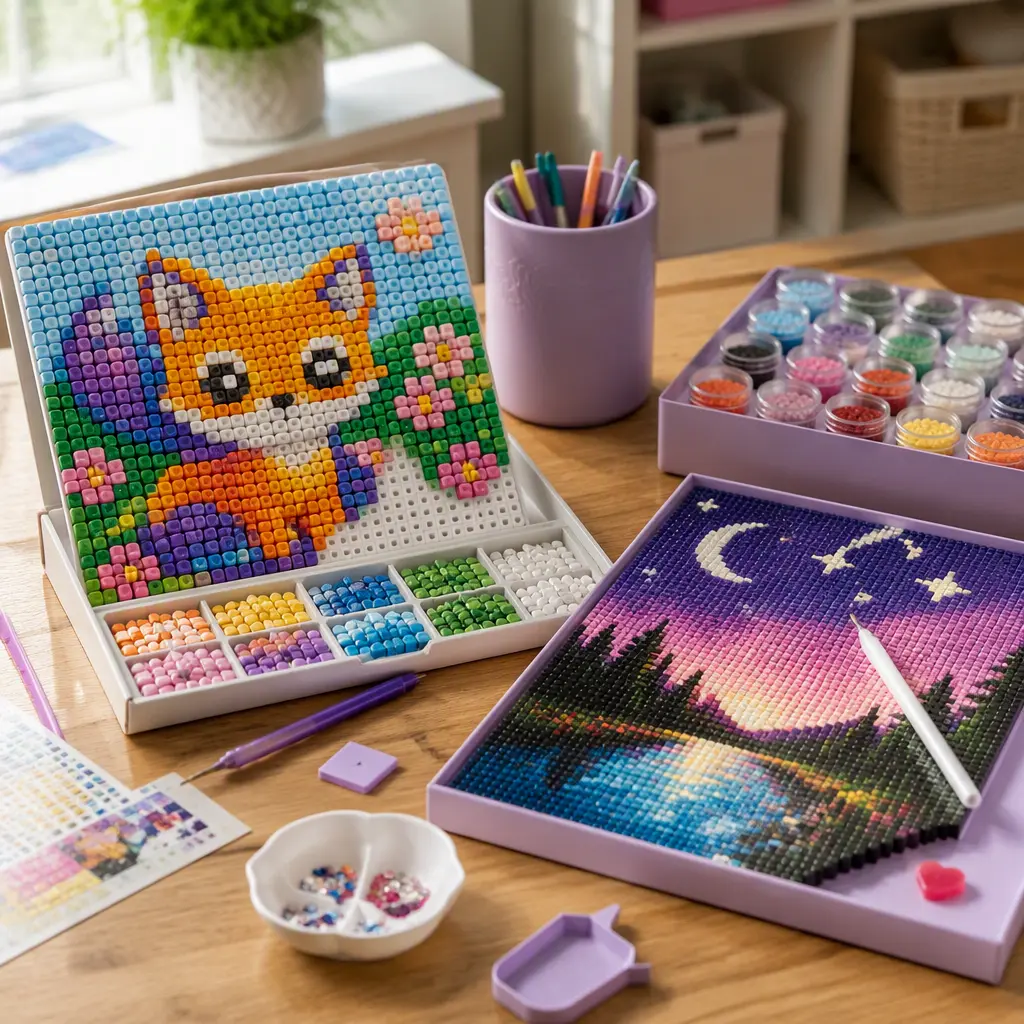
Comparing sticker mosaic kits and diamond art for ages 9–12, including attention span, mess, cleanup, storage, frustration points and which craft style suits different tweens.
Electronics & R/C · 9–12 years
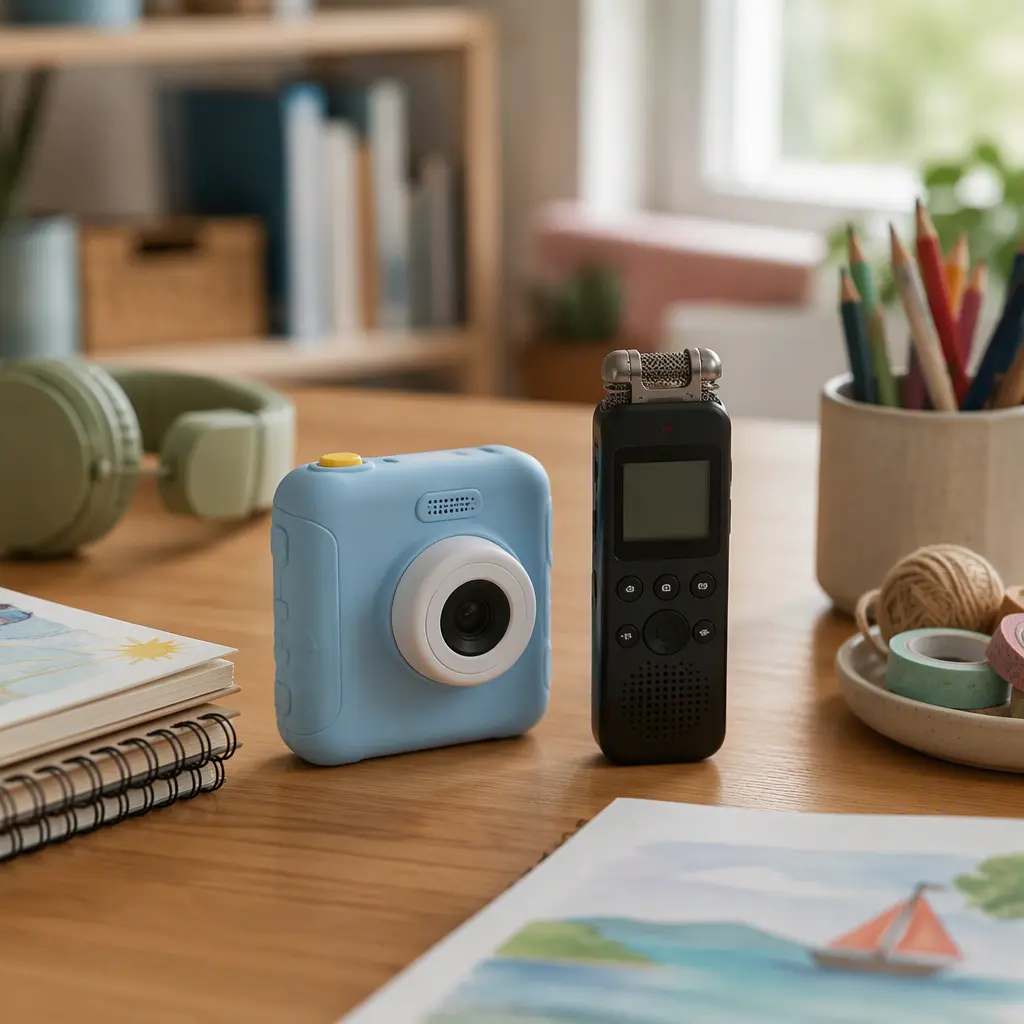
Comparing toy cameras and audio recorders for ages 9–12, including creative play value, storage, supervision, durability and which option keeps kids engaged longer without apps.
STEM & Educational · 9–12 years
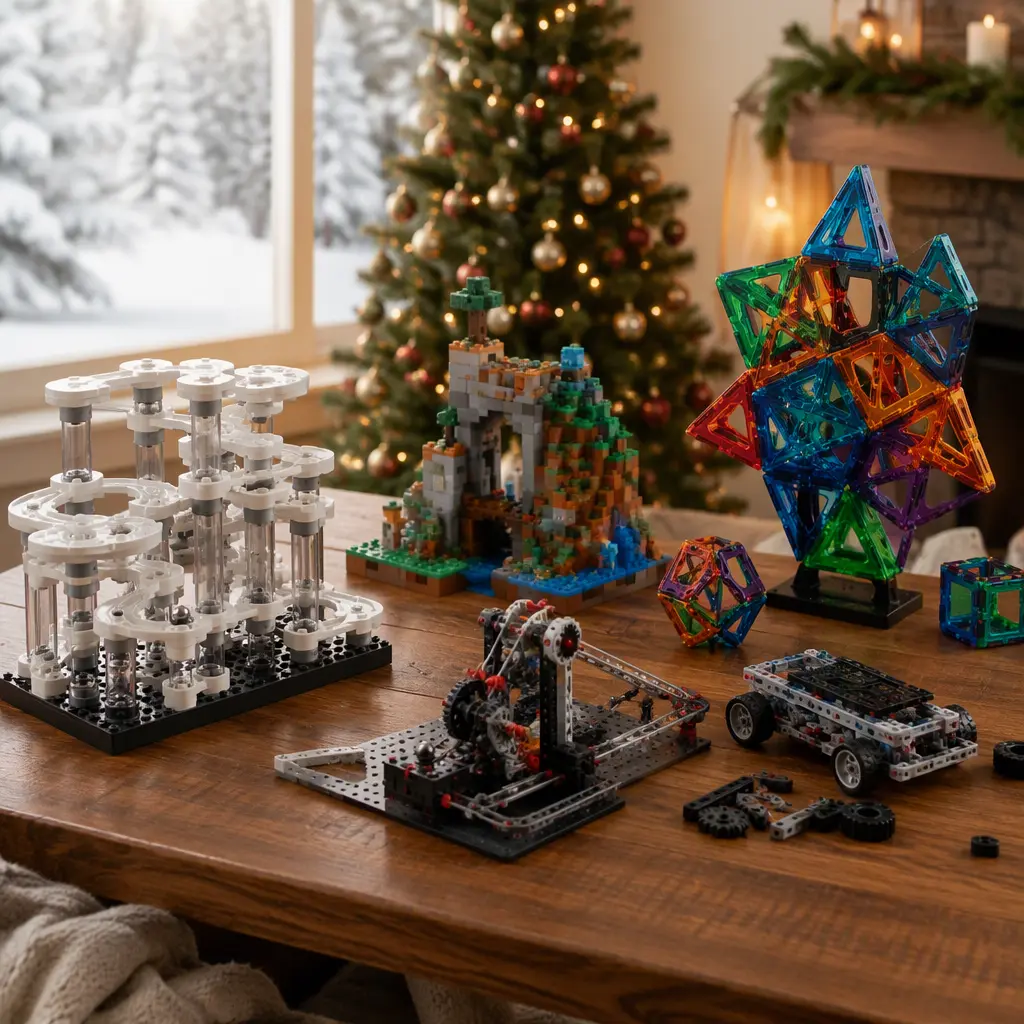
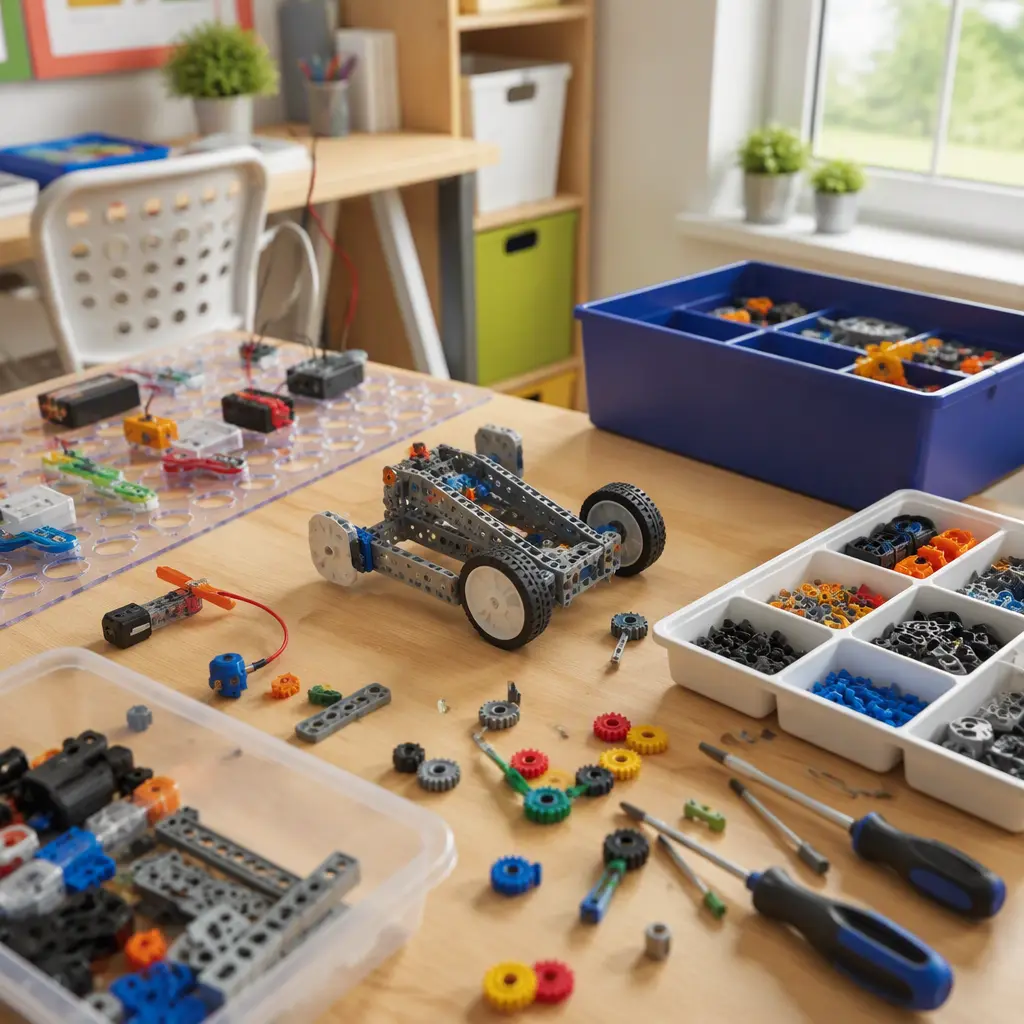
A parent-focused guide to offline STEM toys for ages 9–12 who enjoy building, dismantling and tinkering. Compare reusable parts, durability, storage needs and supervision trade-offs.
Electronics & R/C · 9–12 years
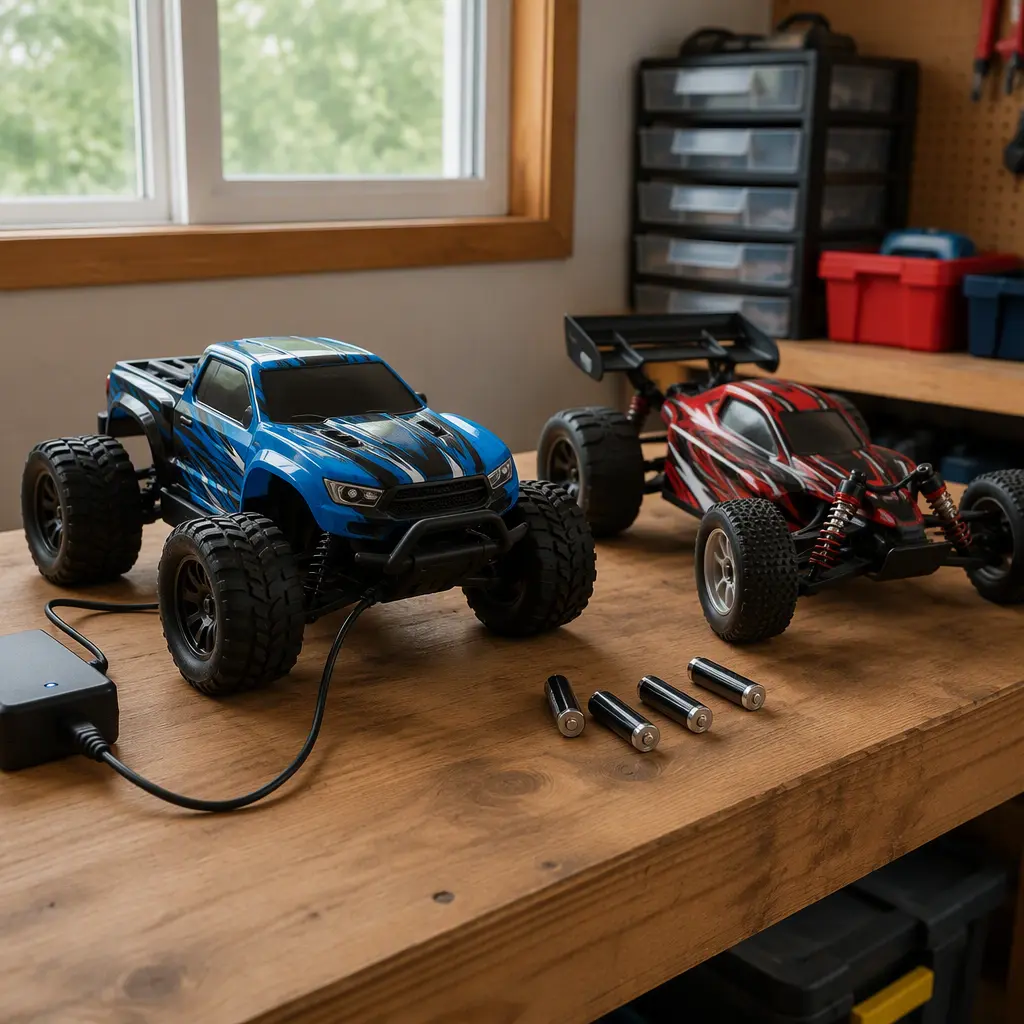
Compare rechargeable and battery-powered RC cars for ages 9–12, including running time, durability, downtime, storage, and long-term costs for first-time buyers.
Building & Construction Sets · 9–12 years
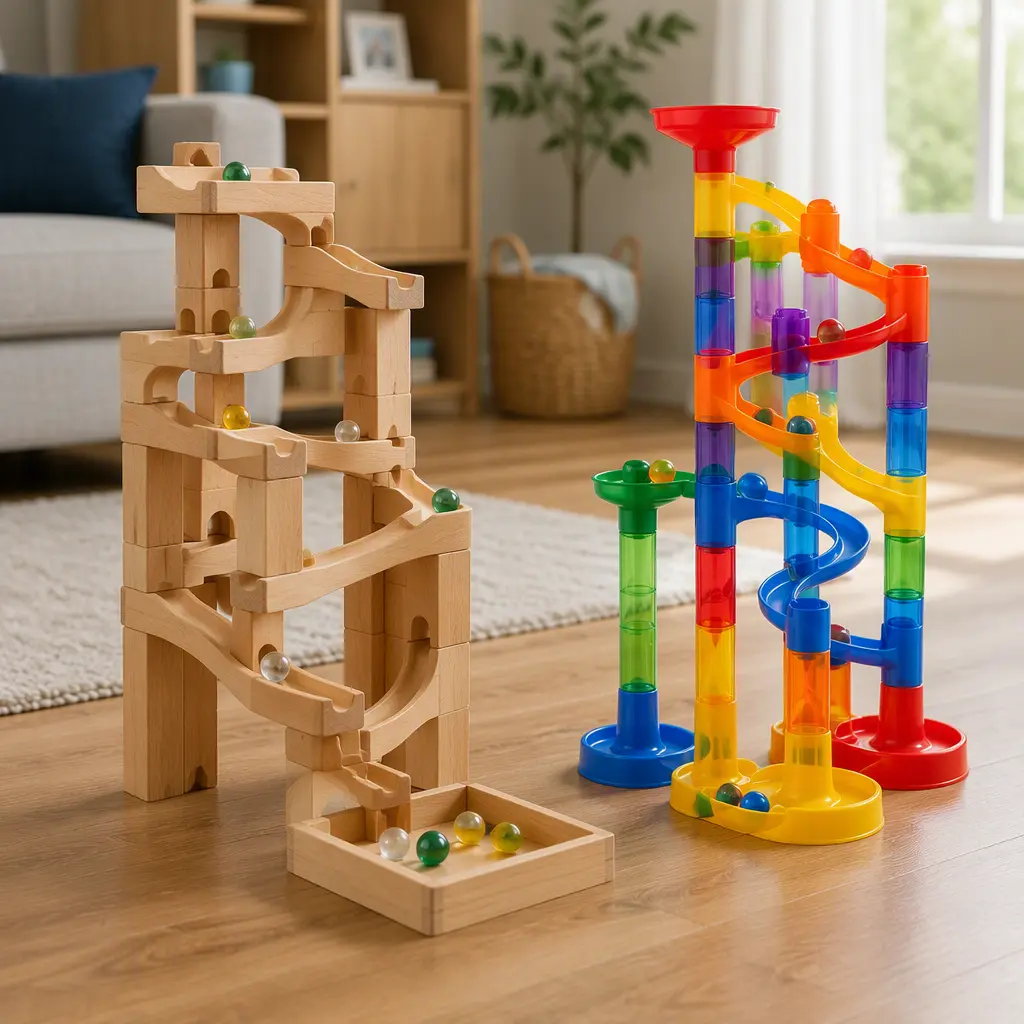
Comparing wooden and plastic marble runs for ages 9–12, including stability, noise, expandability, storage and long-term building challenge for different play styles and family spaces.
STEM & Educational · 9–12 years
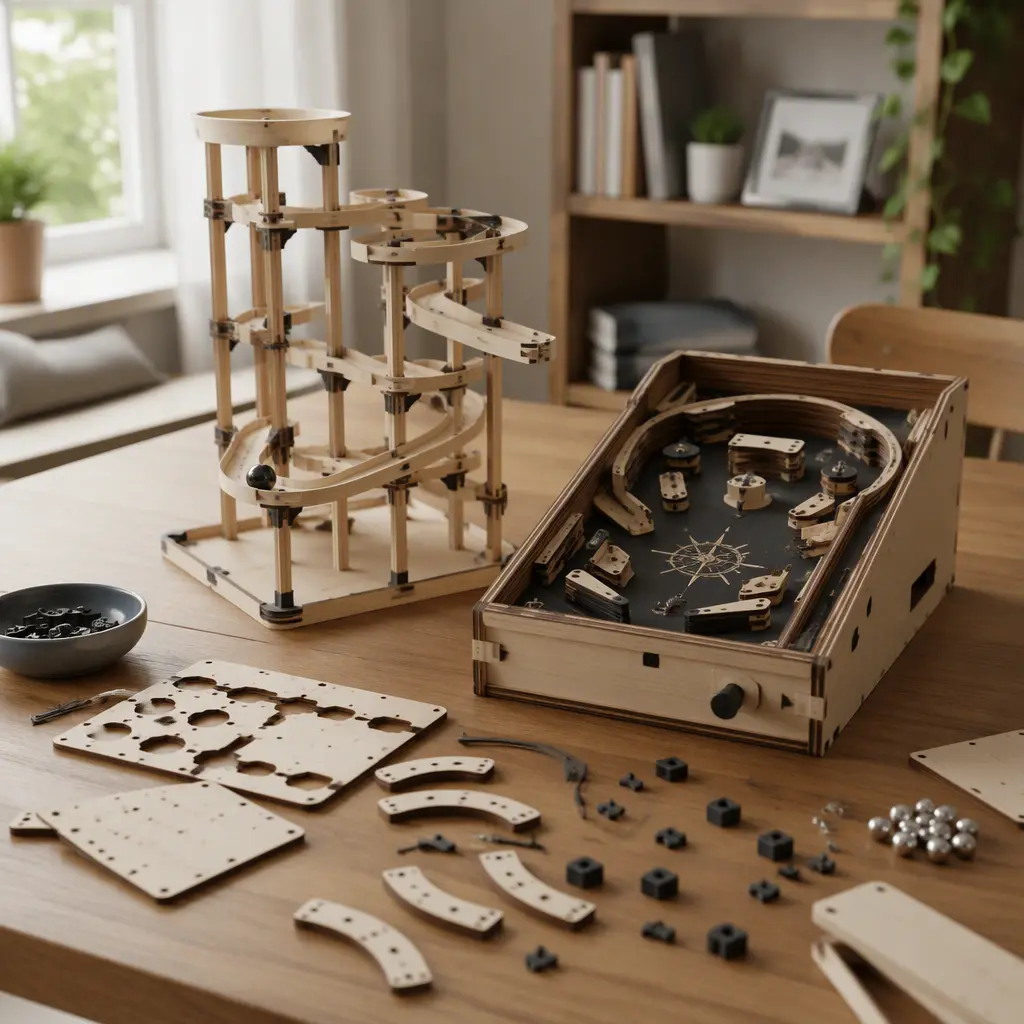
Choosing between a desktop pinball kit and a marble run for ages 9–12? This guide compares build difficulty, storage, replay value, noise, durability and supervision needs.
Puzzles · 9–12 years
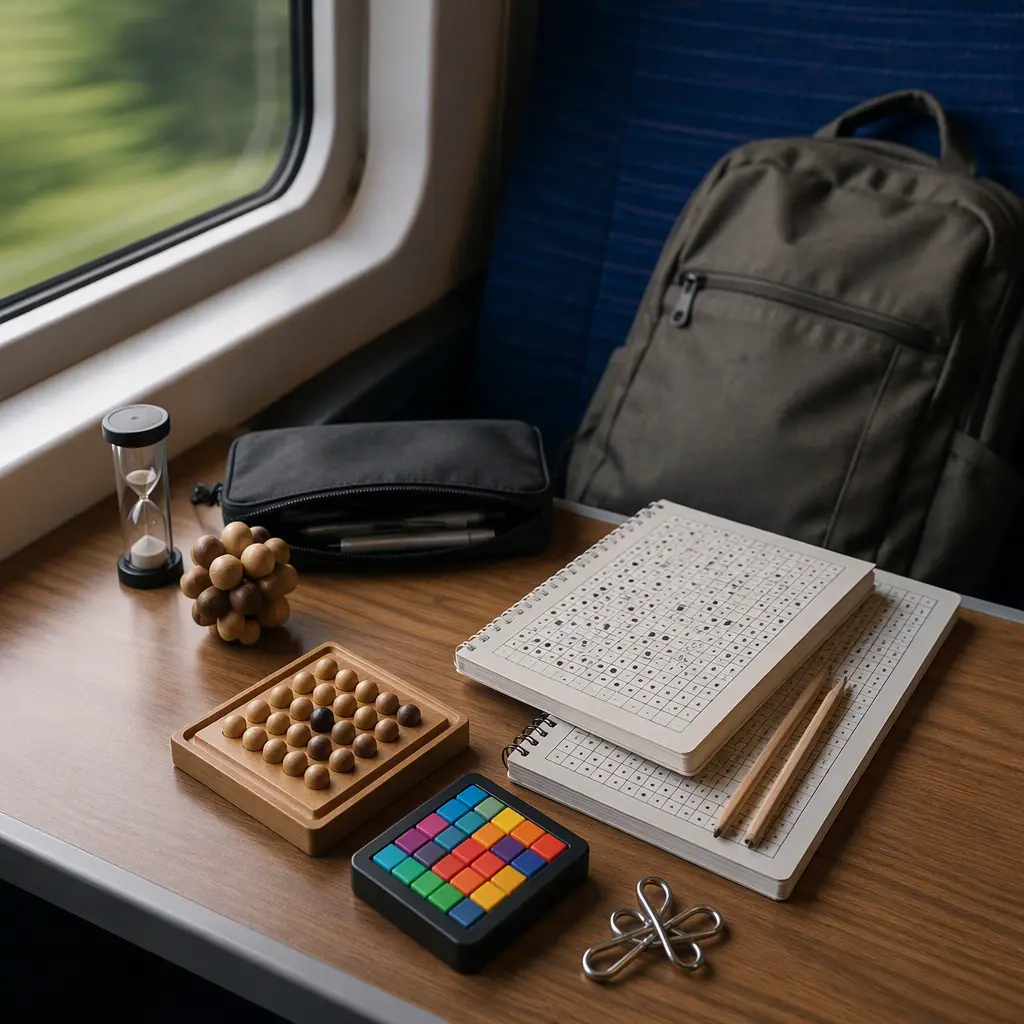
Choosing between compact logic games and puzzle books for ages 9–12? This guide compares replay value, lost-piece risk, storage, noise and offline entertainment time for trips.

Outdoor & Active · 9–12 years
Comparing beginner yo-yos and kendamas for ages 9–12, including learning curve, durability, noise, storage, and which skill toy children are more likely to keep using over time.
Electronics & R/C · 9–12 years
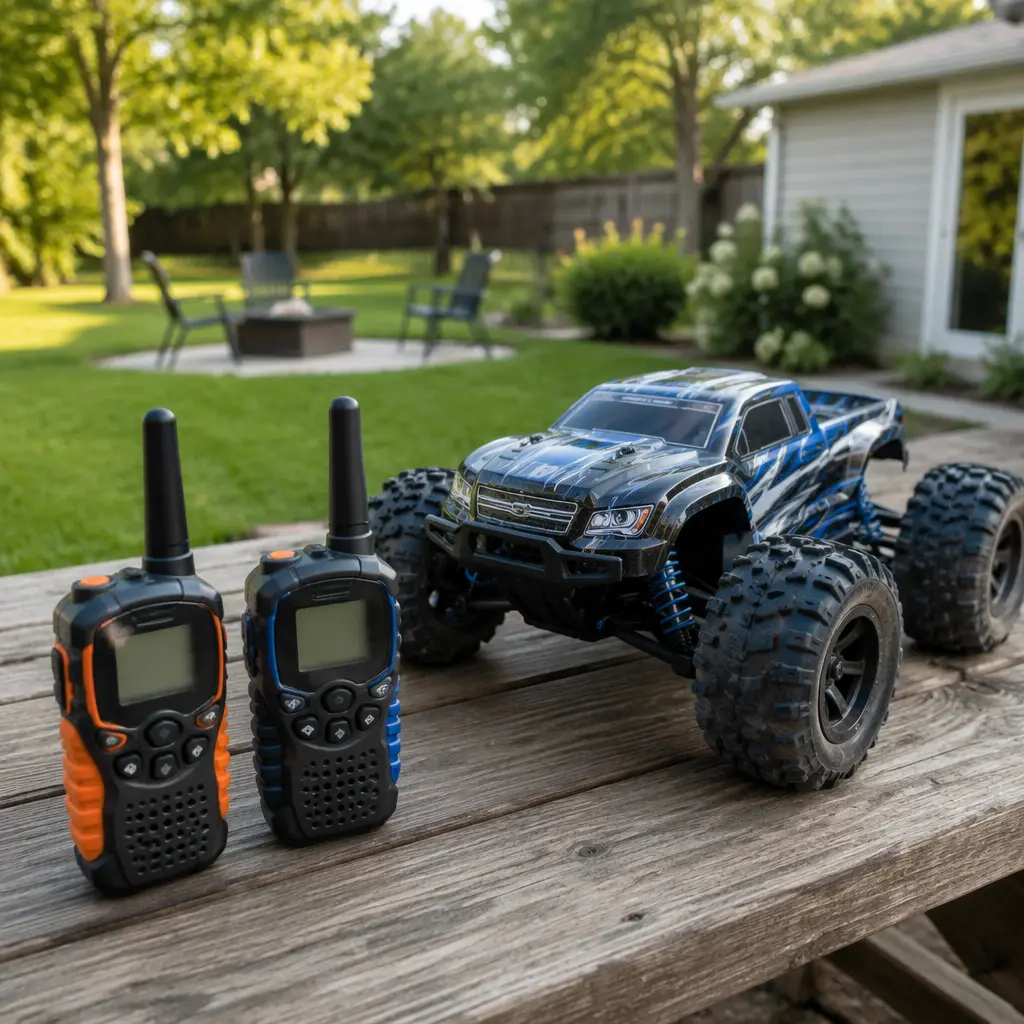
Comparing walkie talkies and RC cars for kids ages 9–12, including durability, repair risk, battery demands, outdoor space needs and which type keeps play going longer.
Arts & Crafts · 9–12 years
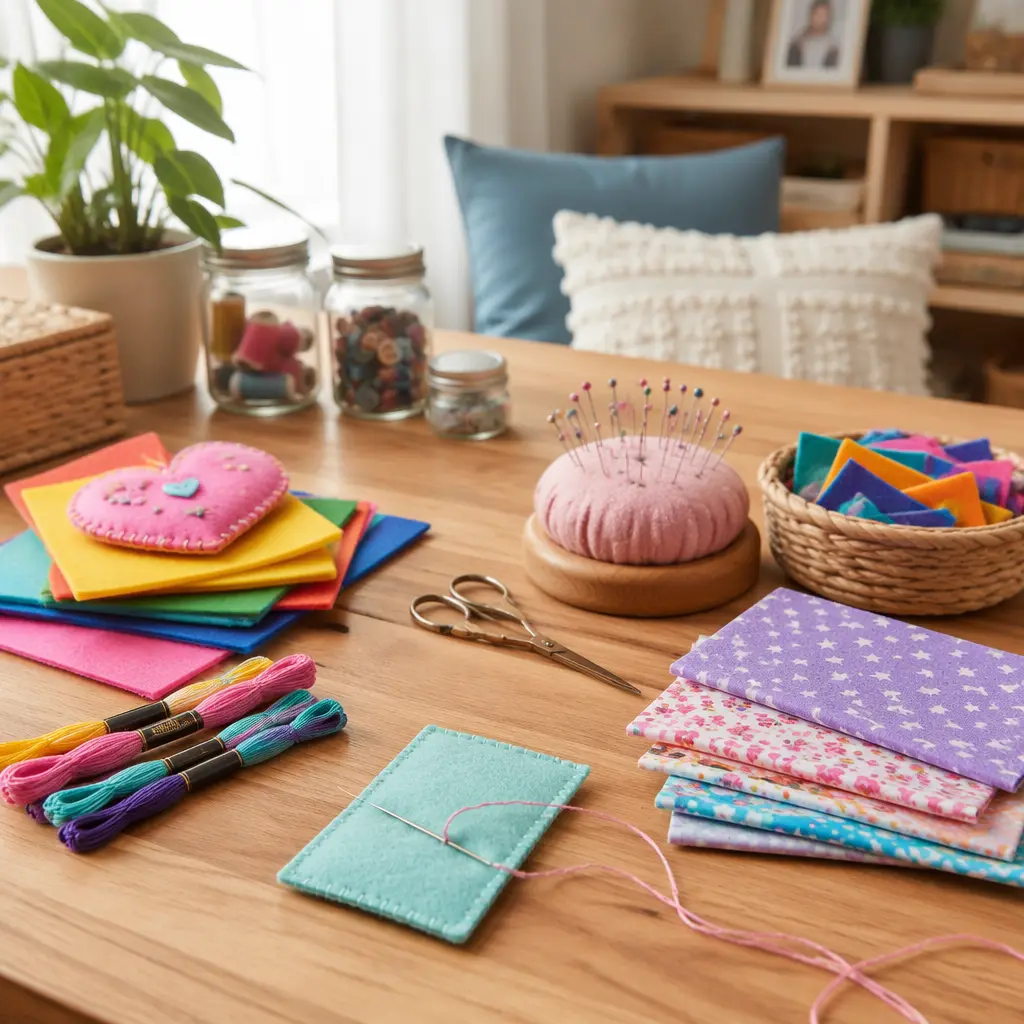
A parent-focused guide to beginner sewing kits for ages 9–12, covering safety, skill level, mess, supervision, and the trade-offs between felt crafts, plush kits, and real sewing projects.
STEM & Educational · 9–12 years
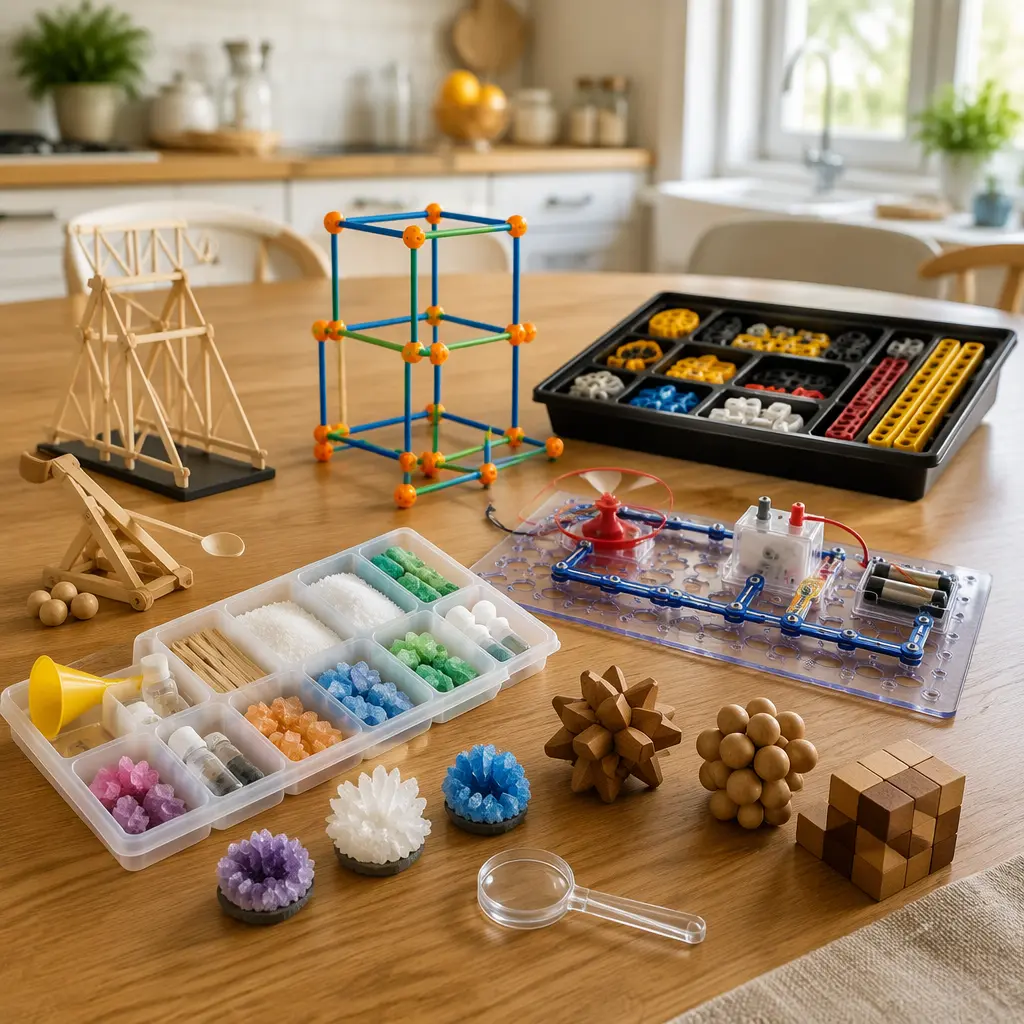
A parent-focused guide to screen-free STEM kits for ages 9–12, with practical advice on mess, setup time, supervision, storage and which project styles work best at the kitchen table.
Board Games & Card Games · 9–12 years
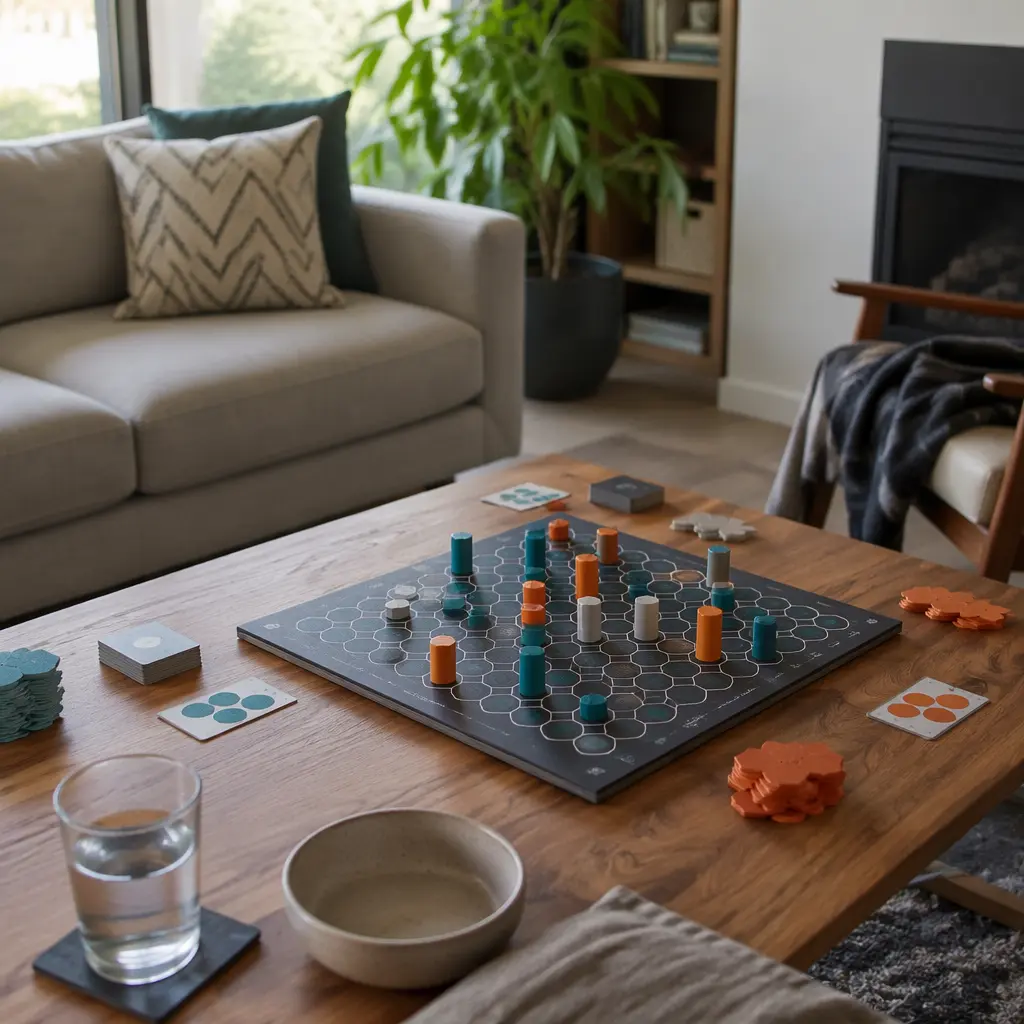
A practical guide to two-player strategy board games for ages 9–12, covering quick setup, replay value, learning curve, noise, storage and which game styles suit siblings or parent-child play.
Electronics & R/C · 9–12 years
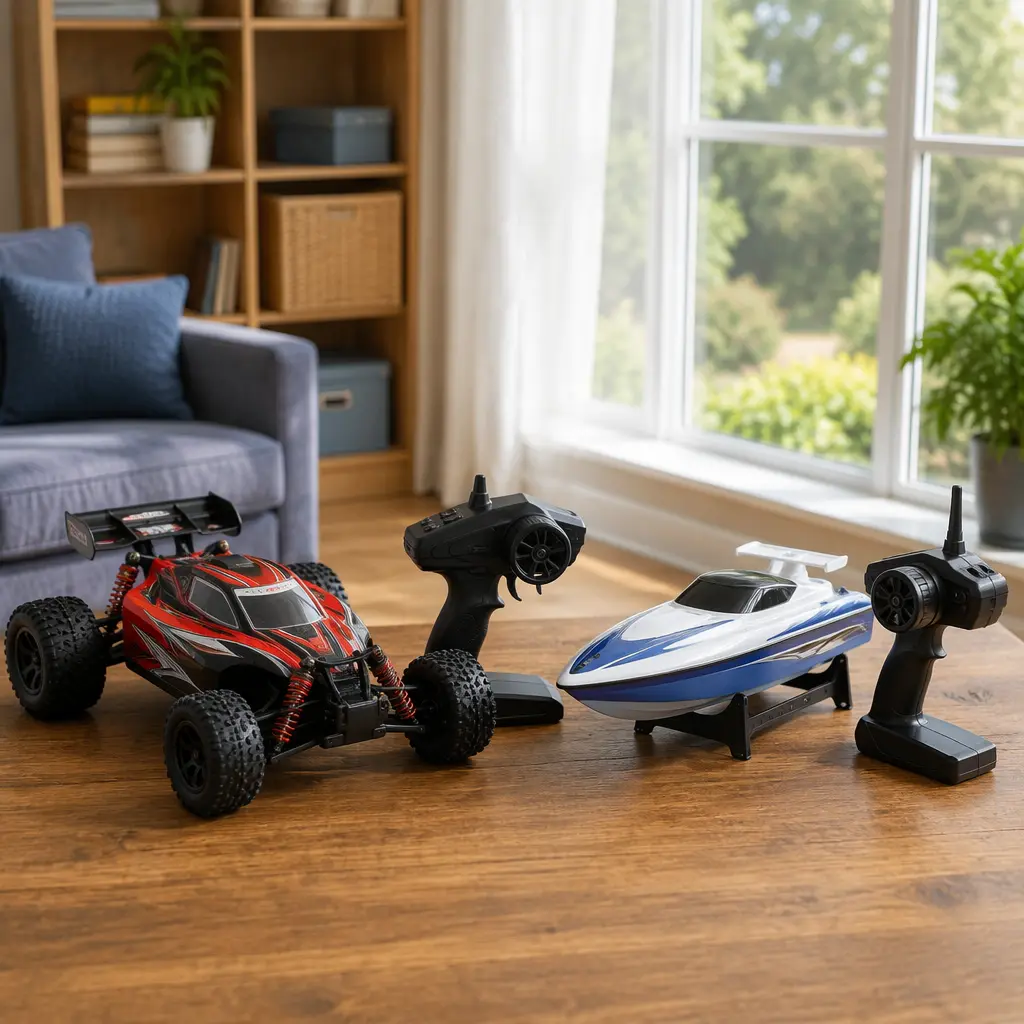
A practical guide to choosing simple RC toys for first-time users ages 9–12, with advice on controls, durability, battery types, indoor noise, outdoor use, and supervision.
STEM & Educational · 9–12 years
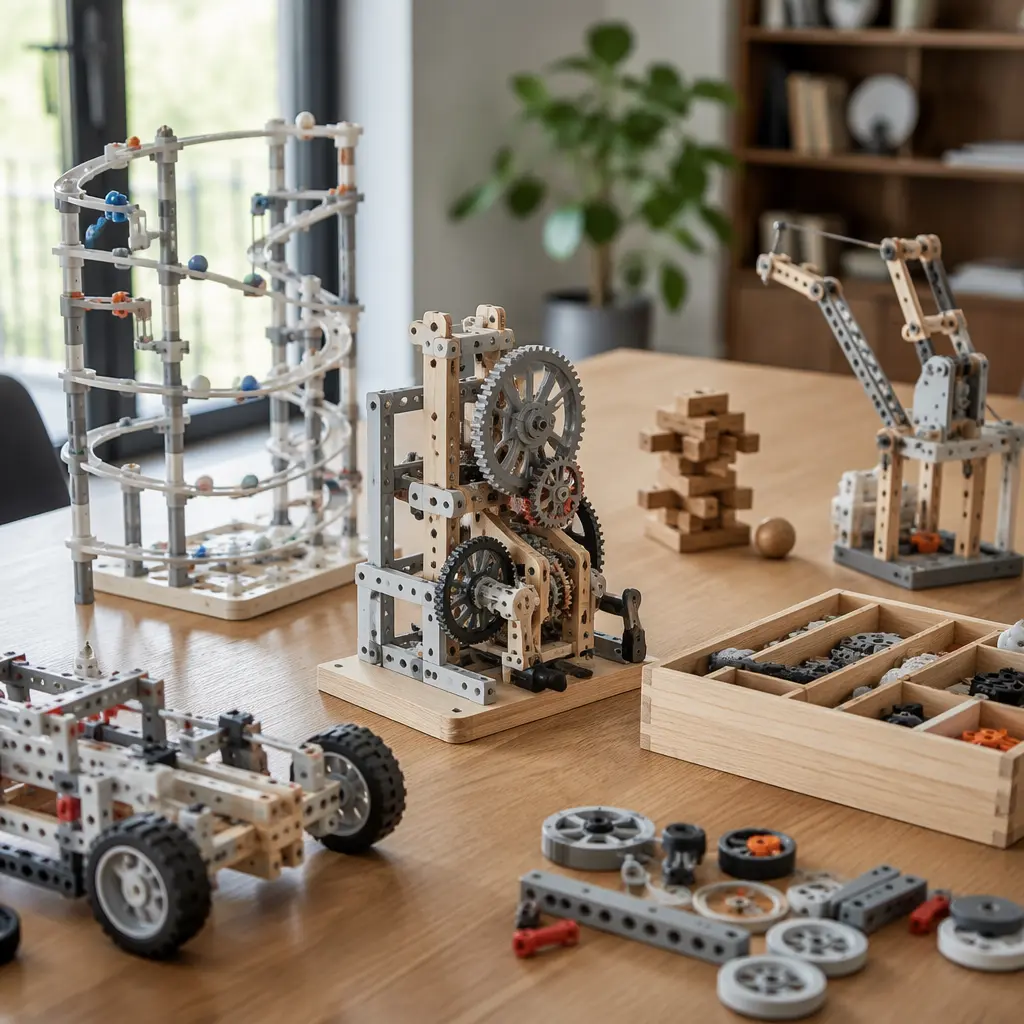
Explore screen-free STEM toys for kids ages 9–12 who love gadgets, engineering, and hands-on problem solving without apps, Wi‑Fi, or constant screen time.
STEM & Educational · 9–12 years
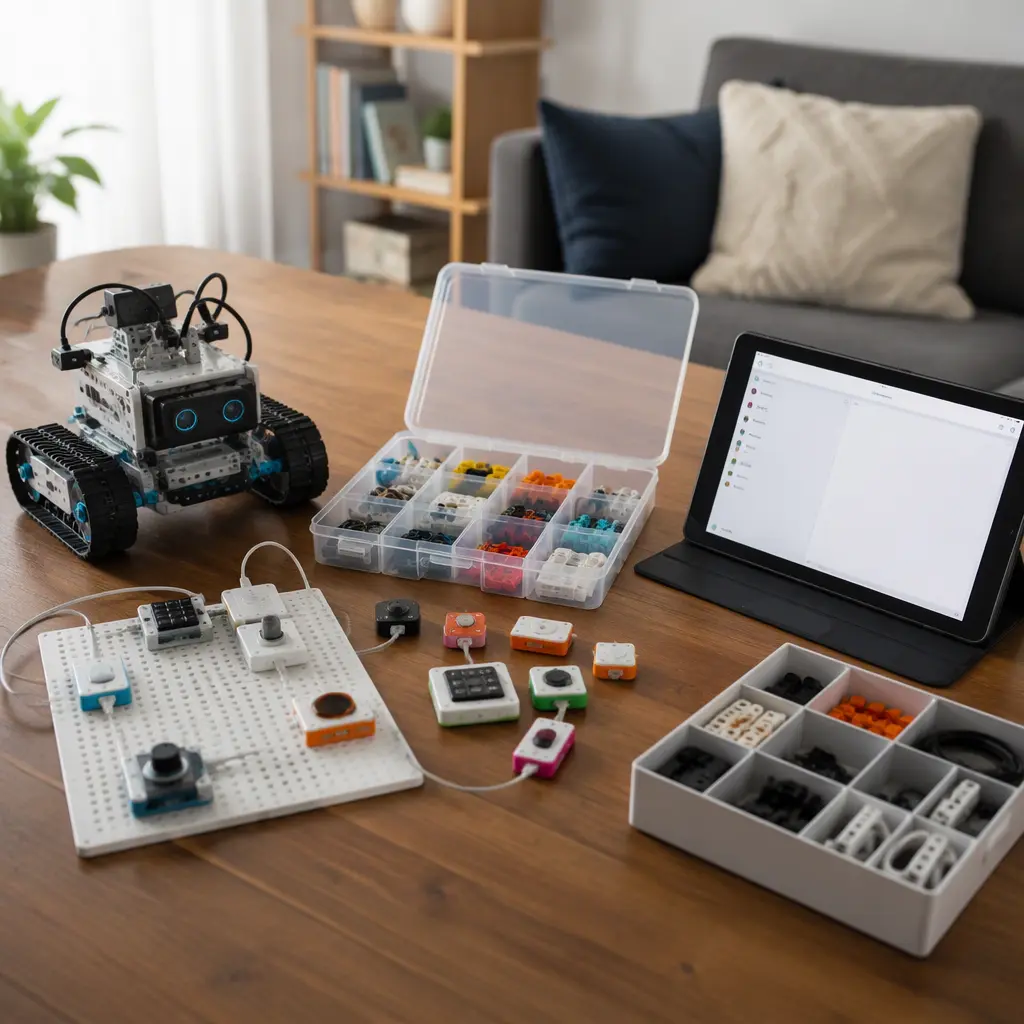
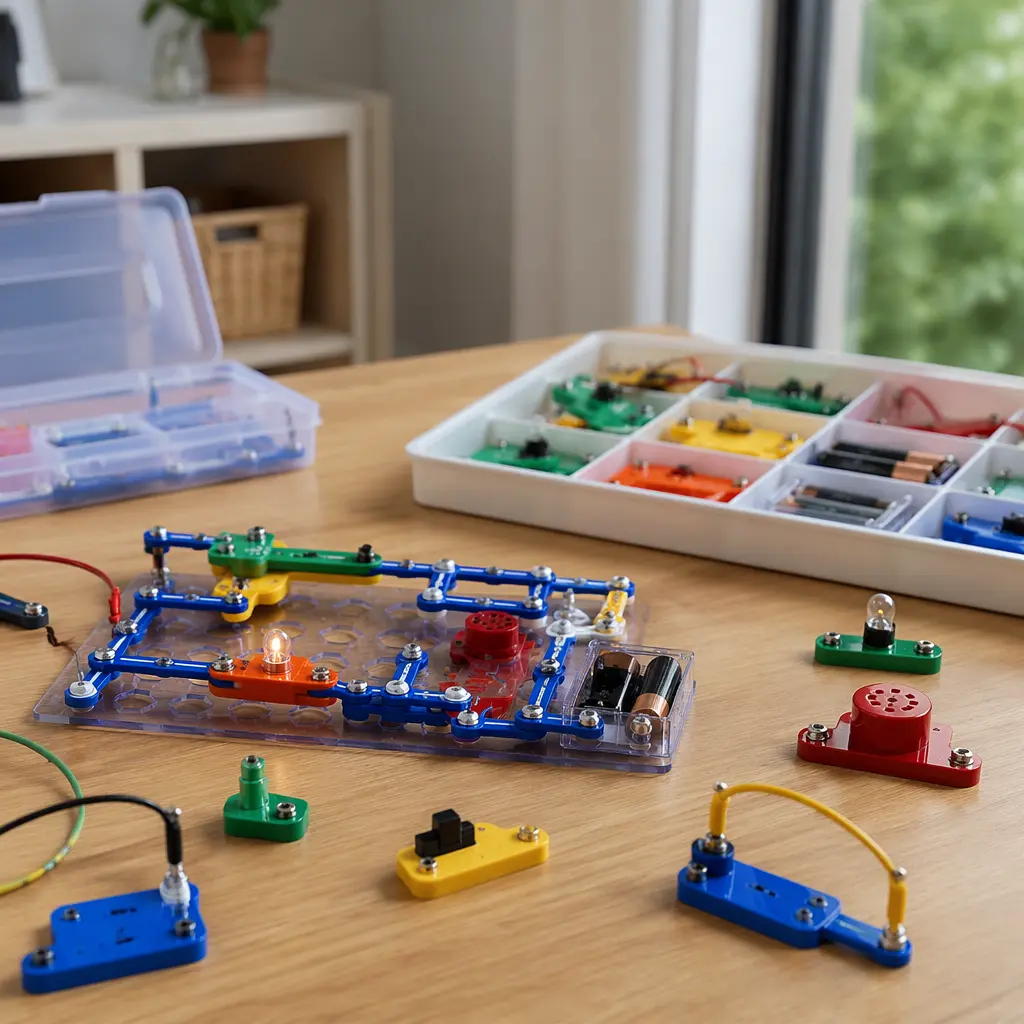
Explore beginner circuit toys that teach wiring, switches, and cause-and-effect without apps or screens. This guide covers what to look for, age fit, safety, and popular kit styles for ages 9–12.
Board Games & Card Games · 9–12 years
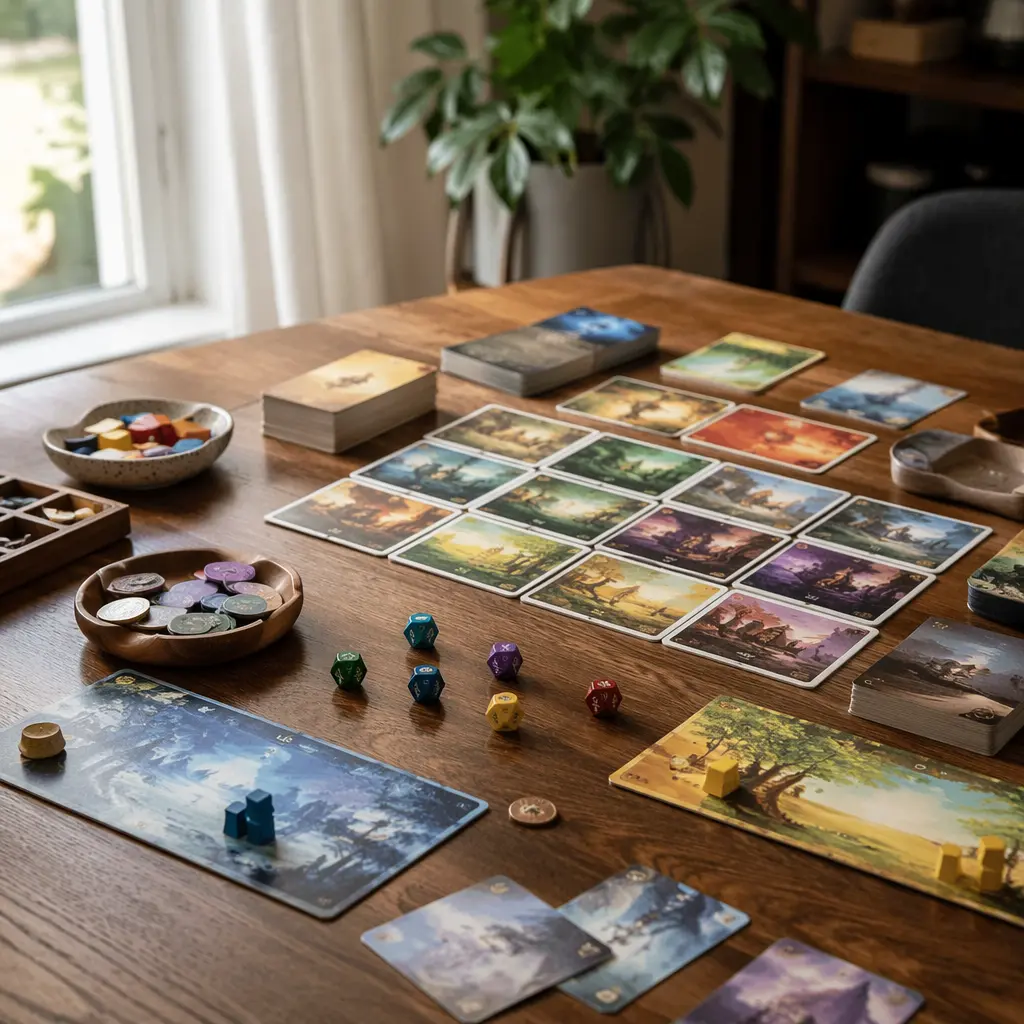
A parent-friendly guide to quick-play board and card games for ages 9–12 that set up fast, explain easily, and wrap up before attention fades—no screens required.
Electronics & R/C · 9–12 years
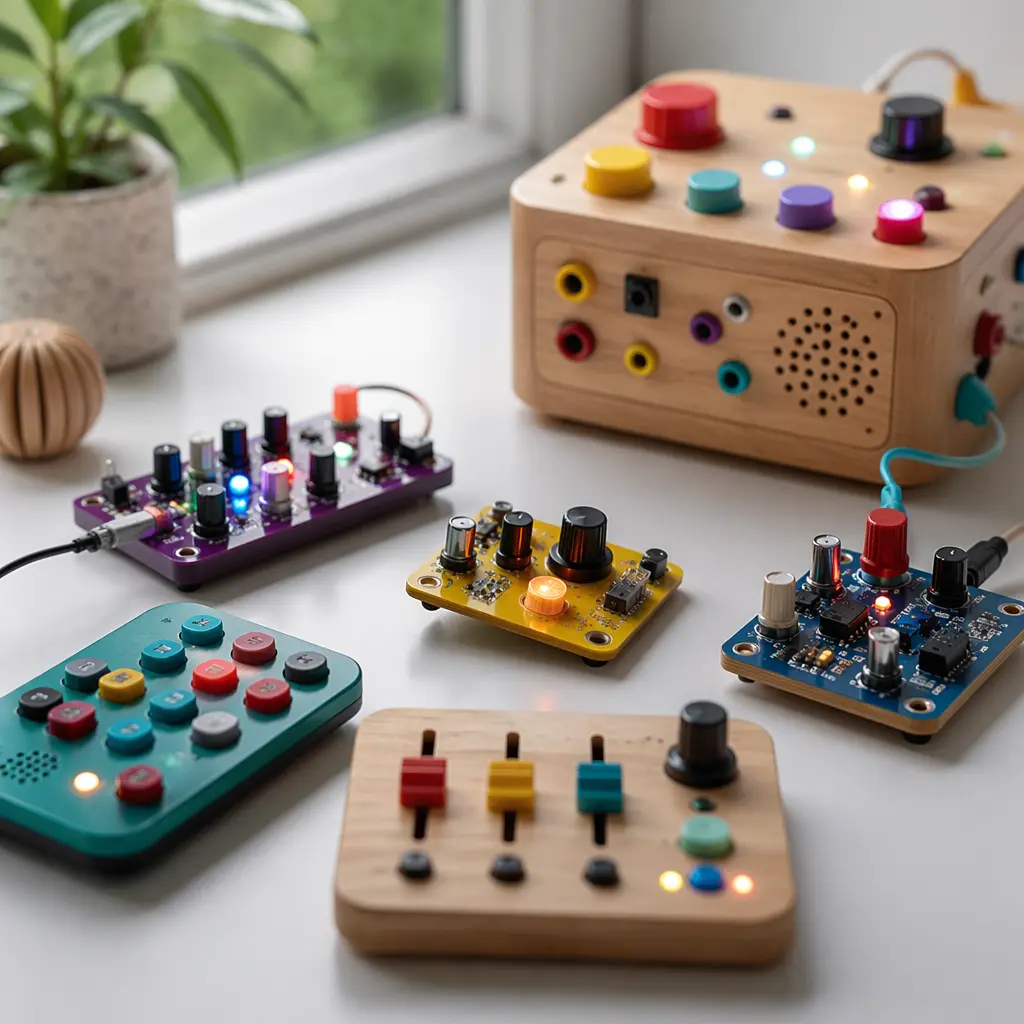
A buyer’s guide to screen-free electronic toys for ages 9–12—hands-on kits that teach circuits, sound, motion, and logic without apps, accounts, or tablets.

Arts & Crafts · 9–12 years
A parent-friendly guide to arts and crafts kits that kids ages 9–12 can start and finish in a single afternoon—without constant help. Learn what to look for, age fit, and safety tips.