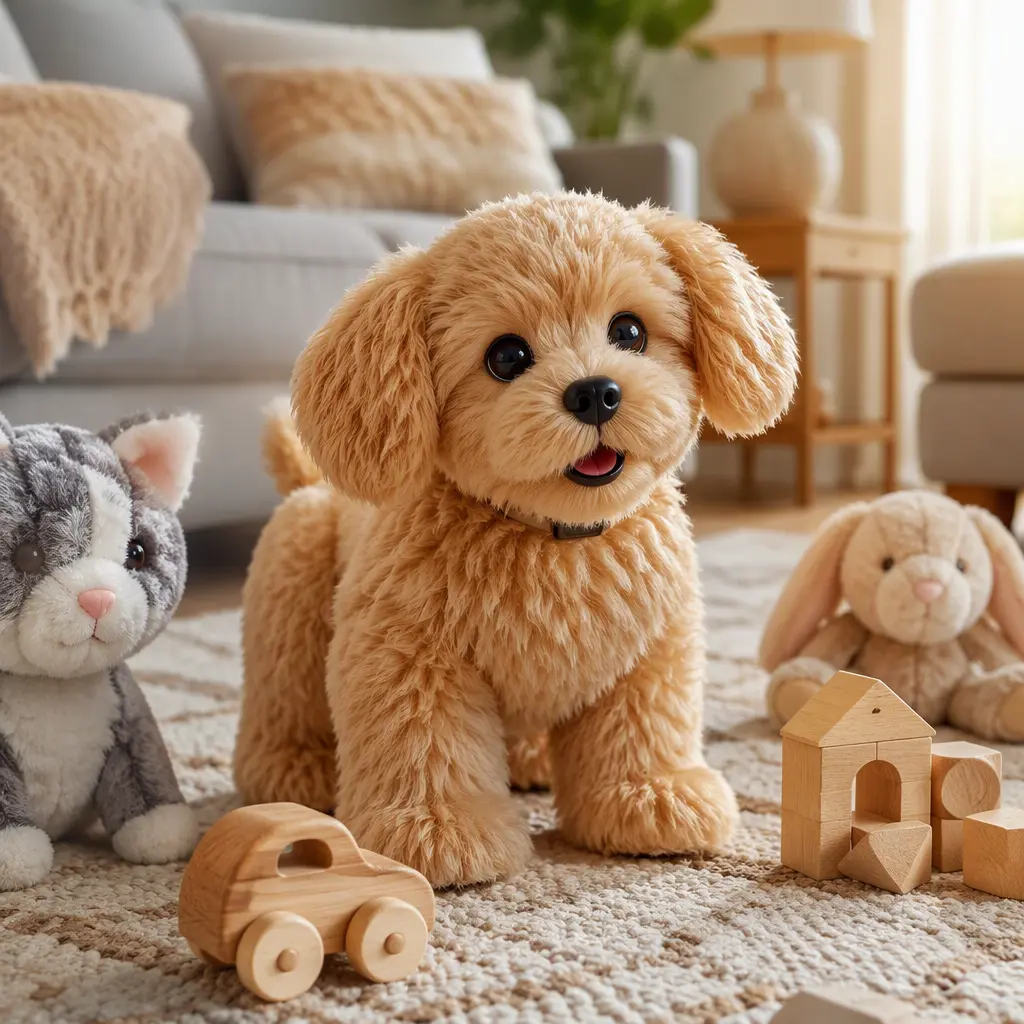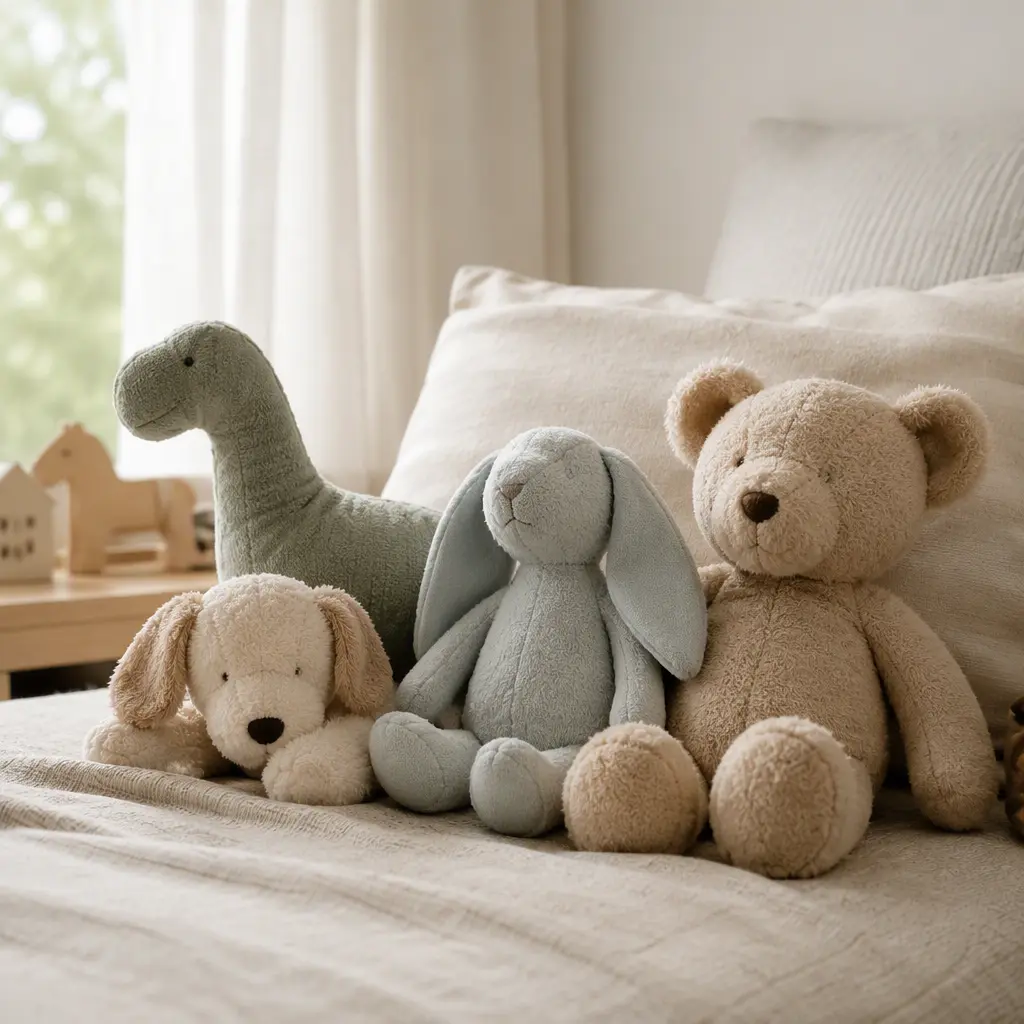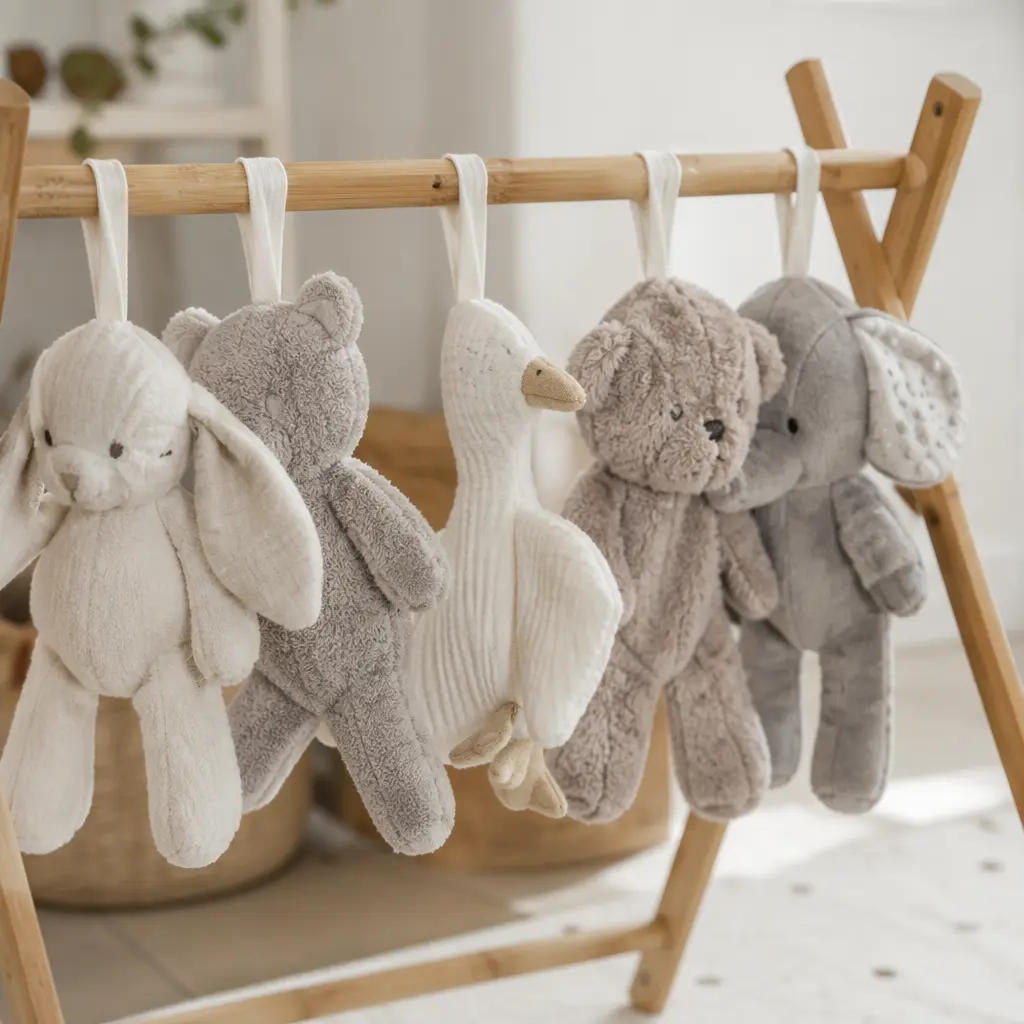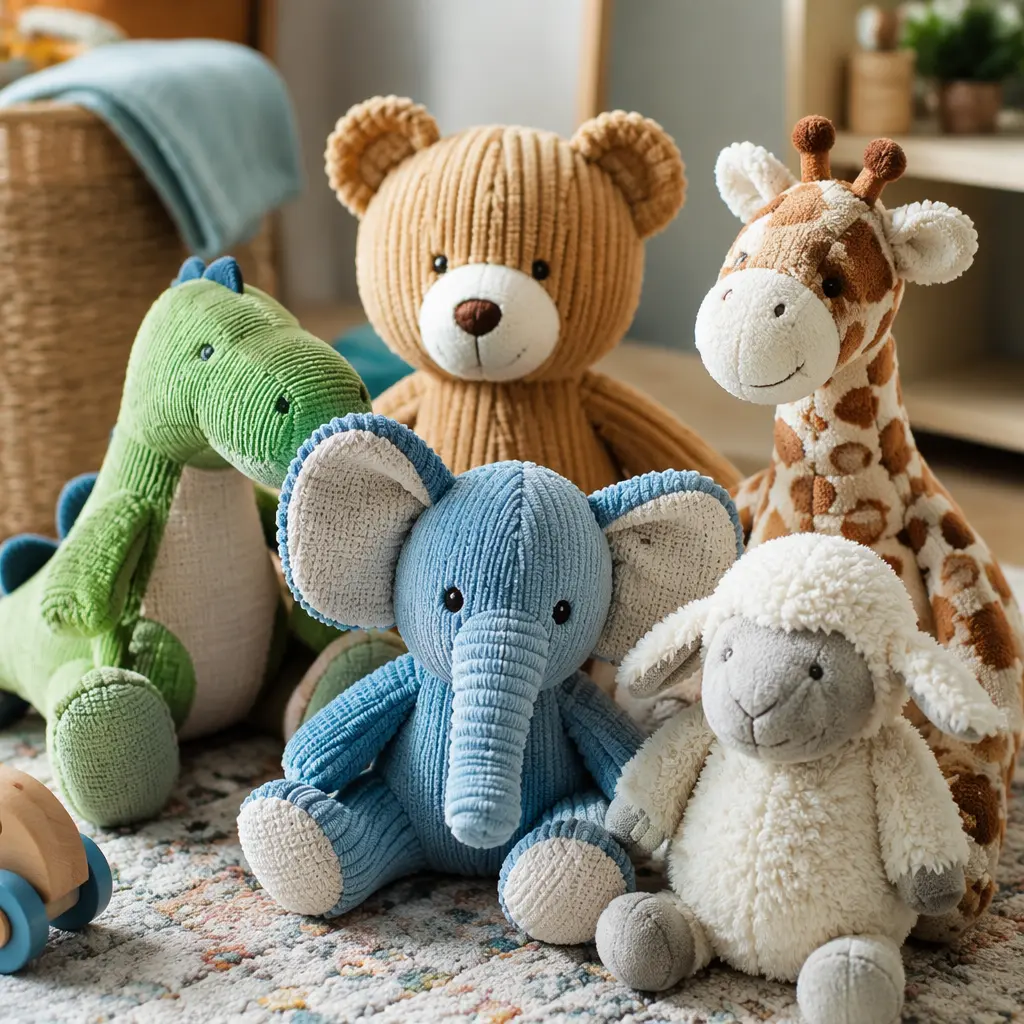
Plush & Soft Toys · 1–2 years
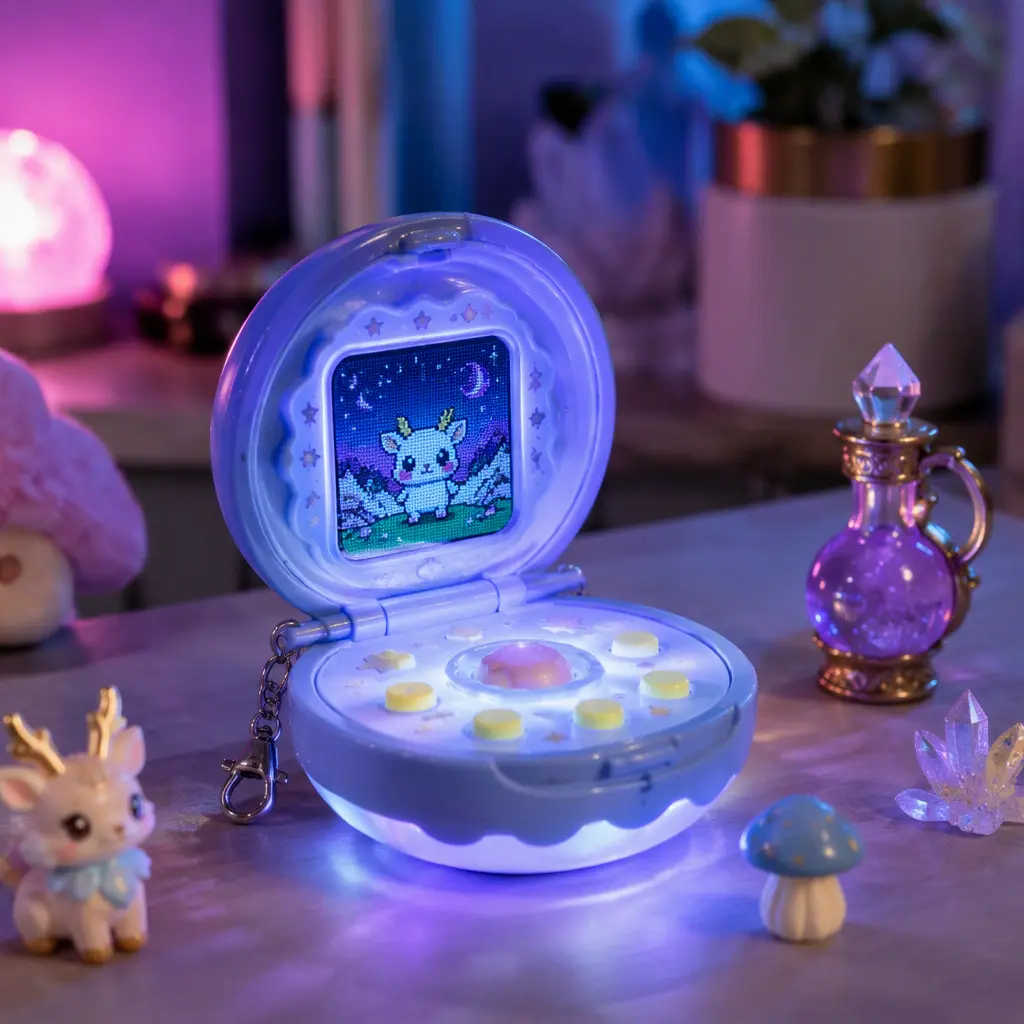
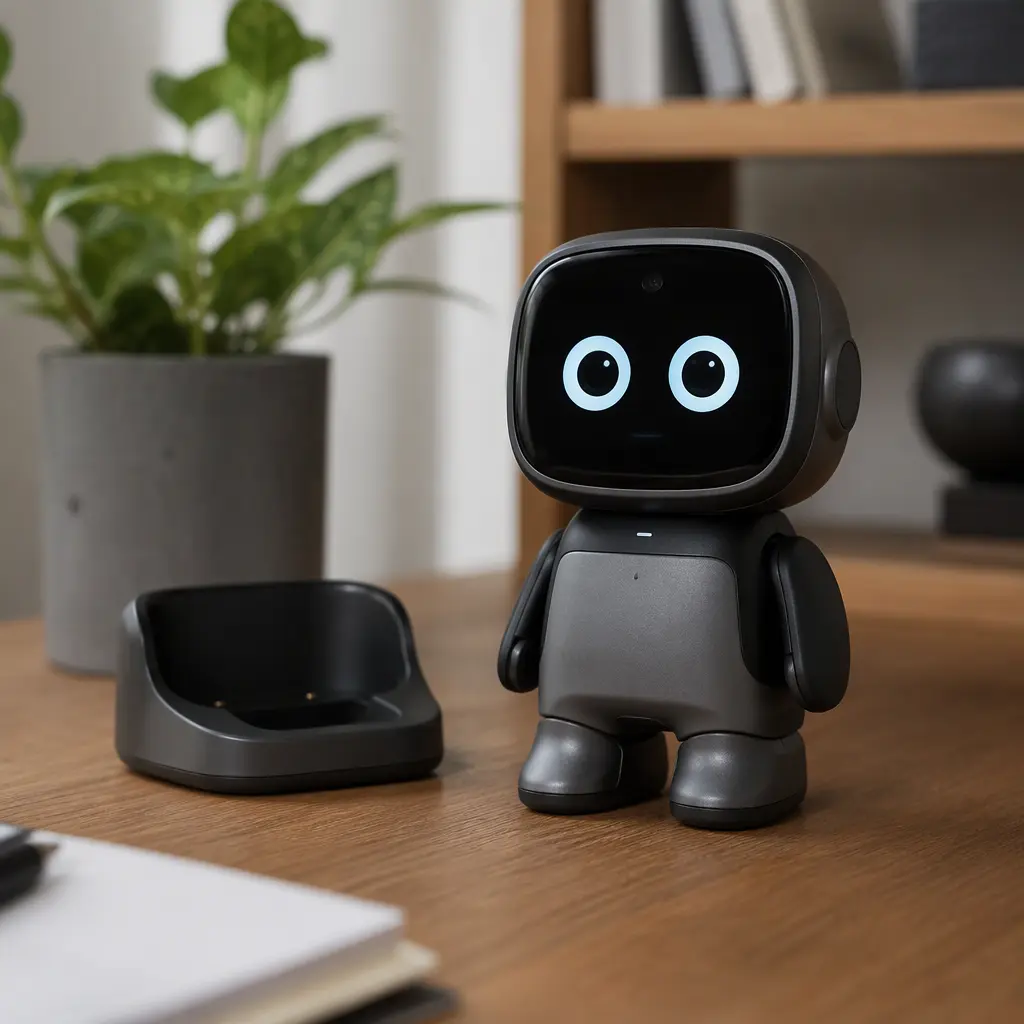
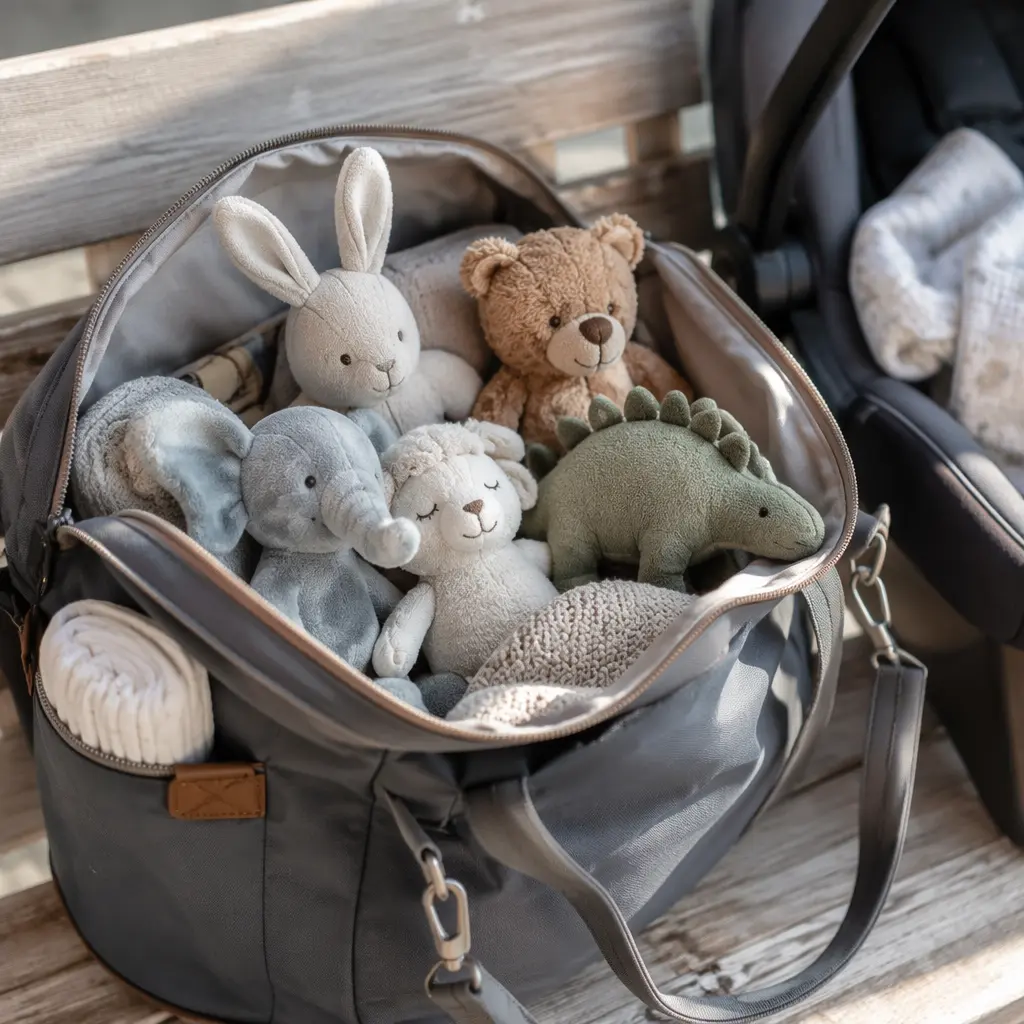
A practical guide to lightweight, washable plush toys for toddlers ages 1–2, with tips on portability, durability, cleaning, and comfort during travel, daycare, and everyday routines.
Plush & Soft Toys · 3–5 years
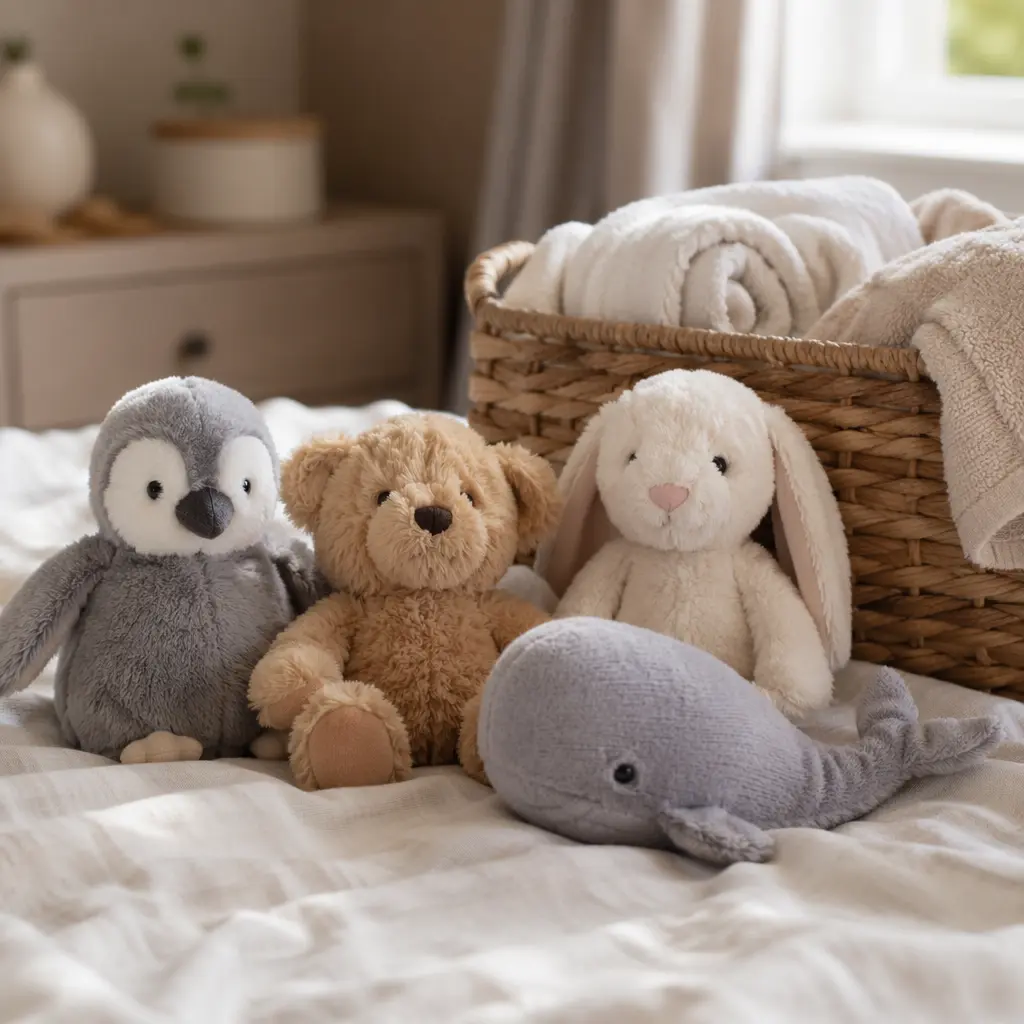
A parent-friendly guide to washable plush toys for children with allergies, including fabric choices, filling types, cleaning durability, and age-appropriate features for ages 3–5.
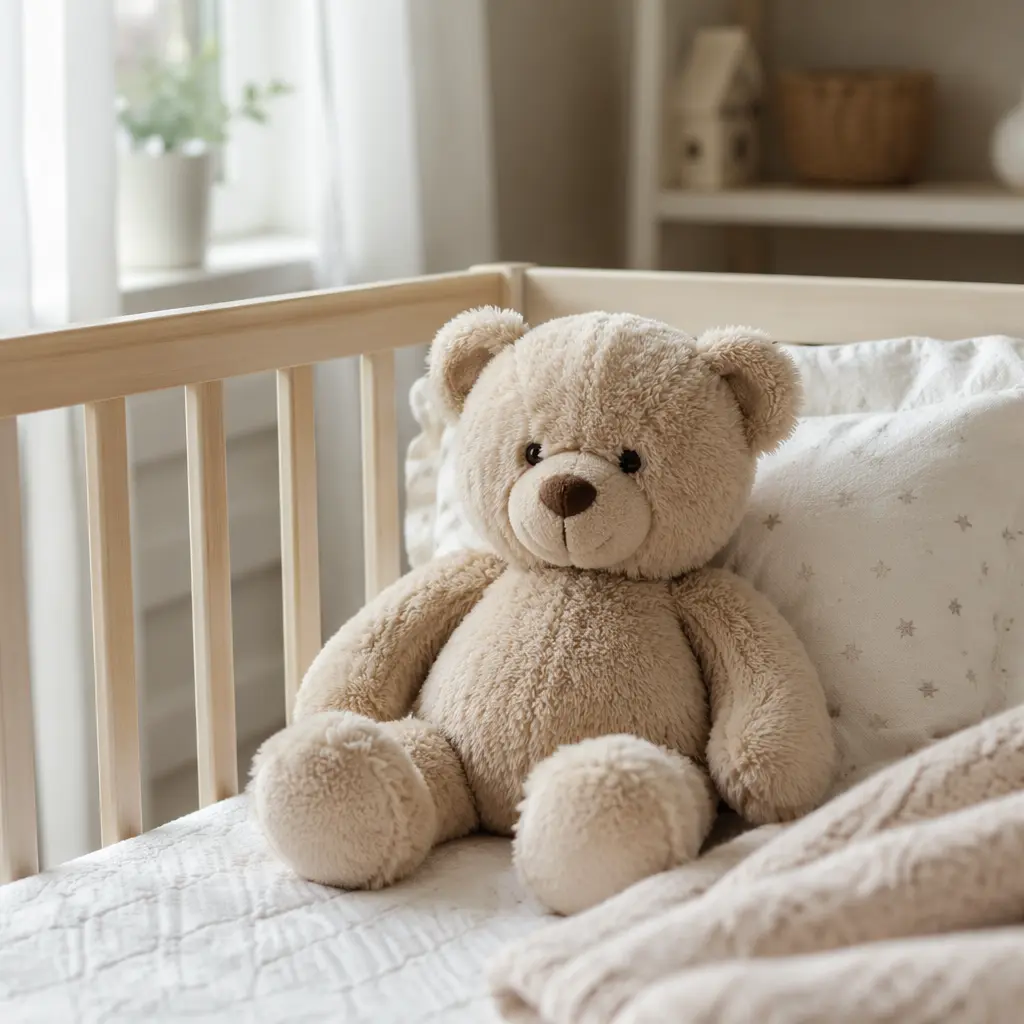
Plush & Soft Toys · 0–12 months
A parent-focused guide to classic plush toys that comfort babies without lights or sounds. Learn what to look for, age suitability, and safe, soothing types for newborns and young infants.
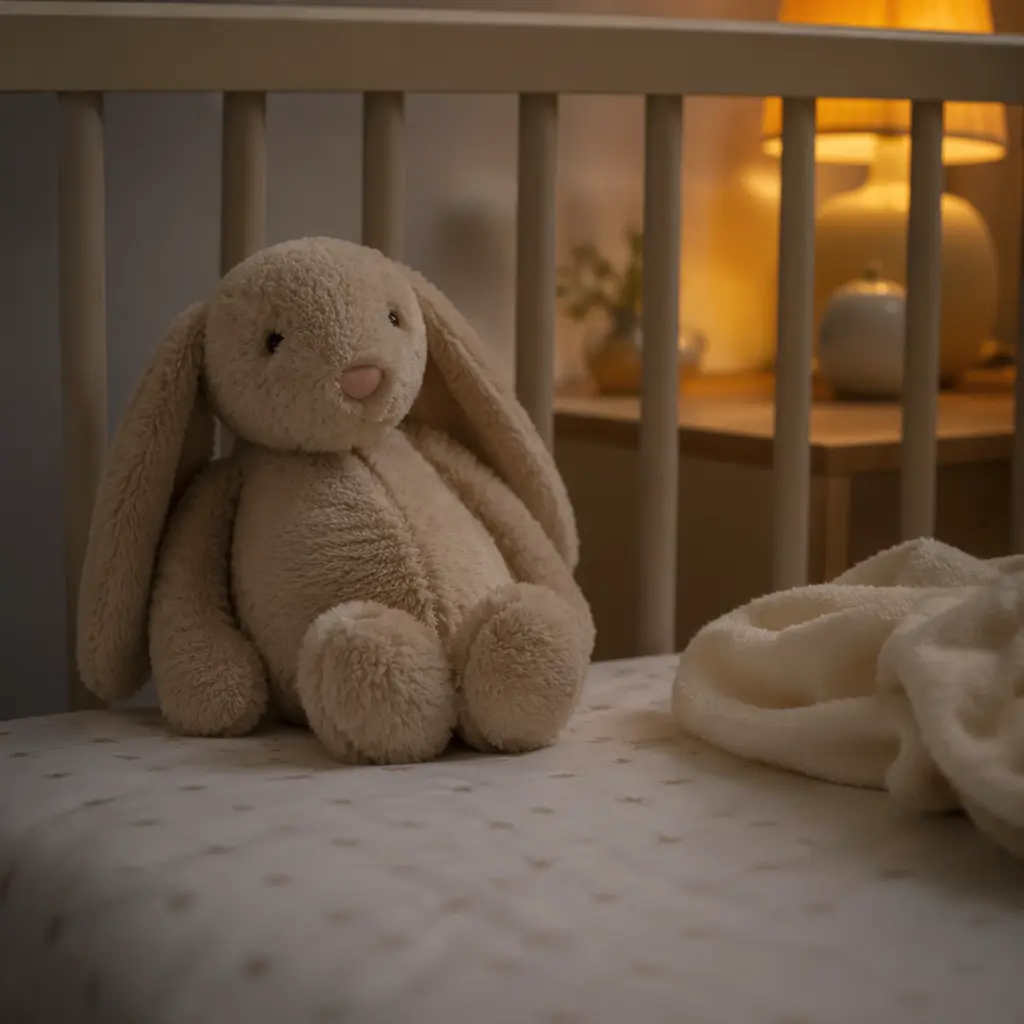
Plush & Soft Toys · 1–2 years
Electronic plush toys can comfort or excite. Learn how sounds, lights, and interactivity affect sleep for 1–2 year olds, plus practical tips to choose calming options and set bedtime-friendly routines.
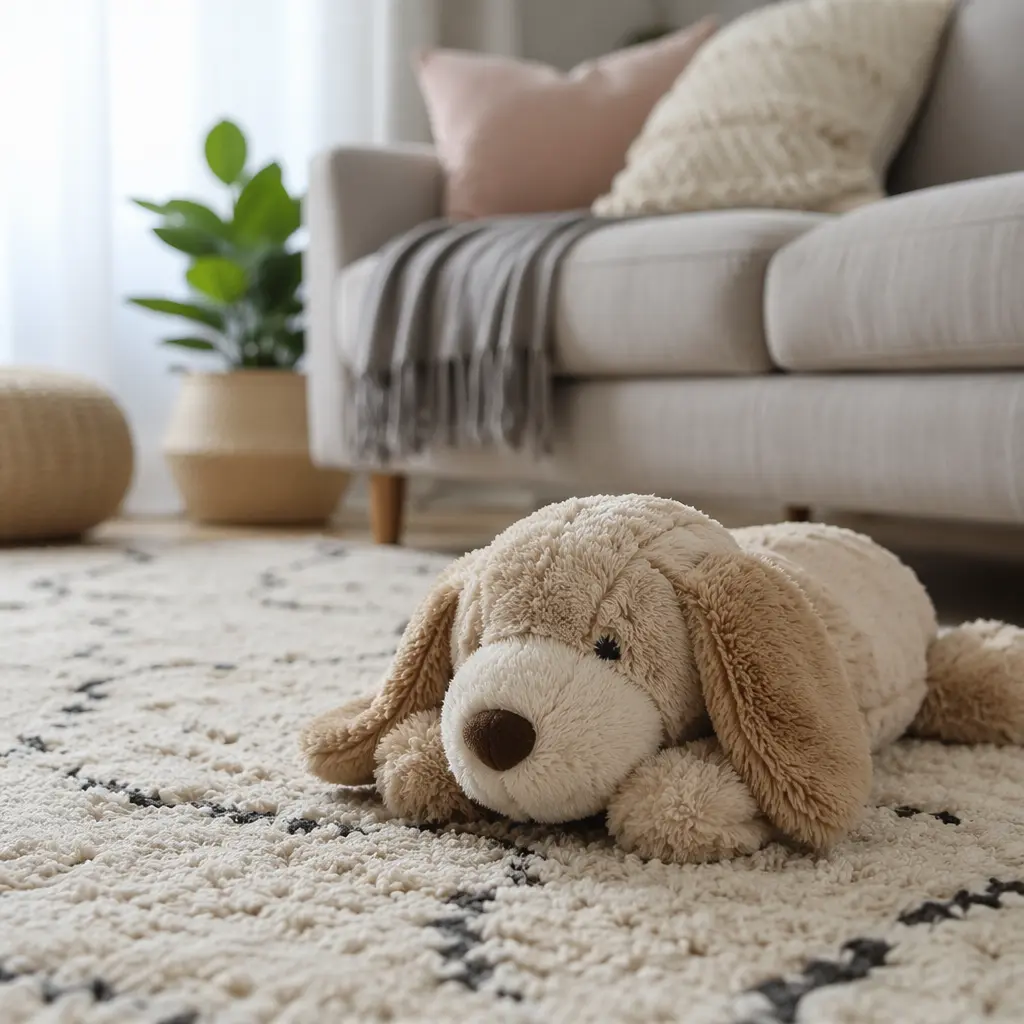
Plush & Soft Toys · 3–5 years
A parent-focused guide to plush toys that help kids calm down. Learn what textures, weight, and durability matter most for ages 3–5, without gimmicks or brand hype.
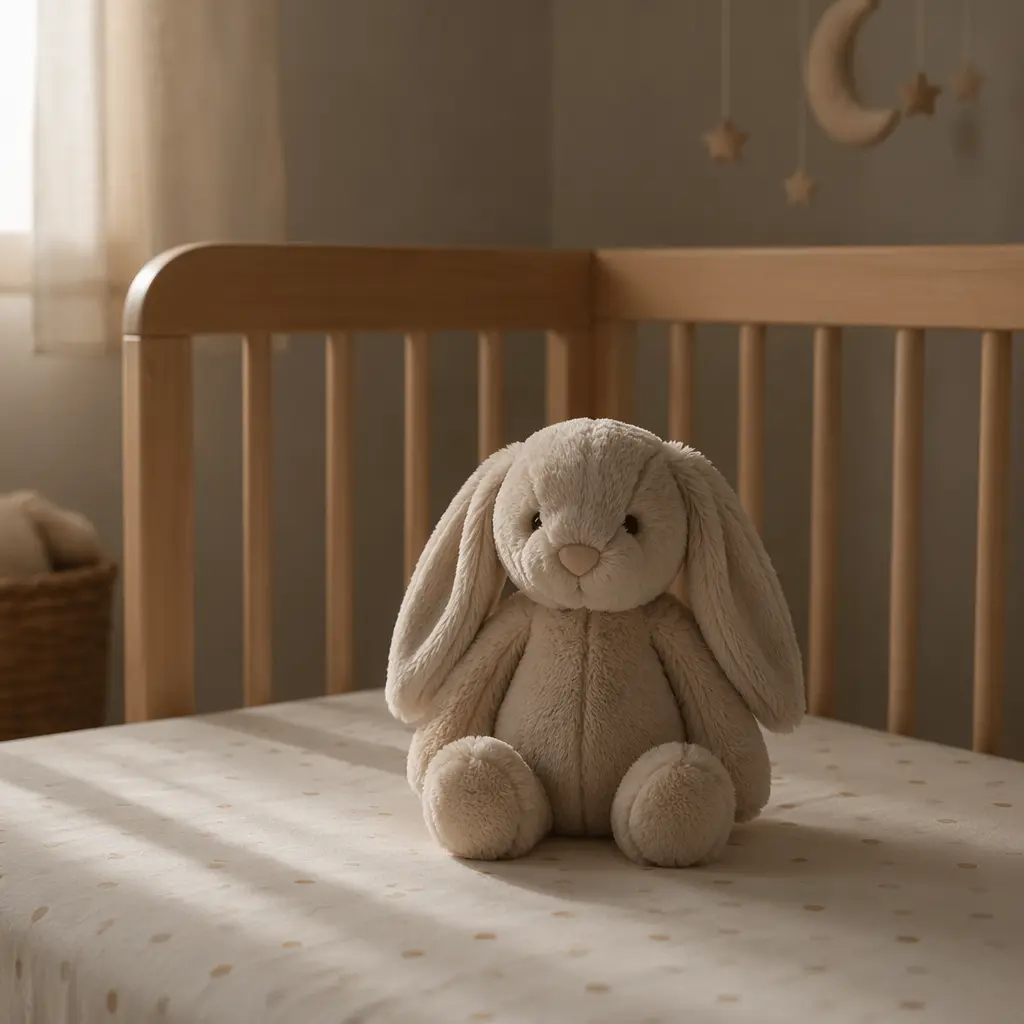
Plush & Soft Toys · 0–12 months
A safety- and sleep-focused guide for parents of infants, explaining how sounds, lights, and timing affect bedtime and what to look for in calming plush toys.

Plush & Soft Toys
A practical, parent-friendly guide to cooling and heating plush toys—how they work, when they help, age considerations, and safety tips to decide if they fit your child’s needs.
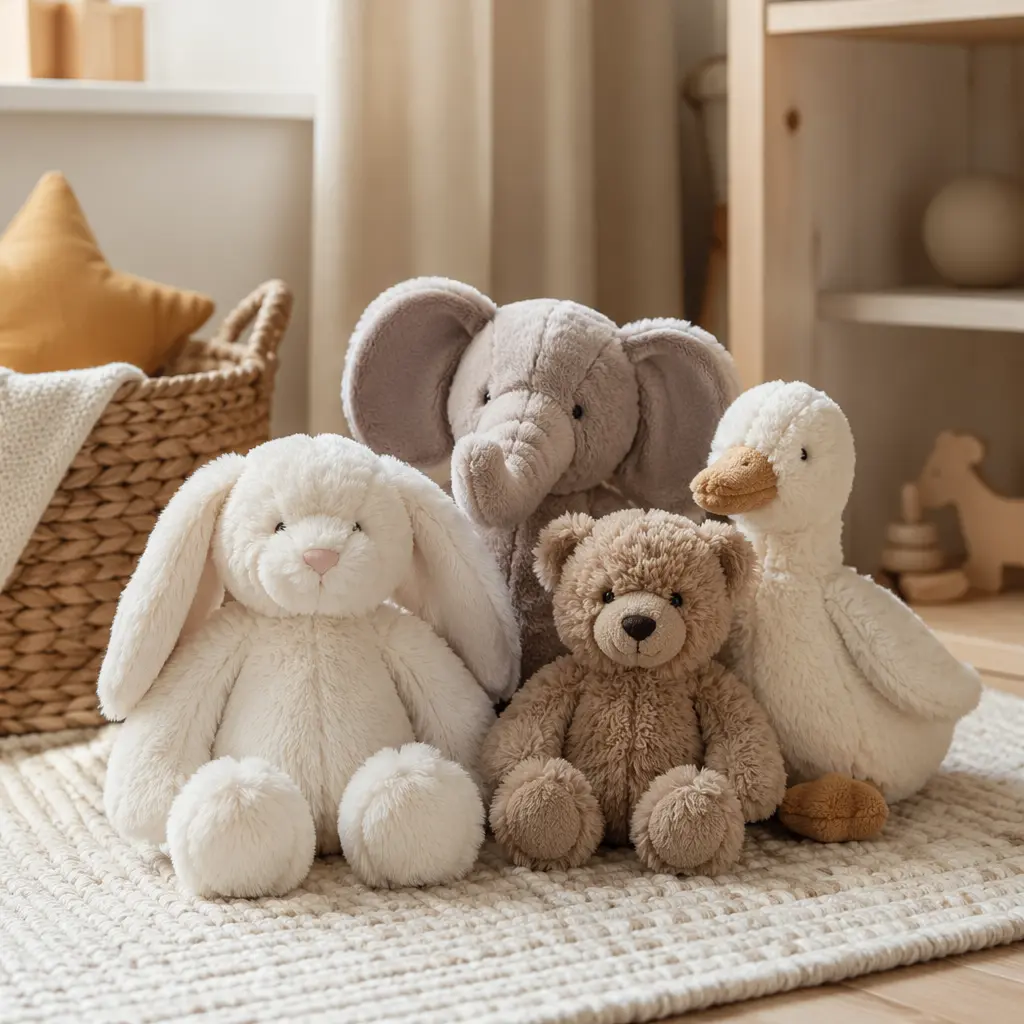
Plush & Soft Toys · 3–5 years
A parent-first guide to choosing no-battery plush toys that help young kids slow down, self-soothe, and regulate big feelings—without noise, screens, or flashing lights.

Plush & Soft Toys · 3–5 years
A parent-focused guide to plush toys that support calm bedtime routines, covering softness, size, and design features that encourage relaxation for kids ages 3–5.
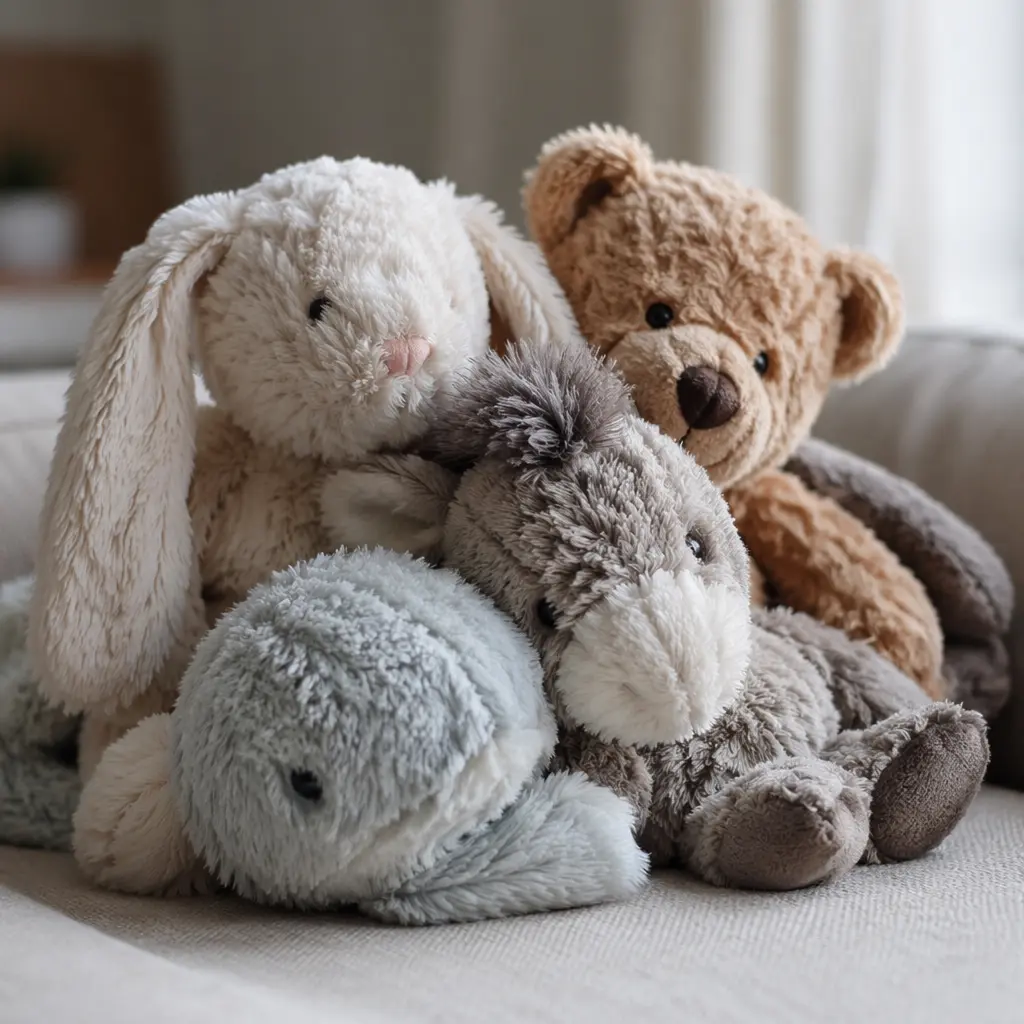
Plush & Soft Toys
A buyer-focused guide for parents on choosing plush toys that hold their softness over time, with clear tips on materials, stitching, and care that help favorites survive years of washing.
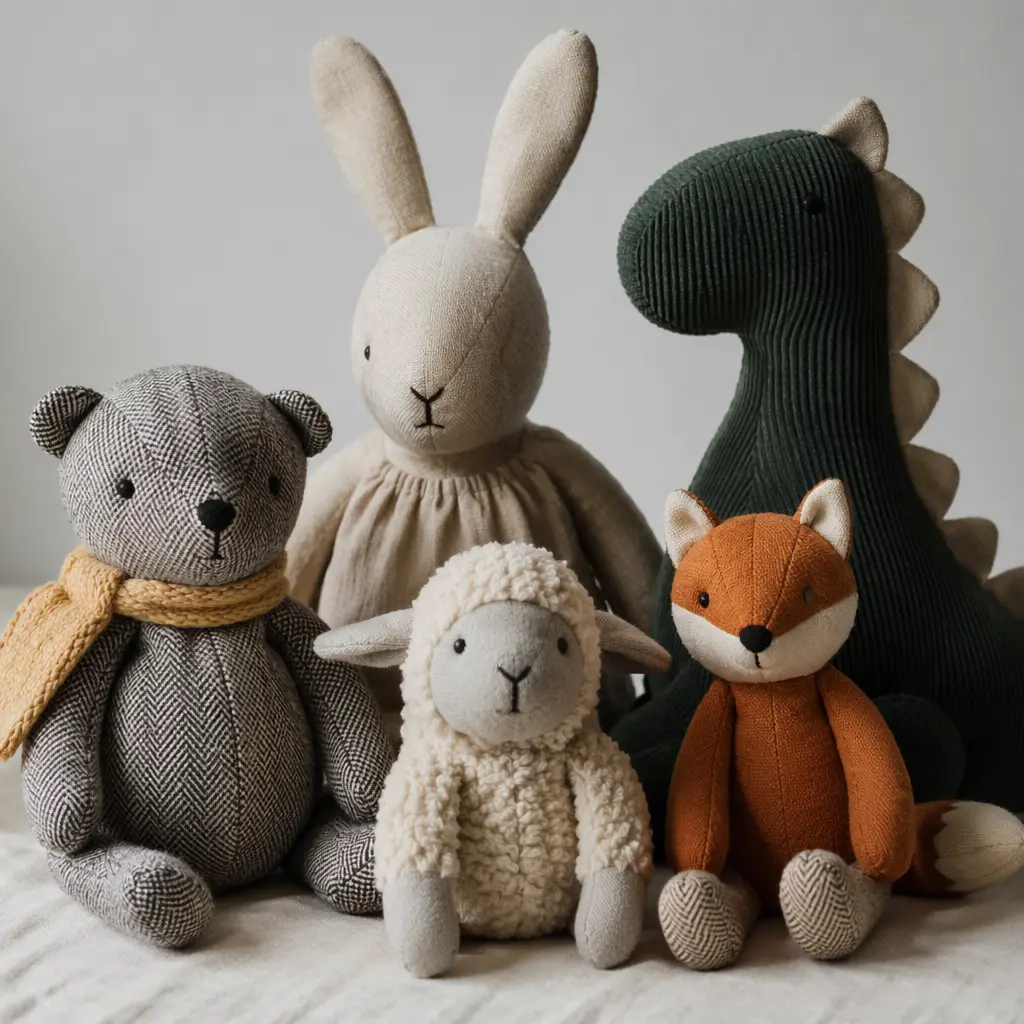
Plush & Soft Toys
A durability-first guide to plush toys that survive frequent washing. Learn which materials, construction details, and care features help stuffed toys stay soft, safe, and intact over time.
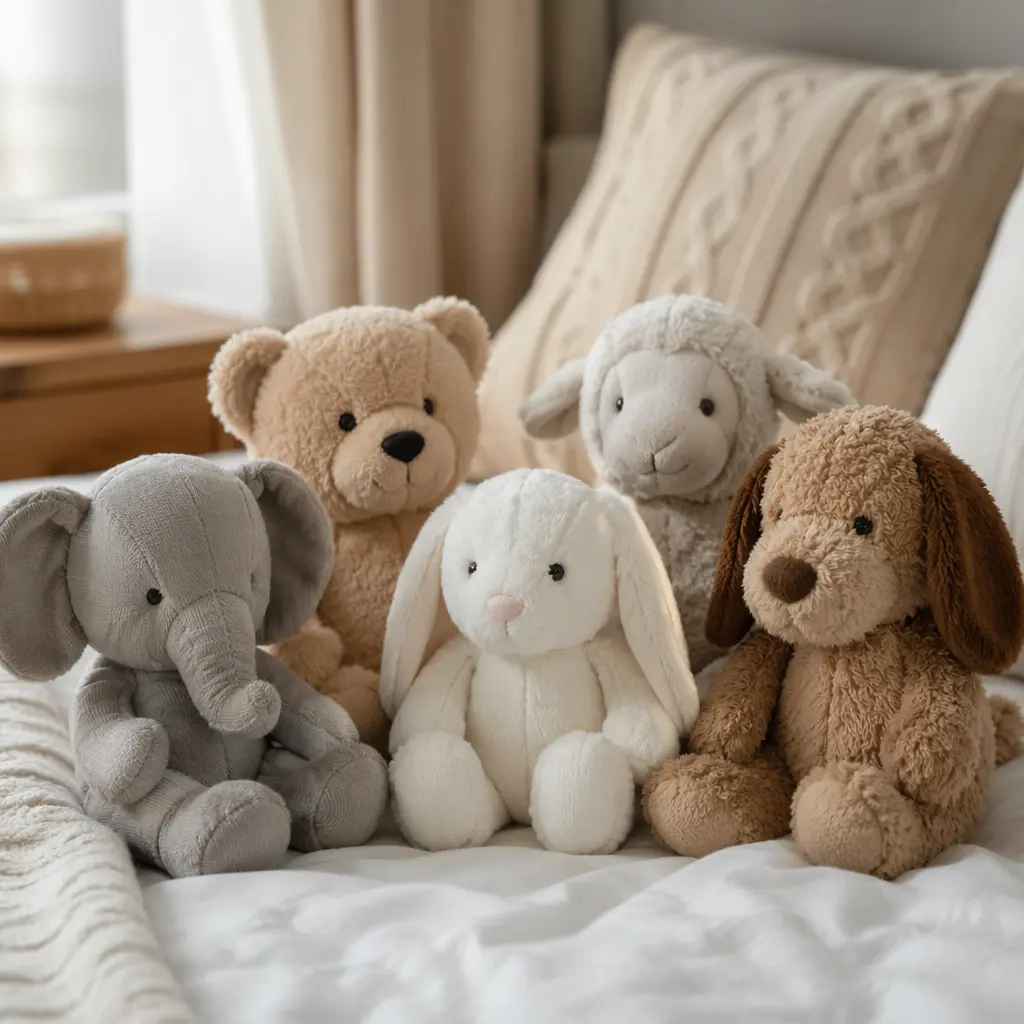
Plush & Soft Toys · 6–8 years
A parent-focused guide to choosing plush toys for kids with sensory sensitivities, explaining why texture, weight, and simple design often matter more than extra features.
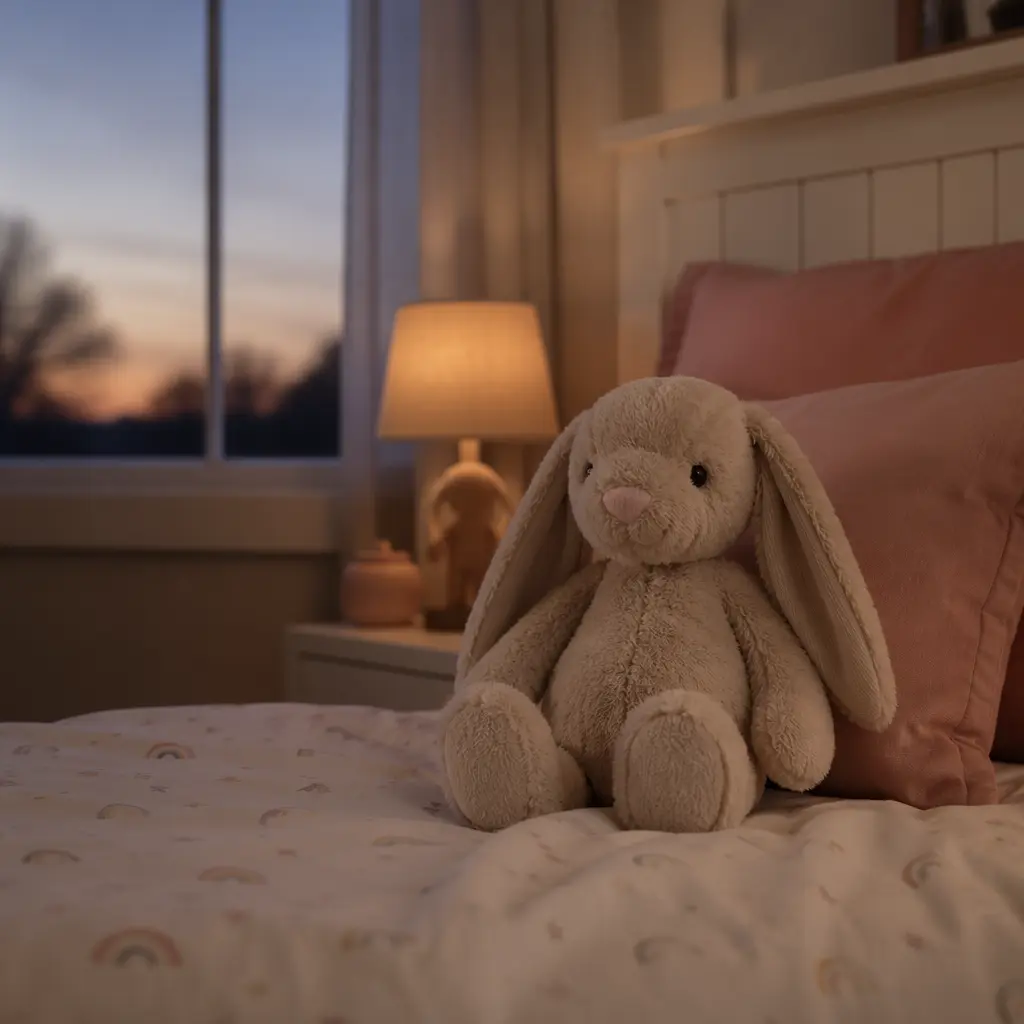
Plush & Soft Toys · 6–8 years
A parent-focused guide to calming plush toys for bedtime. Learn which features support sleep and self-soothing for kids ages 6–8—without lights, noise, or overstimulation.
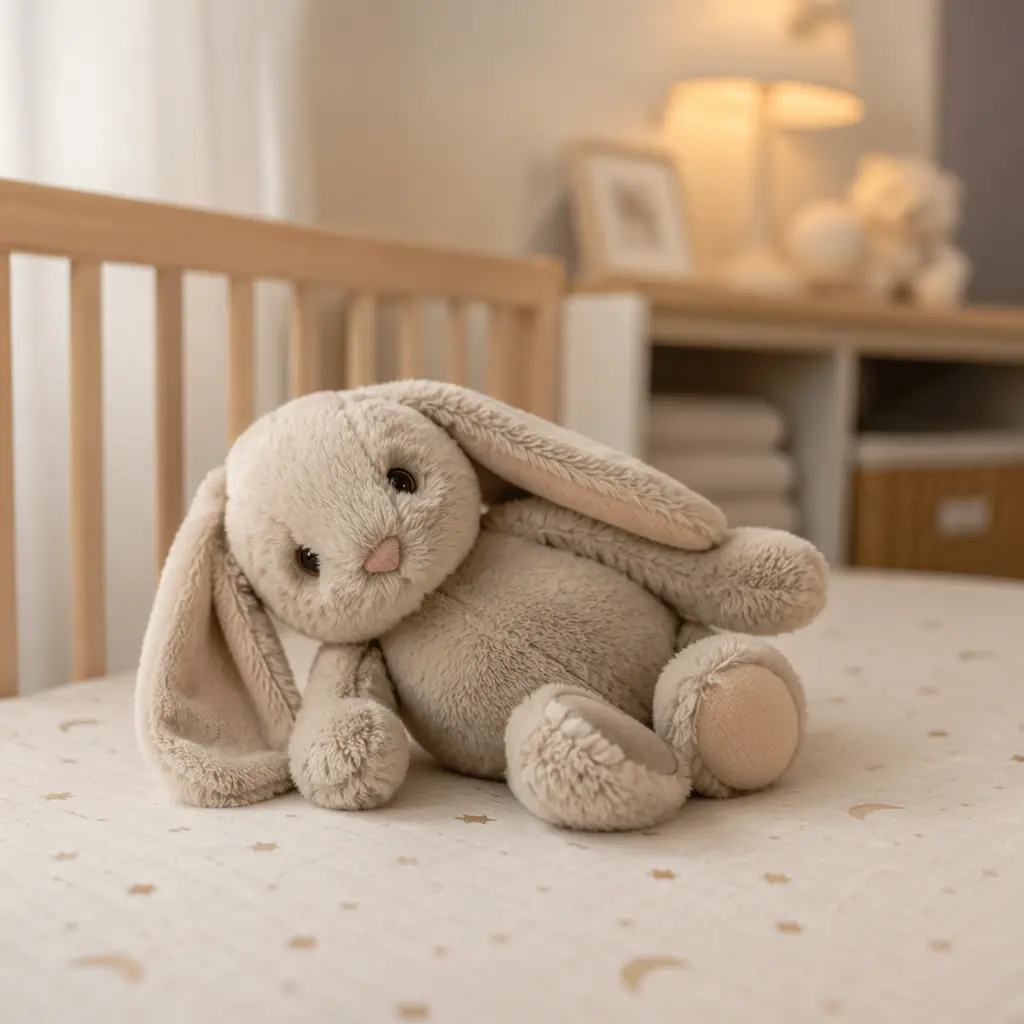
Plush & Soft Toys · 1–2 years
Electronic plush toys promise calmer bedtimes, but lights and sounds can also stimulate young brains. This guide helps parents weigh soothing features against sleep disruption for ages 1–2.
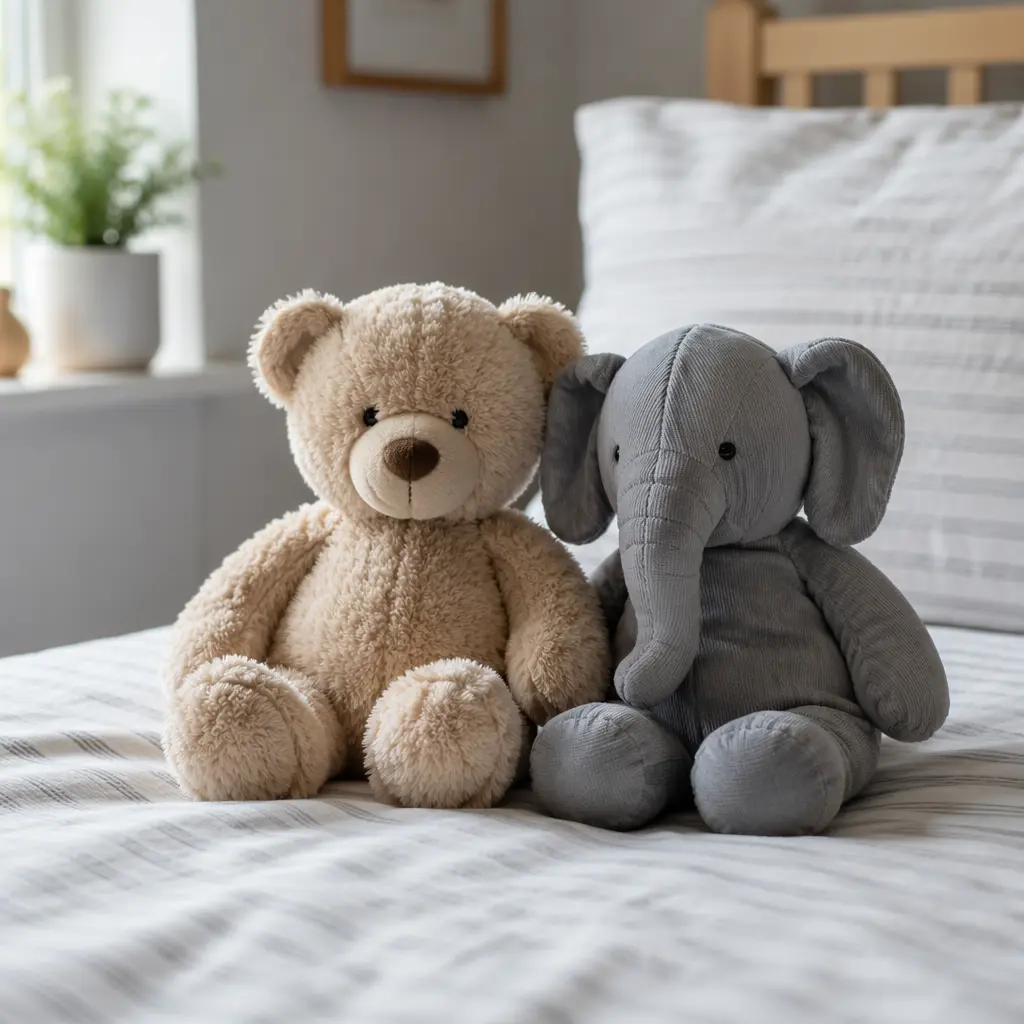
Plush & Soft Toys · 6–8 years
A parent-focused guide comparing classic plush toys and weighted plush options for calming kids ages 6–8, with practical tips on comfort, safety, and everyday use.
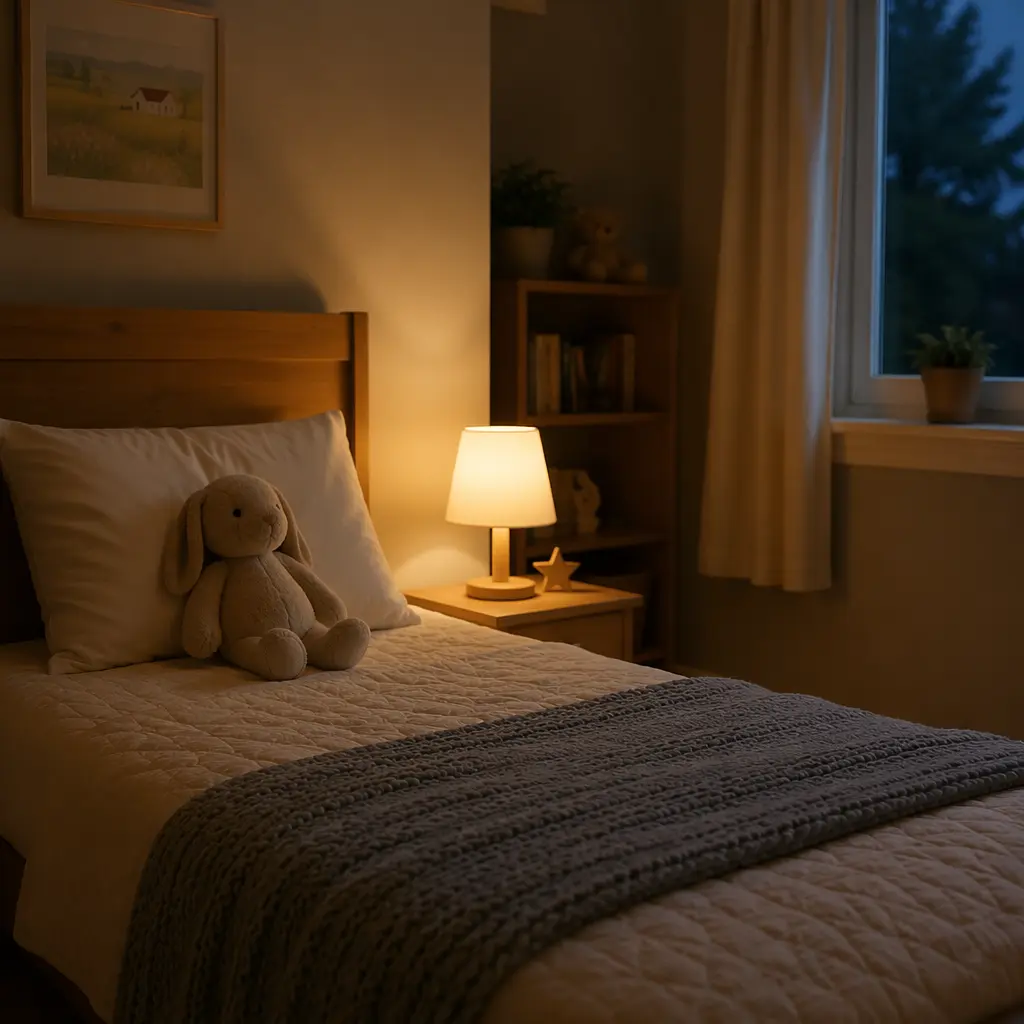
Plush & Soft Toys · 6–8 years
A practical guide for parents on plush toys that can support calmer bedtimes for kids ages 6–8, comparing weighted, textured, and simple designs and what to look for.
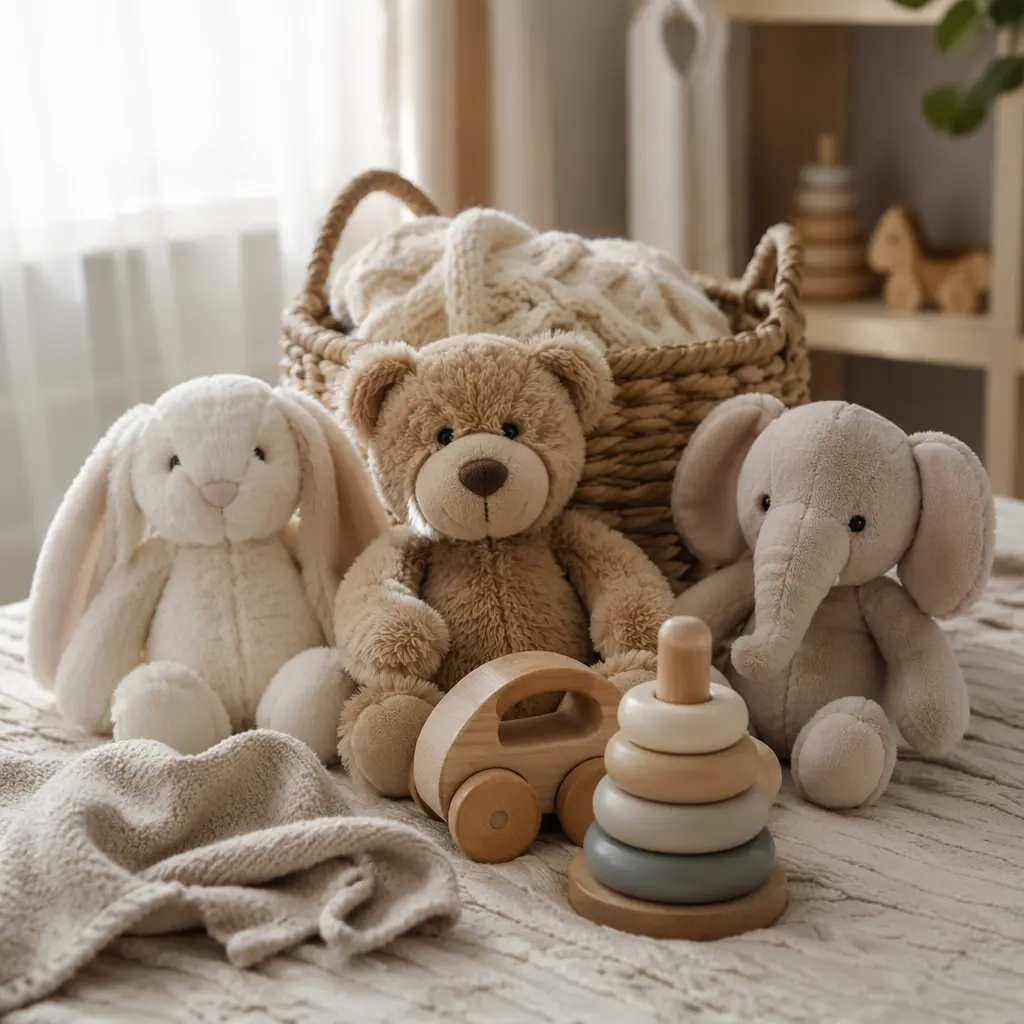
Plush & Soft Toys · 0–12 months
A parent-focused guide to simple plush toys that support soothing for babies 0–12 months, with practical tips on materials, safety, and age-appropriate features.

Plush & Soft Toys · 3–5 years
A parent-focused guide to choosing calming plush toys for ages 3–5. Learn what features matter for comfort, durability, and bedtime routines—without relying on electronics.
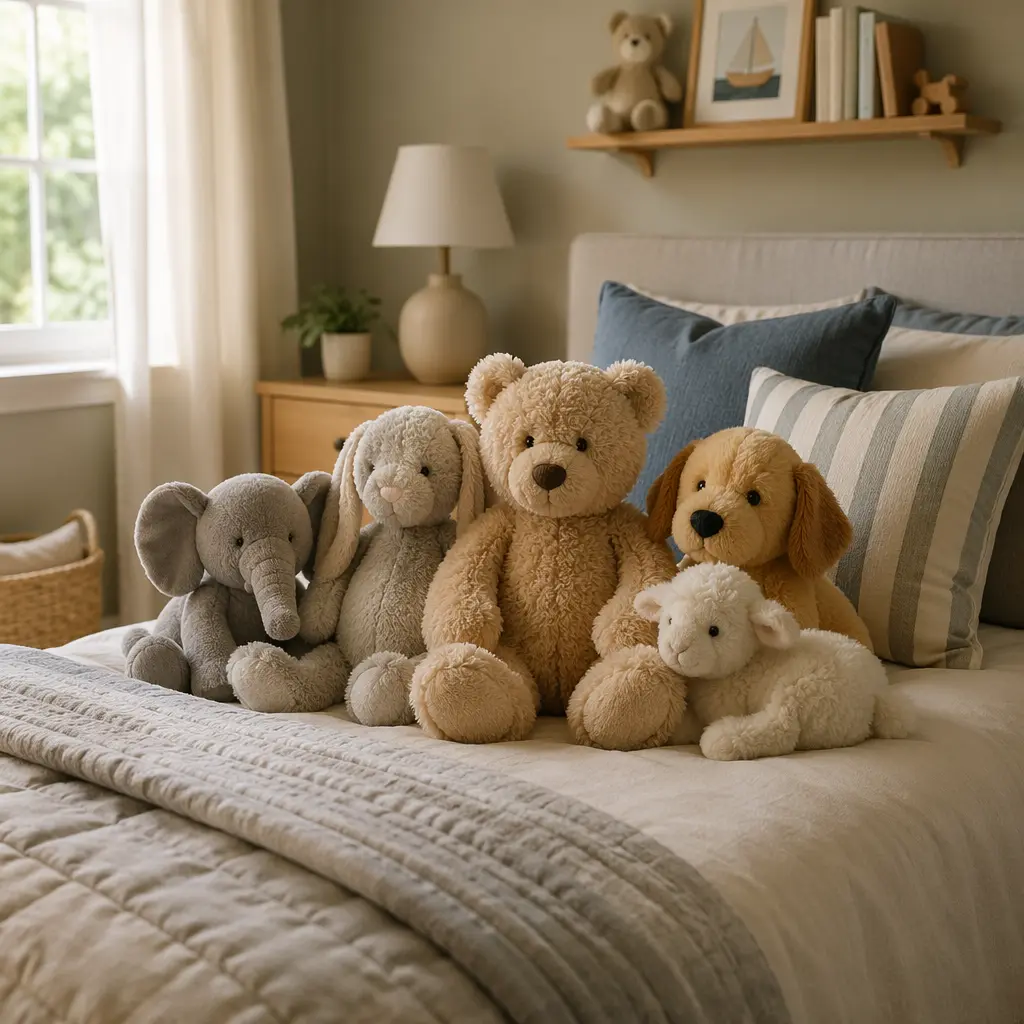
Plush & Soft Toys · 6–8 years
A parent-focused guide to classic plush toys that hold kids’ interest beyond early childhood, explaining why simple, durable designs often outlast trend-driven interactive options.
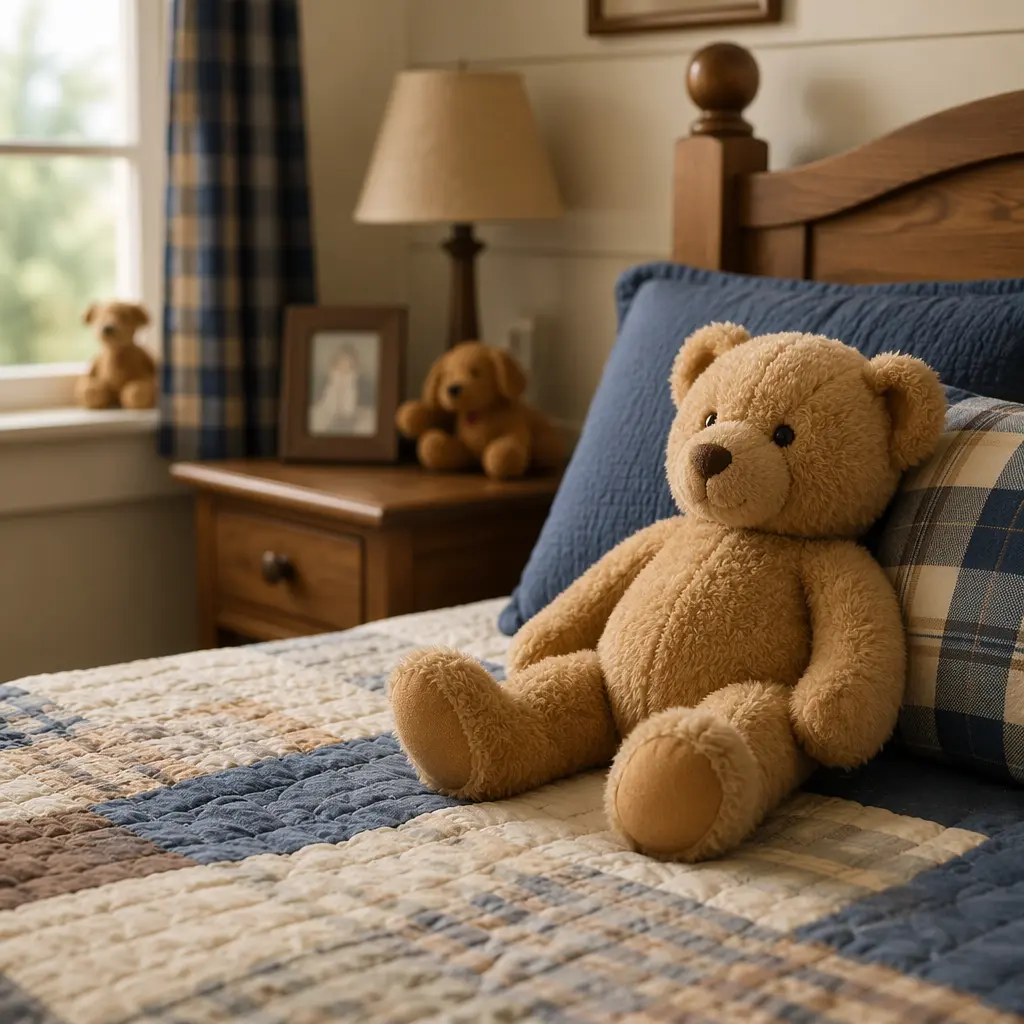
Plush & Soft Toys · 3–5 years
A parent-friendly guide to choosing classic plush toys that last beyond the preschool years, focusing on durability, comfort, and the emotional bonds children often keep as they grow.
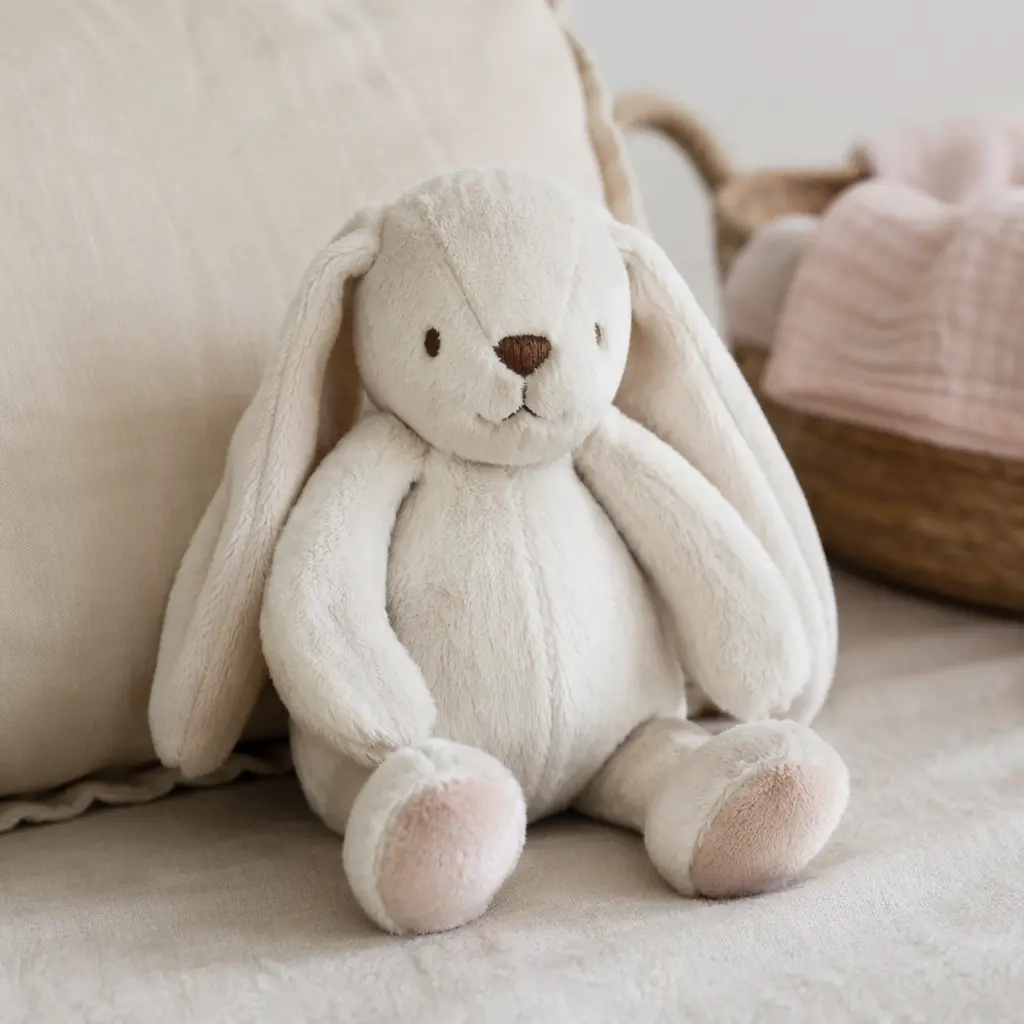
Plush & Soft Toys · 0–12 months
A safety-first guide to choosing simple, no-battery plush toys that support calming routines for babies 0–12 months, with tips on materials, size, and age suitability.
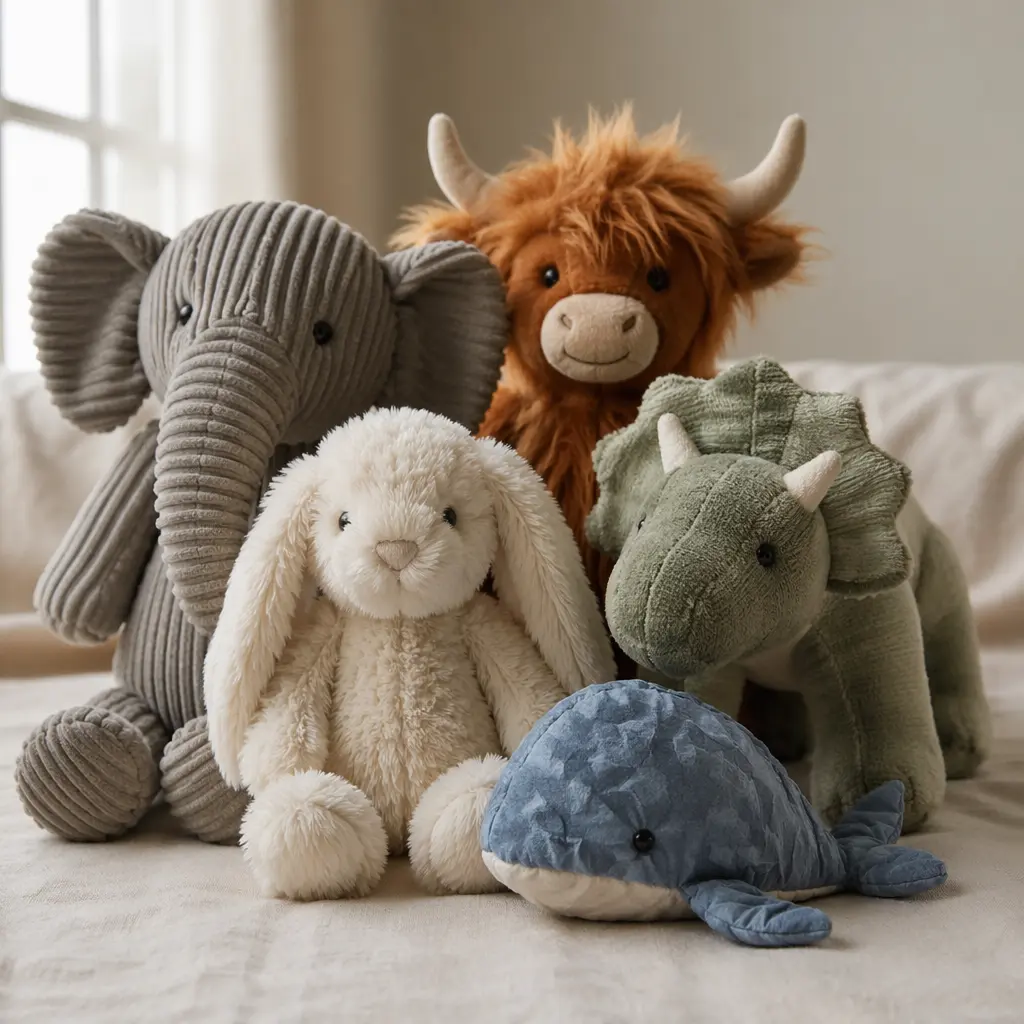
Plush & Soft Toys · 6–8 years
A buyer’s guide for parents shopping for plush toys that appeal to kids who avoid traditional stuffies. Focuses on textures, features, and play patterns that win over reluctant huggers ages 6–8.
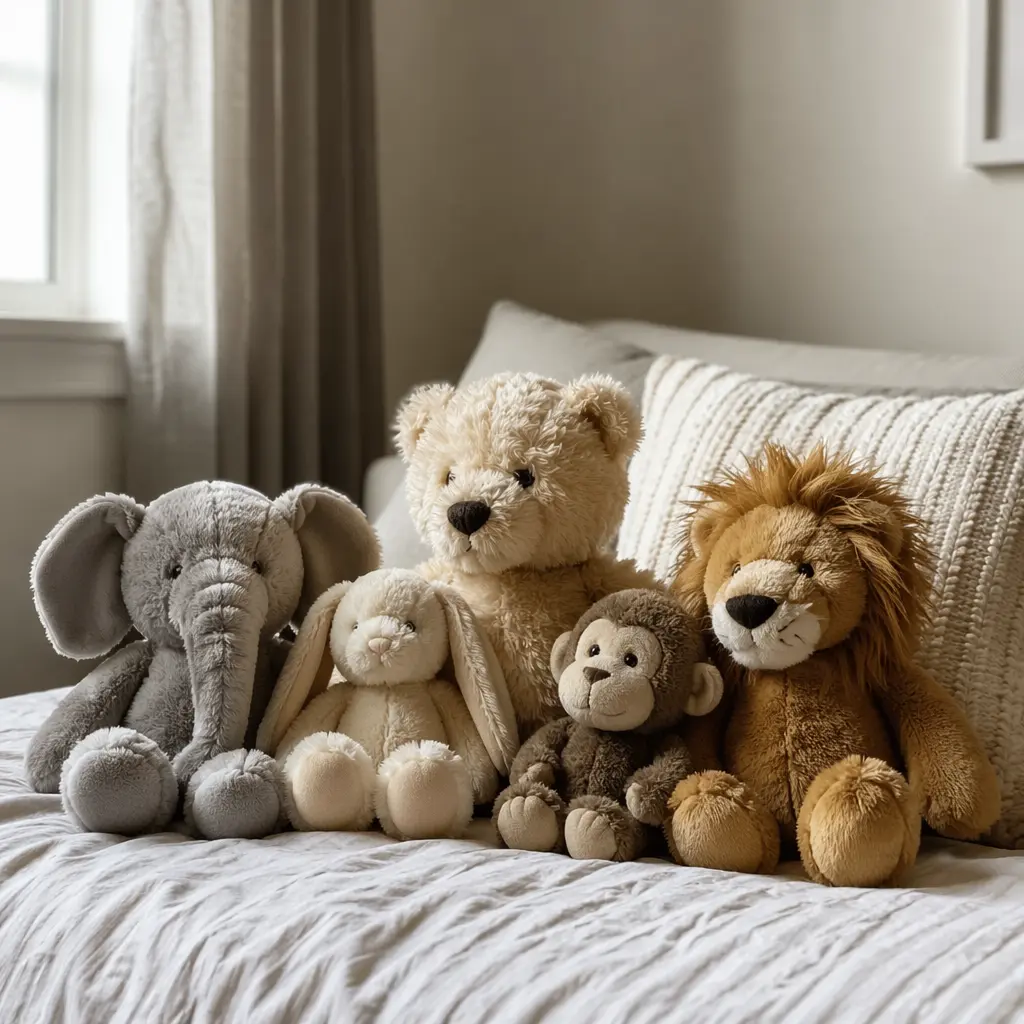
Plush & Soft Toys · 6–8 years
A buyer-focused guide explaining why classic, simple plush toys can stay appealing for kids ages 6–8, with tips on materials, durability, and choosing styles that grow with your child.
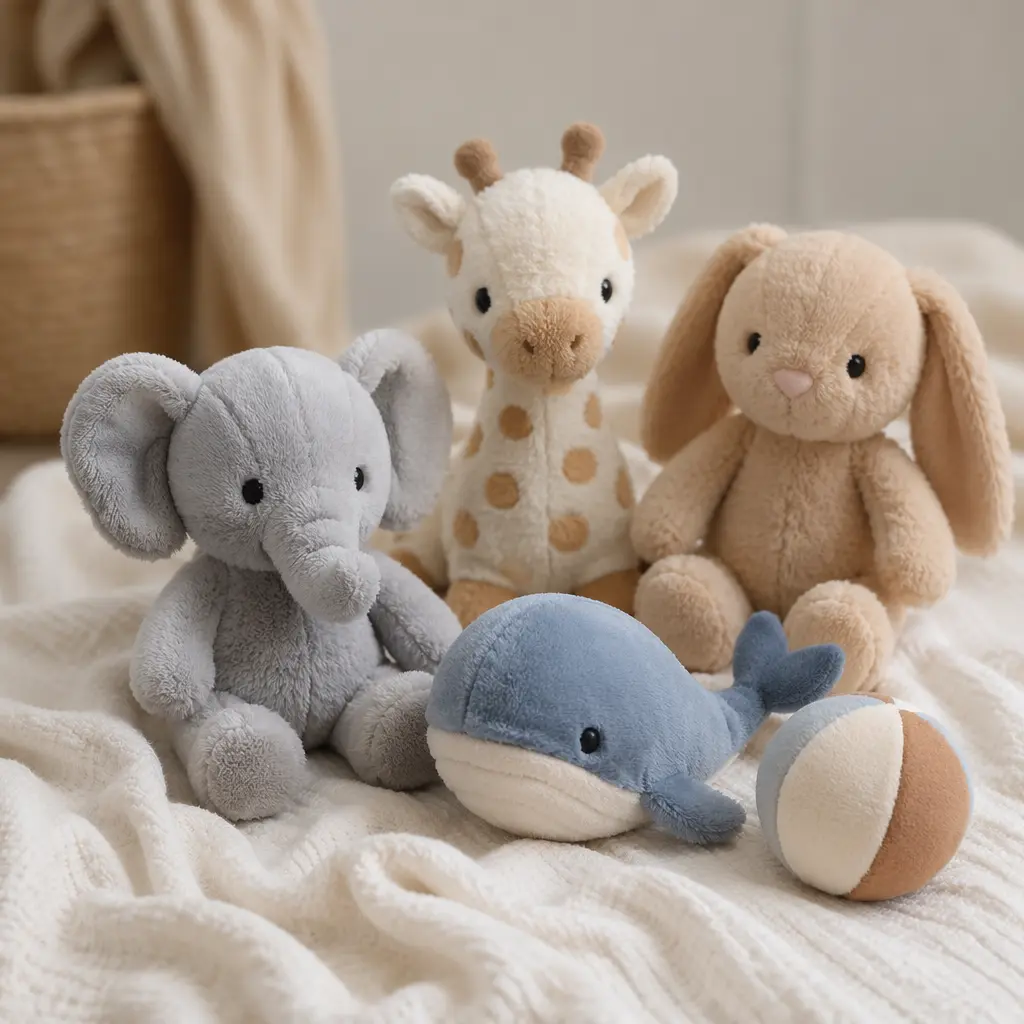
Plush & Soft Toys · 0–12 months
A parent-friendly guide to simple, no-battery plush toys for babies 0–12 months. Learn what features support comfort and early sensory play, how to choose safely, and which styles fit each stage.