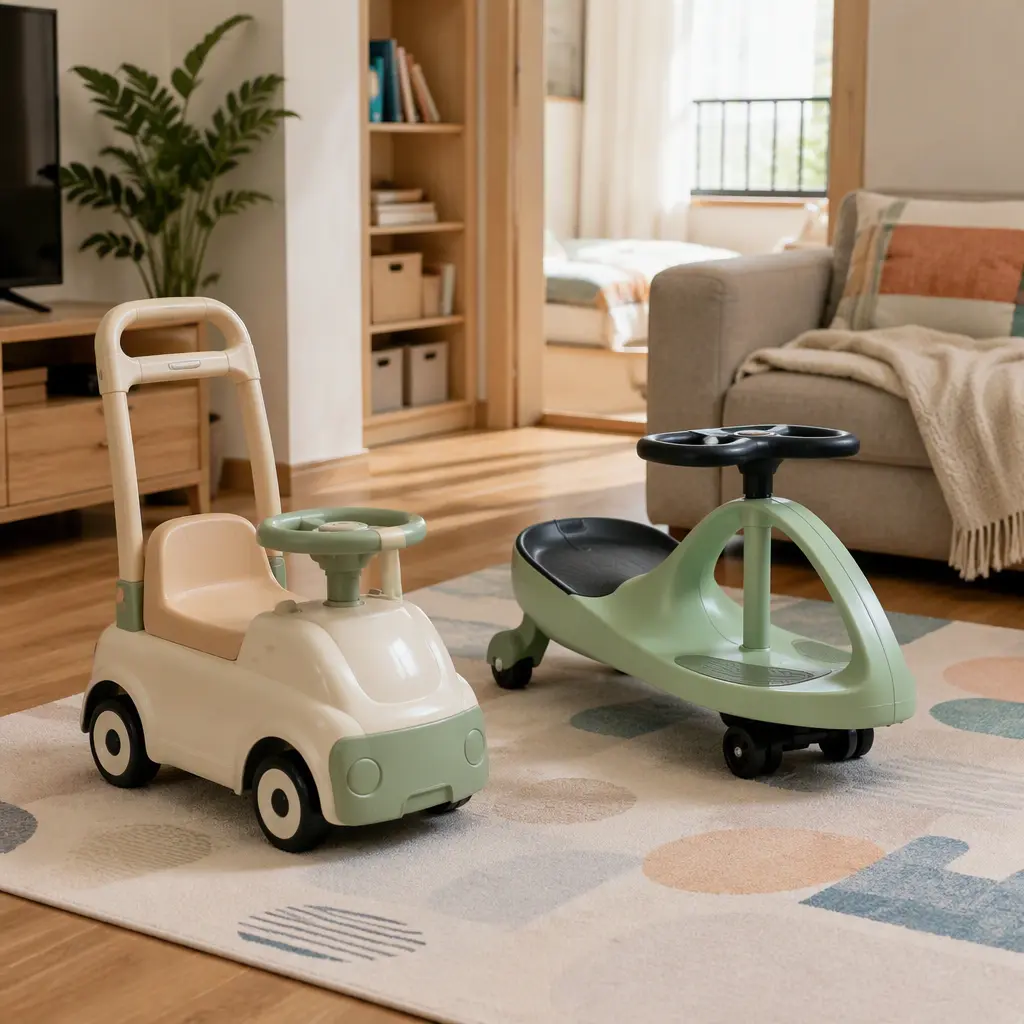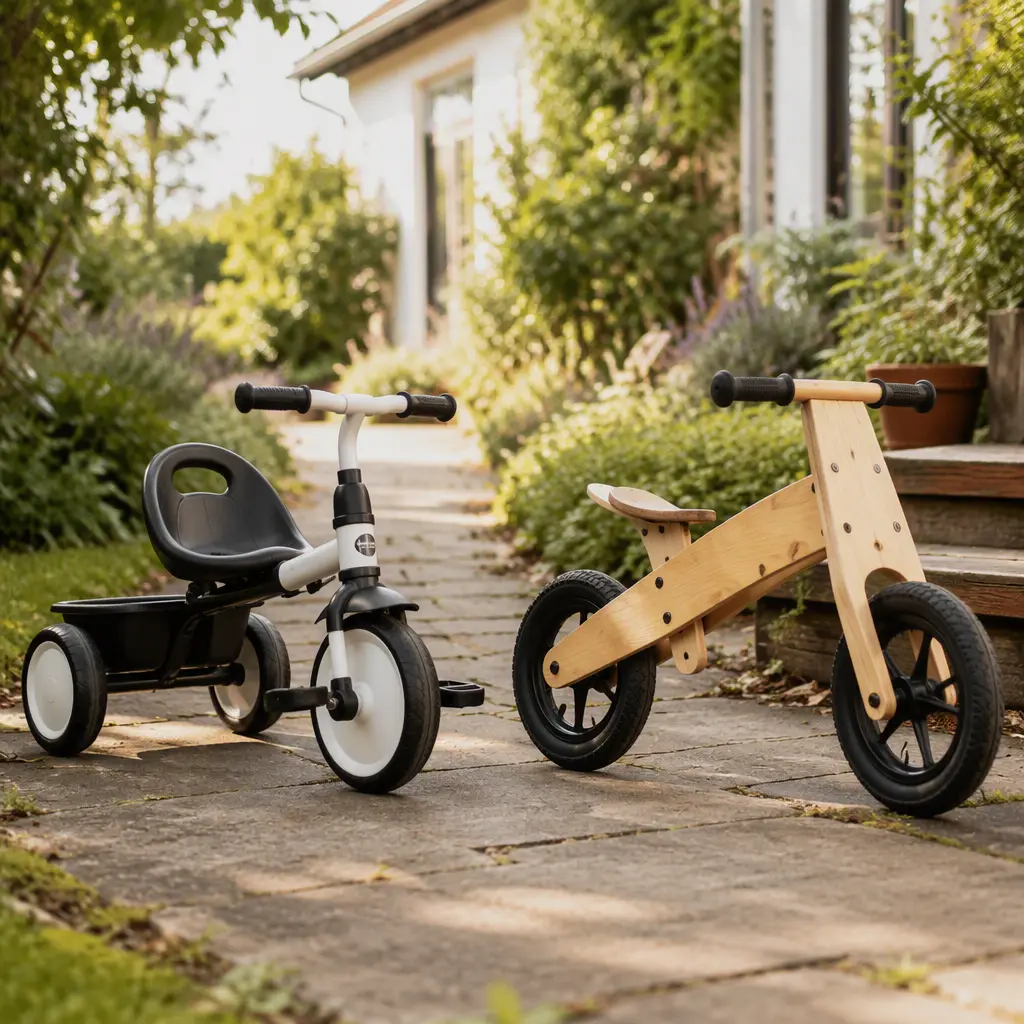
Ride-Ons · 1–2 years
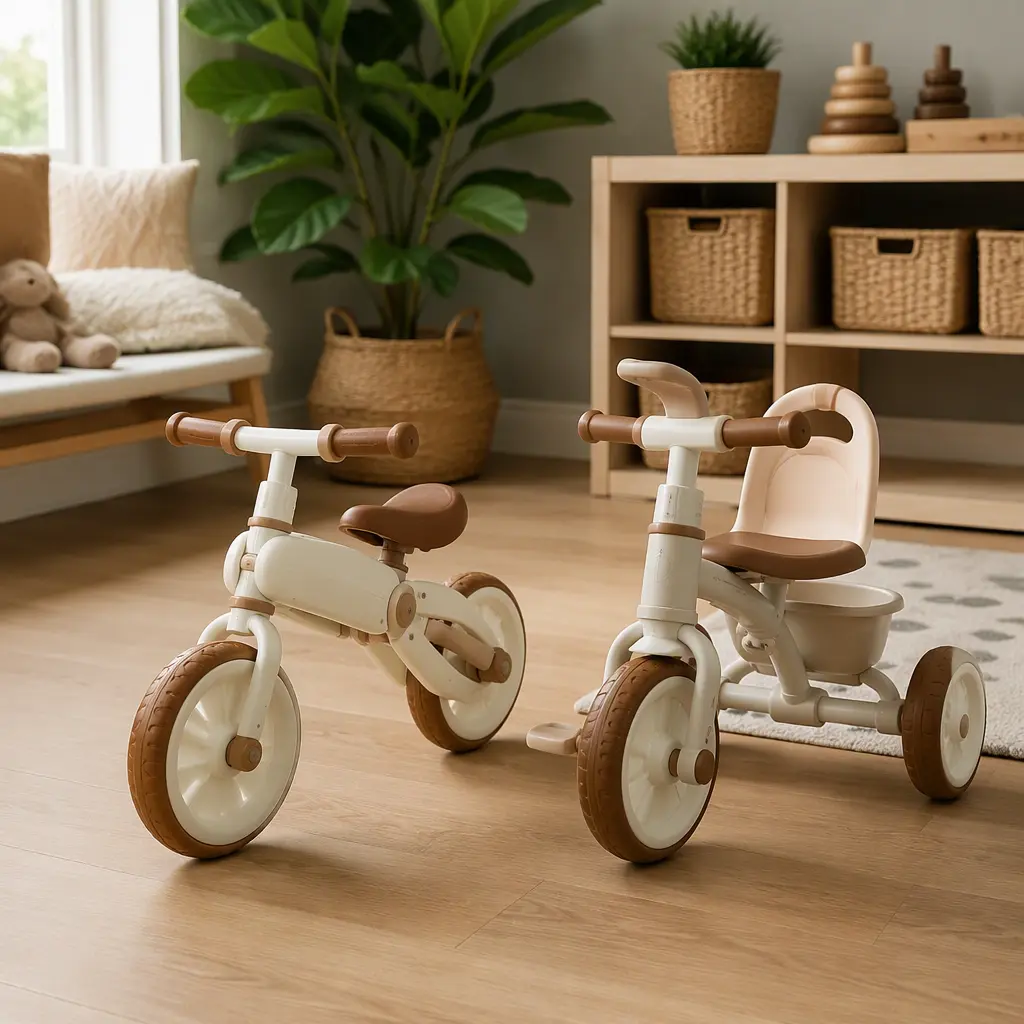
A parent-focused guide to choosing between push trikes and balance bikes for hesitant toddlers aged 1–2, with practical advice on confidence, safety, storage, noise and supervision.
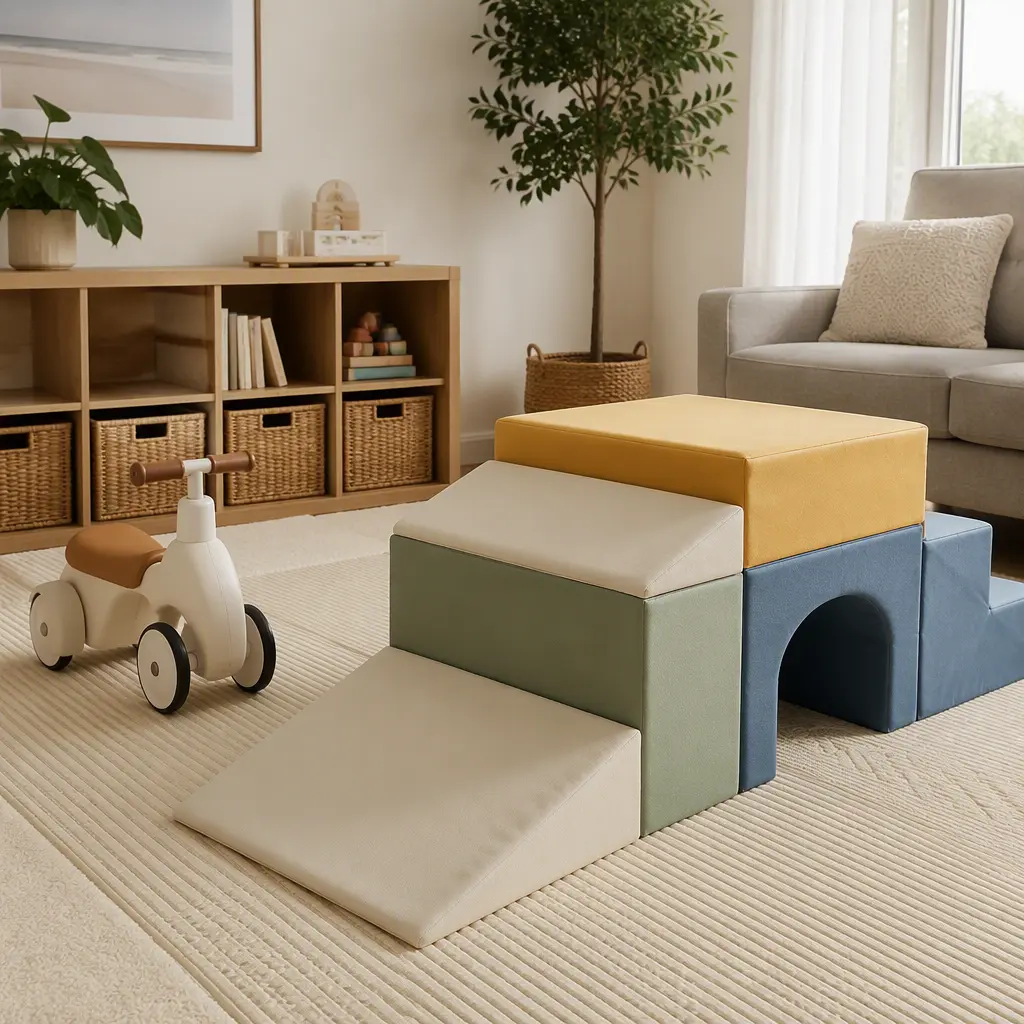
Ride-Ons · 1–2 years
Compare soft climbing blocks and ride-on toys for toddlers aged 1–2. Learn the trade-offs around supervision, noise, storage, durability and indoor play space before buying.
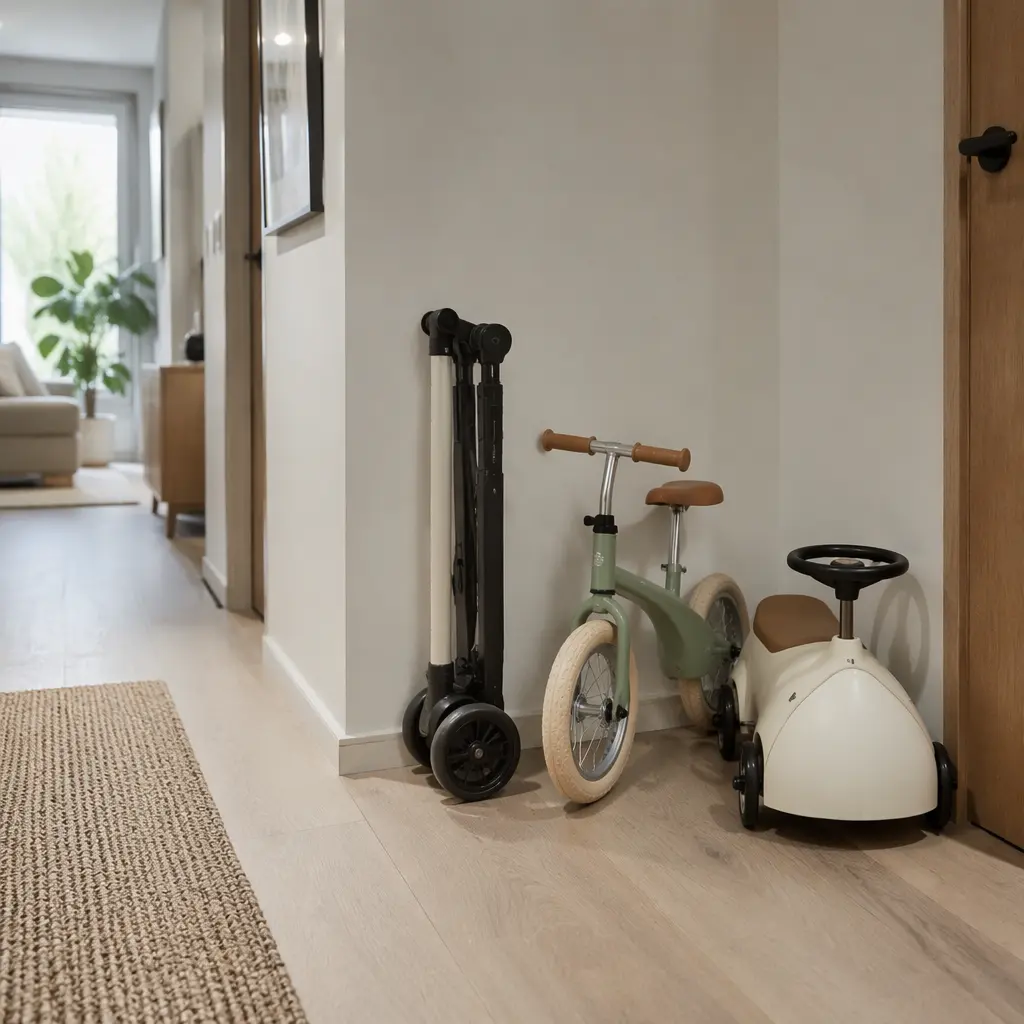
Ride-Ons · 3–5 years
A parent-focused guide to ride-on toys for small homes, comparing foldability, wall clearance, storage footprints, noise, and age suitability for children aged 3–5.
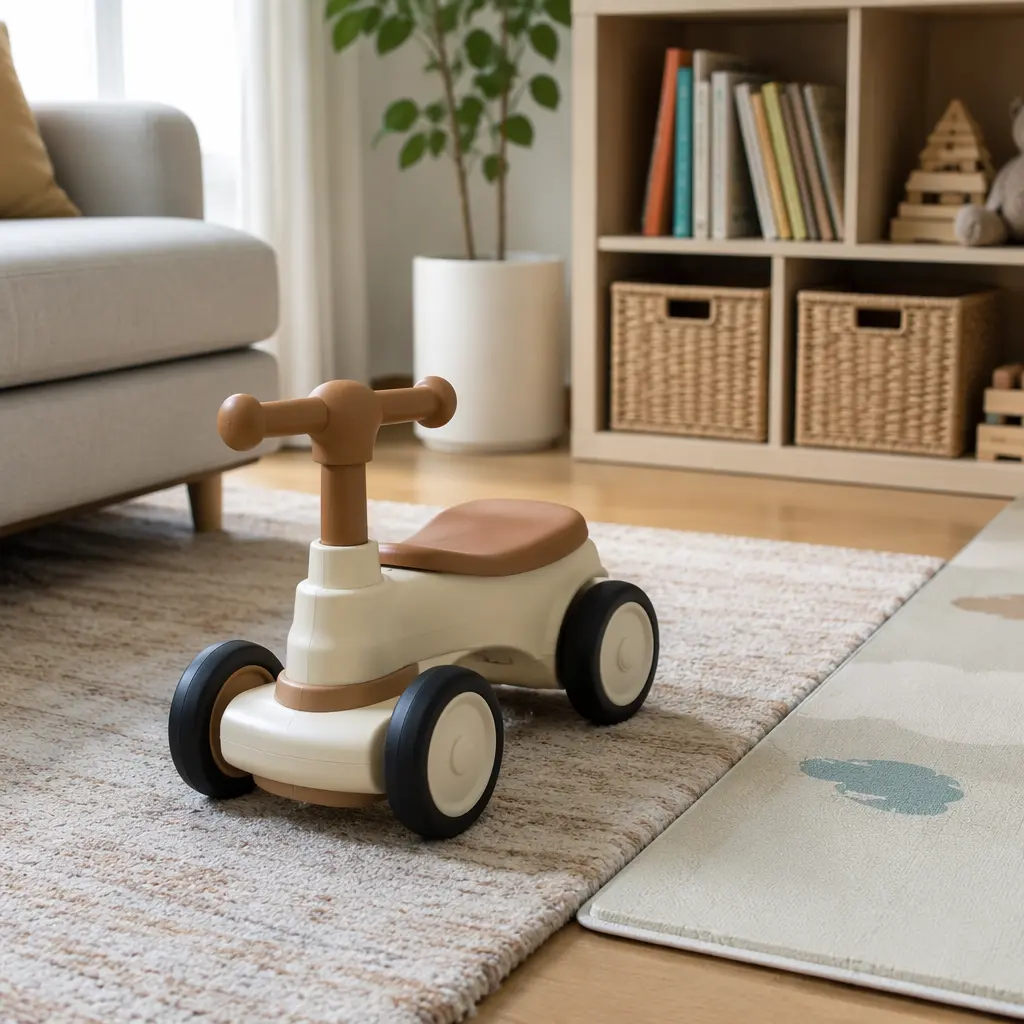
Ride-Ons · 1–2 years
A parent-focused guide to quiet indoor ride-ons for toddlers aged 1–2 years, covering wheel materials, floor protection, storage, supervision and noise-friendly play in apartments.
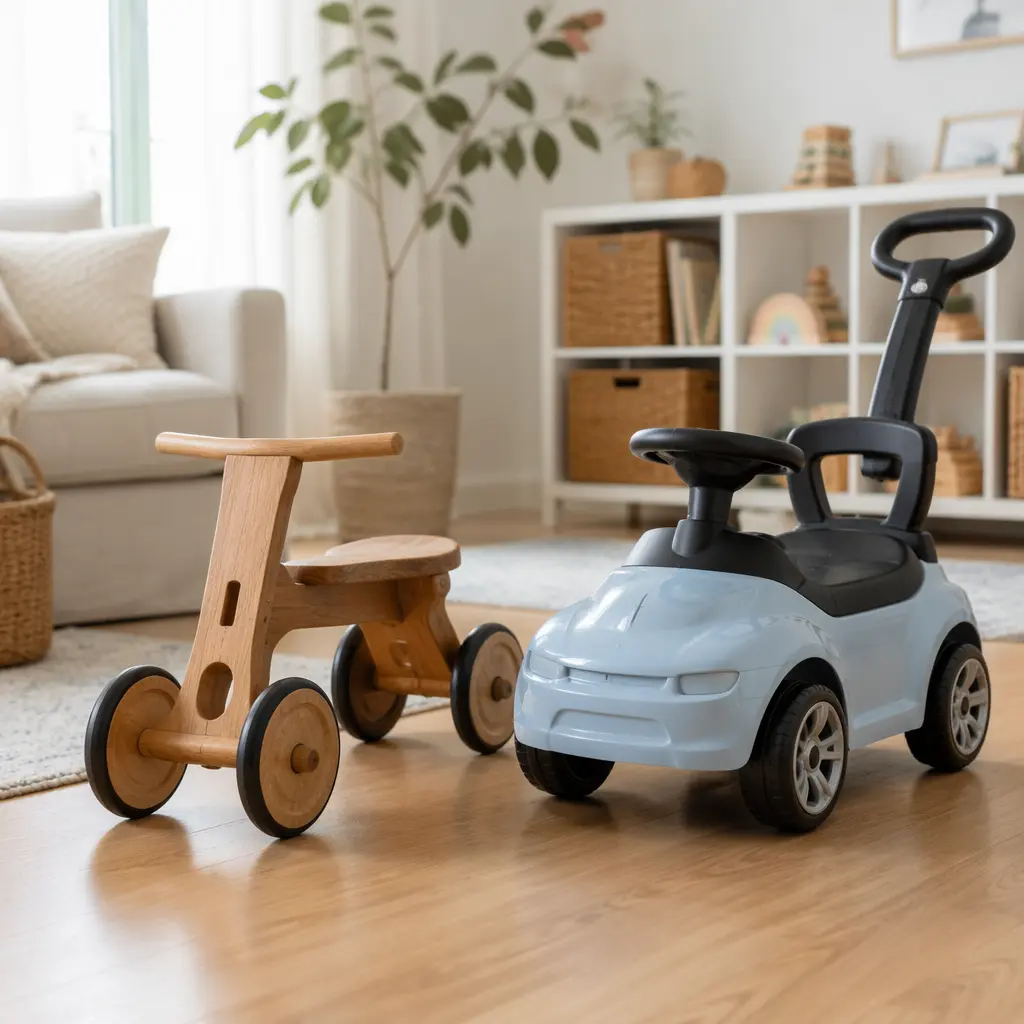
Ride-Ons · 1–2 years
Compare classic wooden ride-ons and plastic push cars for toddlers aged 1–2 years, with practical guidance on durability, steering, indoor noise, storage, supervision, and play style.
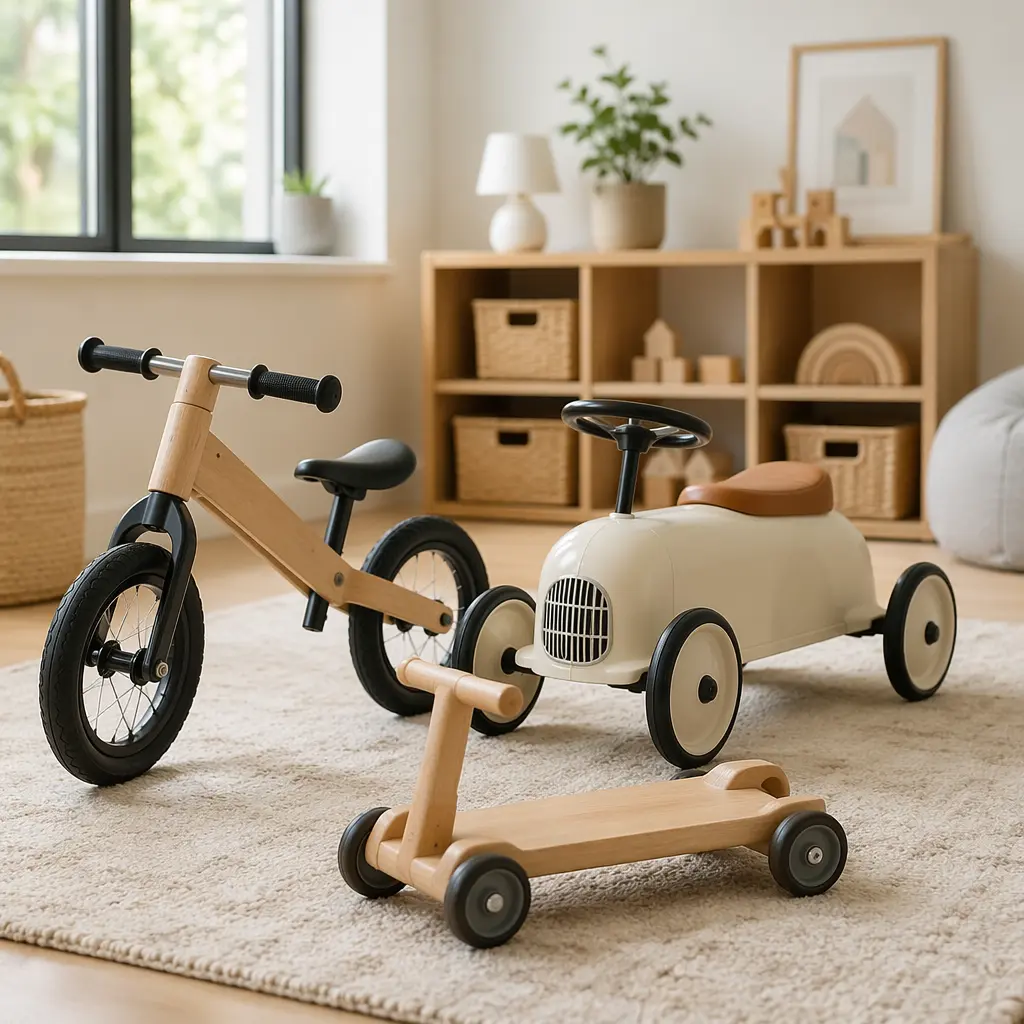
Ride-Ons · 1–2 years
Explore simple, no-motor ride-on toys designed for toddlers ages 1–2. This guide covers stability, sizing, indoor and outdoor use, and features that support safe independent play.
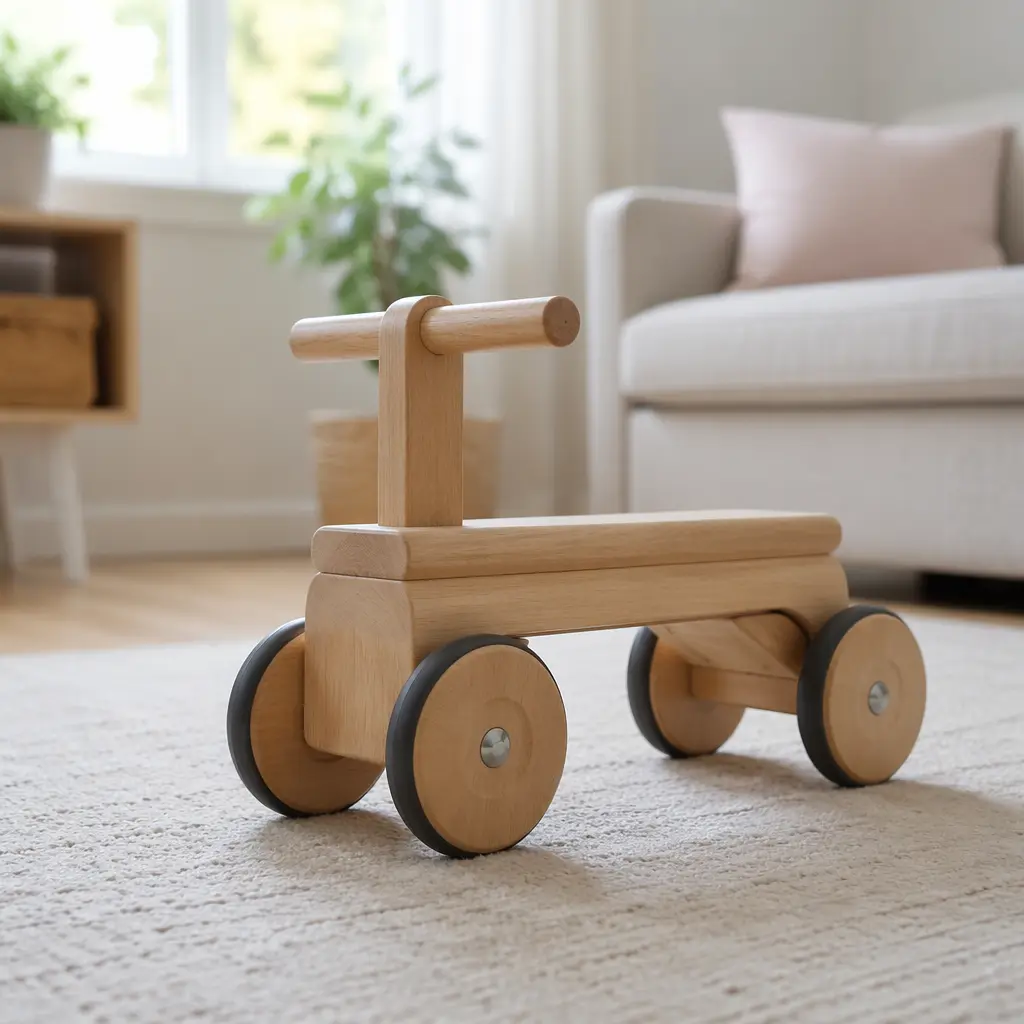
Ride-Ons · 1–2 years
A parent-friendly guide to non-motorized ride-on toys for ages 1–2, explaining how foot-powered designs support balance, coordination, and safe early mobility.
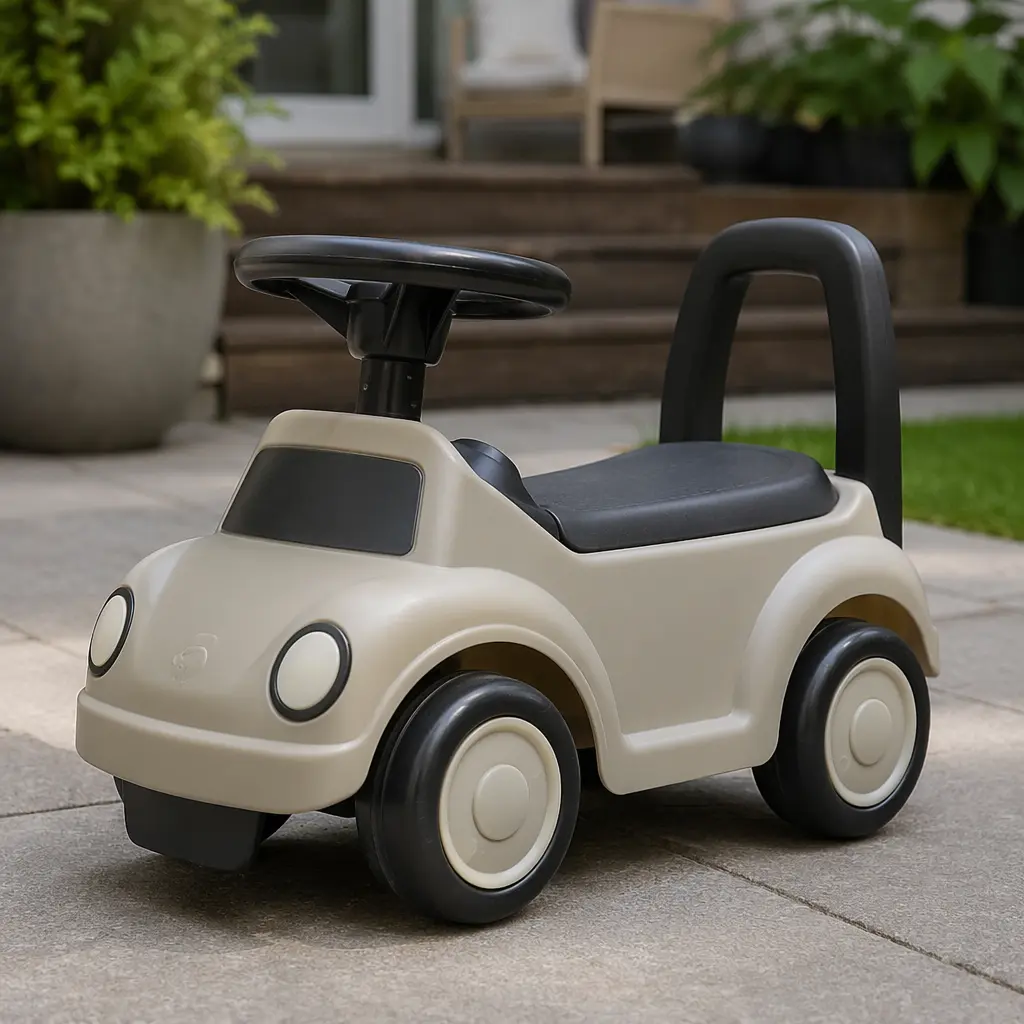
Ride-Ons · 3–5 years
A buyer’s guide to durable ride-on toys that grow with kids ages 3–5, focusing on adjustability, safety, and features that keep play engaging beyond the toddler years.

Ride-Ons · 6–8 years
A safety-focused guide for parents comparing electronic ride-on toys and foot-powered options for kids ages 6–8, with practical tips on features, supervision, and age-appropriate choices.
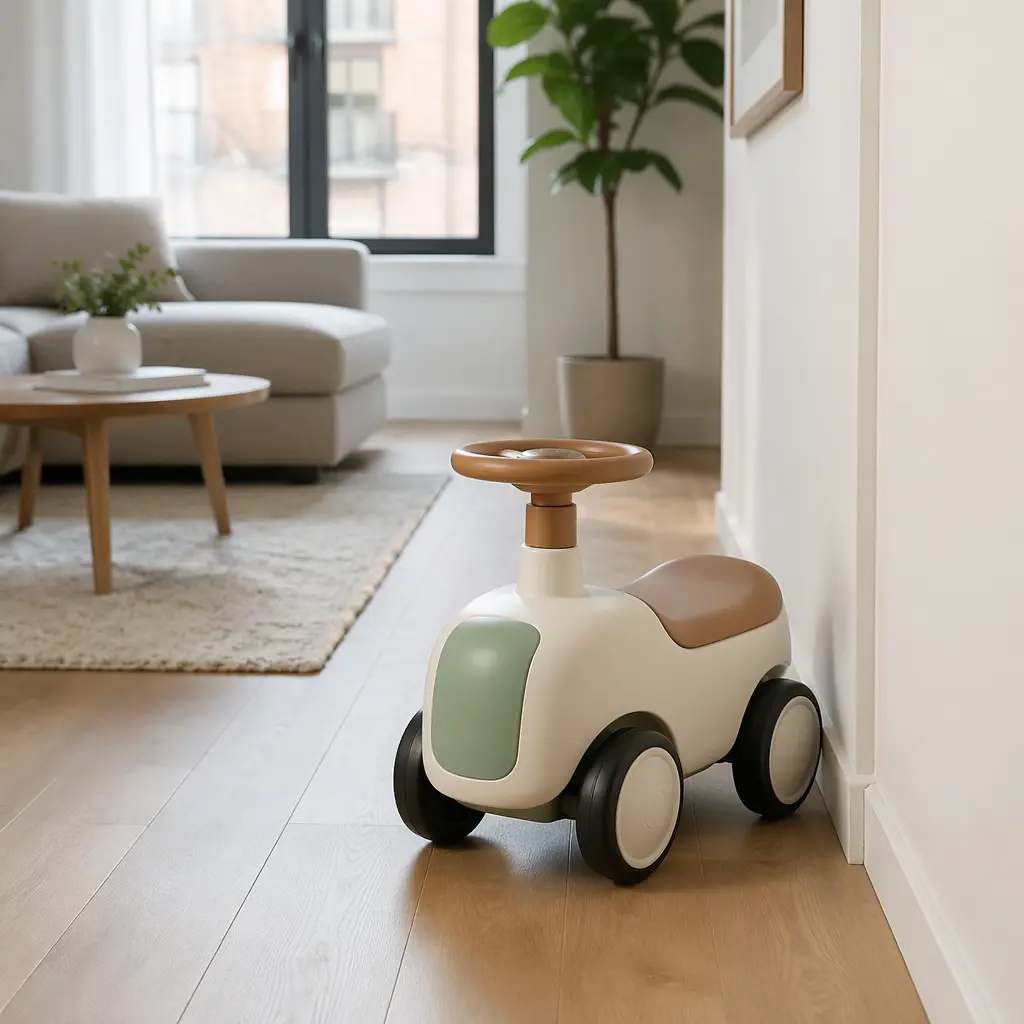
Ride-Ons · 3–5 years
A parent-friendly guide to compact ride-on toys for apartments. Learn what to look for in steering, size, storage, and age fit—plus which types handle tight turns and limited floor space best.
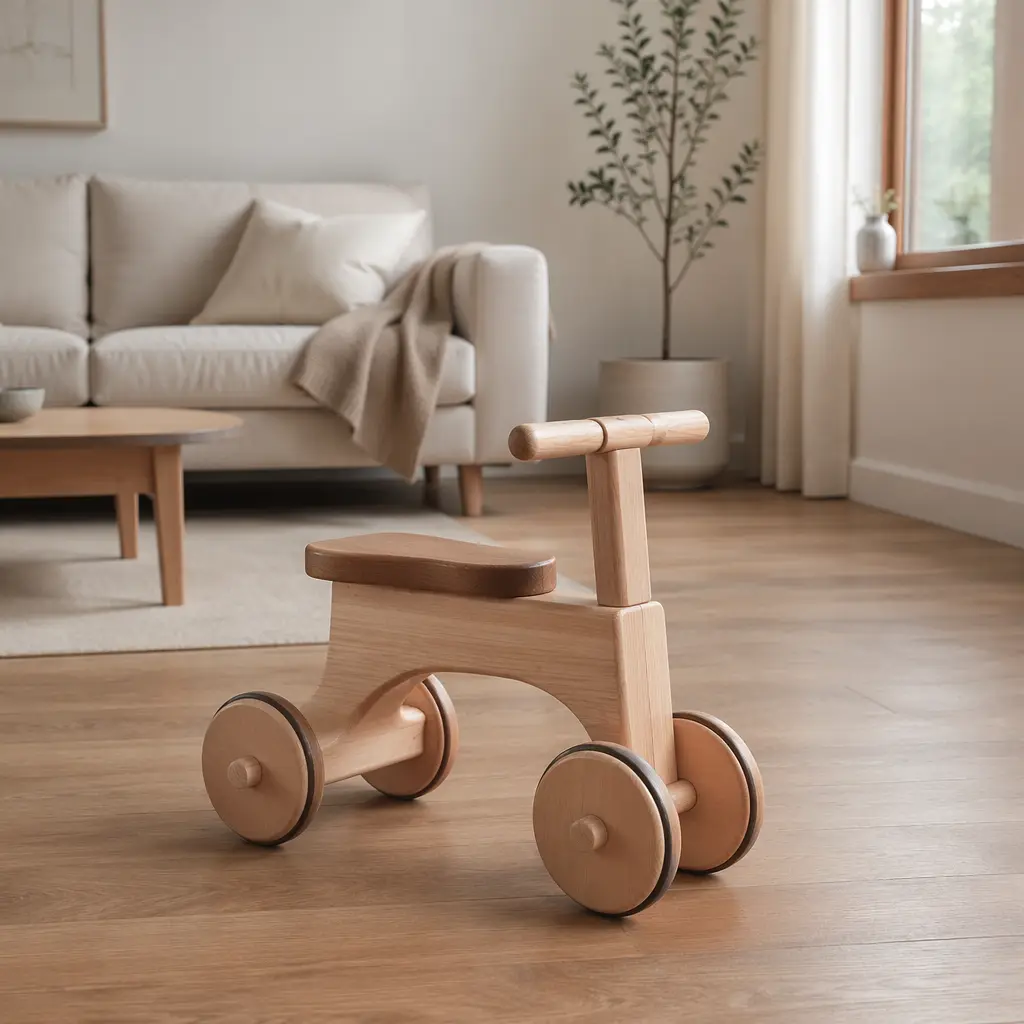
Ride-Ons · 3–5 years
A parent-focused guide to classic ride-on toys that keep kids engaged from ages 3–5, with tips on durability, steering skills, indoor use, and what features matter most.
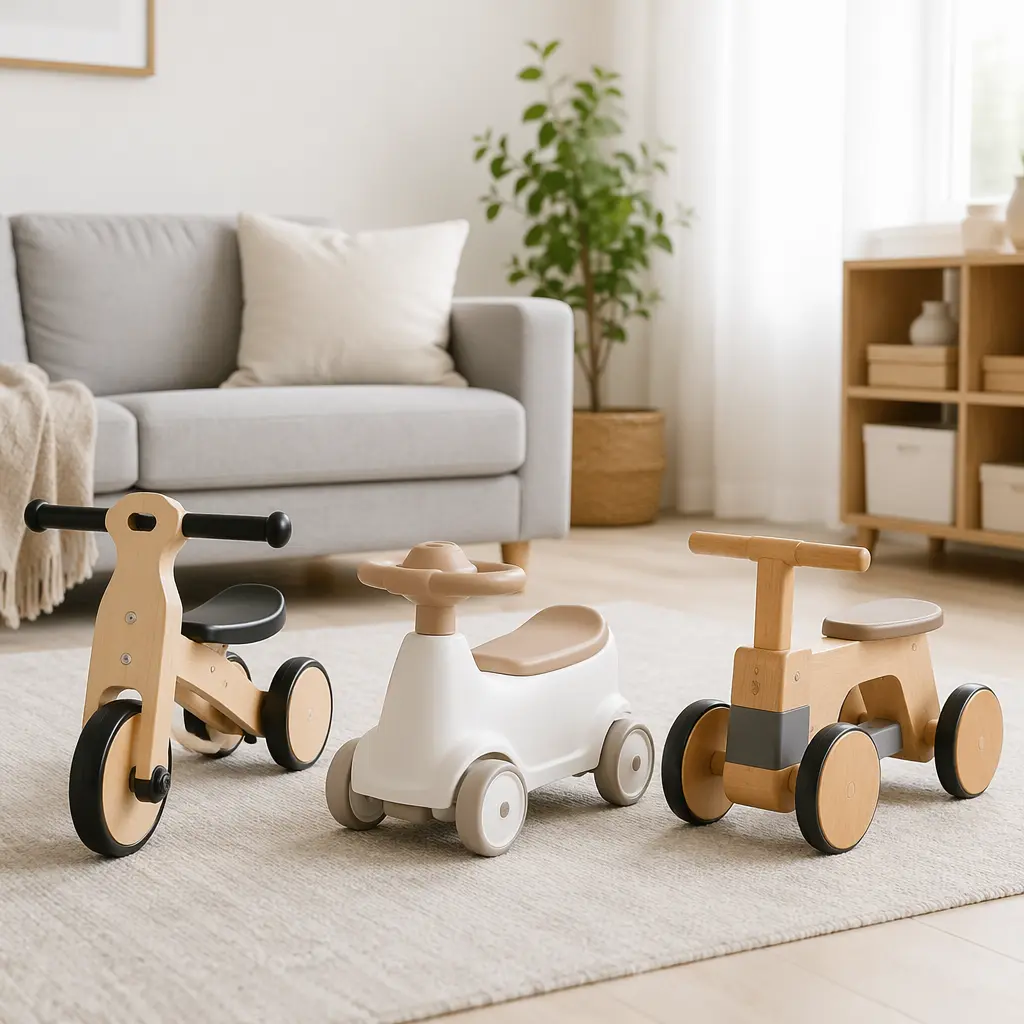
Ride-Ons · 1–2 years
A parent-focused guide to simple ride-on toys that help 1–2 year olds practice balance and steering with sturdy, no-frills designs. Learn what features matter, age fit, and common questions.

Ride-Ons · 9–12 years
A parent-focused comparison of manual go-karts and electric ride-ons for ages 9–12, covering skill-building, safety, maintenance, and long-term value to help families choose the right upgrade.
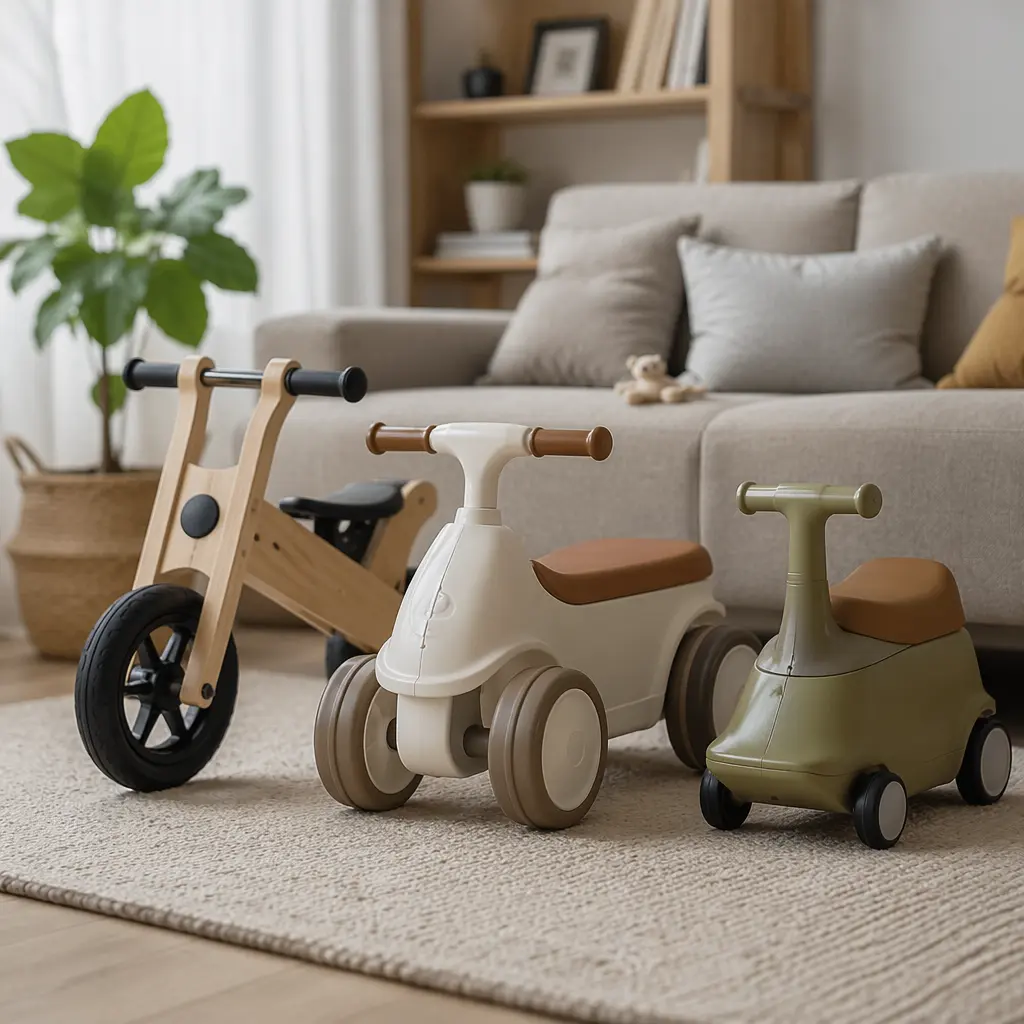
Ride-Ons · 1–2 years
A buyer’s guide to active ride-on toys for ages 1–2 that encourage steering, scooting, and movement—plus safety tips, age fit, and categories to help parents choose.
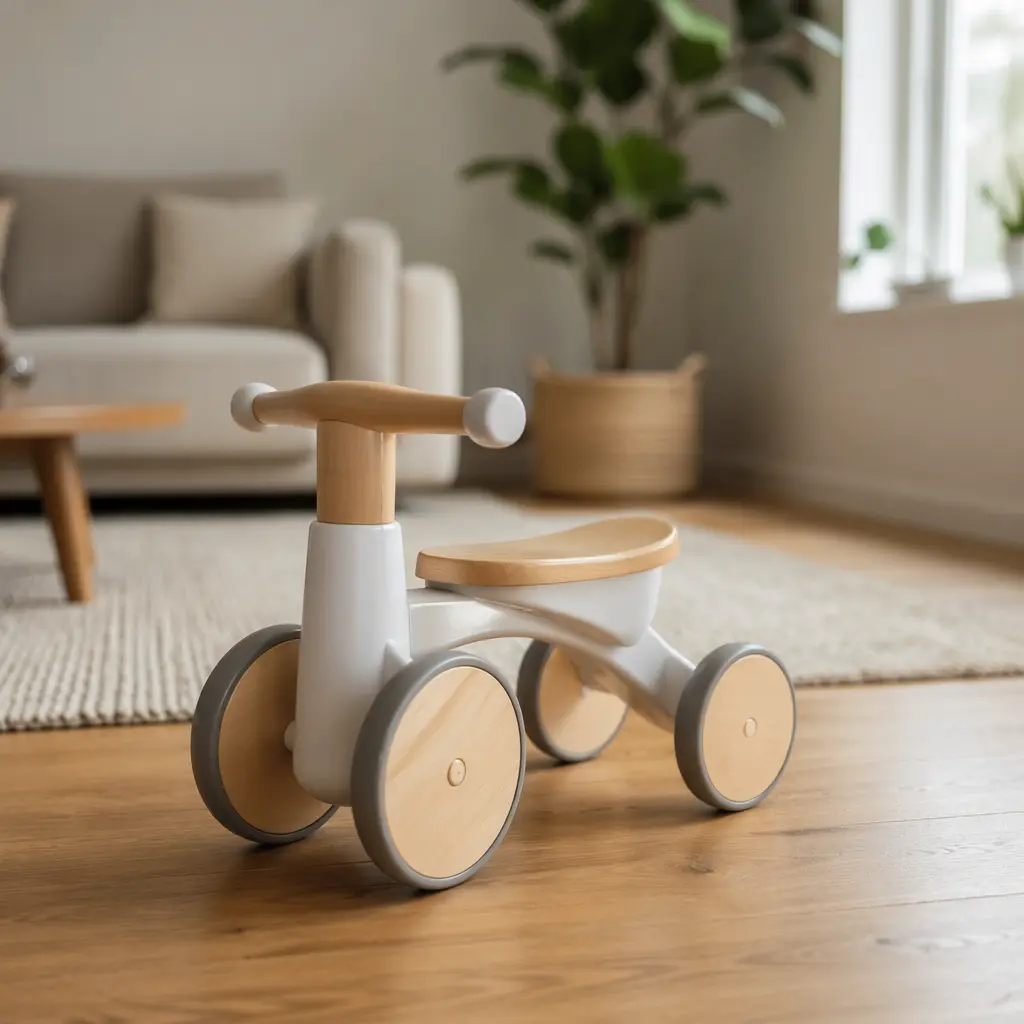
Ride-Ons · 1–2 years
A parent-friendly guide to no-pedal, no-battery ride-on toys for ages 1–2. Learn what to look for, age fit, safety tips, and easy categories that help toddlers build confidence fast.
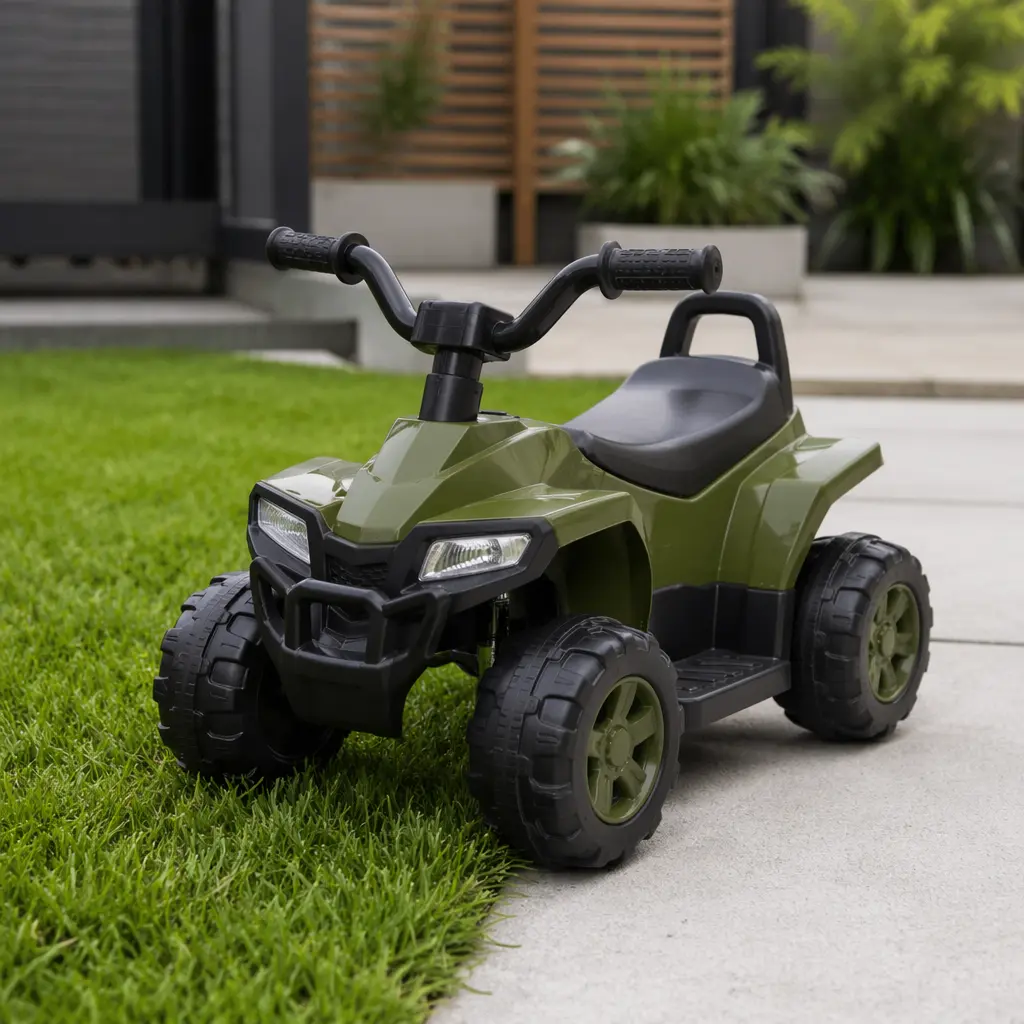
Ride-Ons · 3–5 years
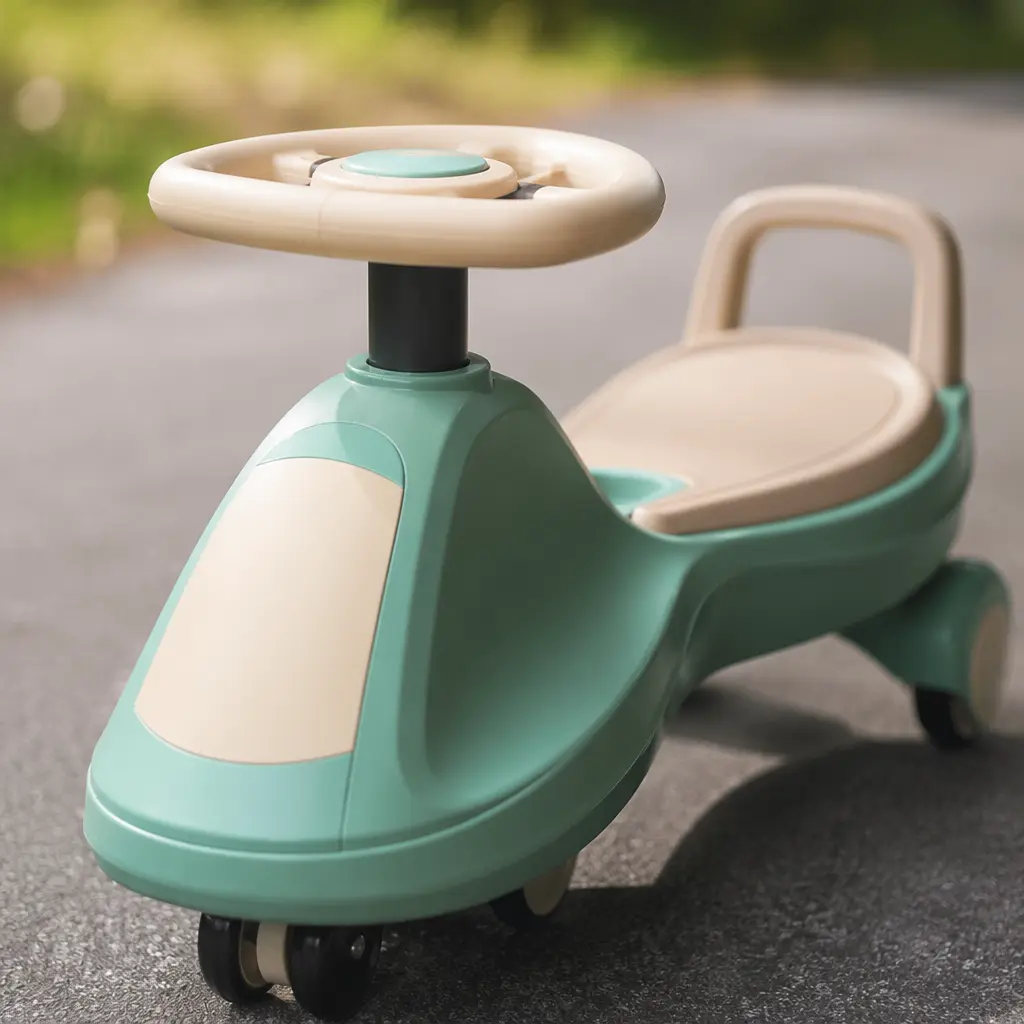
A parent-friendly guide to non-motorized ride-on toys that roll smoothly on grass and pavement, with tips on wheels, steering, durability, and age fit for kids ages 3–5.
Ride-Ons · 3–5 years
A buyer’s guide to ride-on toys that help ages 3–5 learn steering and control. Learn what features matter, which types build real turning skills, and how to choose safely.
Ride-Ons · 1–2 years
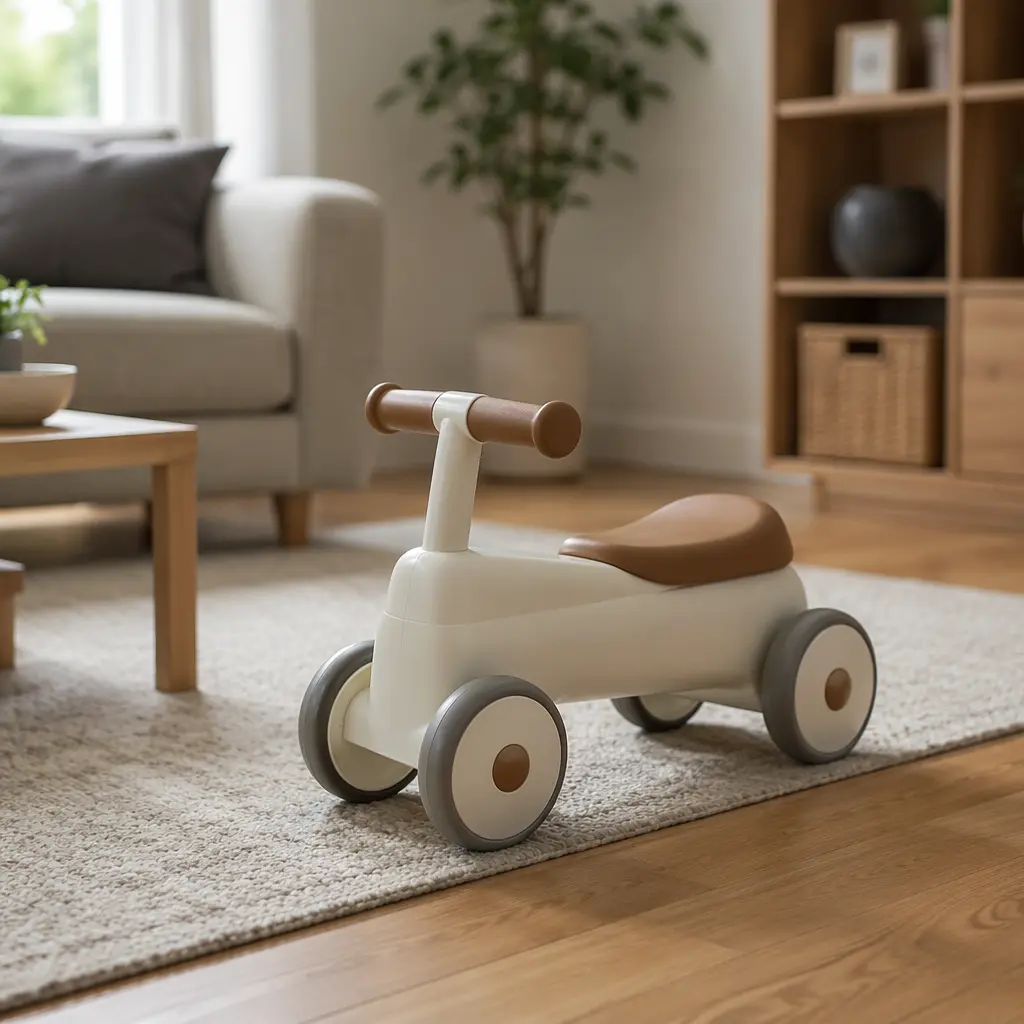
A practical buyer’s guide for parents choosing ride-on toys that roll smoothly indoors on carpet and hard floors, with tips on wheels, safety, and age fit for 1–2 year olds.
Ride-Ons · 1–2 years
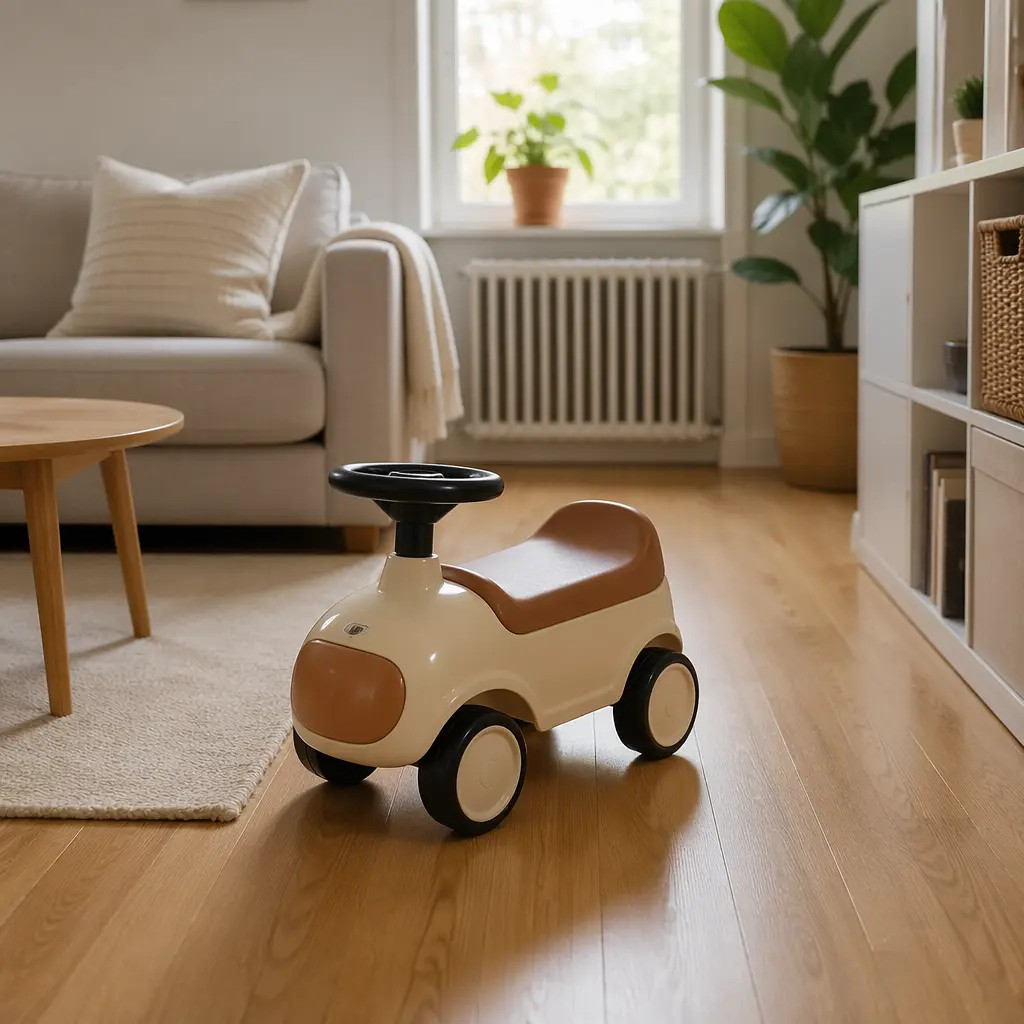
A buyer-focused guide to compact ride-on toys for ages 1–2. Learn which space-smart designs build balance and coordination without overwhelming small apartments or shared rooms.
Ride-Ons · 1–2 years
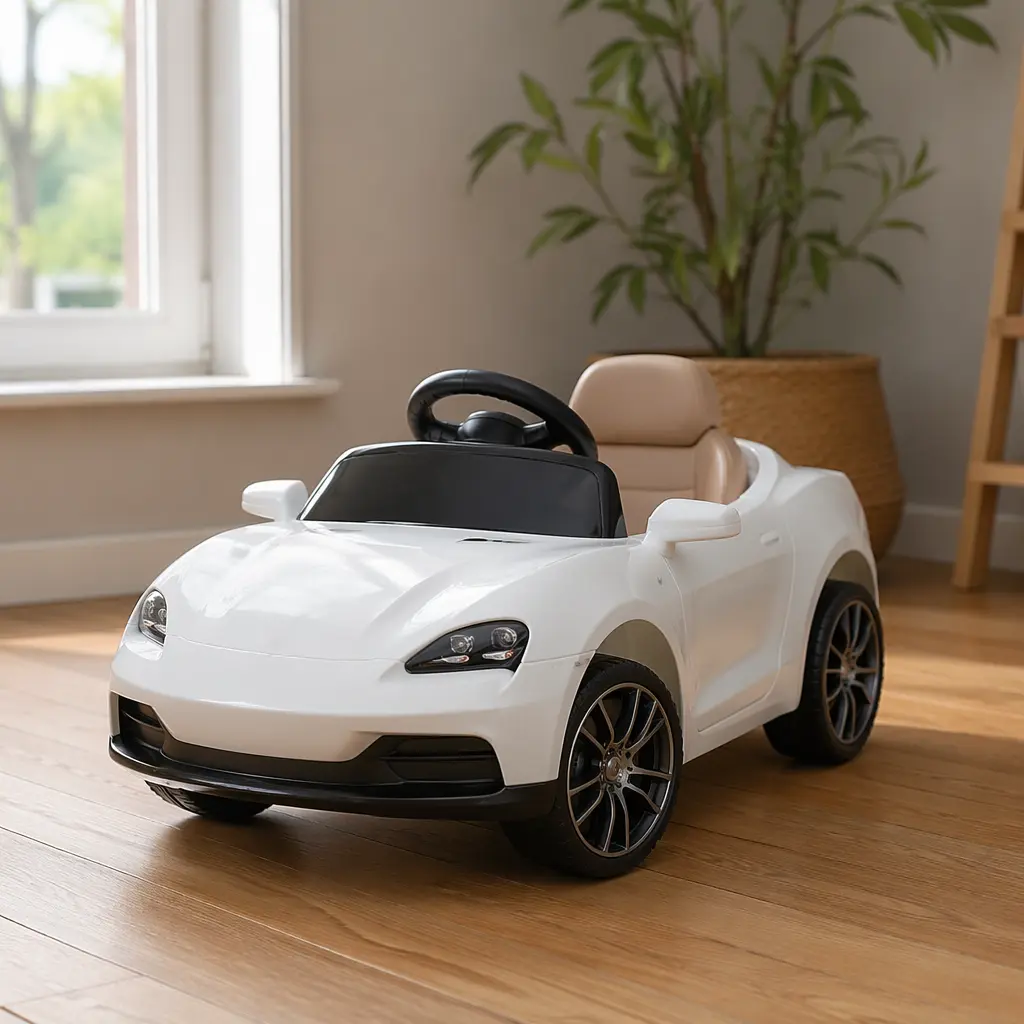
A buyer’s guide to convertible ride-on toys parents can buy once and use for years, with tips on features, age fit, and safety for toddlers growing into preschoolers.
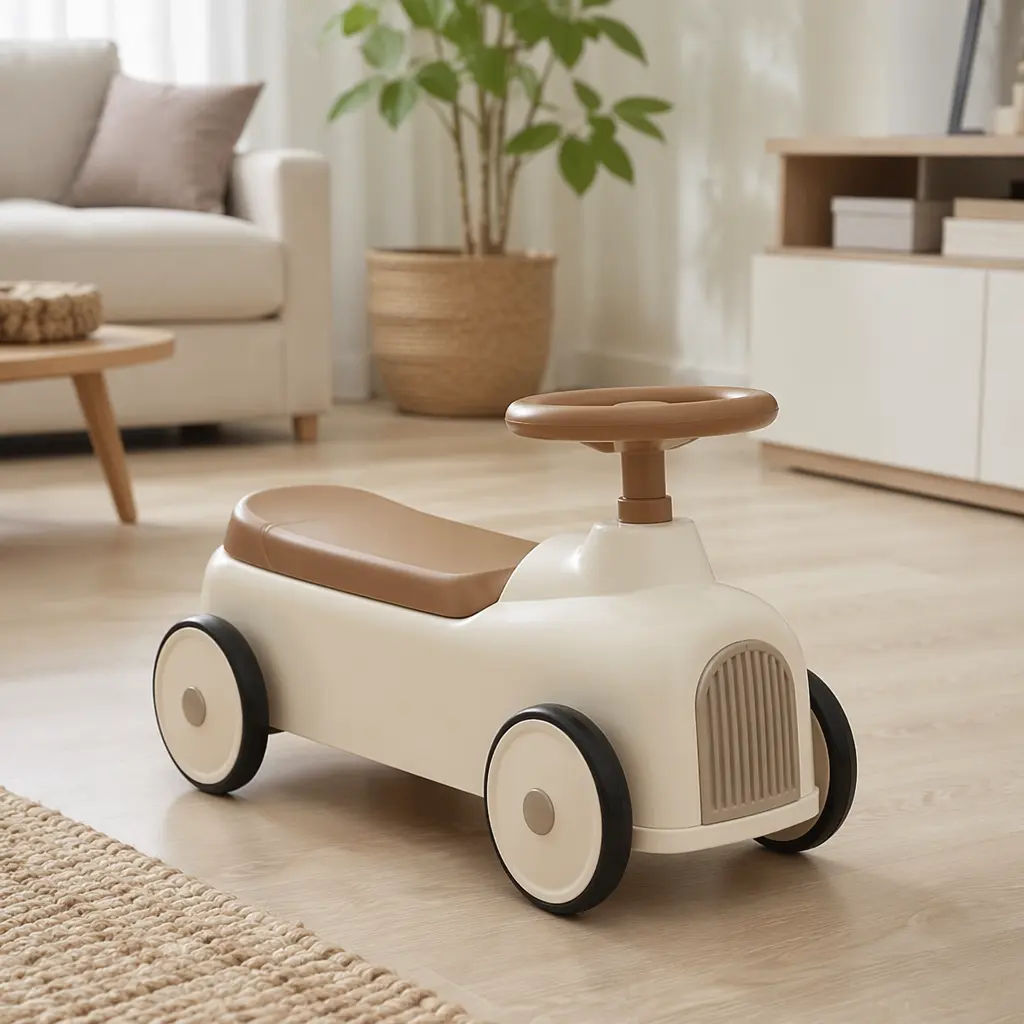
Ride-Ons · 1–2 years
A parent-focused guide to low-tech ride-on toys for ages 1–2. Learn what features matter, how to match toys to your child’s stage, and which simple styles build confidence and independence.
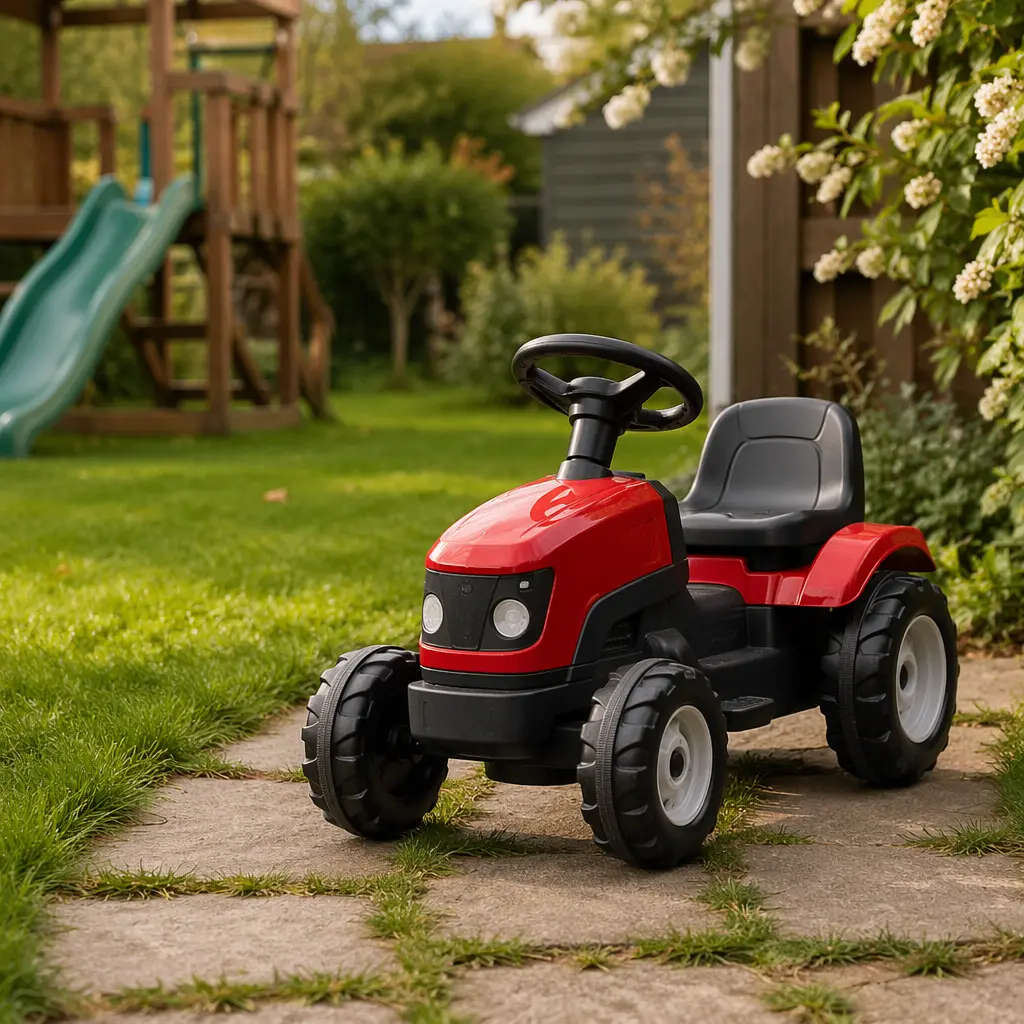
Ride-Ons · 3–5 years
A parent-focused guide to ride-on toys for ages 3–5, comparing simple and electronic options for long-term play value, durability, and growing skills—without naming specific products.
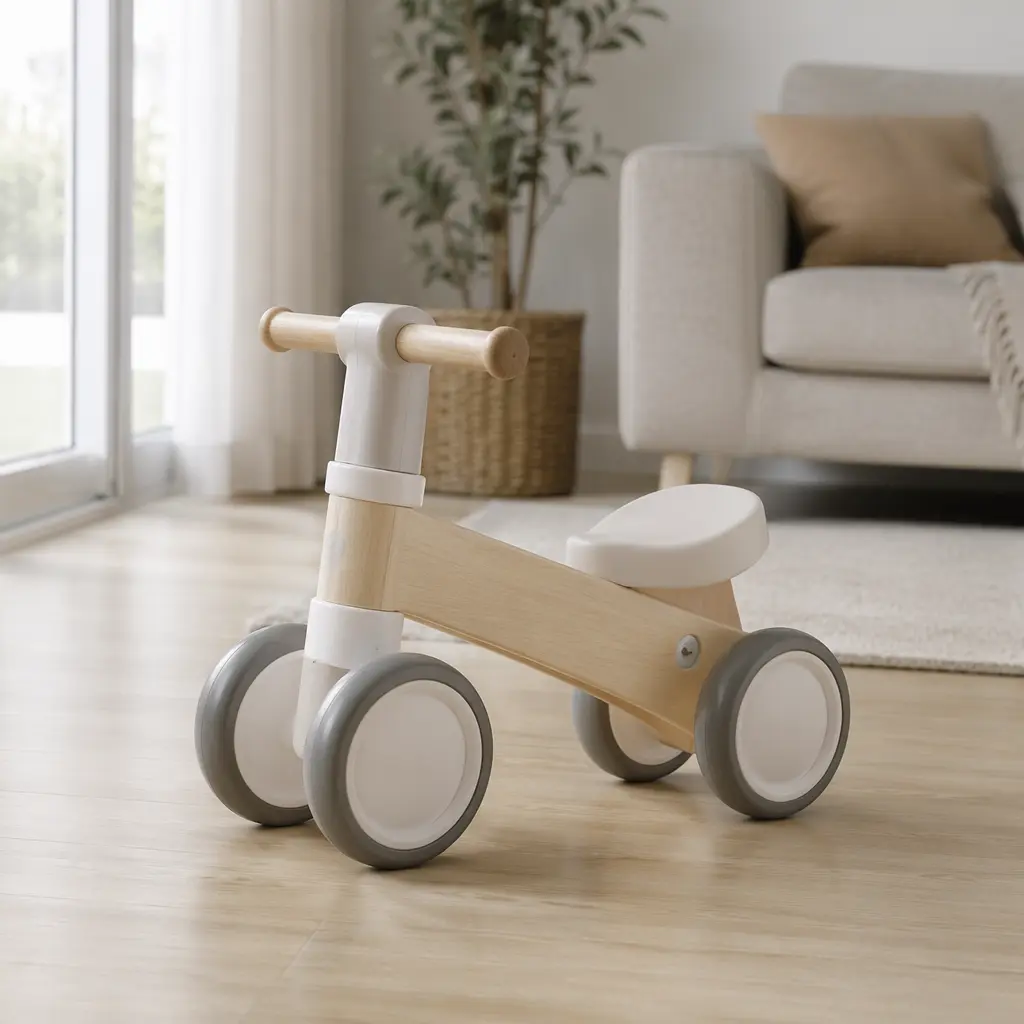
Ride-Ons · 1–2 years
A parent-friendly guide to low-frustration ride-on toys for ages 1–2. Learn what features help toddlers gain confidence, balance, and coordination without motors or complex parts.
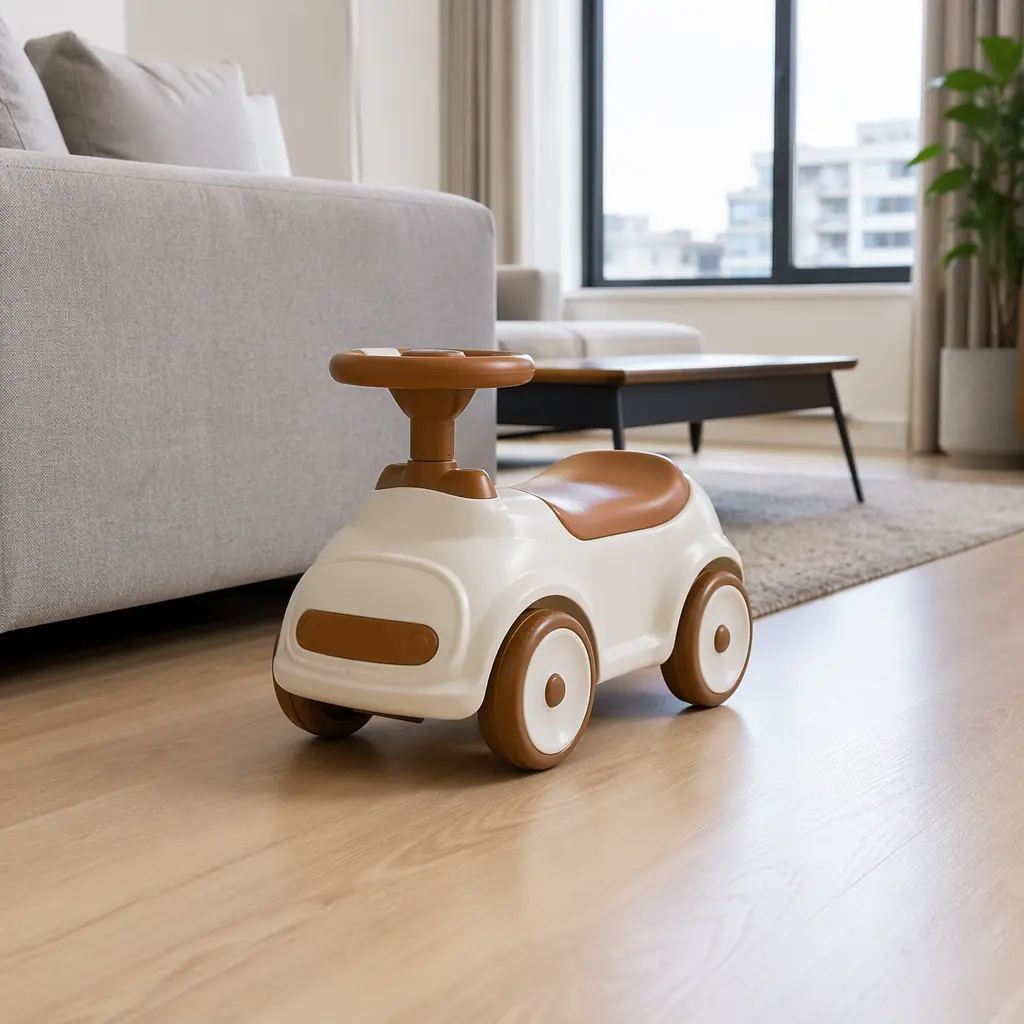
Ride-Ons · 1–2 years
A parent-focused guide to compact, quiet ride-on toys that fit apartment living. Learn what to look for, age suitability for 1–2 year olds, and space-smart types that work indoors and out.