Outdoor & Active · 6–8 years
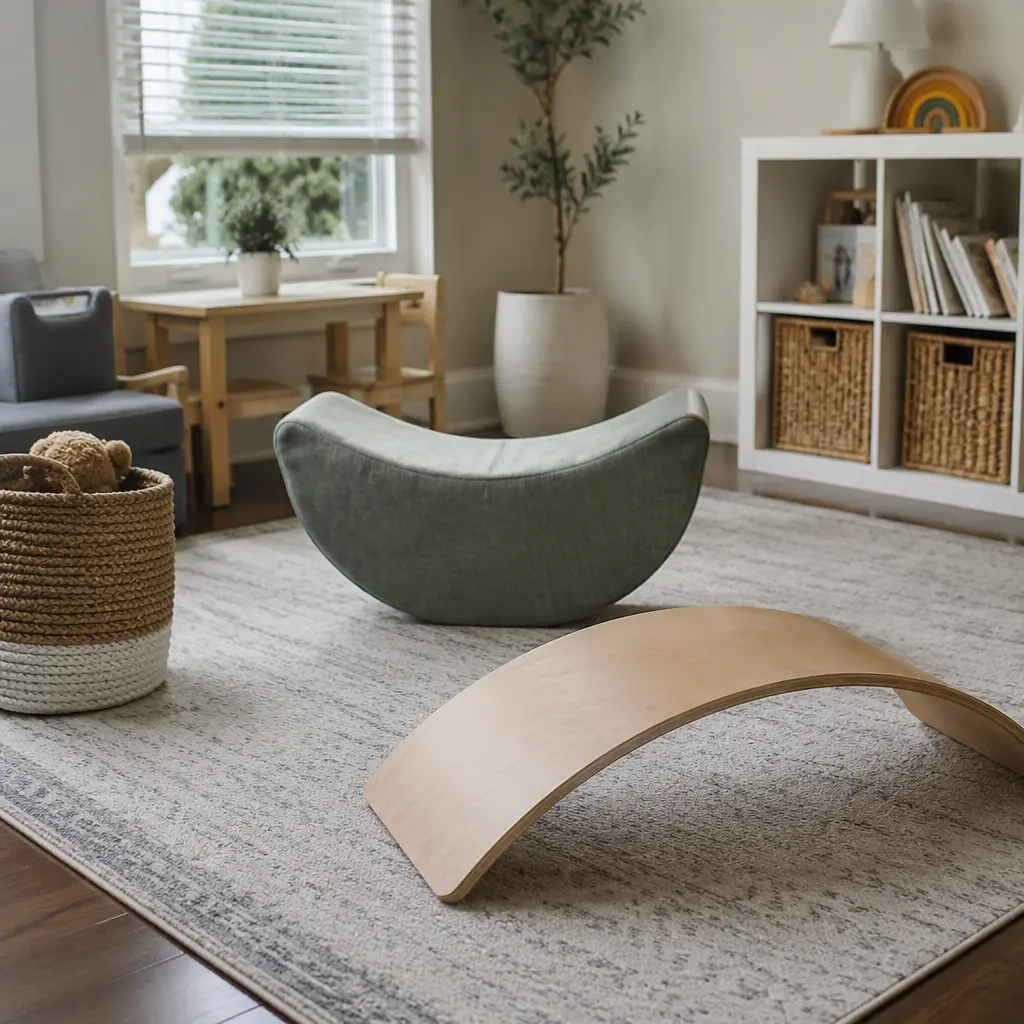
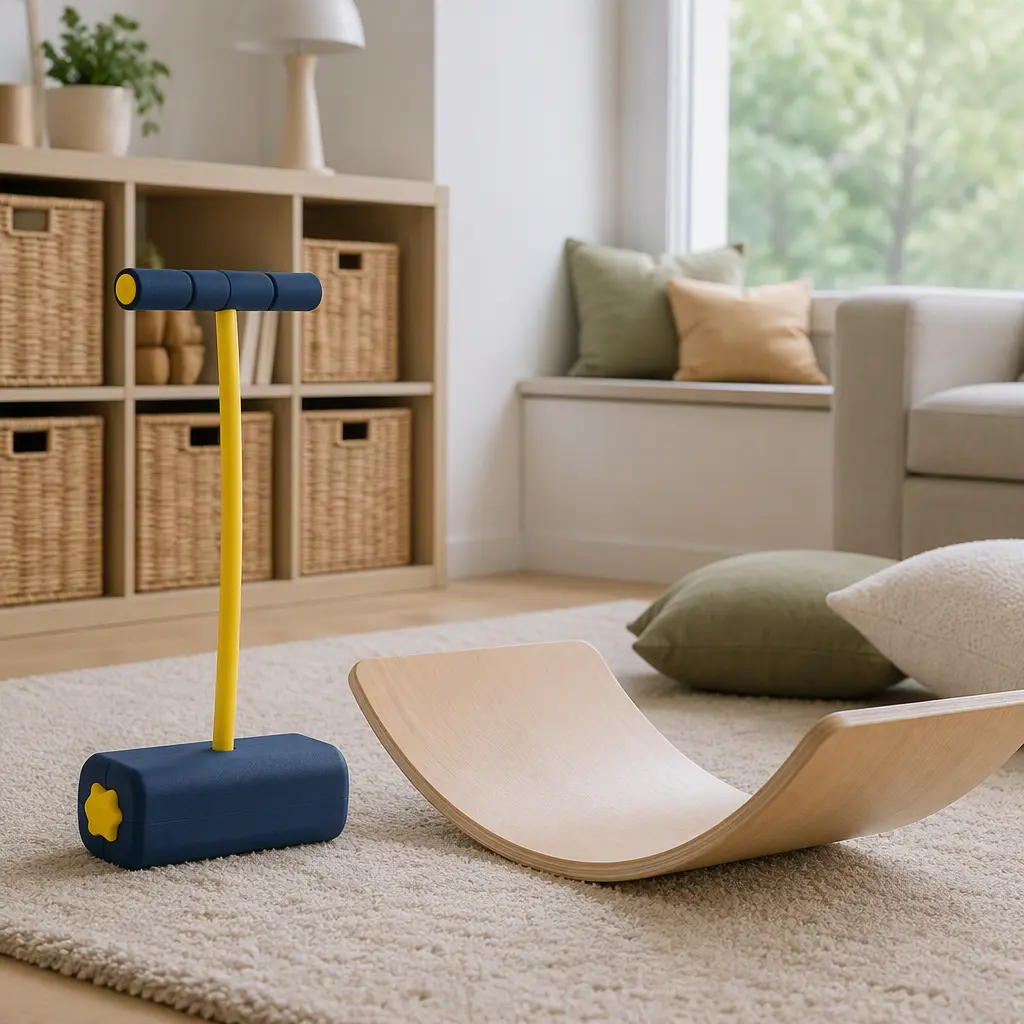
Choosing between a foam pogo jumper and a balance board for active kids indoors? Compare noise, floor impact, supervision, storage and age suitability for ages 6–8.
Outdoor & Active · 3–5 years
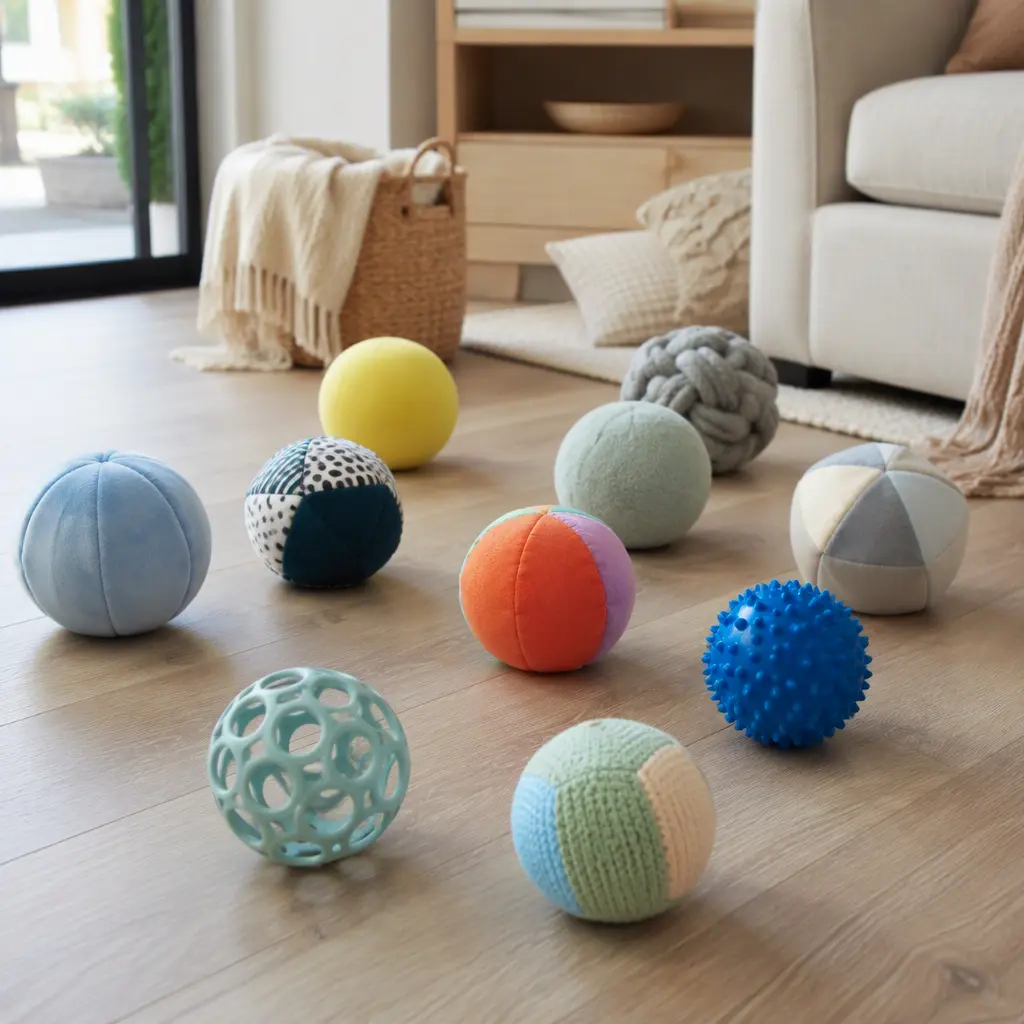
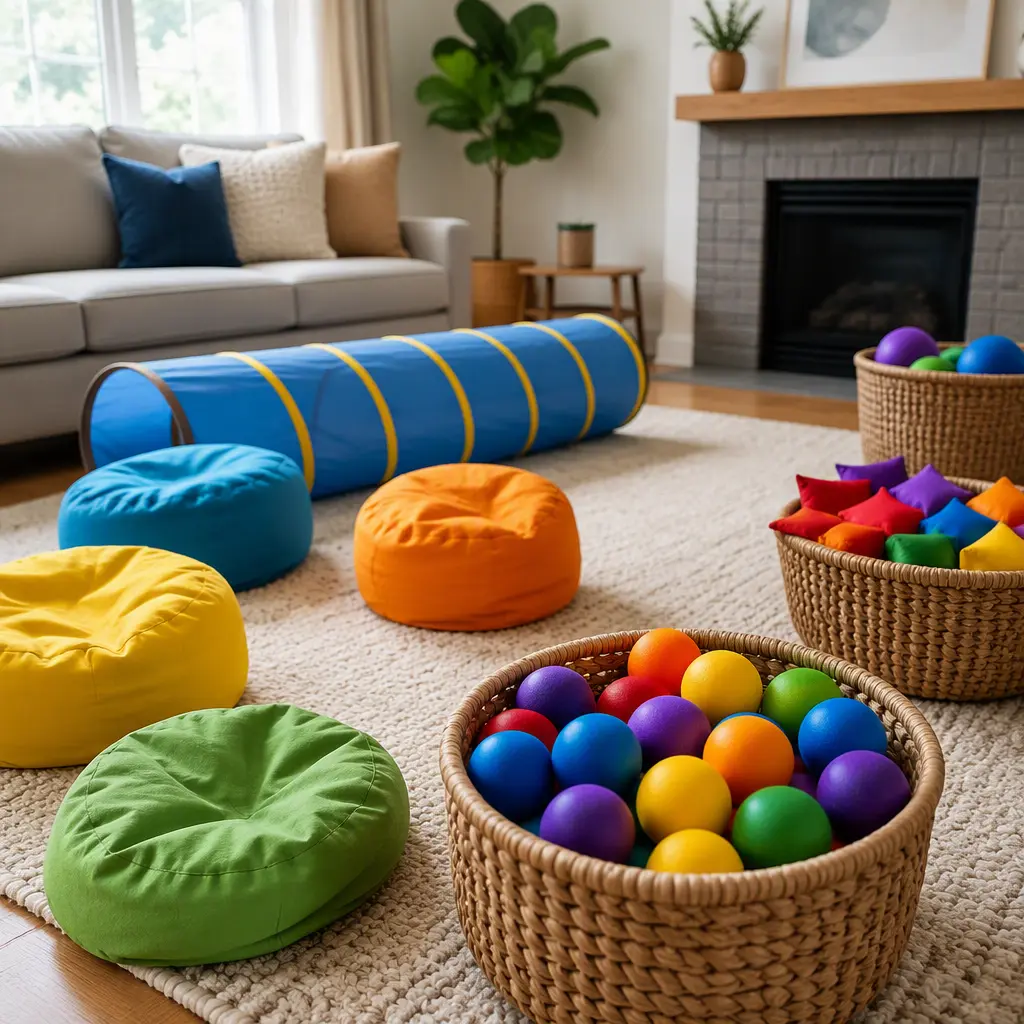
Choosing indoor throwing toys for preschoolers comes down to noise, cleanup, space and safety. This guide compares soft foam balls and beanbags for ages 3–5.
Outdoor & Active · 6–8 years
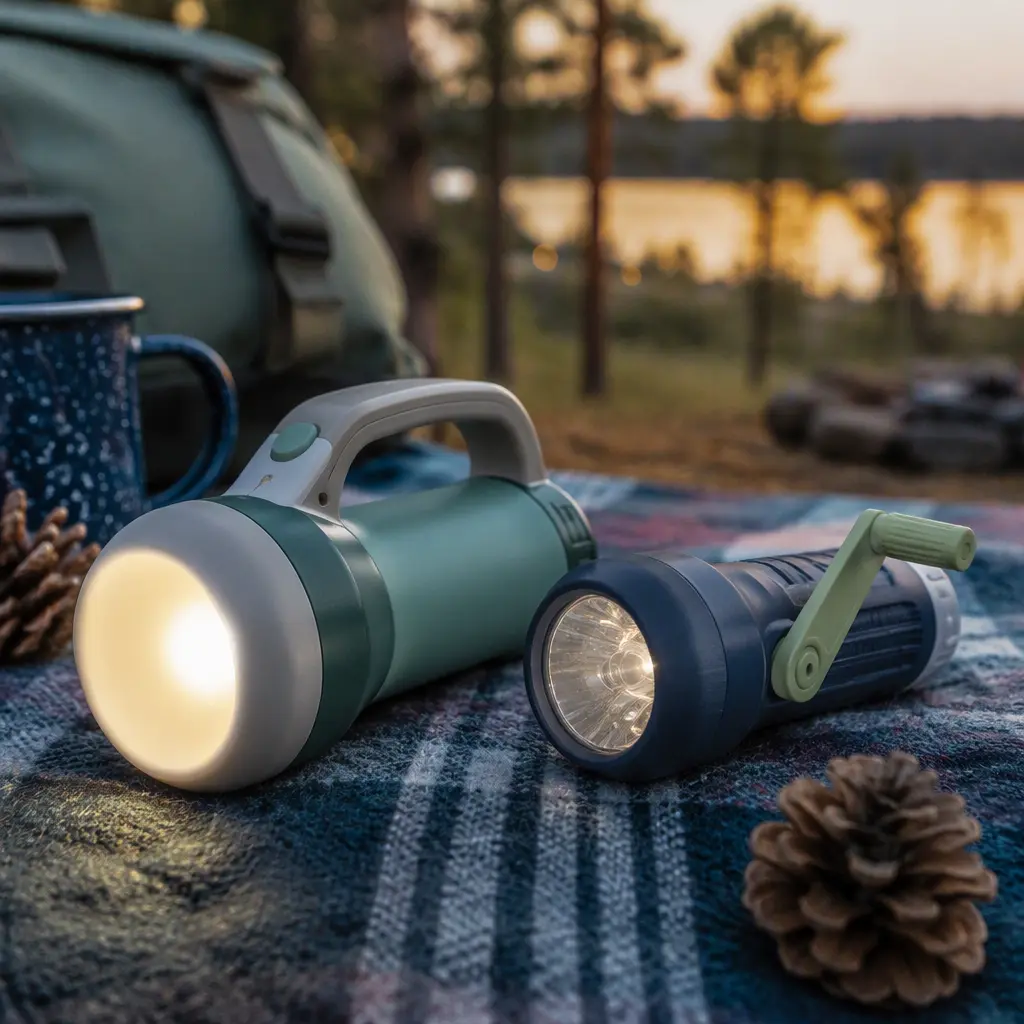
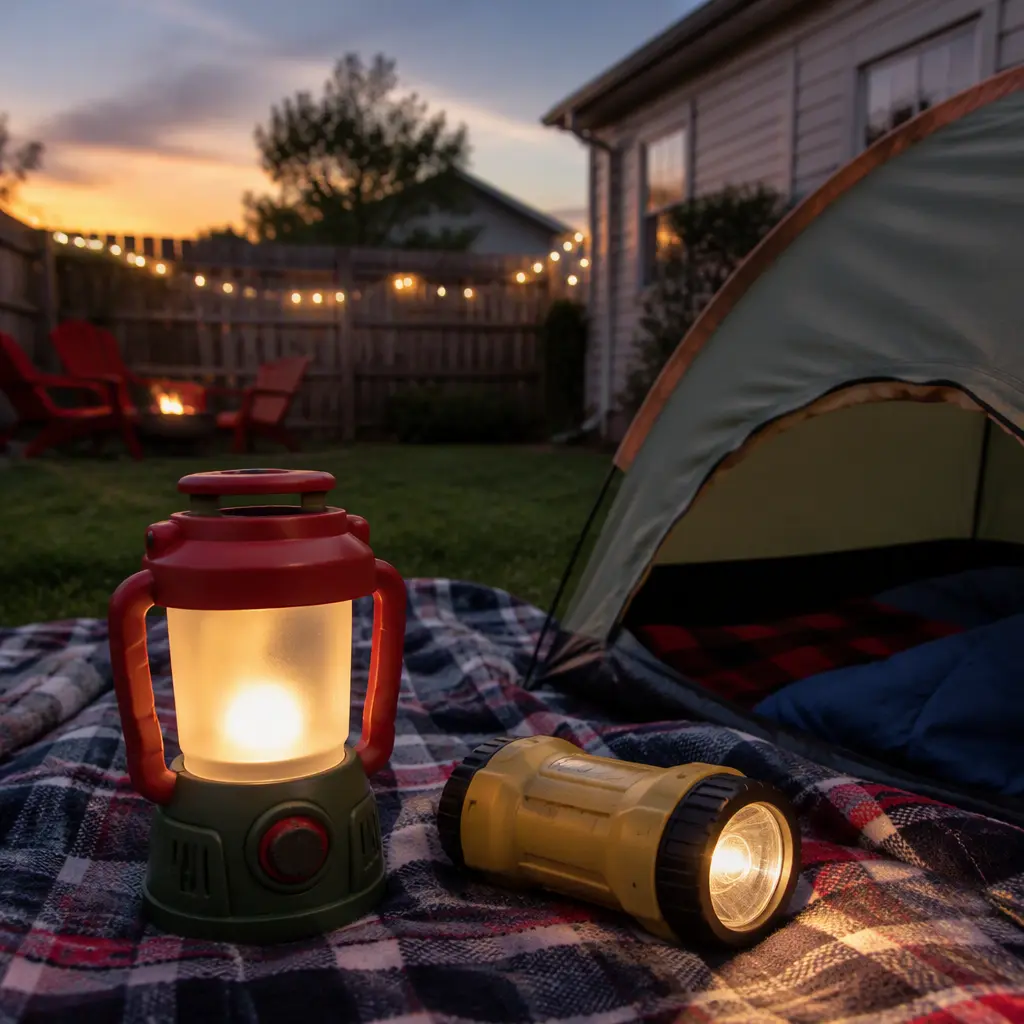
Compare toy camp lanterns and flashlights for backyard play ages 6–8. Learn which suits independent play, night games, camping practice, storage, and durability needs.
Outdoor & Active · 6–8 years
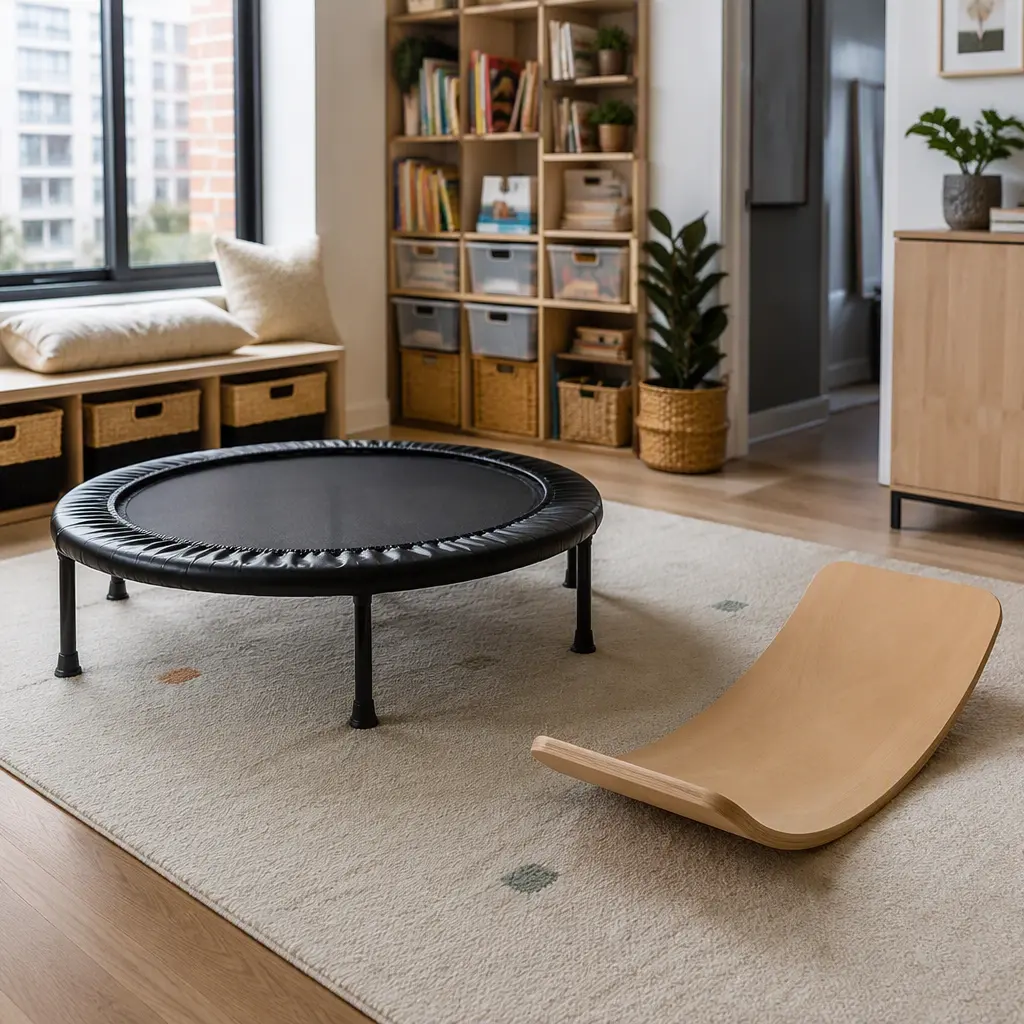
Comparing mini trampolines and balance boards for children aged 6–8, with practical guidance on storage, noise, supervision, safety and apartment-friendly indoor play.
Outdoor & Active · 6–8 years
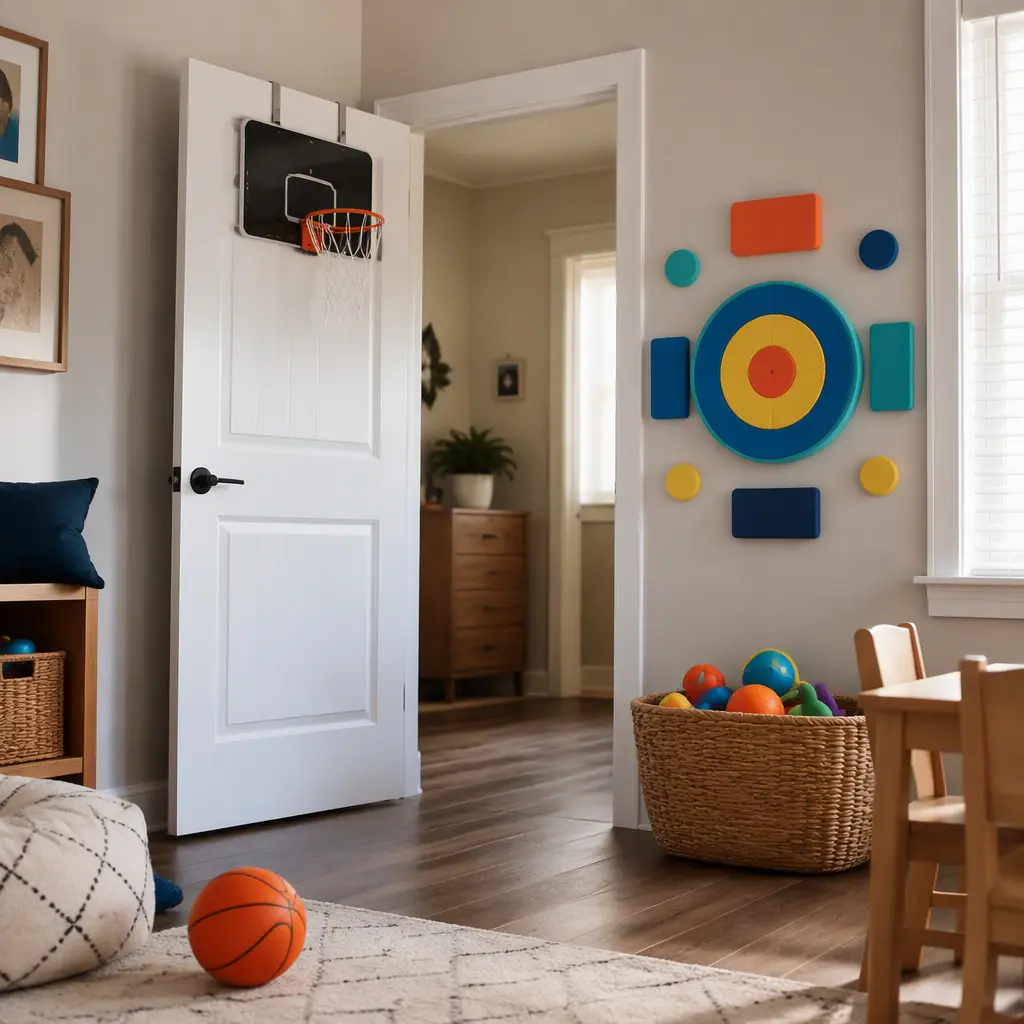
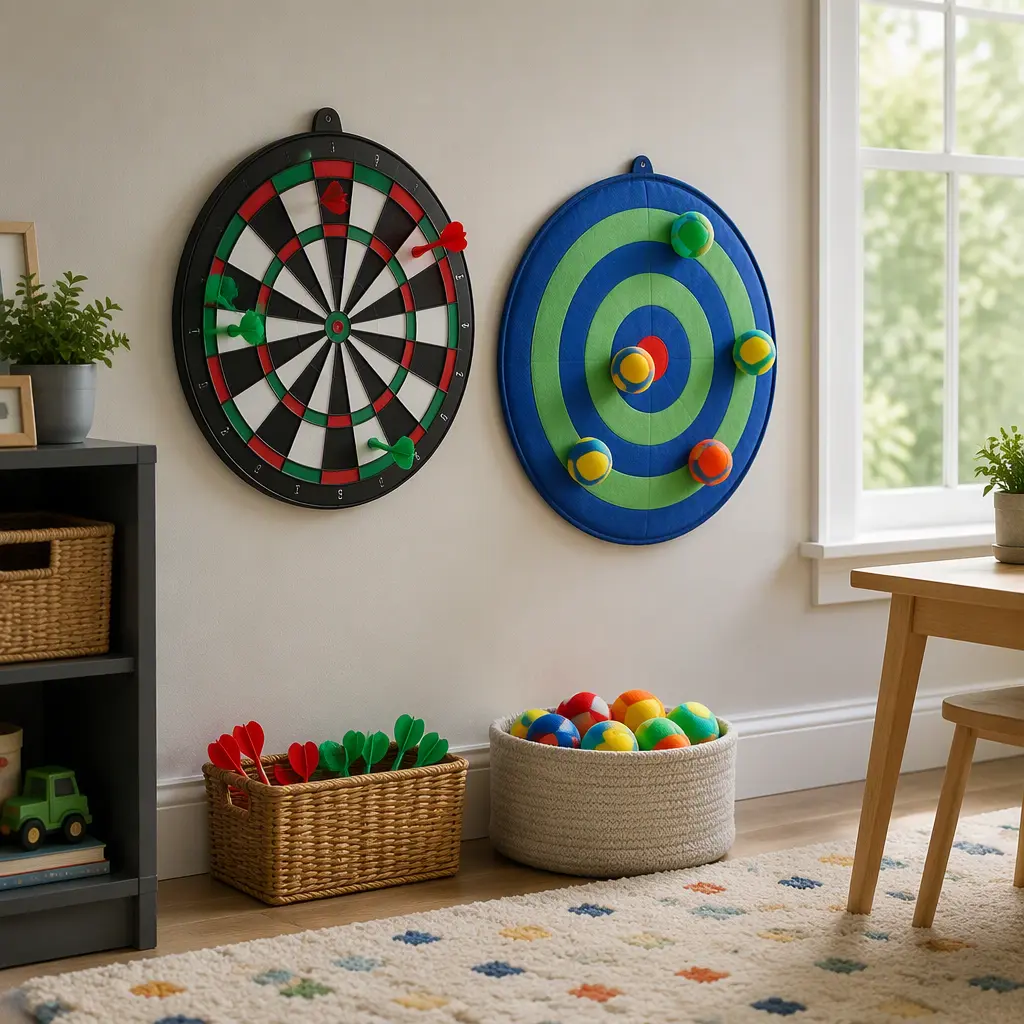
Comparing magnetic dart boards and Velcro dart sets for ages 6–8, with practical guidance on safety, wall protection, noise, durability, storage and indoor play space.
Outdoor & Active · 6–8 years
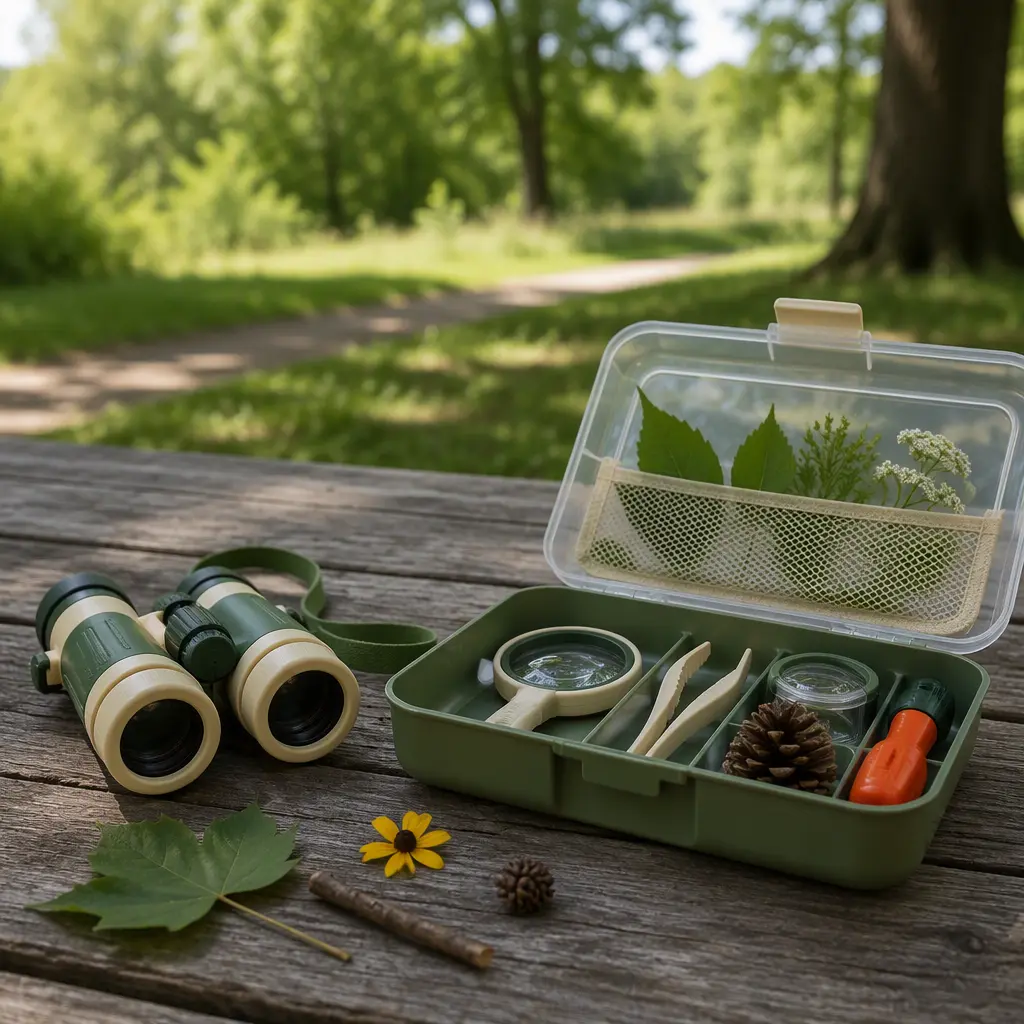
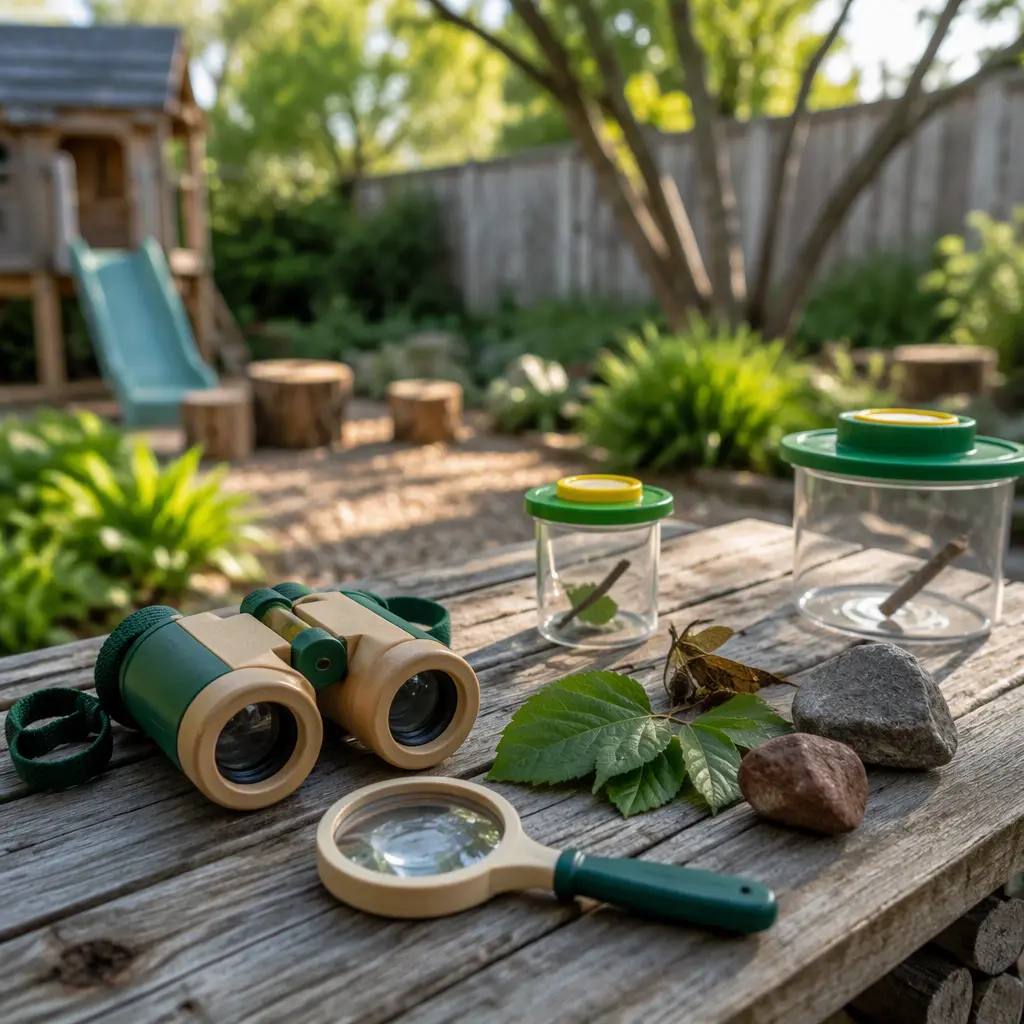
Comparing toy binoculars and magnifiers for screen-free backyard nature play ages 6–8, including attention span, setup, storage, supervision, and practical trade-offs for parents.
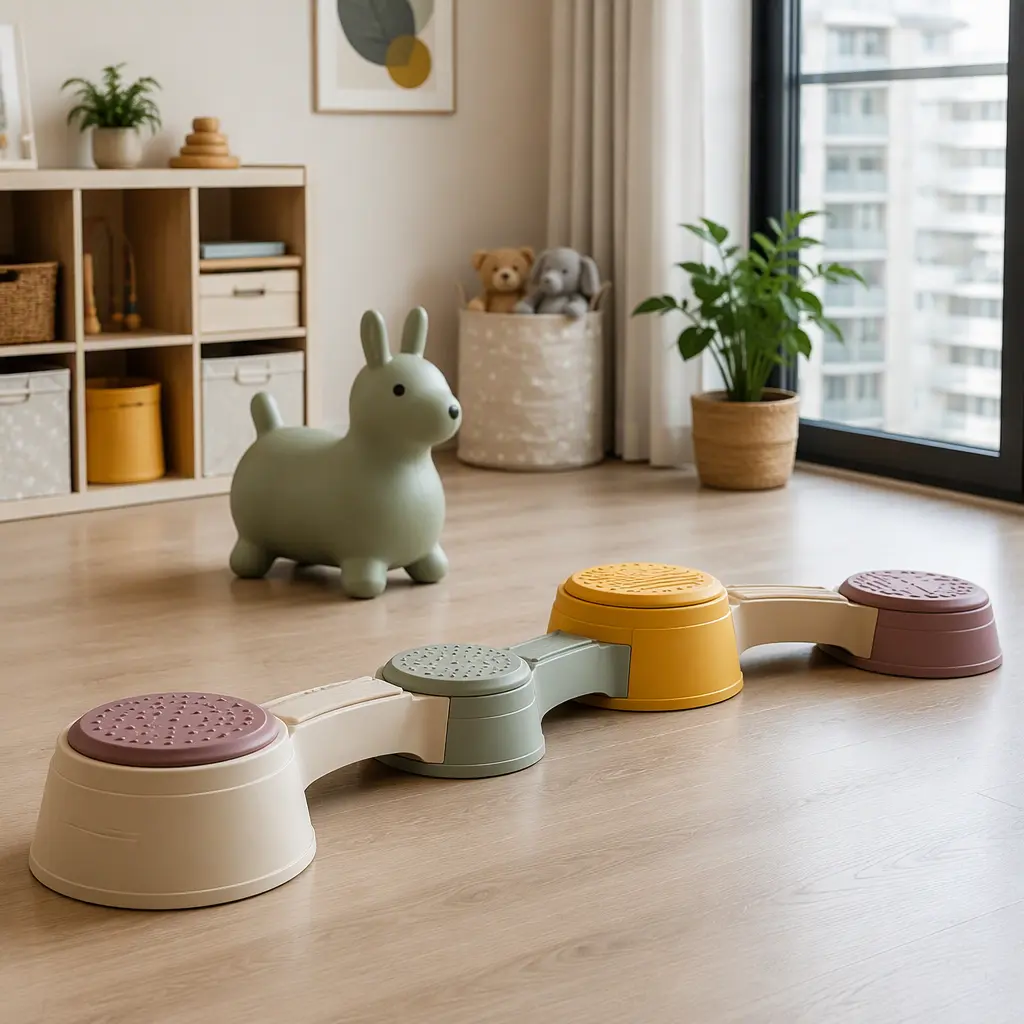
Outdoor & Active · 3–5 years
Choosing between balance steppers and hopper toys for ages 3–5? This guide compares noise, space, safety, storage and skill-building for apartments, small homes and rainy-day play.
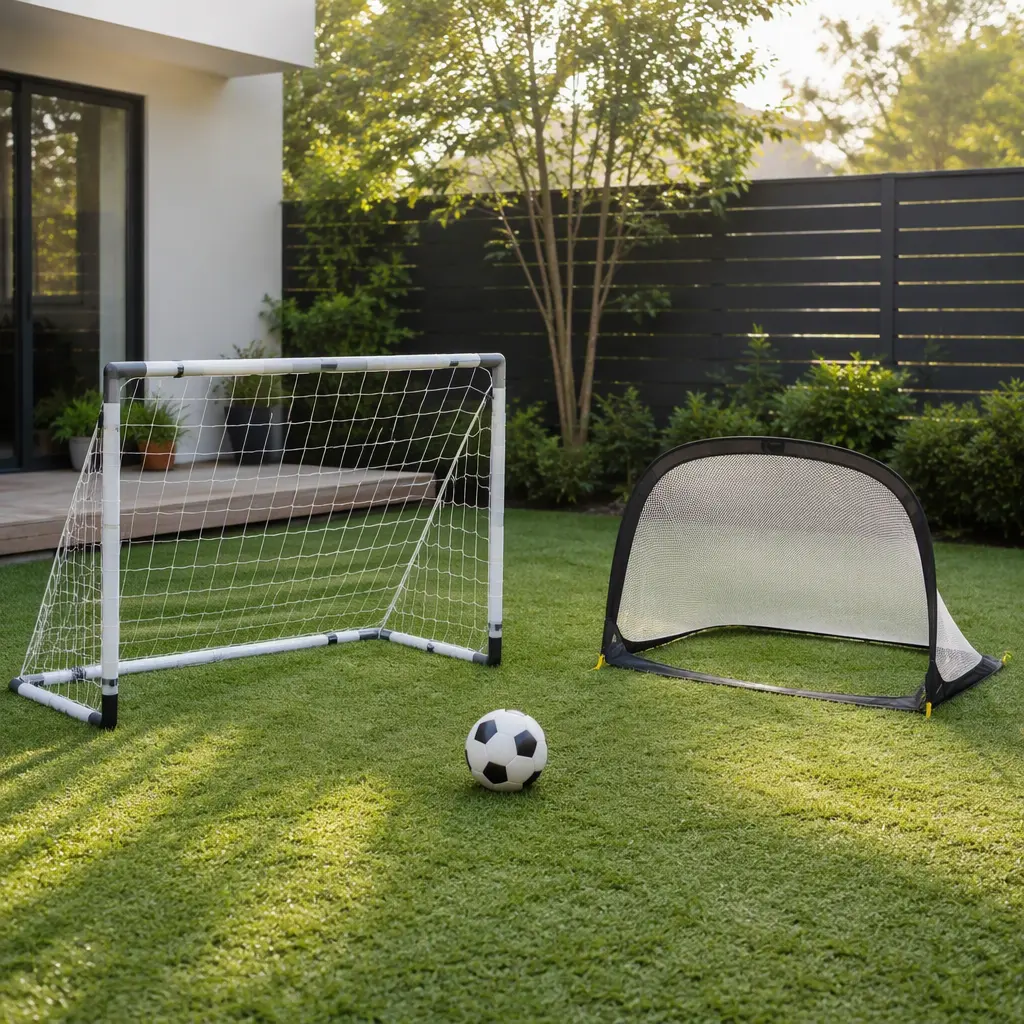
Outdoor & Active · 6–8 years
Compare foldable soccer goals and pop-up nets for kids aged 6–8. Learn which option fits small yards based on setup time, storage, durability, supervision and everyday play.
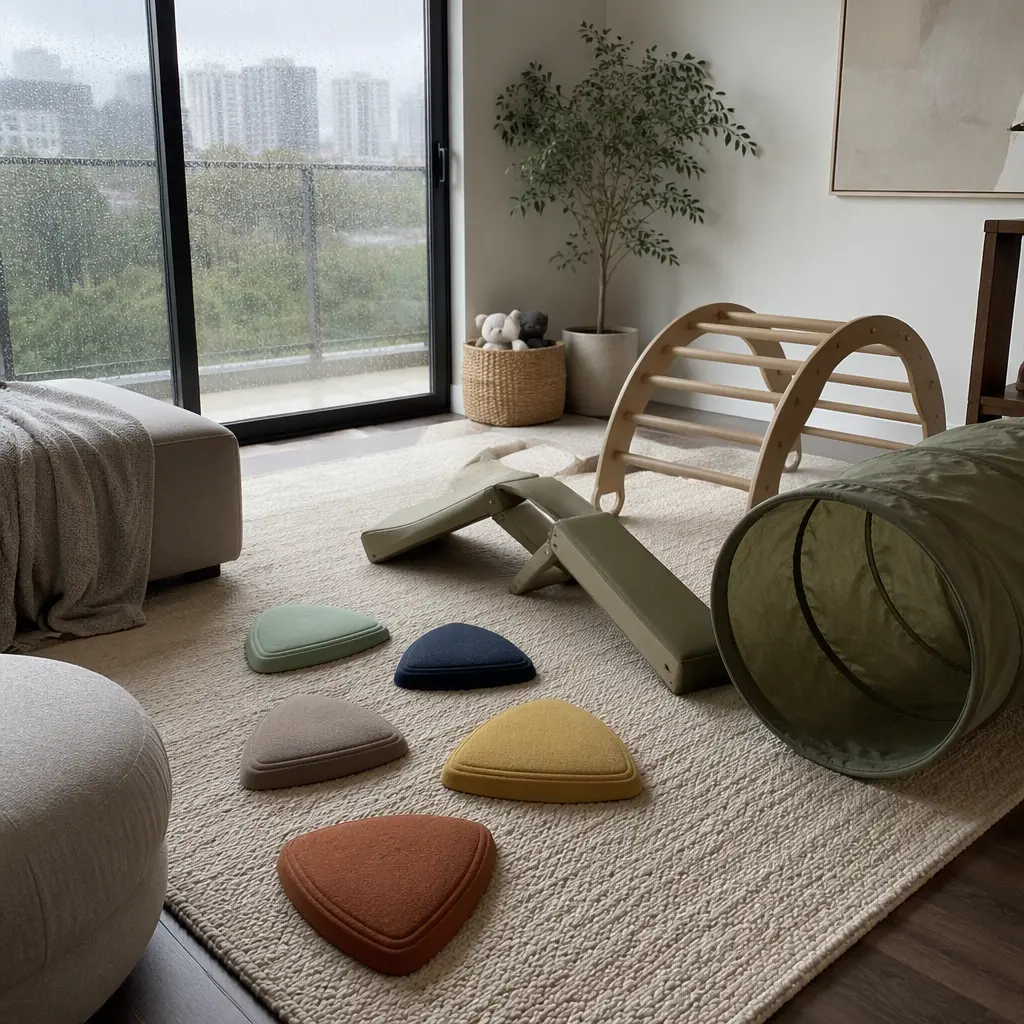
Outdoor & Active · 3–5 years
Compare quieter climbing, balance and movement toys for ages 3–5 that fit apartment living, limited space and rainy-day indoor play without constant stomping or loud electronics.
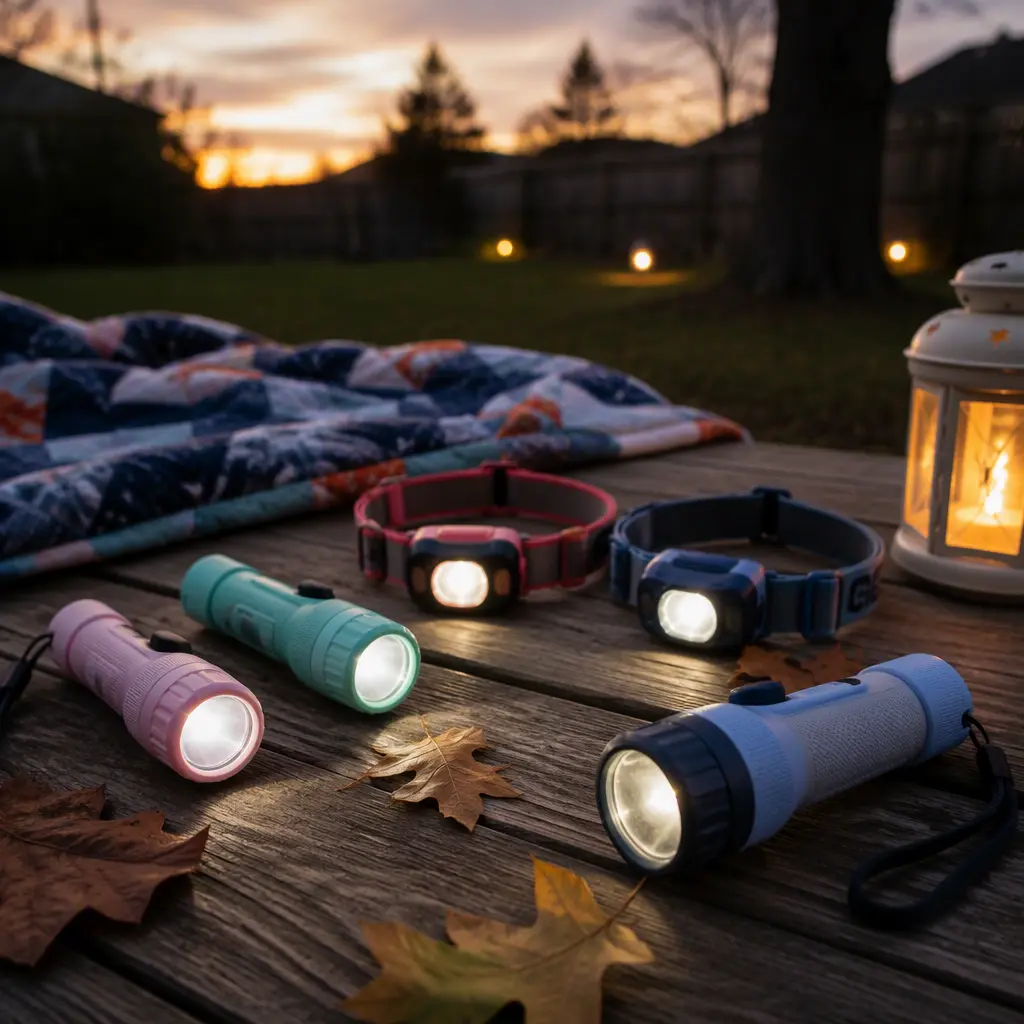
Outdoor & Active · 6–8 years
Compare kids’ flashlights and headlamps for camping, forts and night walks. Learn which features matter most for safety, durability, comfort and age-appropriate outdoor play.
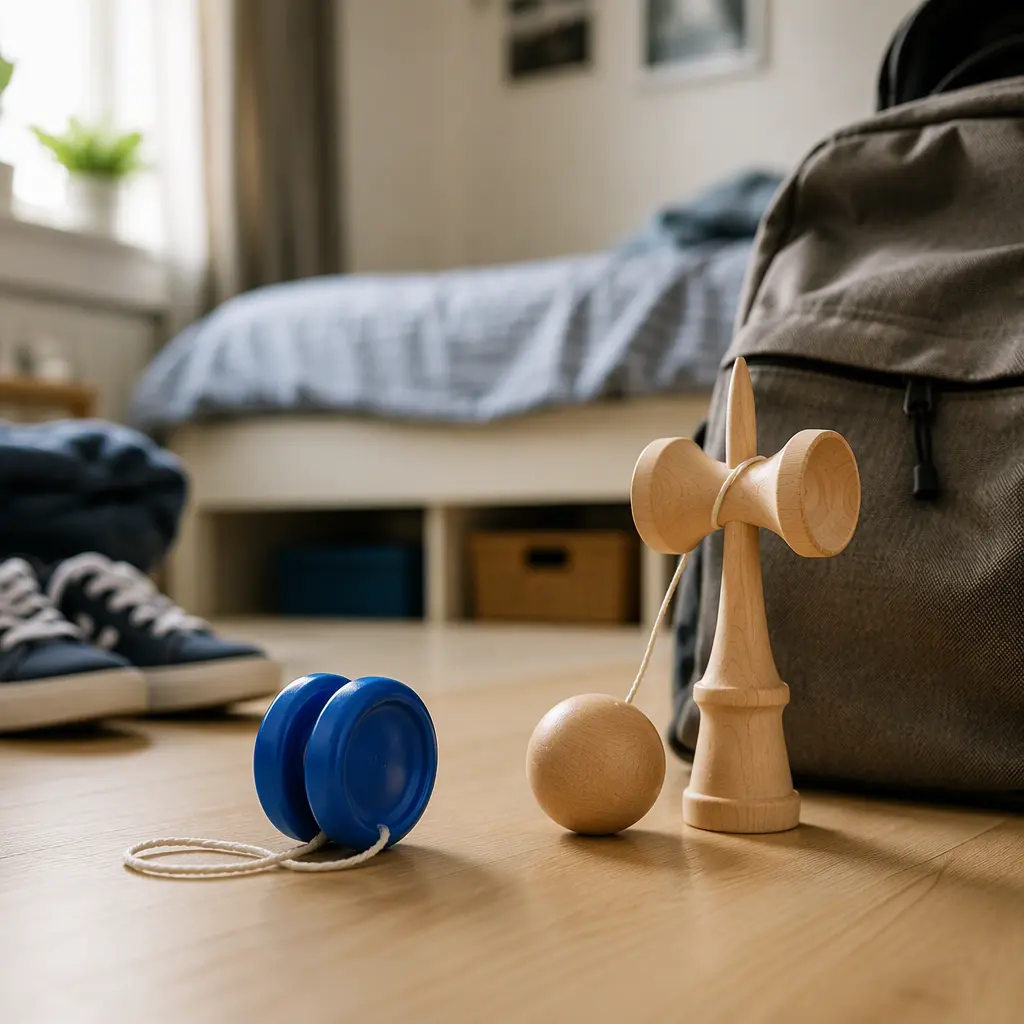
Outdoor & Active · 9–12 years
Comparing beginner yo-yos and kendamas for ages 9–12, including learning curve, durability, noise, storage, and which skill toy children are more likely to keep using over time.
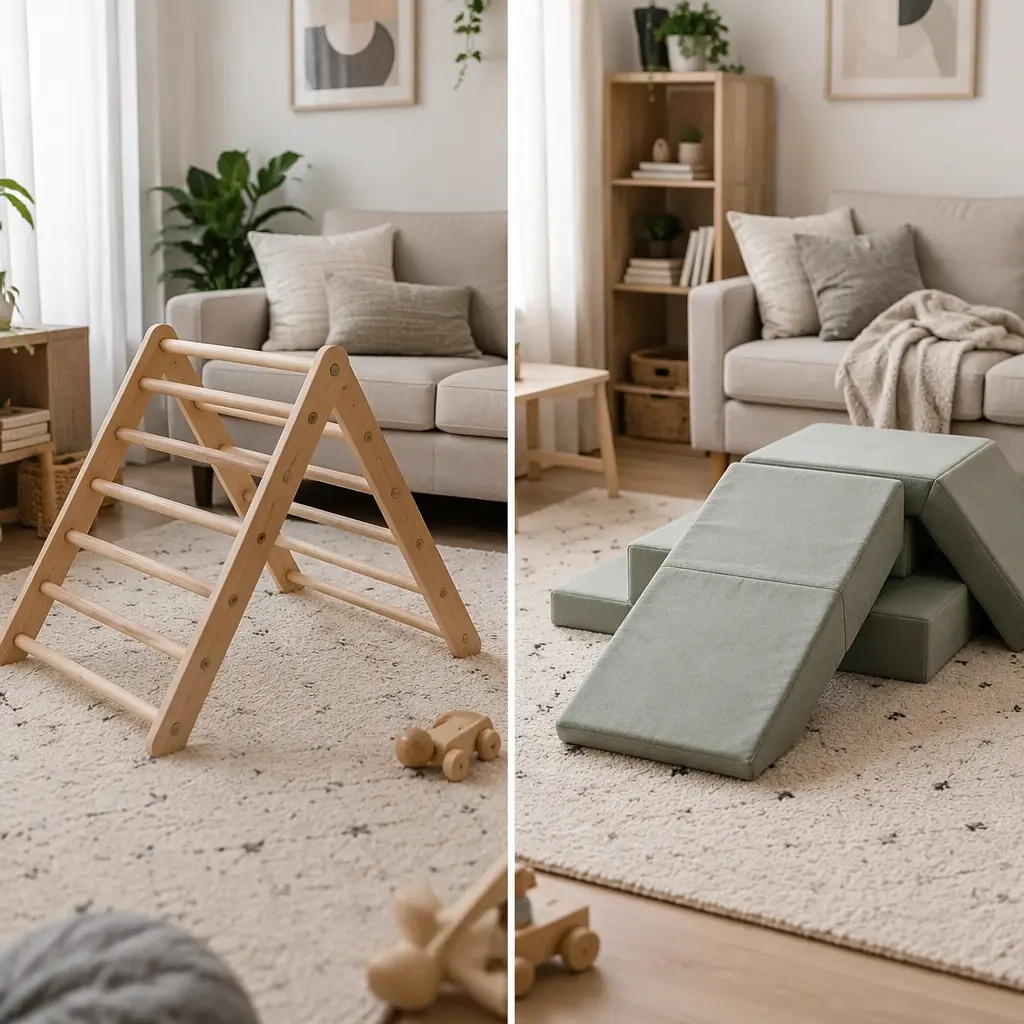
Outdoor & Active · 1–2 years
Comparing indoor climbing toys and nugget-style cushions for toddlers aged 1–2. Learn the trade-offs around storage, supervision, durability, and long-term play in small homes.
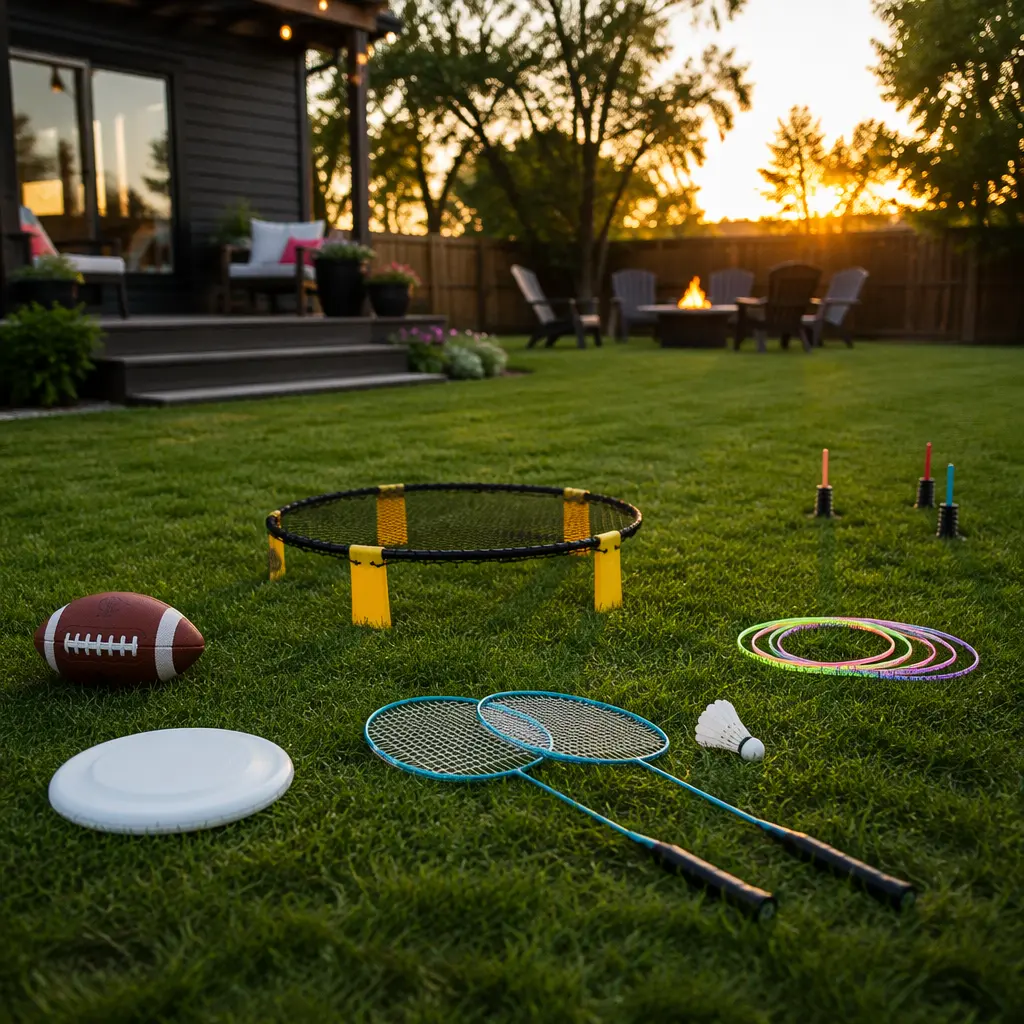
Outdoor & Active · 13+ years
Looking for affordable outdoor fun that teens will actually use? These low-cost backyard games and active picks work for hangouts, group play, and screen-free time with friends.
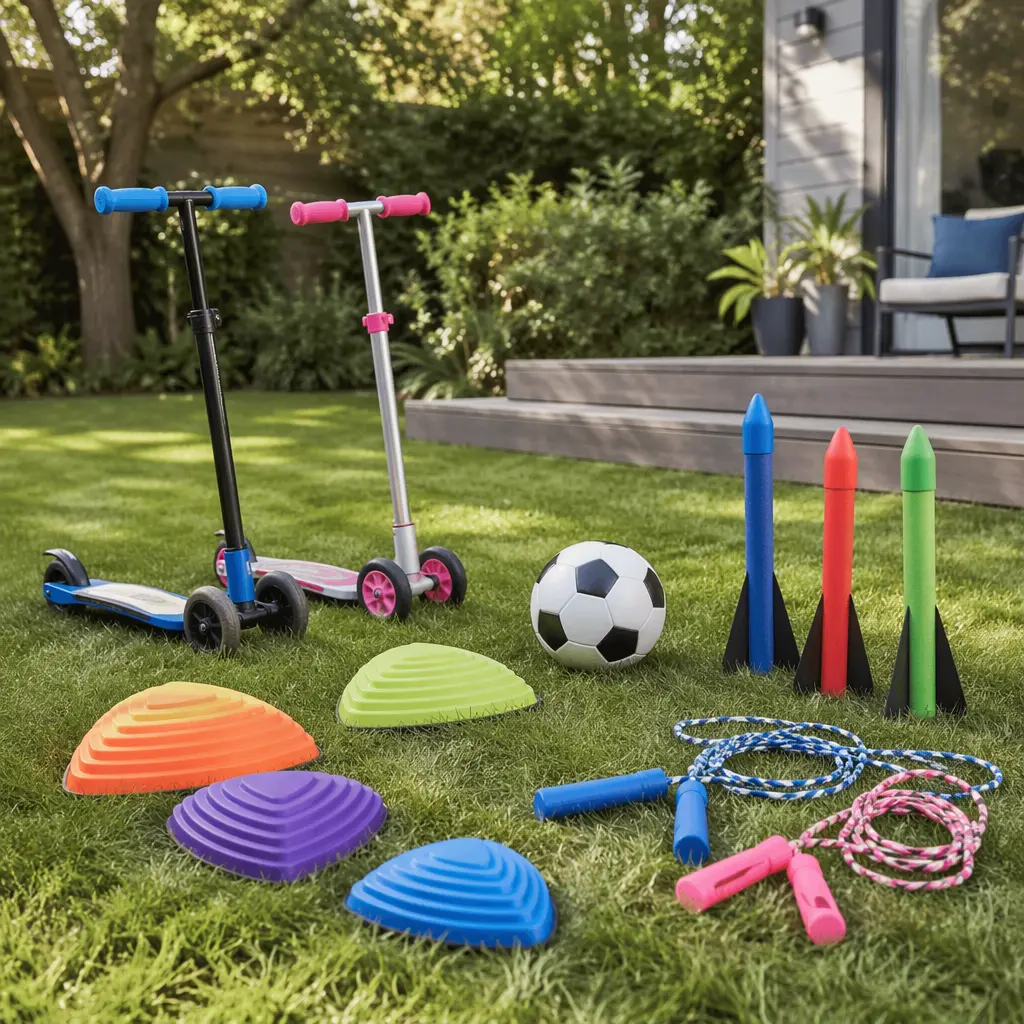
Outdoor & Active
Explore versatile outdoor toys and play gear that stay engaging from early elementary years through age 10, with tips on durability, safety, and long-term play value.
Outdoor & Active · 6–8 years
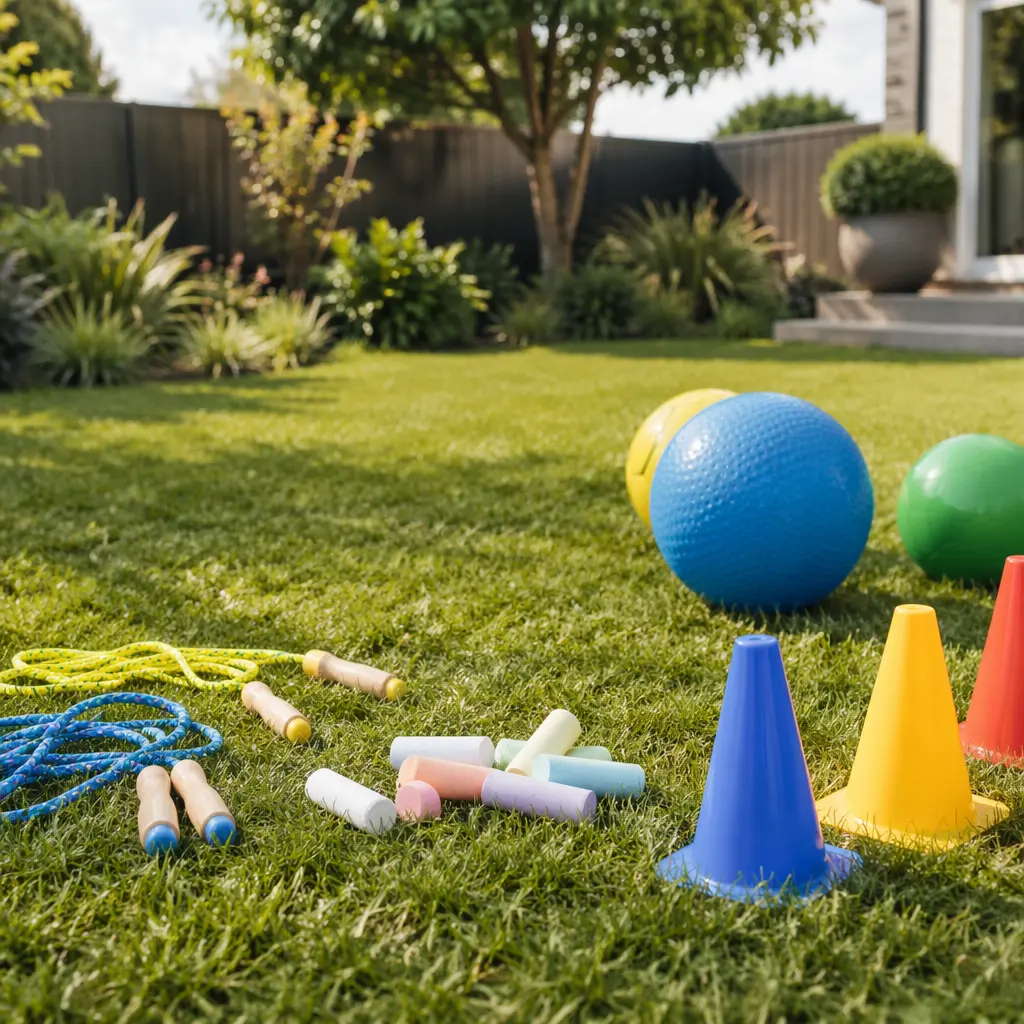
A parent-friendly guide to low-cost outdoor toys for ages 6–8 that spark imagination and movement. Learn what to look for, age fit, safety notes, and classic toy types that encourage kids to invent their own games.
Outdoor & Active · 9–12 years
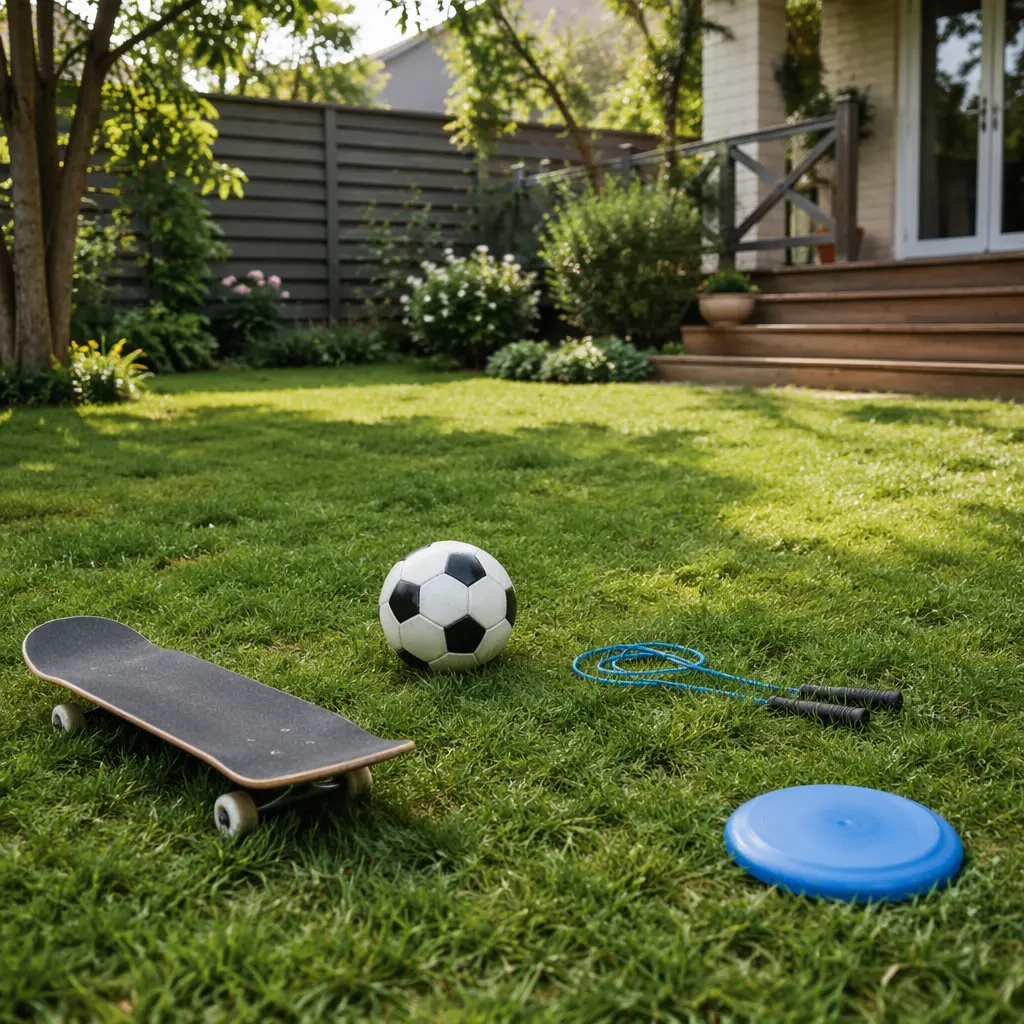
A parent-friendly guide to outdoor toys for ages 9–12 that feel active and age-appropriate—no batteries, no screens, just movement, challenge, and fun.
Outdoor & Active · 1–2 years
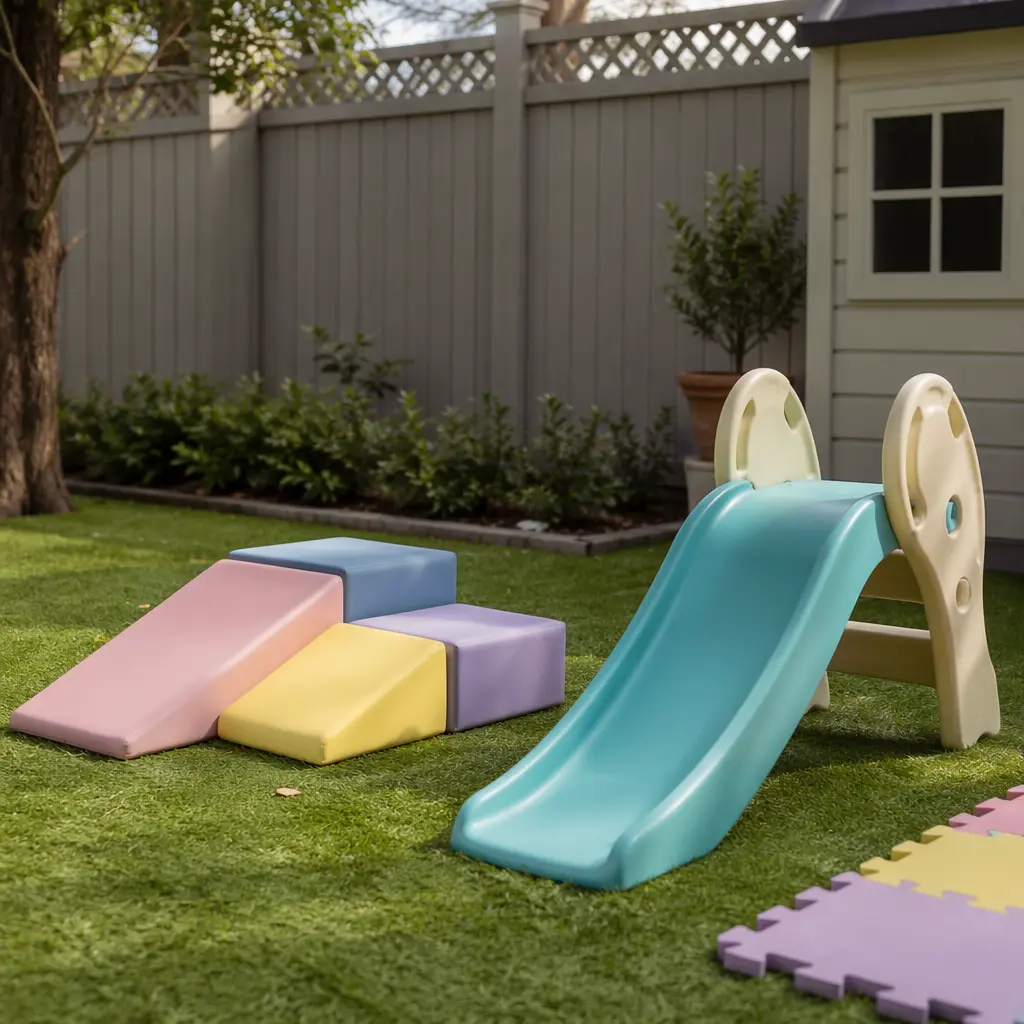
A parent-friendly guide to low-cost backyard toys that help 1–2 year olds practice safe climbing, balance, and confidence—what to look for, age fit, and smart safety tips.
Outdoor & Active · 1–2 years
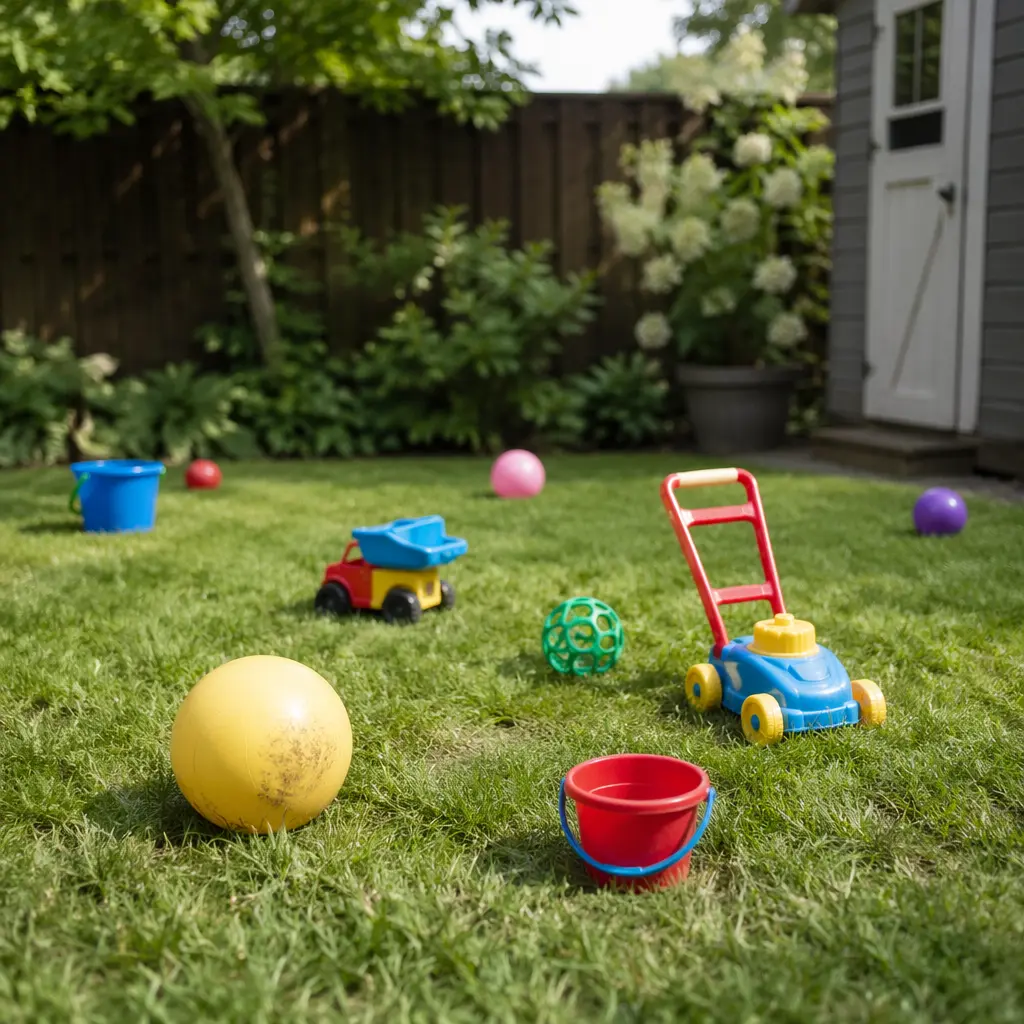
A parent-friendly guide to low-cost outdoor toys for ages 1–2 that encourage movement, imagination, and daily play—without complicated rules or fragile parts.
Outdoor & Active · 9–12 years
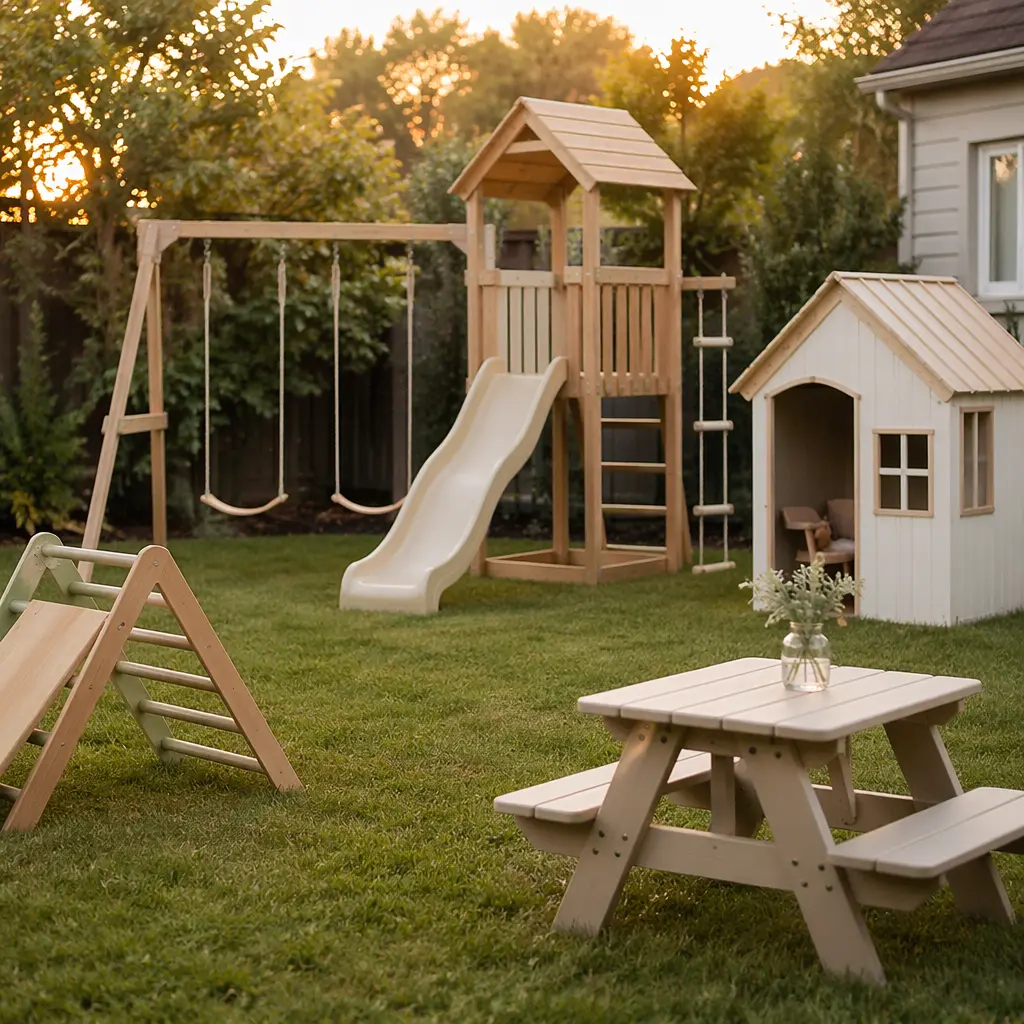
A parent-friendly guide to durable, skill-based outdoor toys for ages 9–12. Learn what to look for, age fit, safety notes, and popular categories that keep tweens active without feeling childish.
Outdoor & Active · 6–8 years
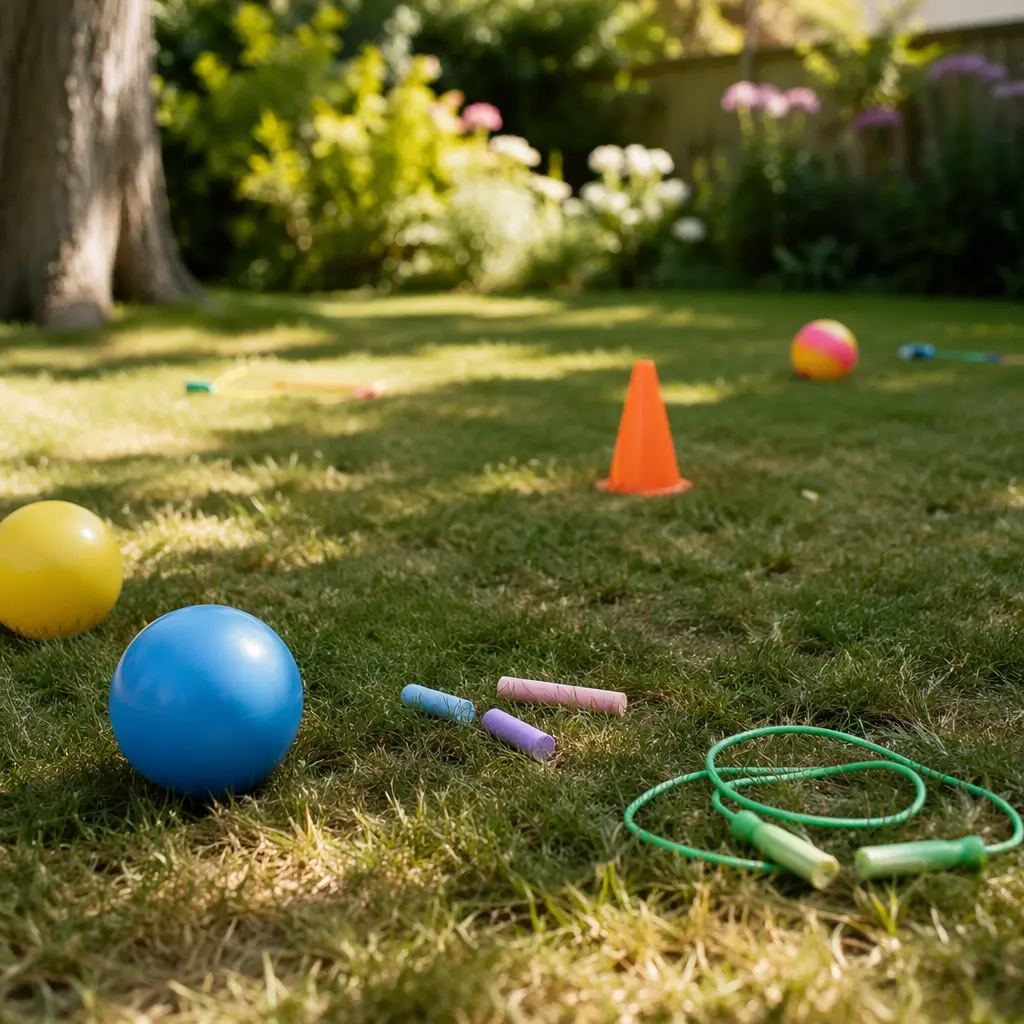
A buyer-focused guide to classic, low-cost outdoor toys that let kids invent their own games. Learn what to look for, age fit for 6–8 year olds, safety notes, and flexible toy types that spark creativity.
Outdoor & Active · 3–5 years
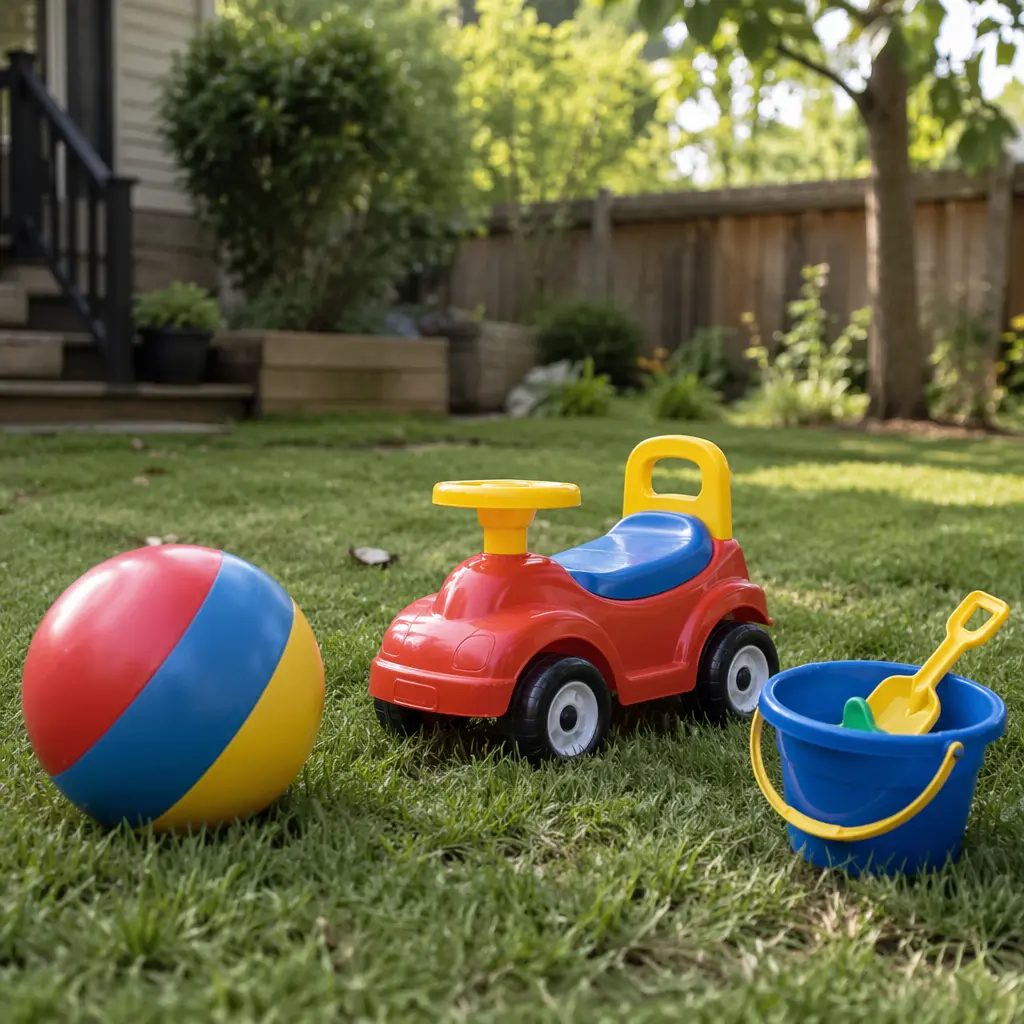
A buyer’s guide to budget-friendly outdoor toys for ages 3–5 that can handle daily, energetic play. Learn what materials last, which categories hold up best, and how to choose safe, durable classics.
Outdoor & Active · 6–8 years
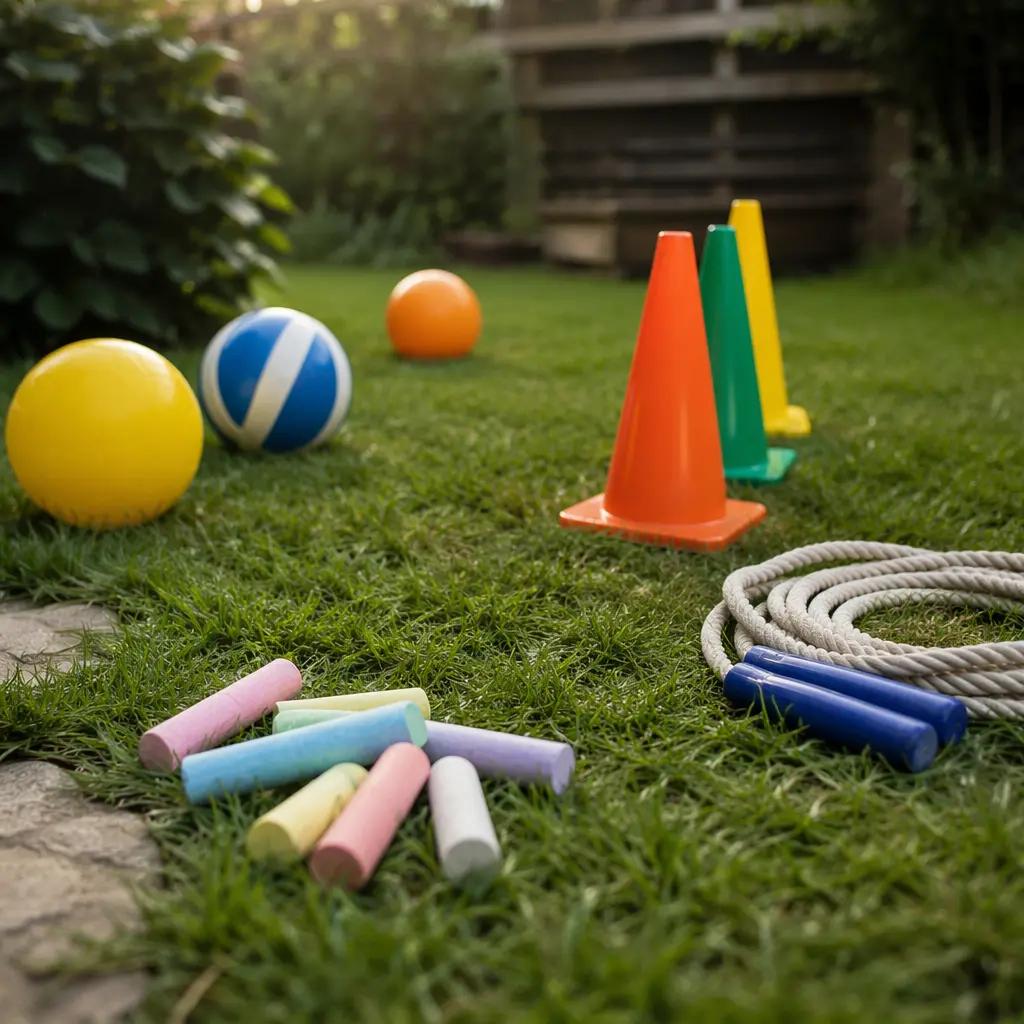
A parent-friendly guide to low-cost outdoor toys that spark imagination. Learn what to look for, age fit for 6–8 year olds, and how simple gear encourages kids to invent their own games.
Outdoor & Active · 6–8 years
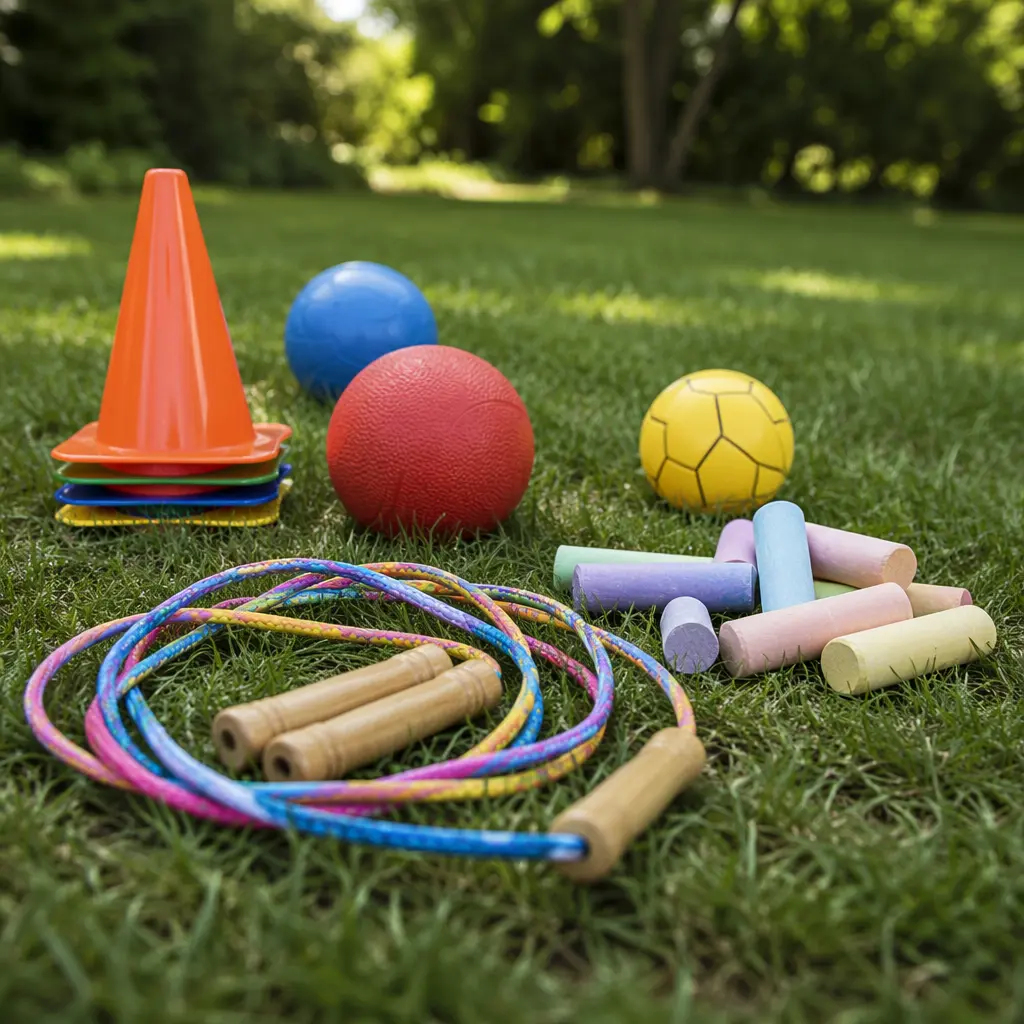
A parent guide to classic, low‑cost outdoor toys that don’t need batteries or screens. Learn what to look for, age fit for 6–8 years, and categories that spark creativity and active play.
Outdoor & Active · 9–12 years
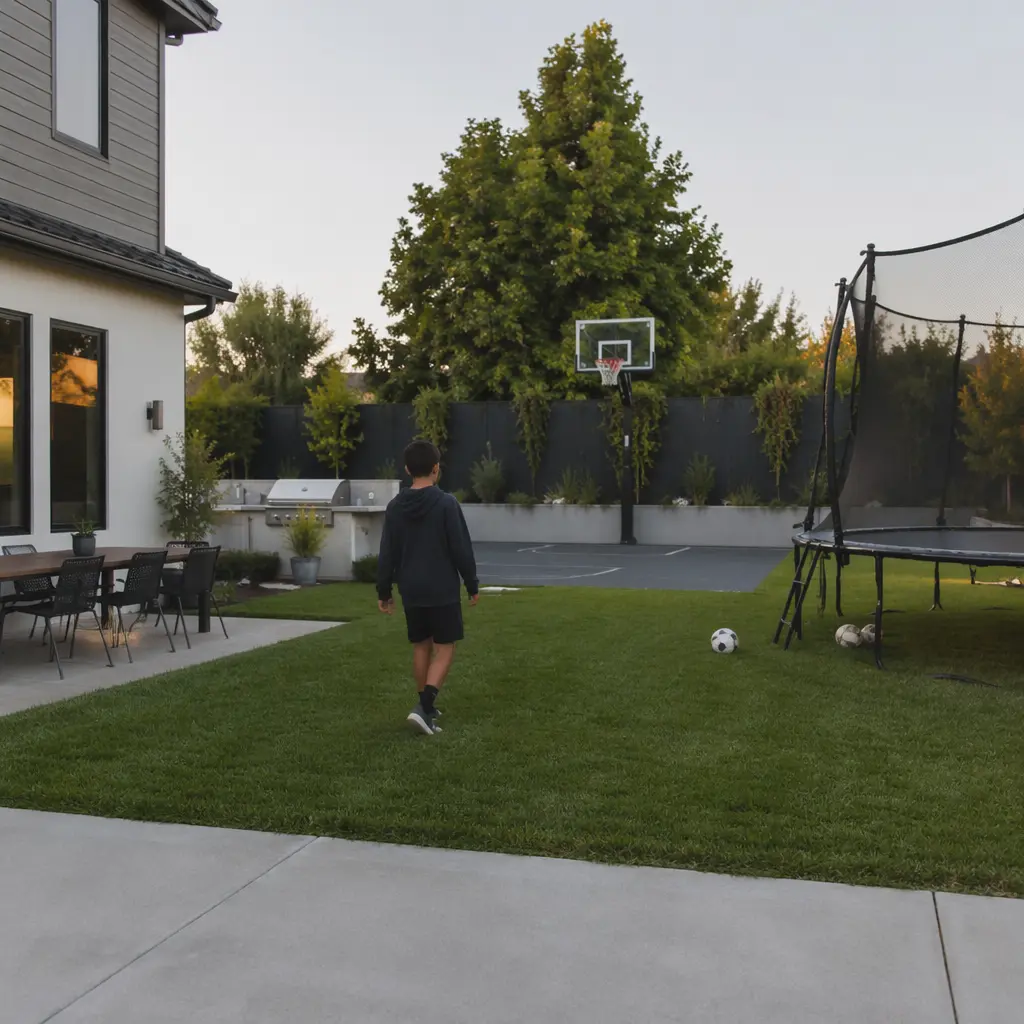
A parent-focused guide to outdoor toys for ages 9–12 that feel grown-up, encourage movement, and stay interesting beyond the first weekend.