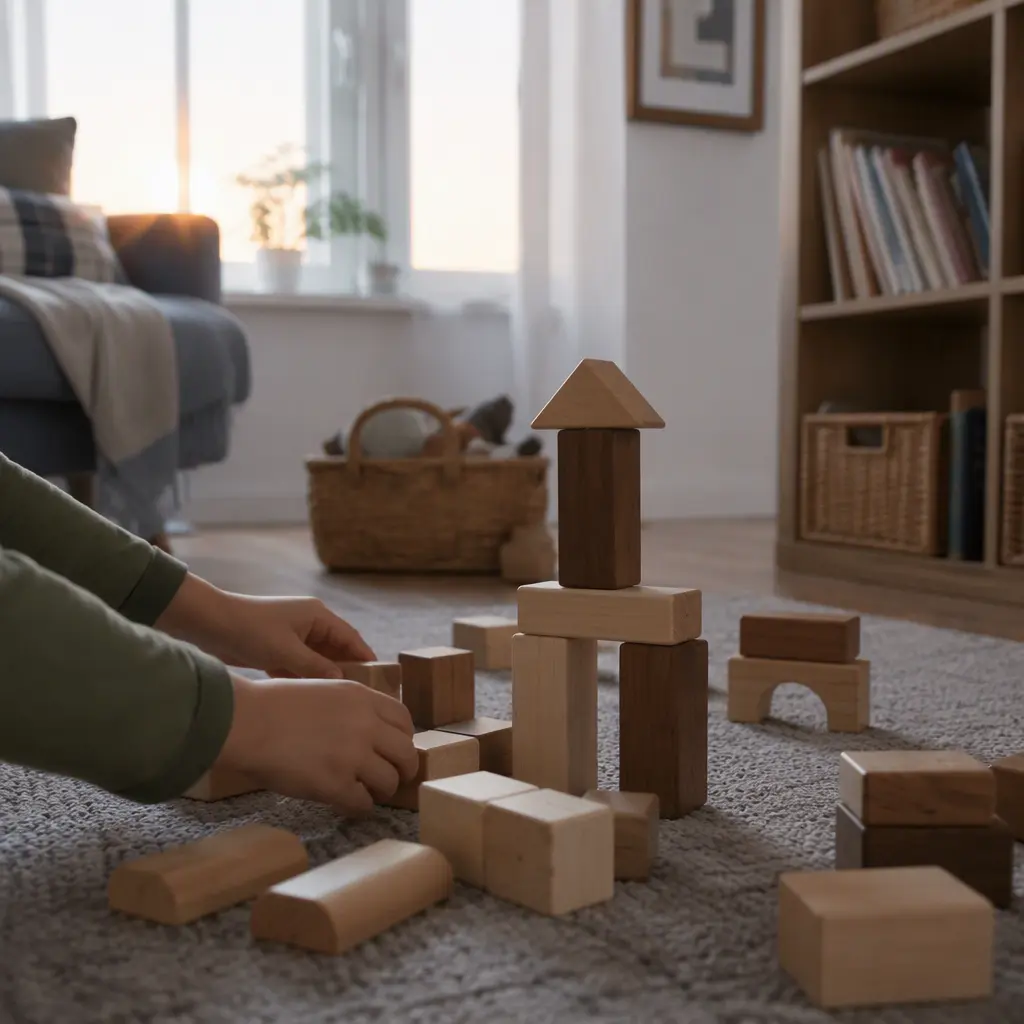
Building & Construction Sets · 3–5 years
A parent-focused guide to genuinely low-noise toys for preschoolers who wake early, with practical advice on mess, storage, supervision, and independent dawn play.
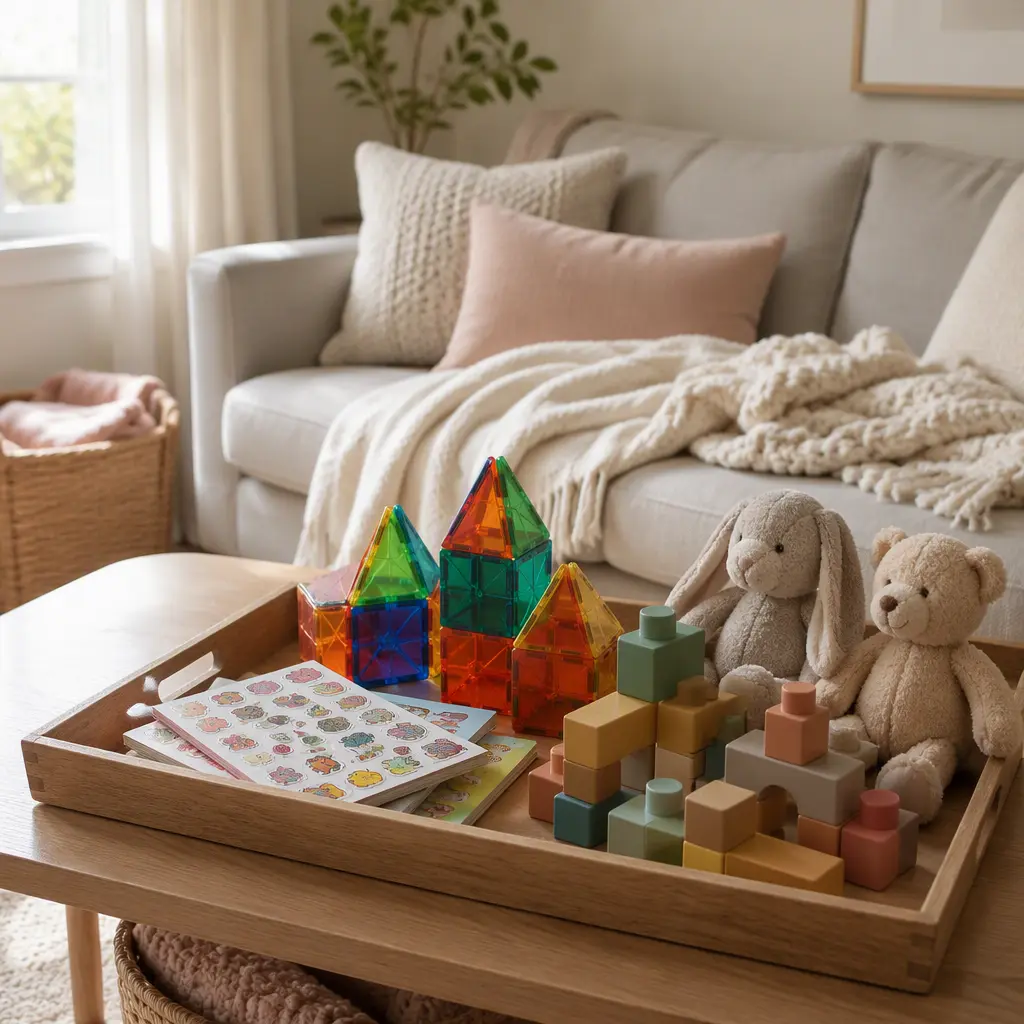
Building & Construction Sets · 3–5 years
Quiet, low-movement toys can help preschoolers rest after tonsil surgery. This guide compares calm, screen-free options that work from bed or the couch with minimal setup or supervision.
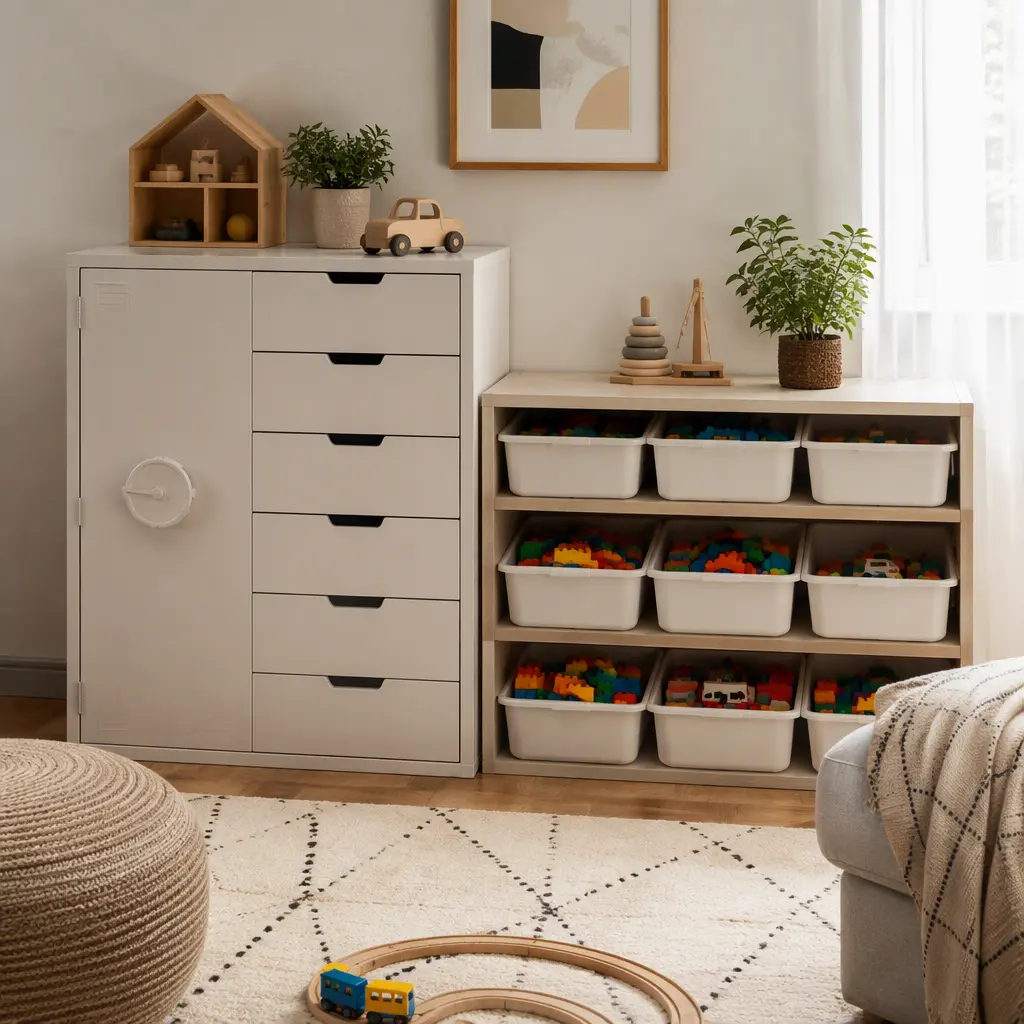
Building & Construction Sets · 3–5 years
Compare toy vaults and open bins for preschoolers who empty every container. Learn how visibility, cleanup speed, storage size and supervision affect daily play and tidying.
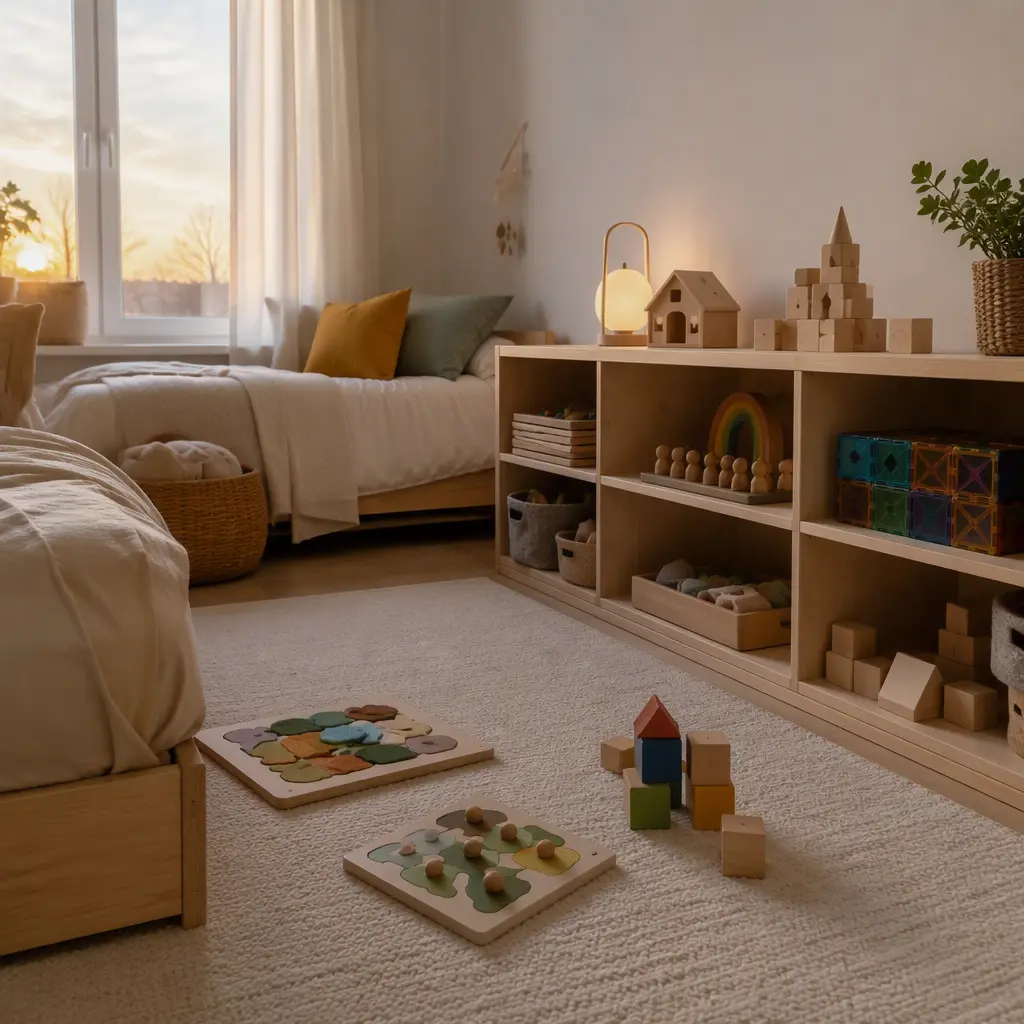
Building & Construction Sets · 3–5 years
A parent-focused guide to low-noise toys for ages 3–5 that support calm independent play in shared bedrooms, with practical advice on mess, storage, supervision and bedtime use.
Building & Construction Sets · 6–8 years
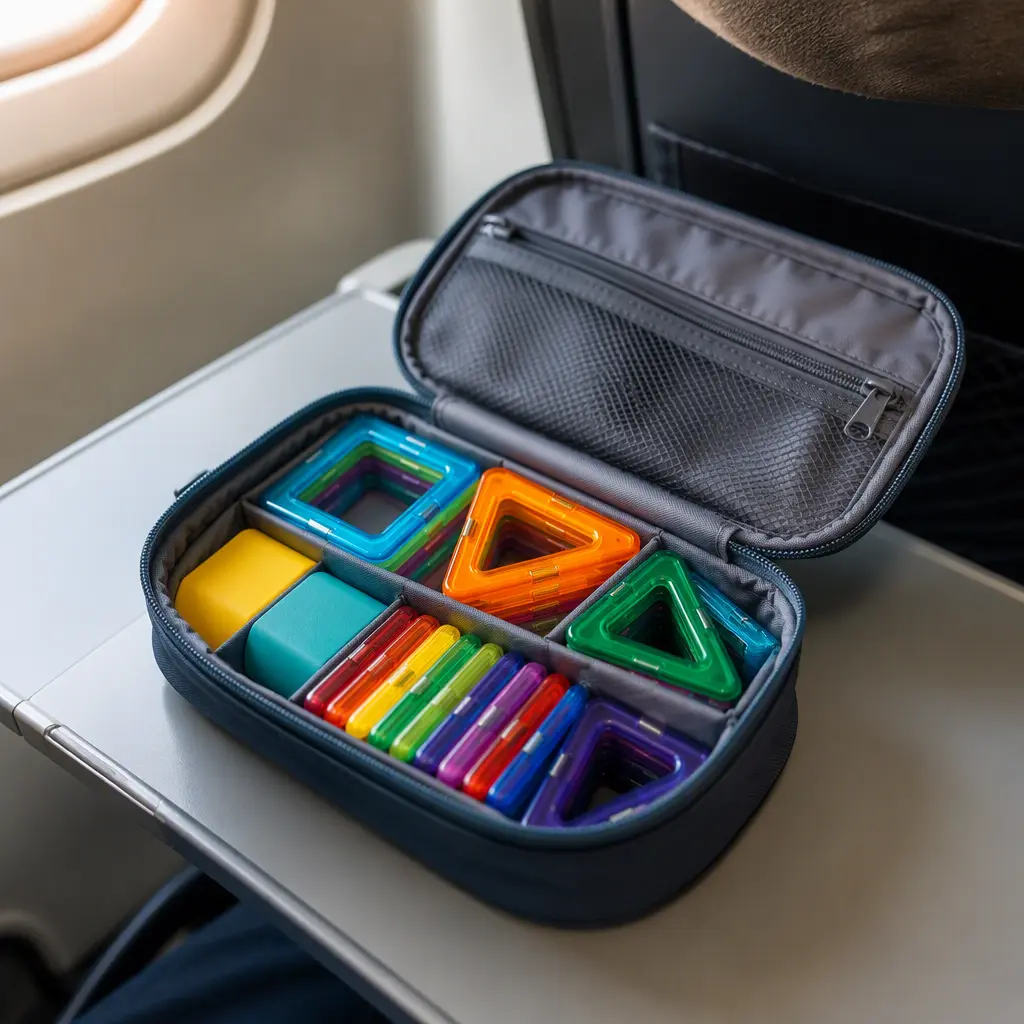
Compare magnetic building toy styles for ages 6–8, with a focus on hold strength, cleanup speed, storage, and piece loss during flights, car trips, and restaurant waits.
Building & Construction Sets · 6–8 years
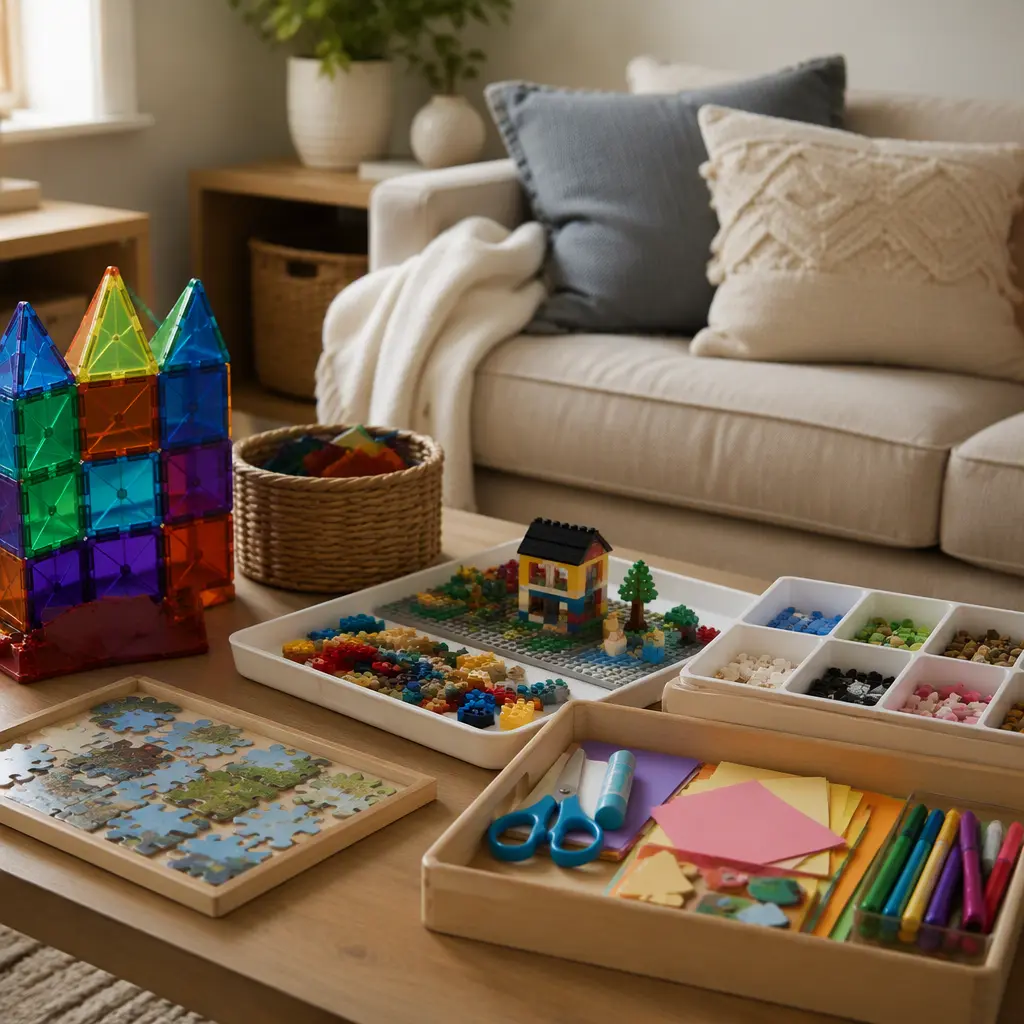
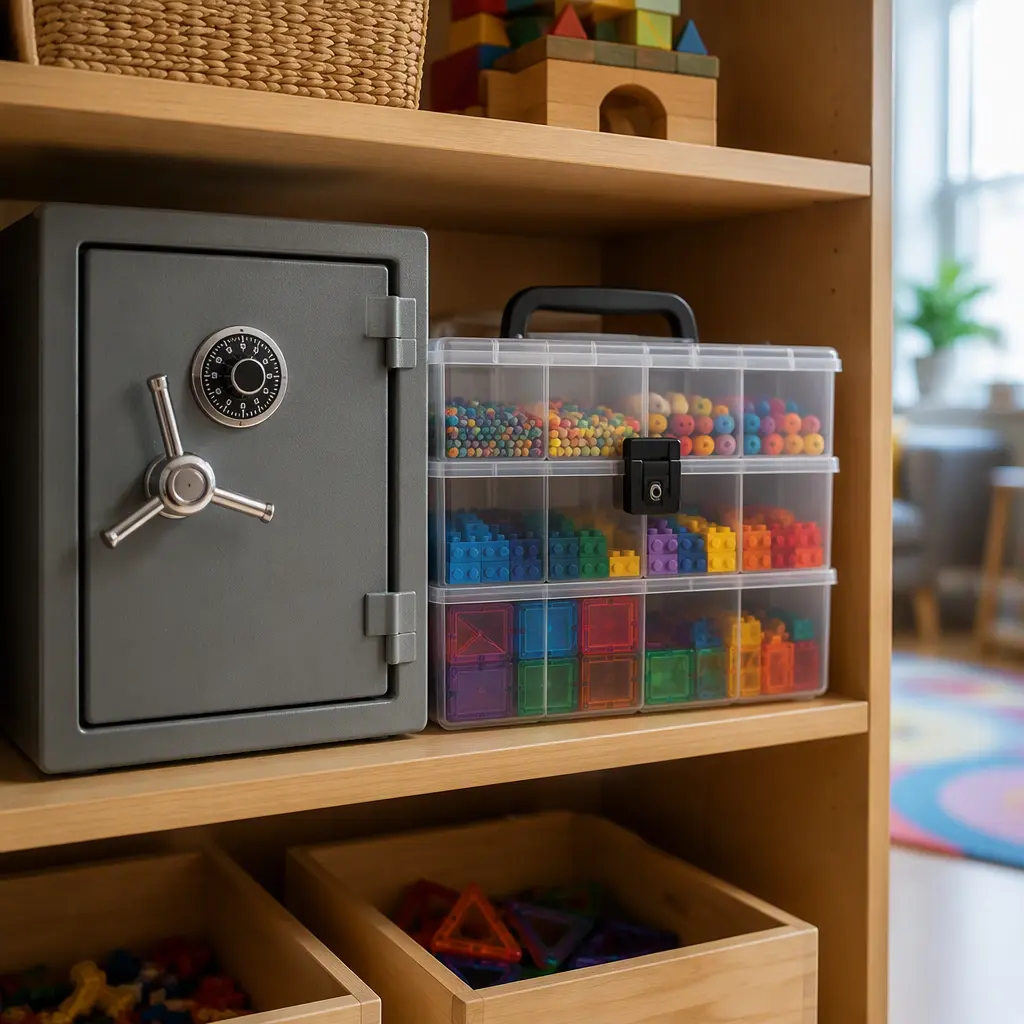
Compare toy safes and locking craft boxes for storing LEGO-sized parts, beads and magnets in homes with younger siblings. Learn the trade-offs around safety, access, storage and supervision.
Building & Construction Sets · 6–8 years
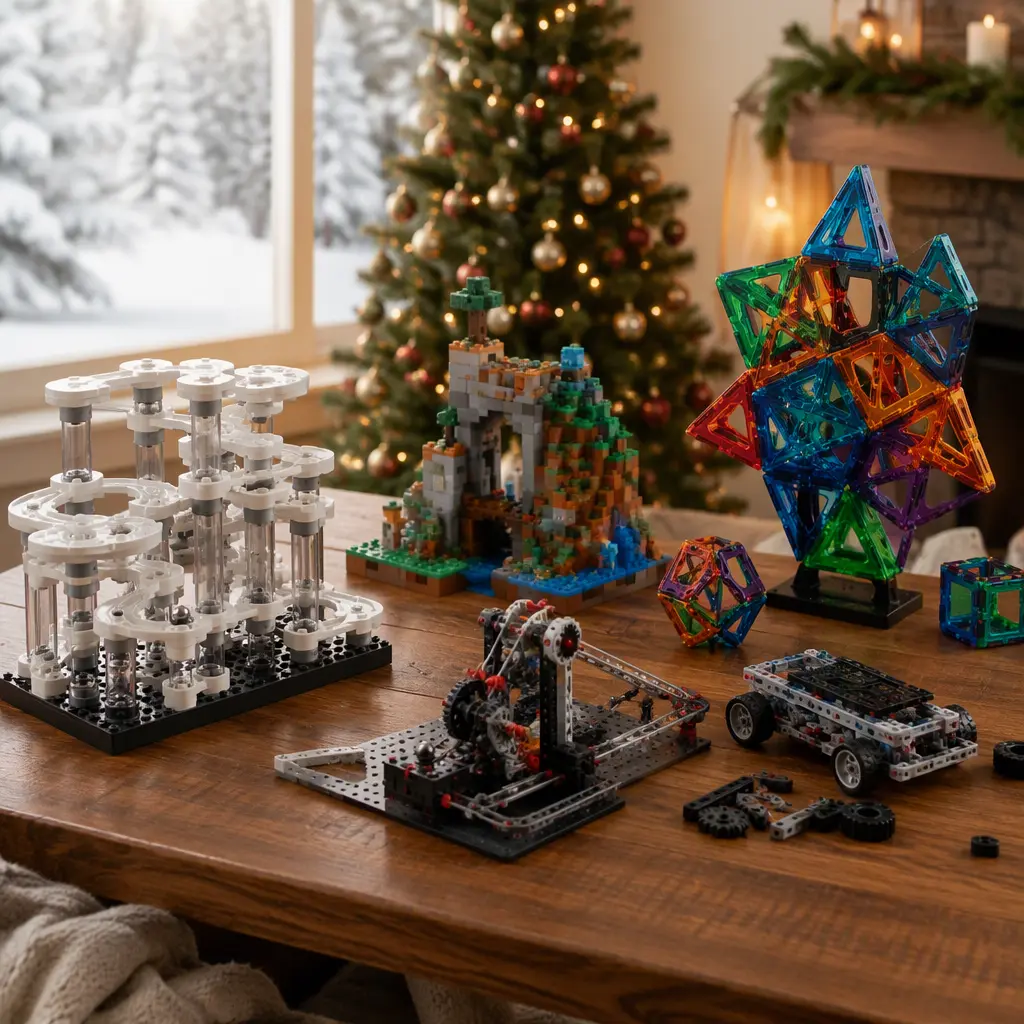
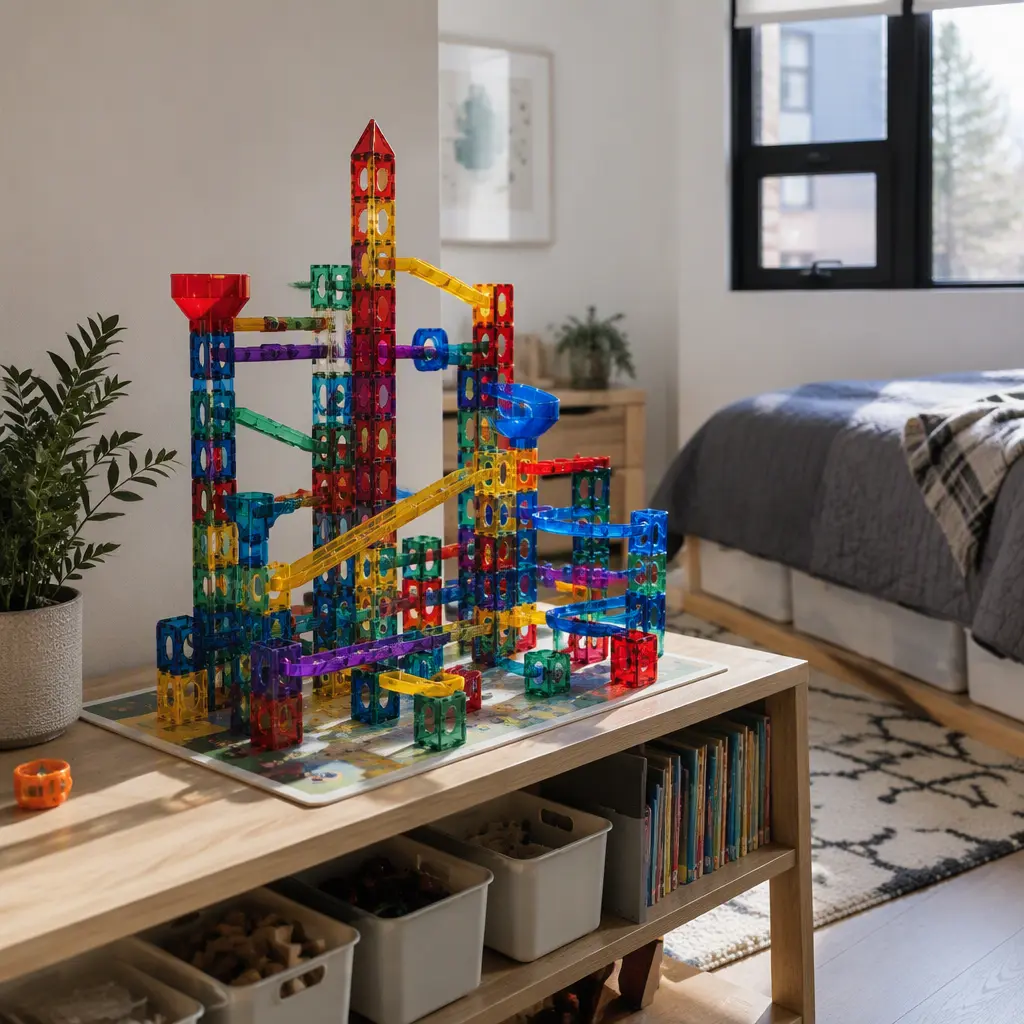
A parent-focused guide to compact marble runs for ages 6–8, with tips on contained builds, cleanup, storage, noise, durability, and safer play in apartments or shared bedrooms.
Building & Construction Sets · 1–2 years
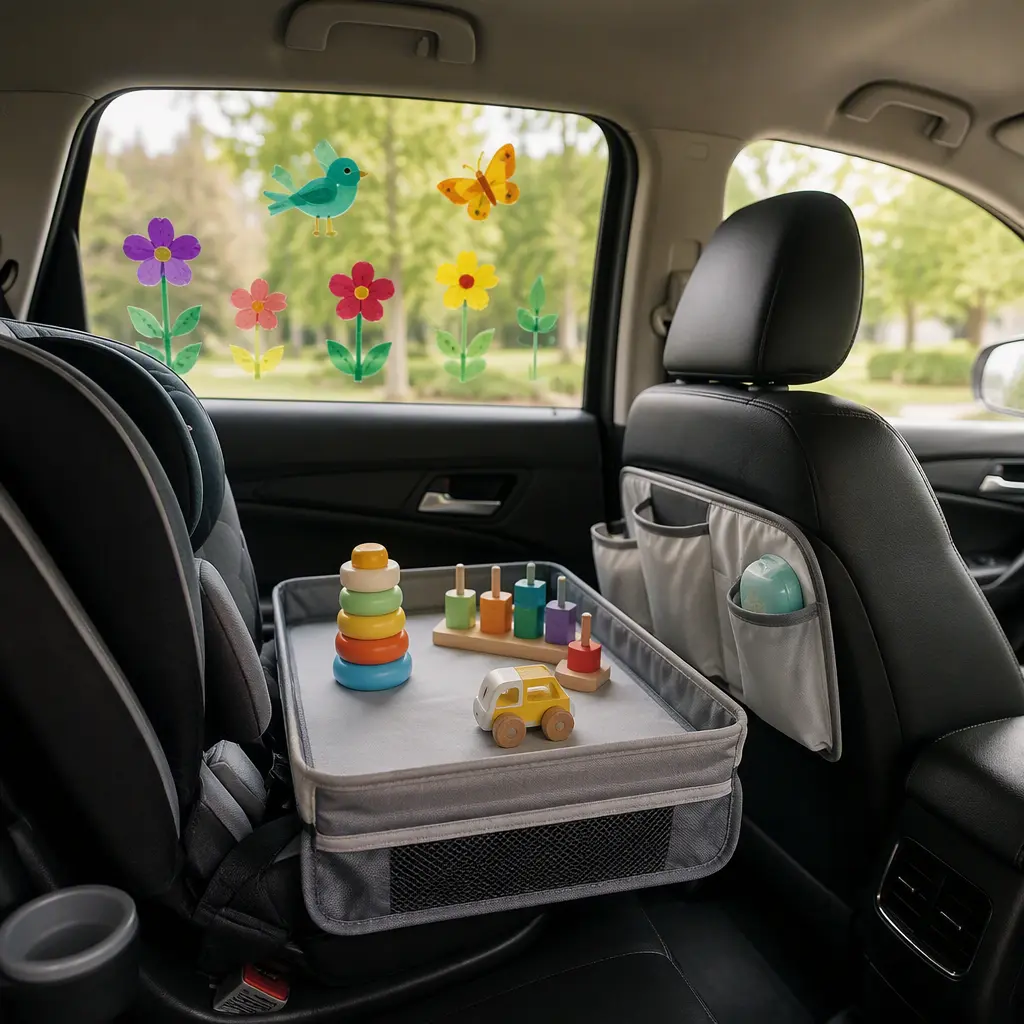
Compare travel tray toys and window clings for toddlers on long car rides. Learn which option suits your child's age, attention span, cleanup needs, and car-seat setup.
Building & Construction Sets · 1–2 years
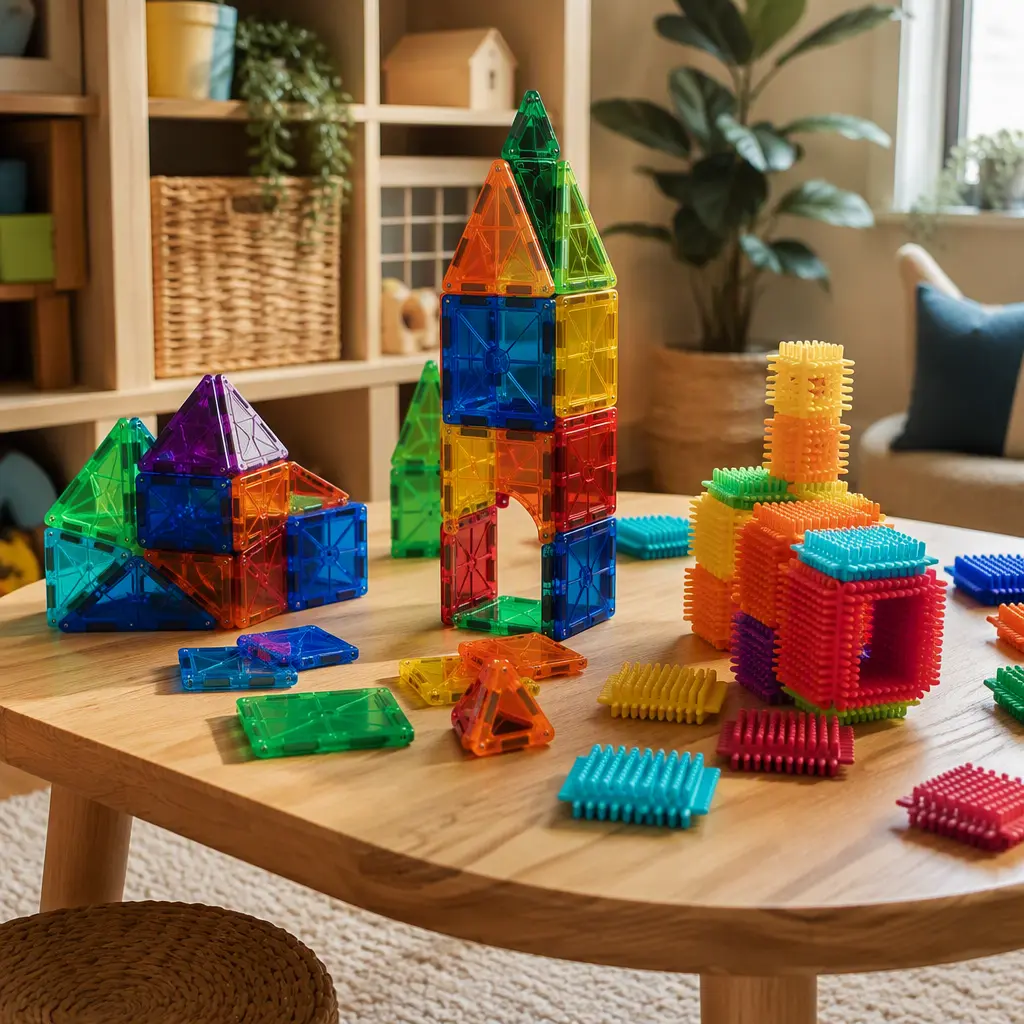
Compare magnetic tiles and bristle blocks for sensory-seeking toddlers ages 1–2. Learn how grip, cleanup, noise, frustration levels and supervision needs affect everyday play.

Building & Construction Sets · 3–5 years
A parent-focused guide to compact screen-free travel toys for ages 3–5 that siblings can share on planes and trains without noisy electronics or easy-to-lose tiny pieces.
Building & Construction Sets · 6–8 years
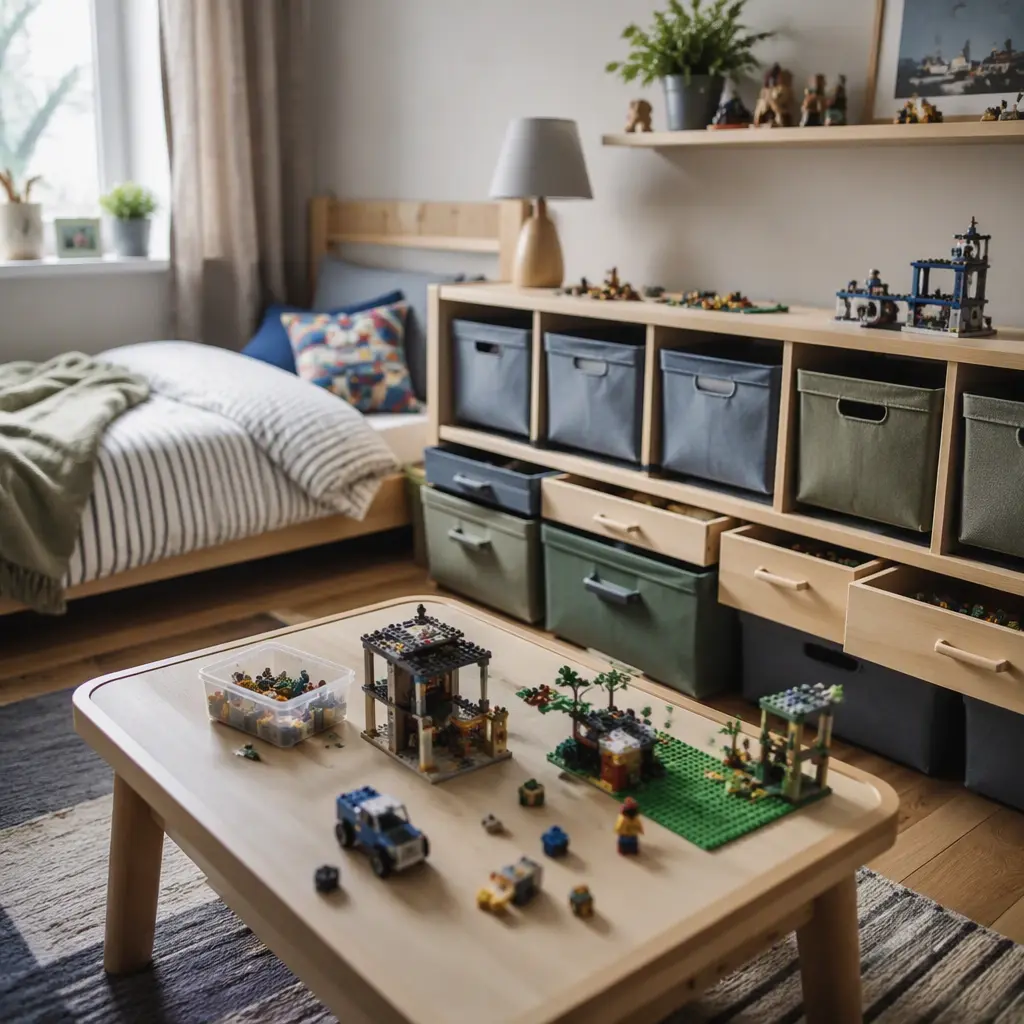
Compare compact building toys for ages 6–8 with a focus on storage space, rebuild value, noise, cleanup and independent play in shared bedrooms or smaller homes.

Building & Construction Sets · 3–5 years
Compare magnetic tiles and interlocking blocks for families with toddlers and older siblings. Learn about safety, storage, durability, and which system fits mixed-age play.
Building & Construction Sets · 1–2 years
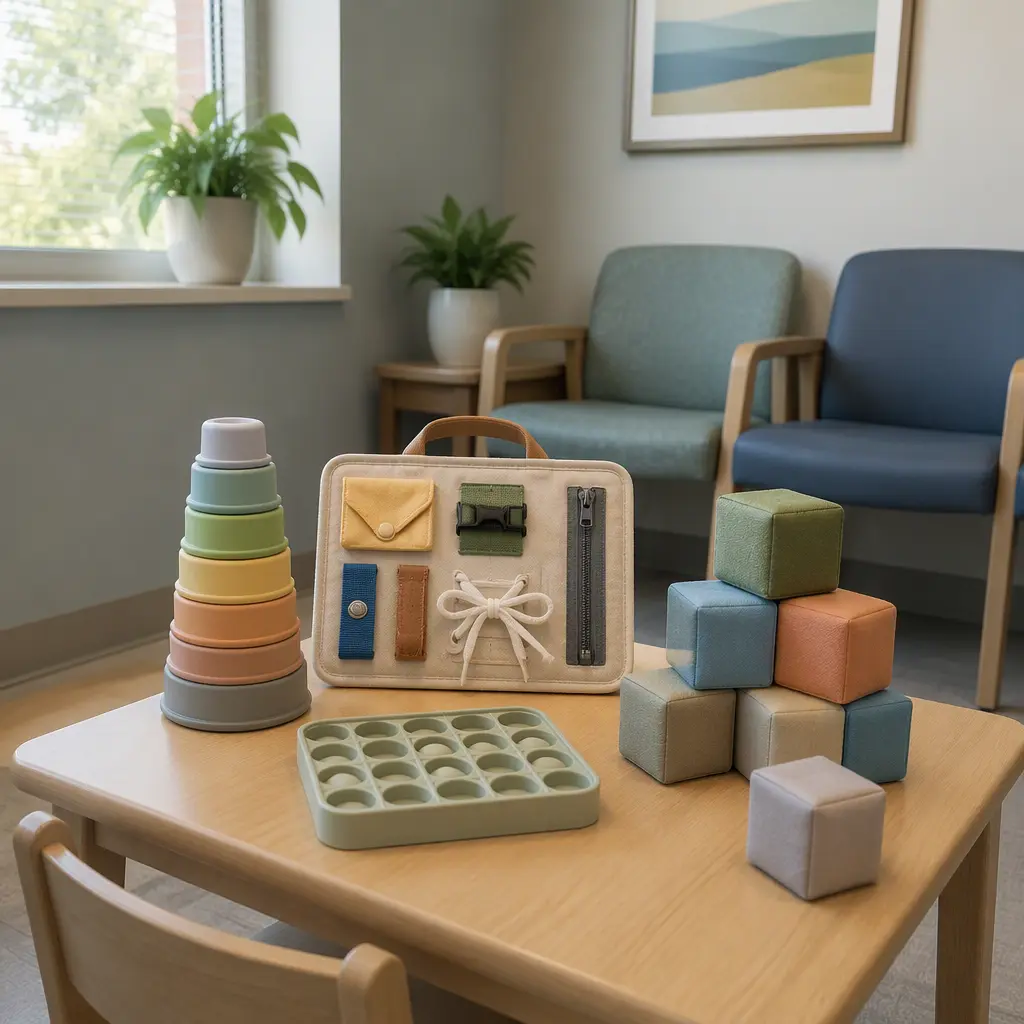
A parent-focused guide to quiet, drop-resistant toys for toddlers aged 1–2 in waiting rooms, with practical advice on mess, portability, supervision and age suitability.
Building & Construction Sets · 3–5 years
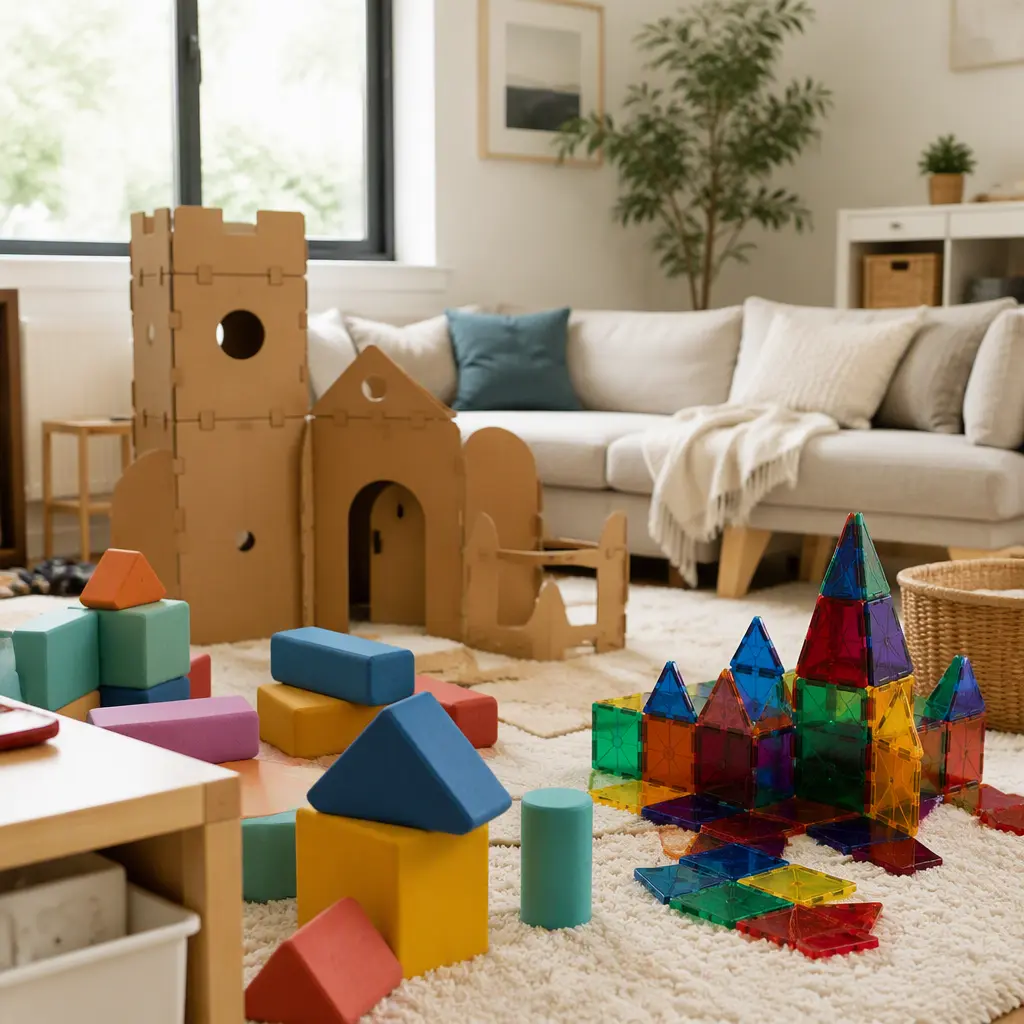
A parent-focused guide to oversized building toys for ages 3–5, comparing foam blocks, cardboard systems, magnetic tiles and more with cleanup, storage and safety in mind.
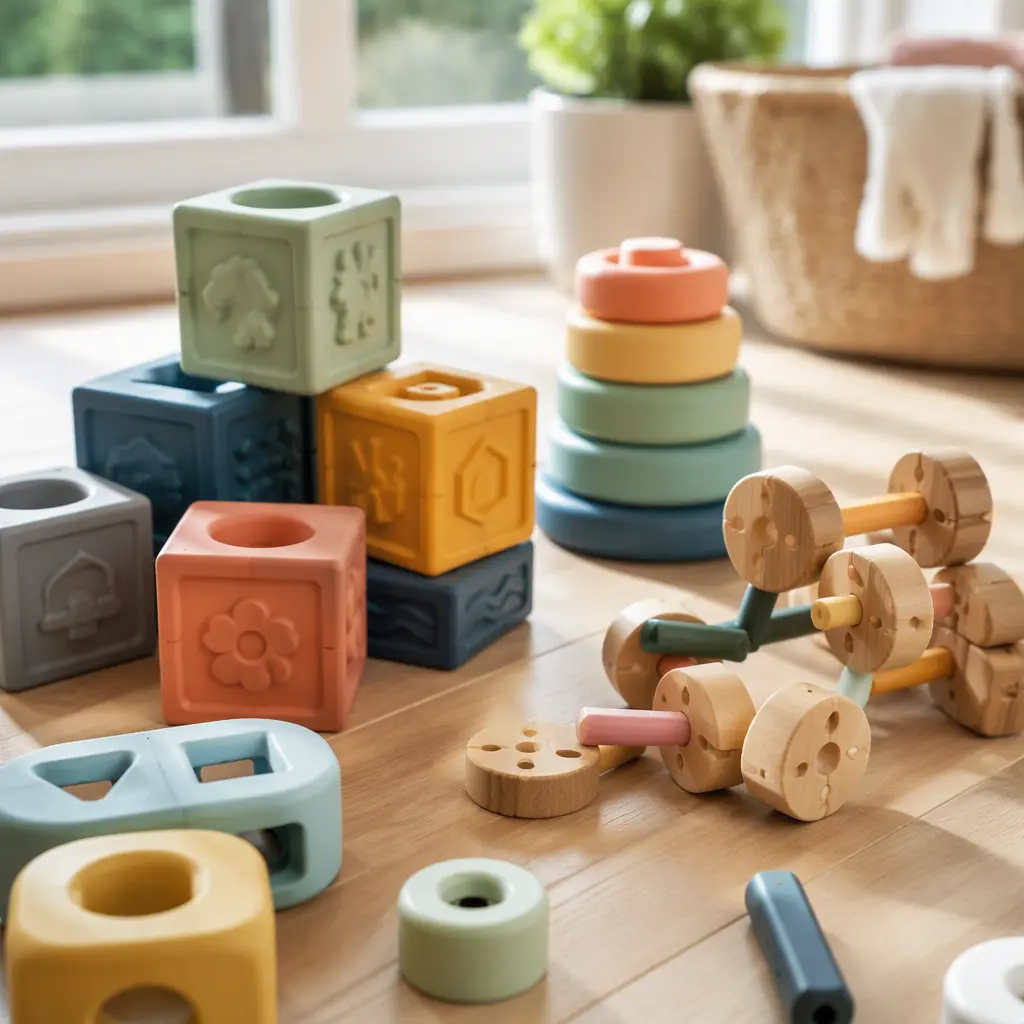
Building & Construction Sets · 1–2 years
A parent-focused guide to washable building toys for ages 1–2, covering easy-clean materials, drying concerns, supervision, storage and which construction styles work best for heavy mouthing.
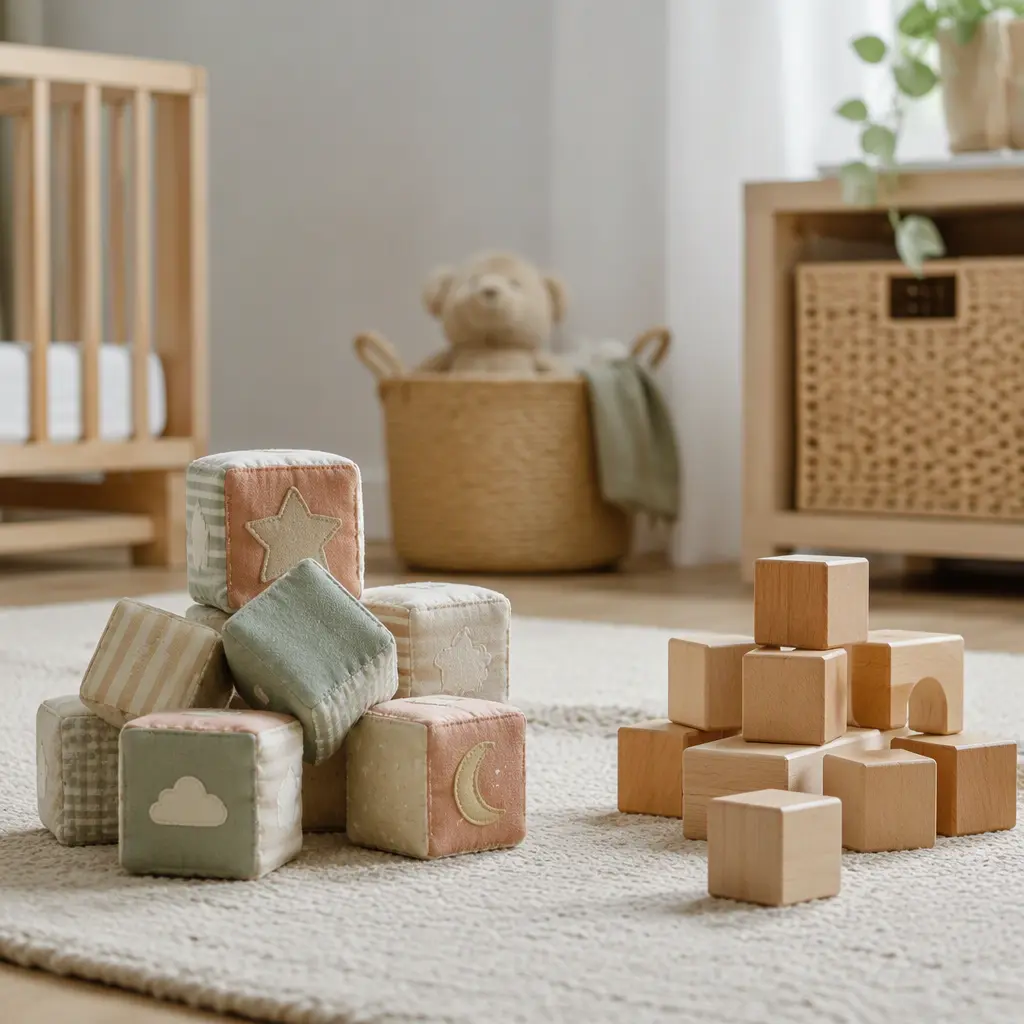
Building & Construction Sets · 0–12 months
Comparing soft and wooden blocks for babies who love to toss toys. Learn the trade-offs around noise, safety, cleanup, durability and long-term play value for 0–12 months.
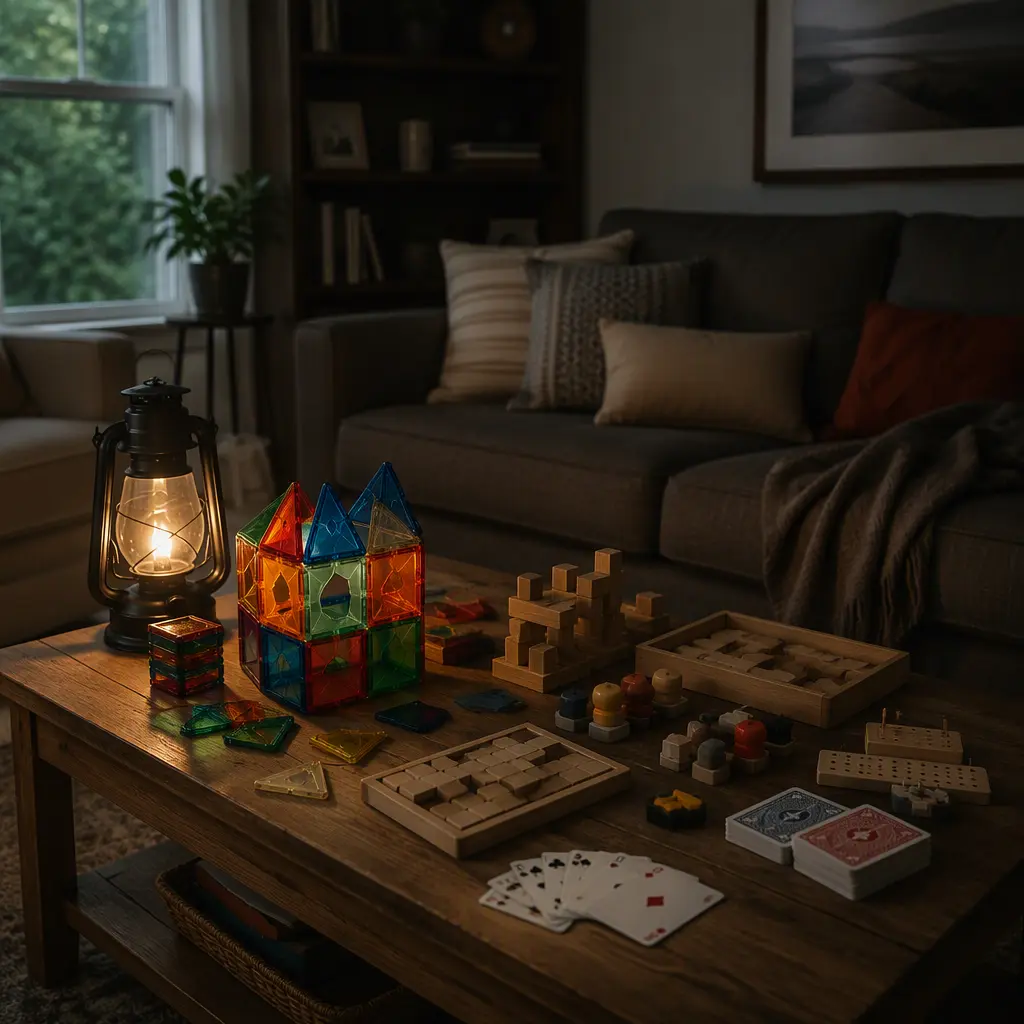
Building & Construction Sets · 6–8 years
Find compact, battery-free toys for ages 6–8 that stay fun during power outages. This guide compares quiet builds, travel games and creative options with low mess and easy storage.
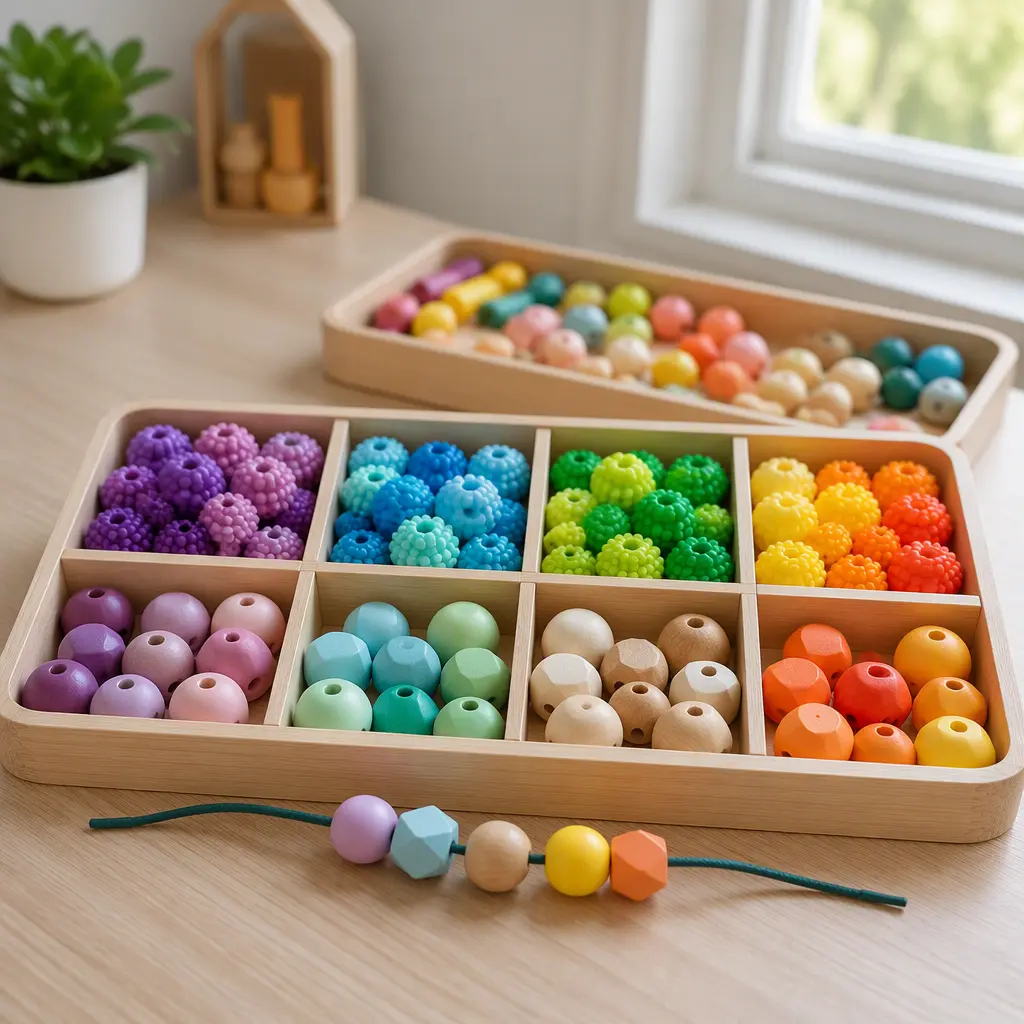
Building & Construction Sets · 3–5 years
Compare pop beads and lacing sets for preschool fine-motor practice. Learn which toy type is quieter, easier to store, less frustrating by age, and better for independent play.
Building & Construction Sets · 6–8 years
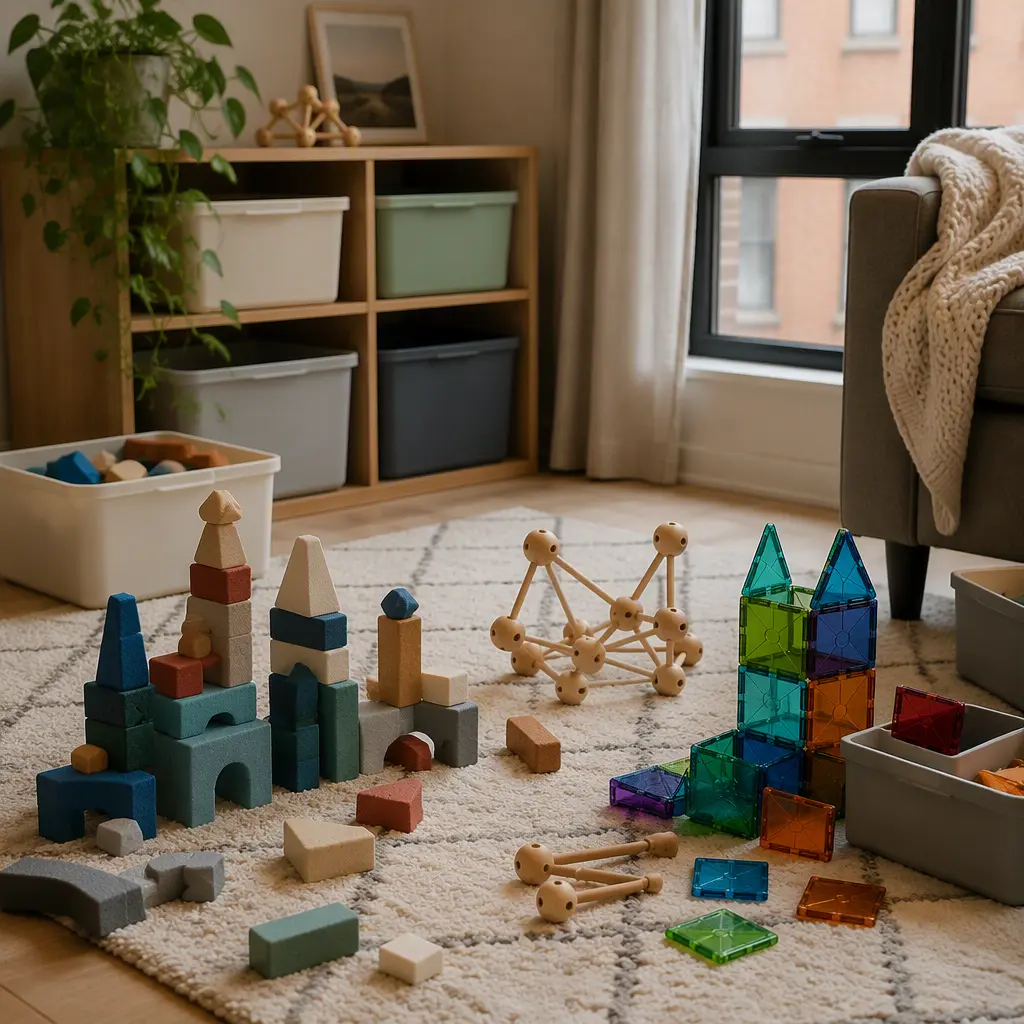
Compare quieter building toys for ages 6–8 with a focus on drop noise, cleanup speed, storage, and shared-wall living. Find options that support creative play without constant clatter.
Building & Construction Sets · 6–8 years
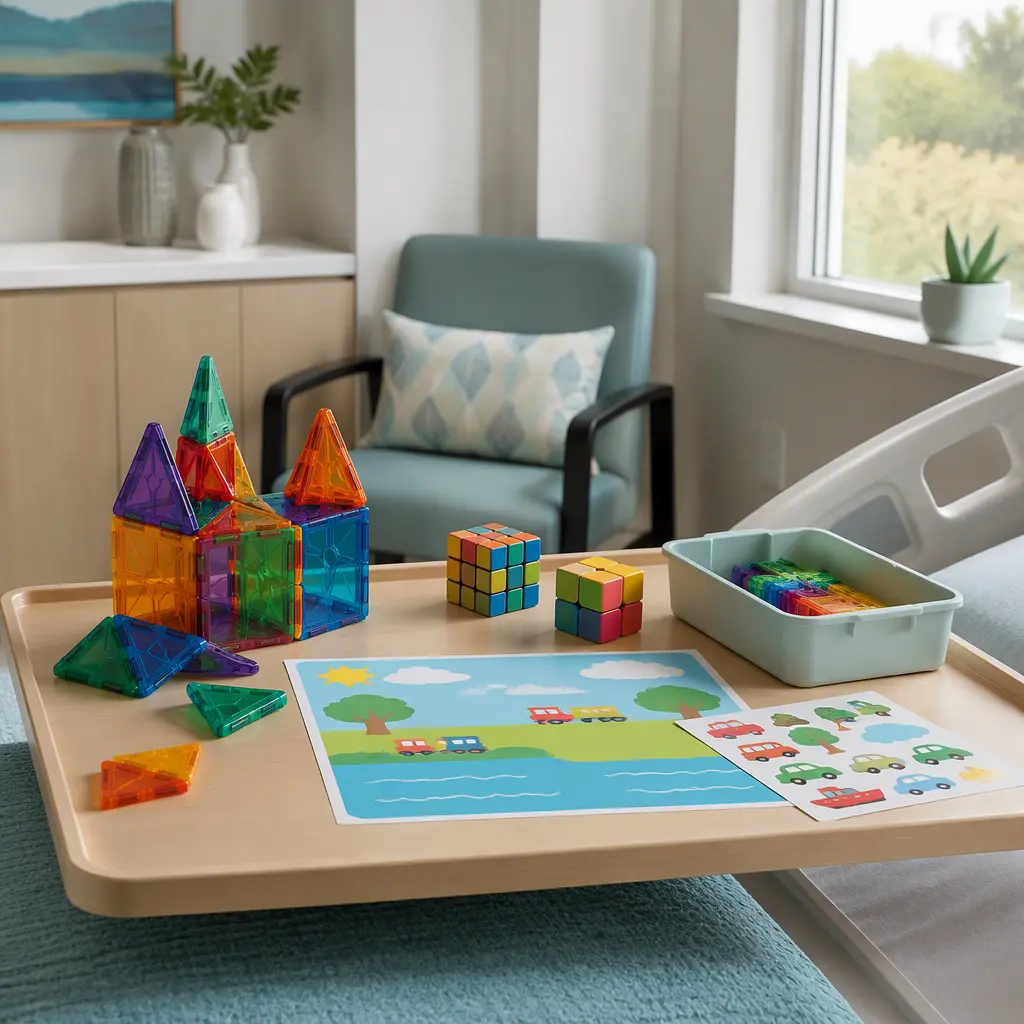
A parent-focused guide to quiet, low-energy toys for children aged 6–8 recovering in hospital or resting at home, with practical advice on mess, cleaning, storage and independent play.
Building & Construction Sets · 3–5 years
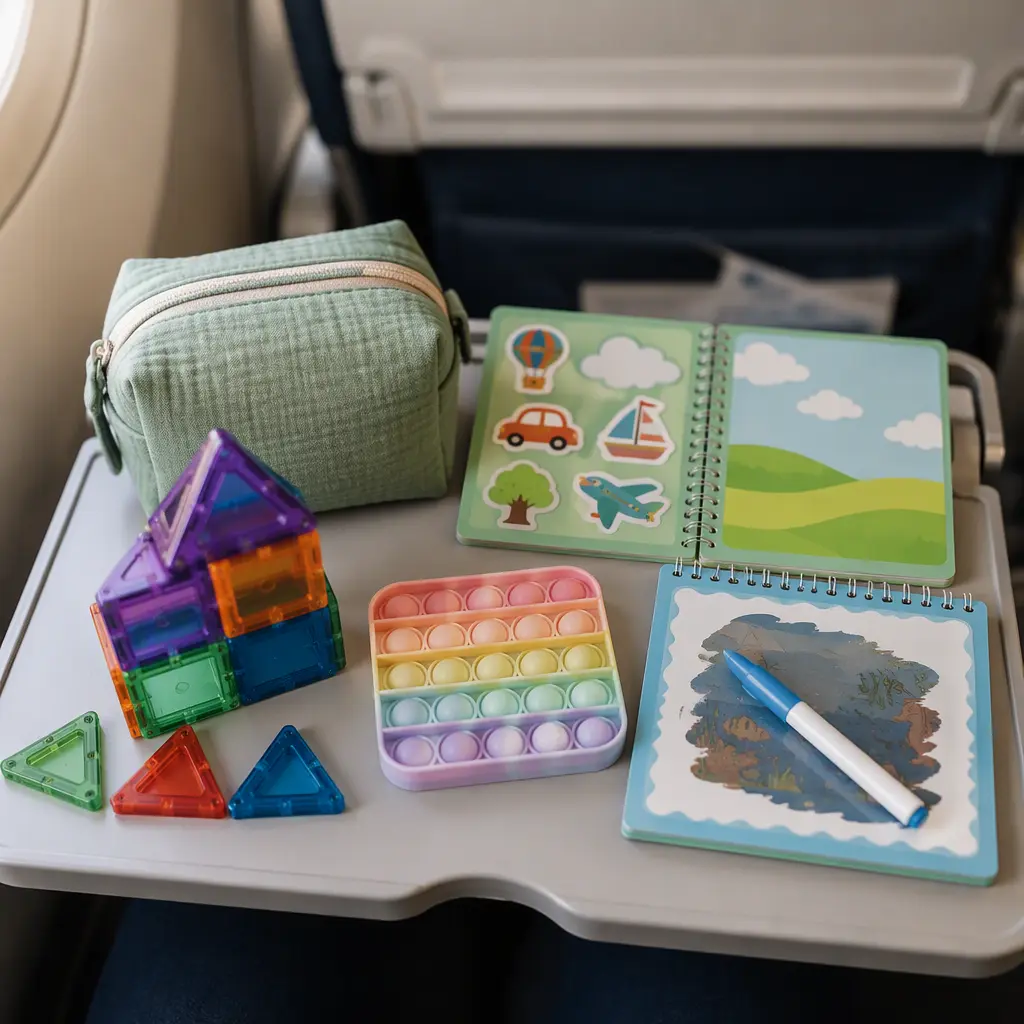
Choosing travel toys for preschoolers means balancing quiet play, small parts, storage, and attention span. This guide compares compact, lap-friendly options that work well on flights.
Building & Construction Sets · 6–8 years
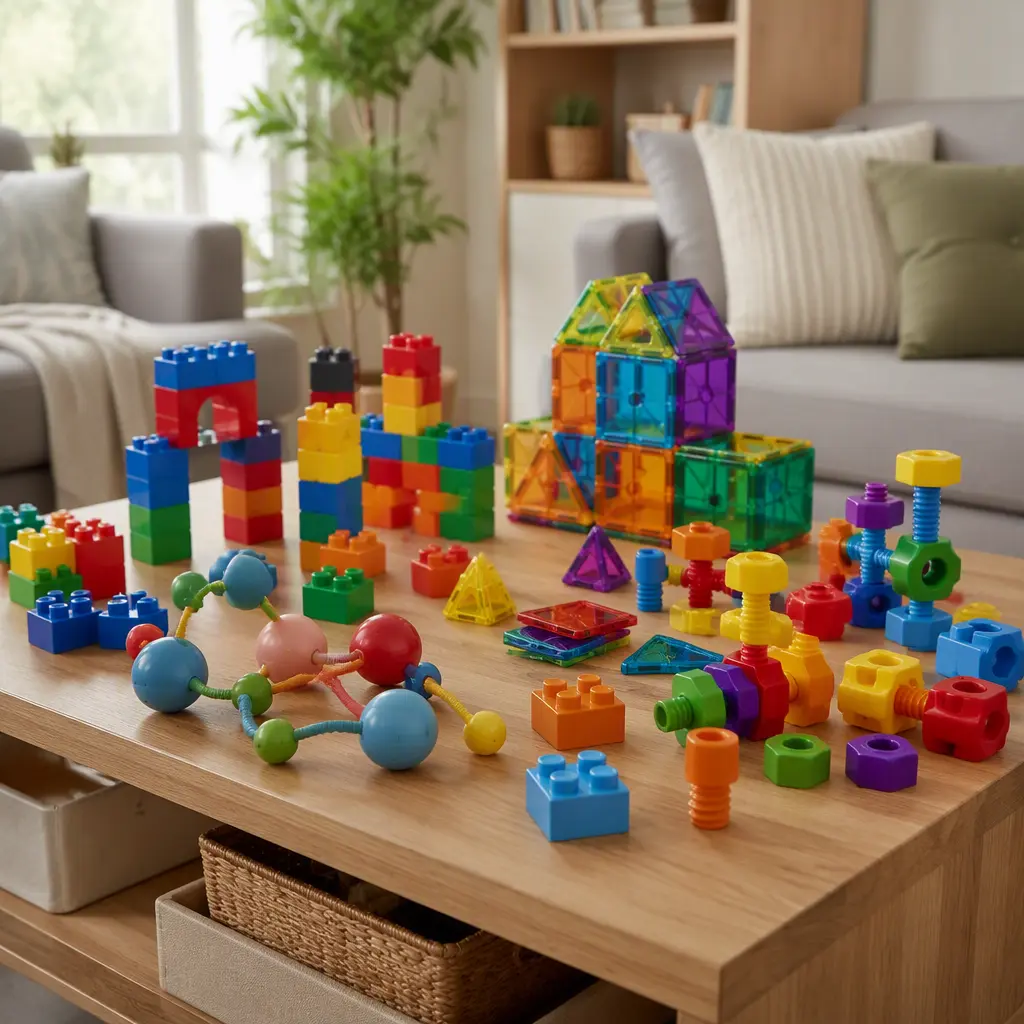
Compare accessible building toys for ages 6–8 with a focus on snap force, piece size, frustration levels, storage, supervision, and screen-free creative play.
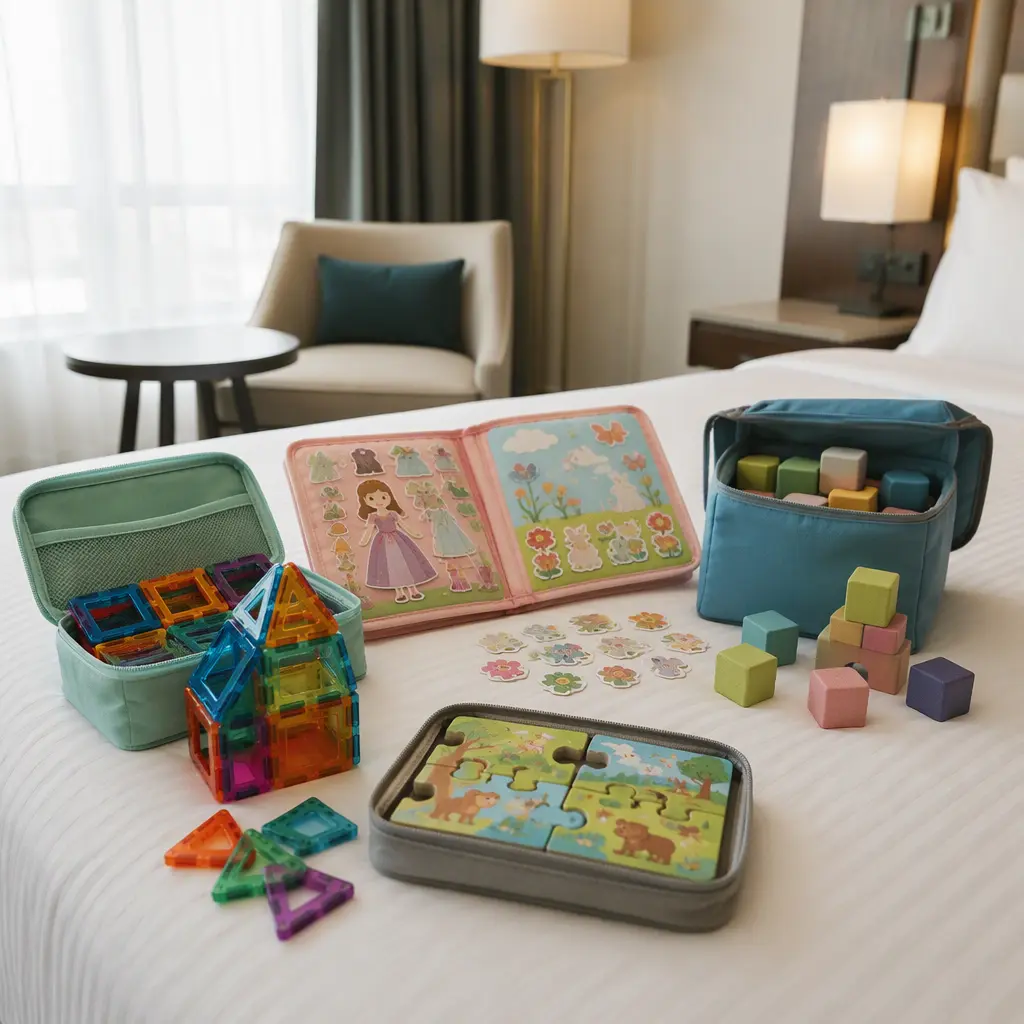
Building & Construction Sets · 3–5 years
Compact, low-noise toys can make hotel downtime easier with preschoolers. This guide compares quiet travel-friendly options for ages 3–5, including storage, mess, supervision and durability.
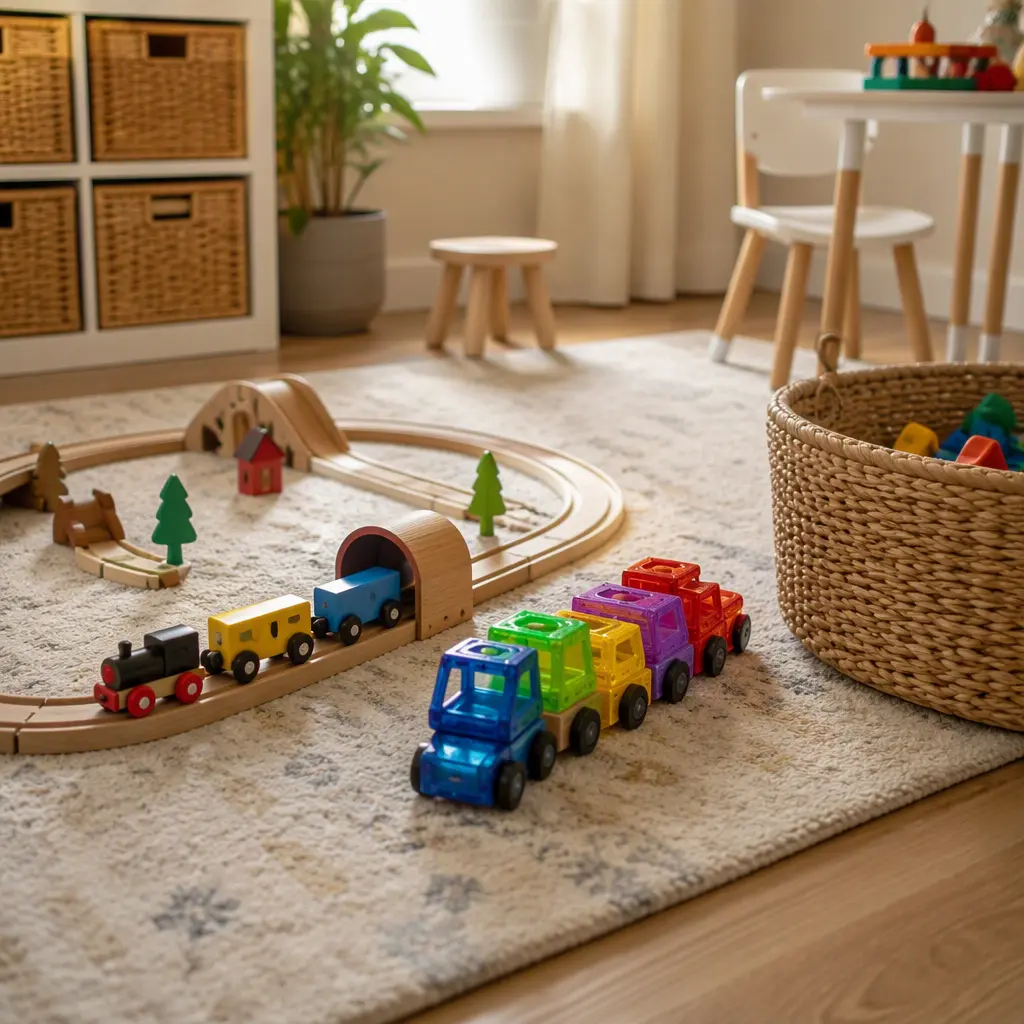
Building & Construction Sets · 3–5 years
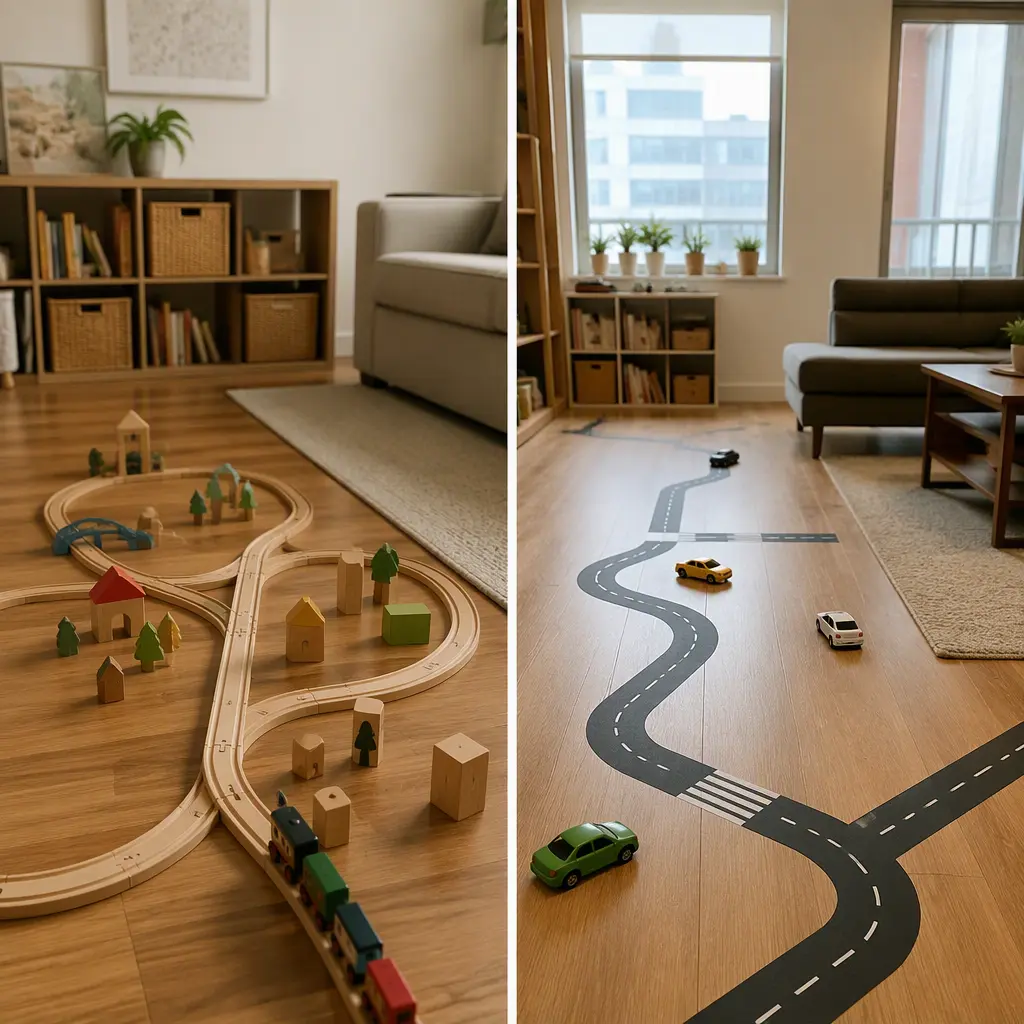
Compare wooden and magnetic train systems for ages 3–5, with practical guidance on cleanup, storage, durability, supervision, and which style fits everyday family play.