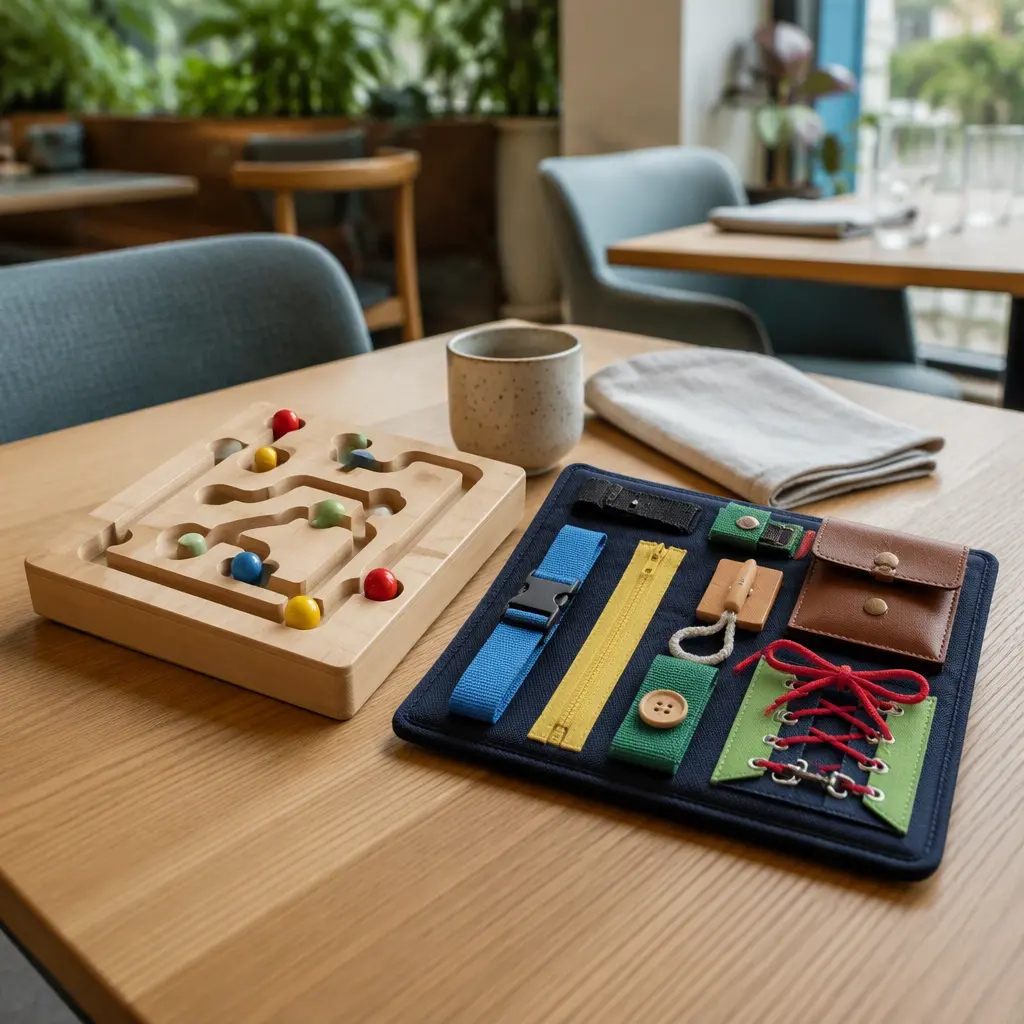
Puzzles · 3–5 years
Comparing magnetic mazes and busy boards for preschool restaurant trips, with a focus on attention span, supervision, noise, portability, and fewer lost pieces.
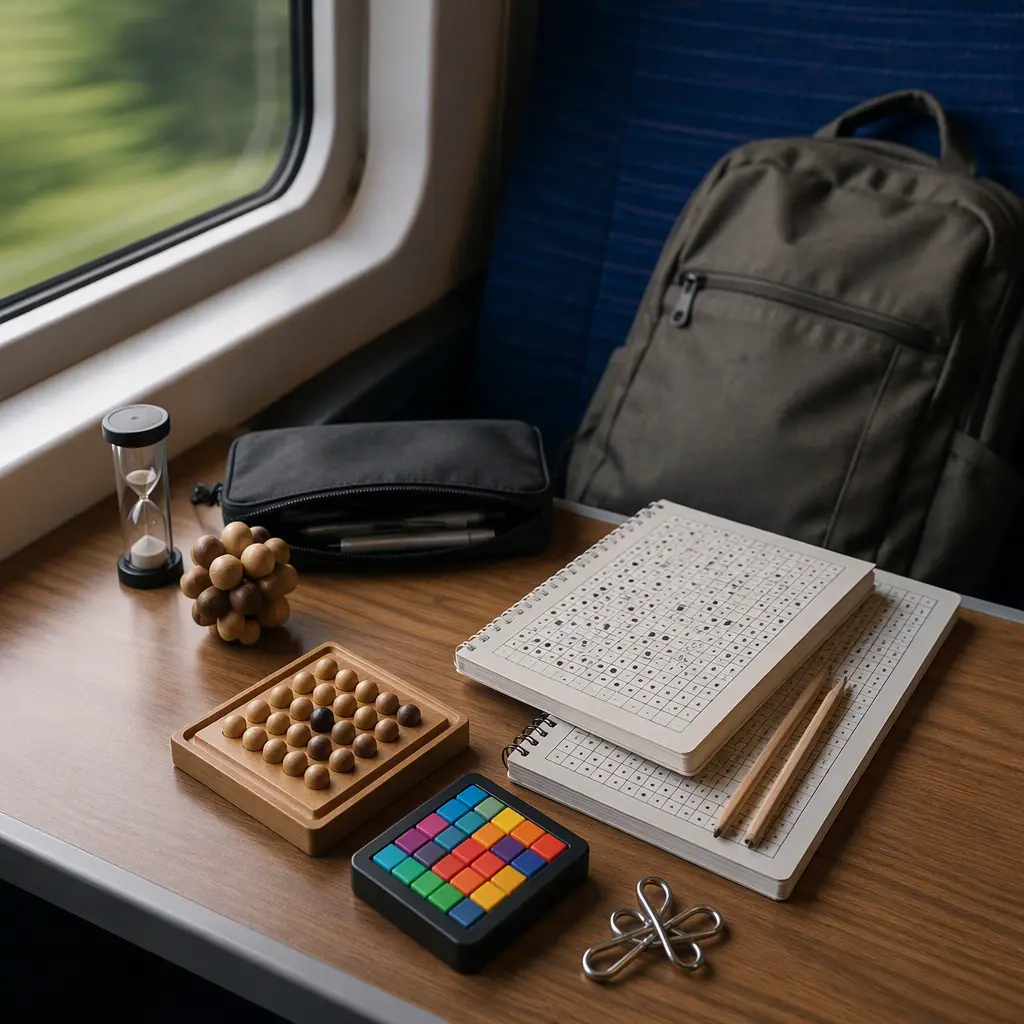
Puzzles · 9–12 years
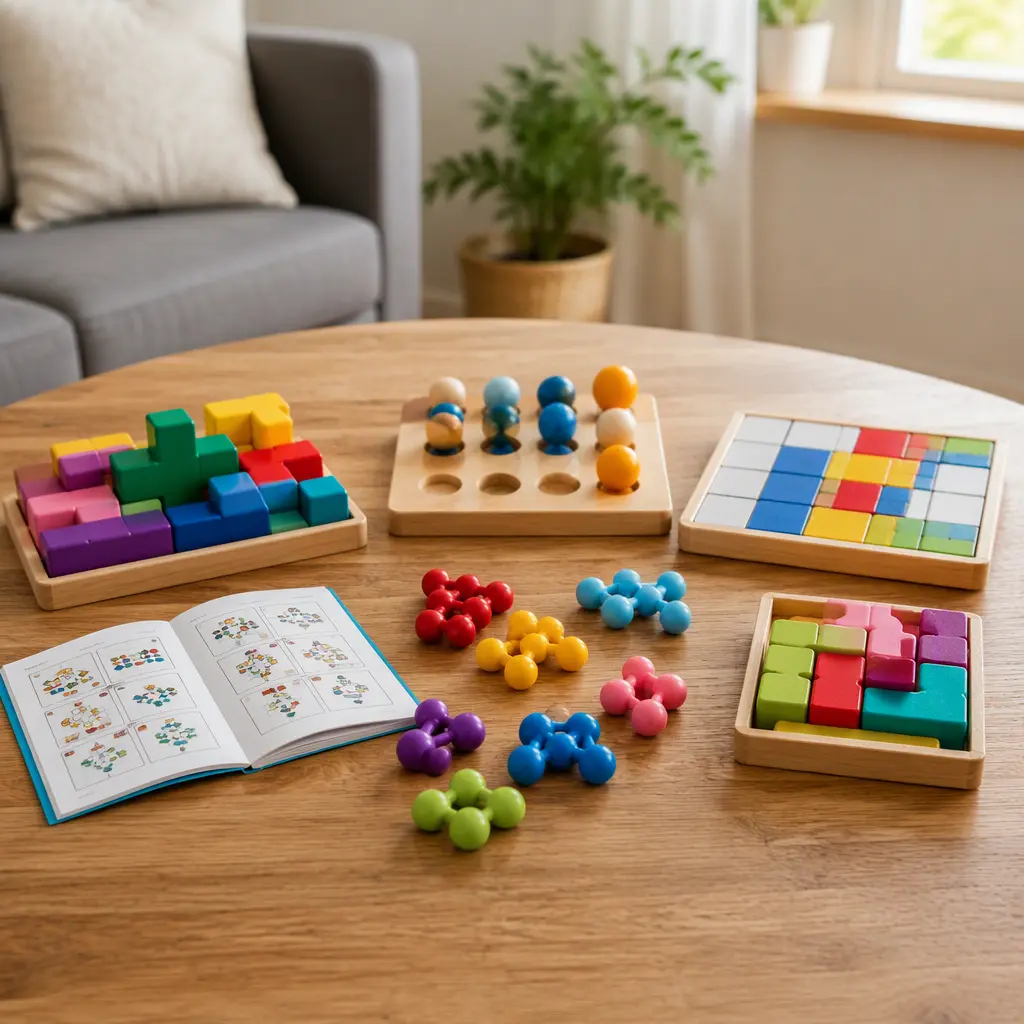
Choosing between compact logic games and puzzle books for ages 9–12? This guide compares replay value, lost-piece risk, storage, noise and offline entertainment time for trips.
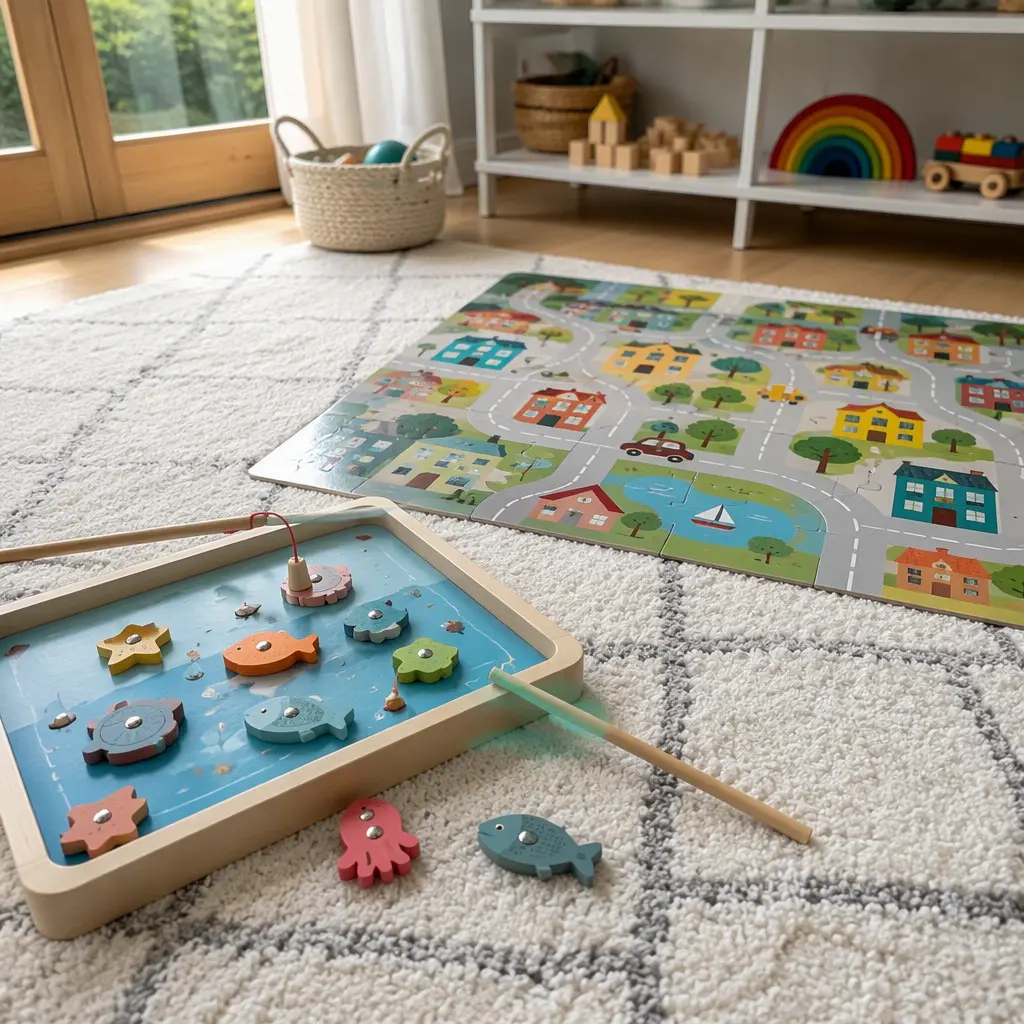
Puzzles · 3–5 years
Compare magnetic fishing games and floor puzzles for children aged 3–5, with practical advice on attention span, frustration level, independent play, storage and supervision.
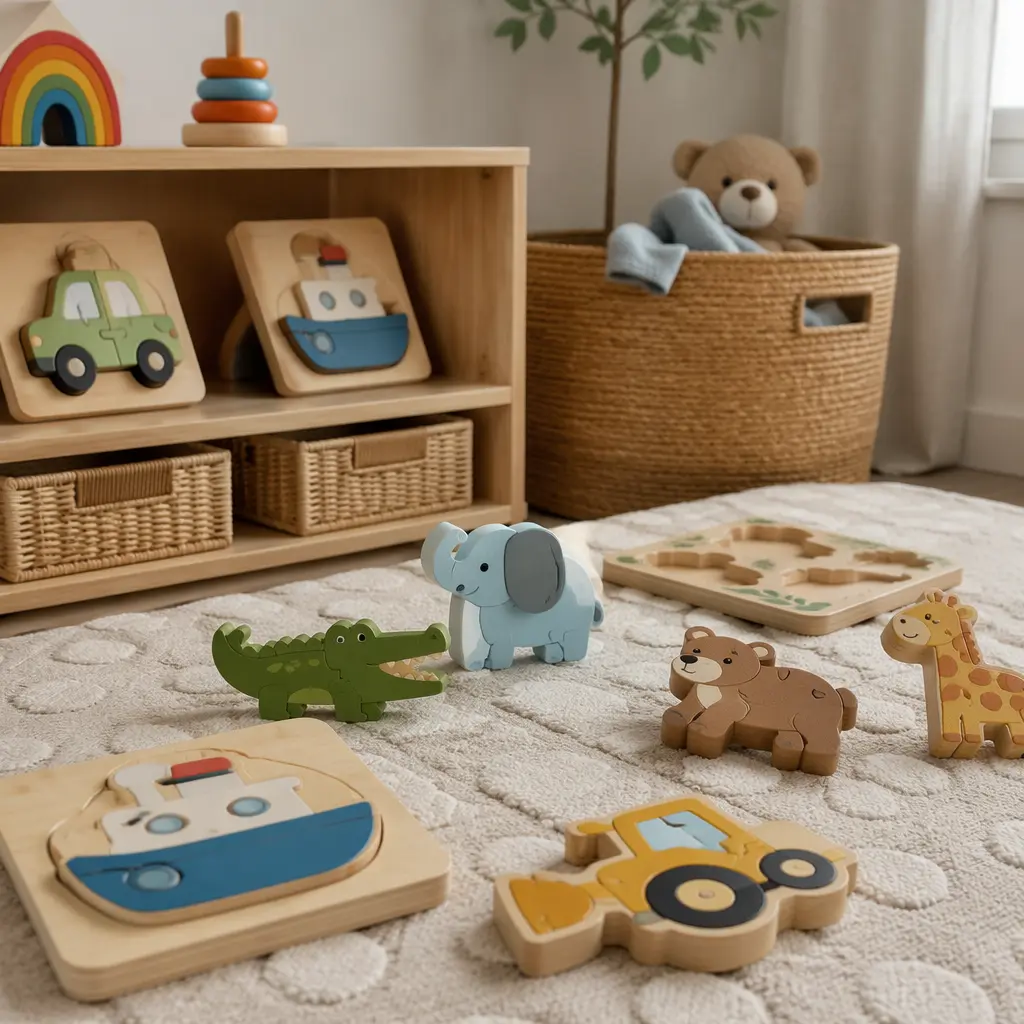
Puzzles · 1–2 years
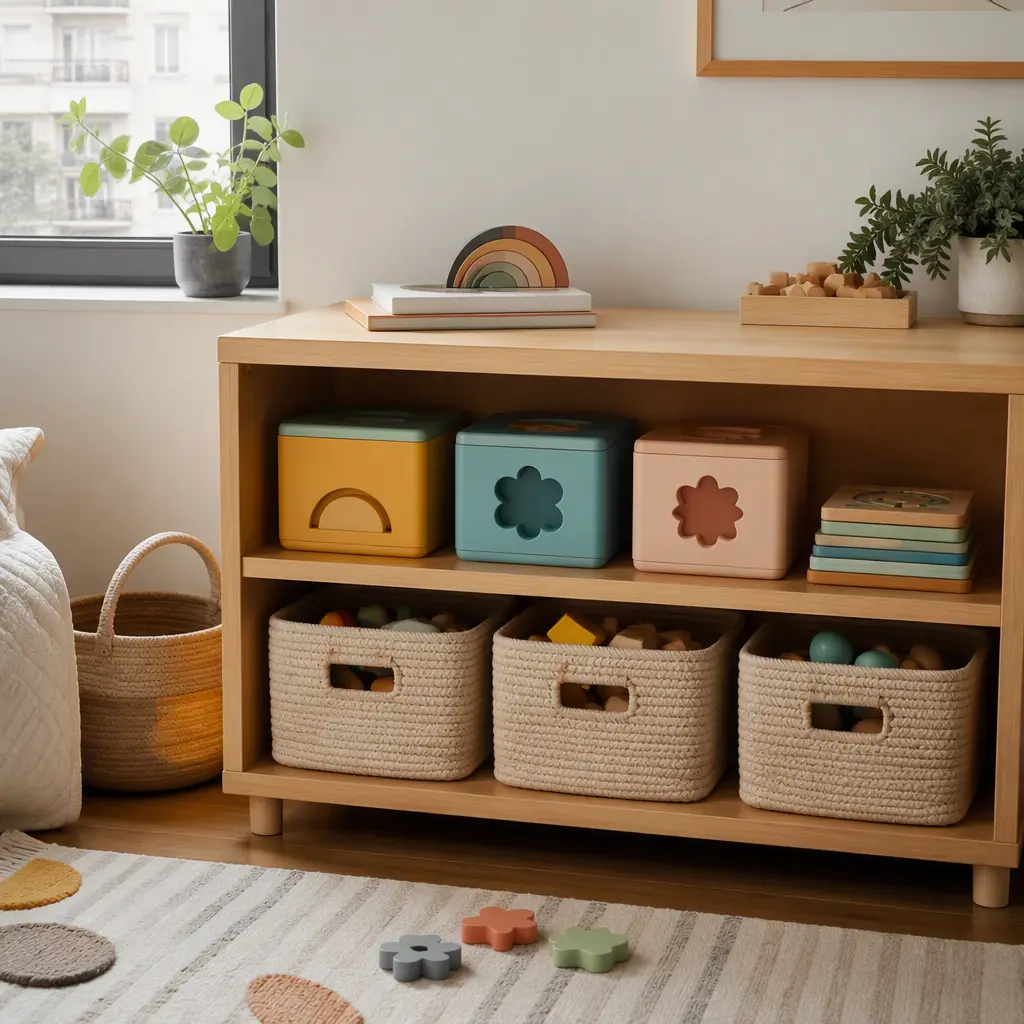
A parent-focused guide to chunky first puzzles for toddlers aged 1–2, covering durability, safe piece sizing, frustration levels, storage, and which puzzle styles suit active throwers.
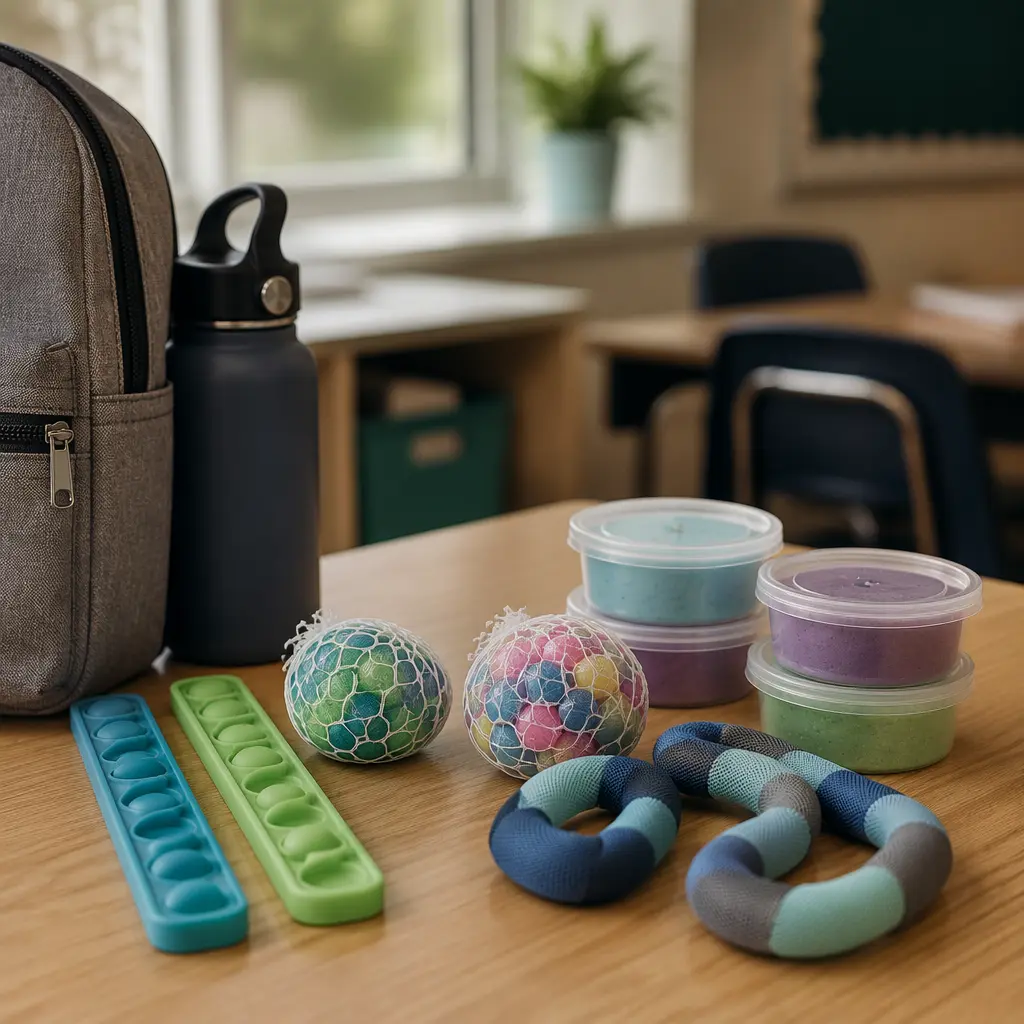
Puzzles · 6–8 years
A parent-focused guide to quiet fidget toys for ages 6–8, covering silent sensory play, portability, durability, classroom suitability, and low-mess options for travel.
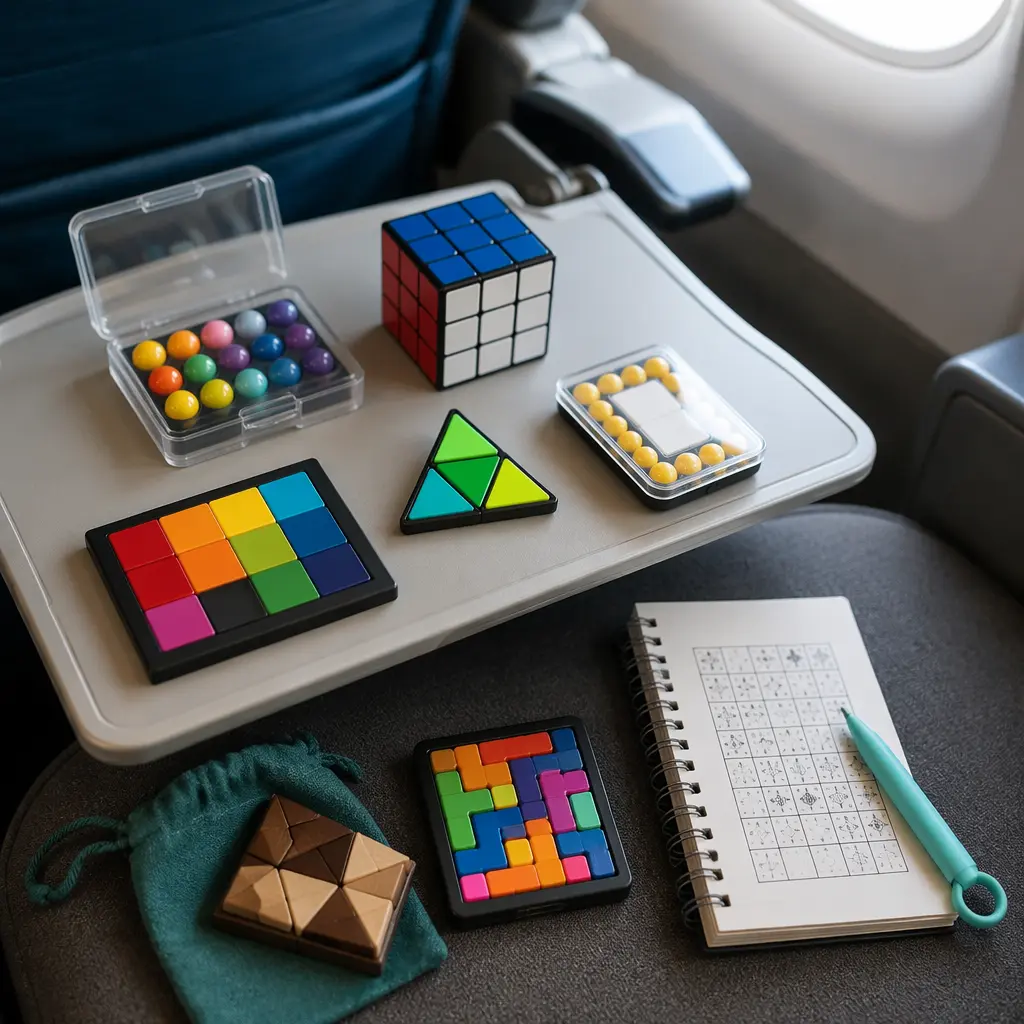
Puzzles · 6–8 years
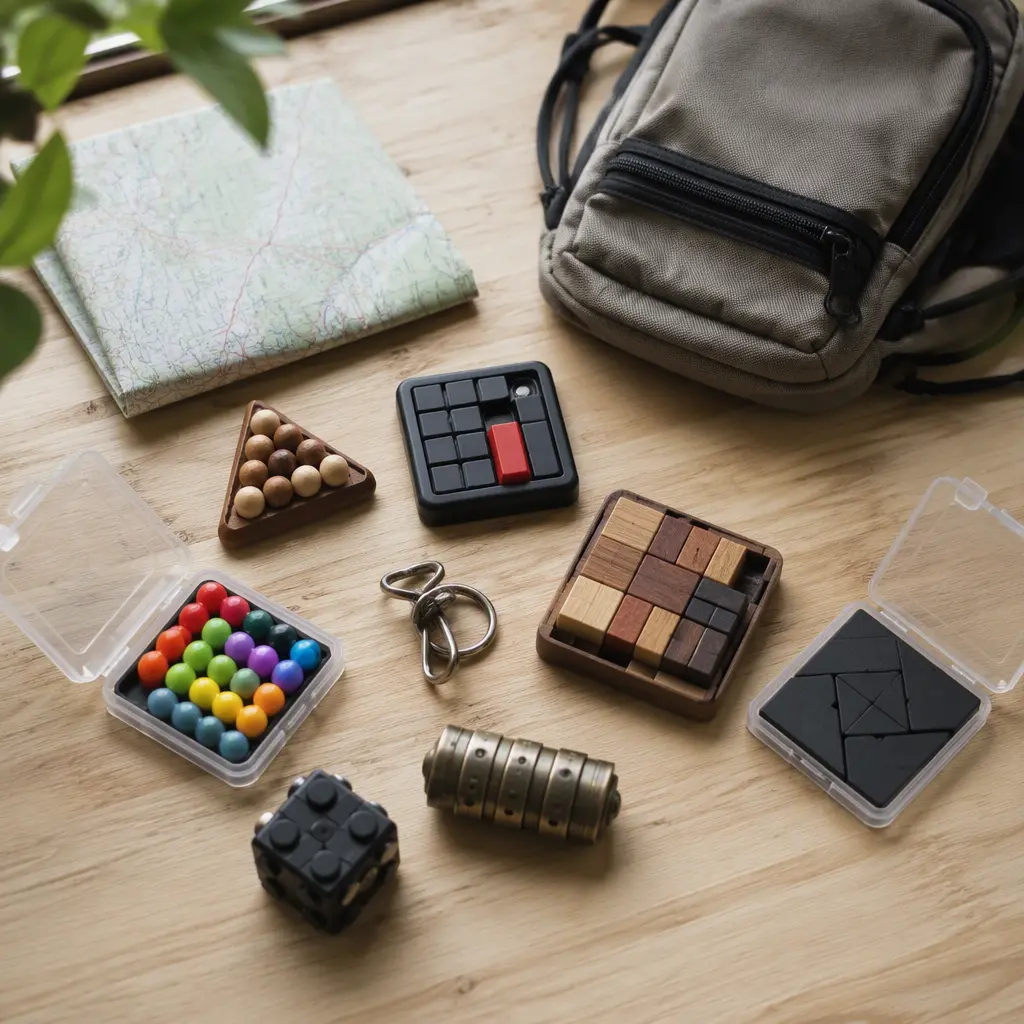
A parent-focused guide to compact, quiet travel puzzle toys for ages 6–8, including magnetic, logic and reusable options that are easier to pack and less likely to lose pieces.
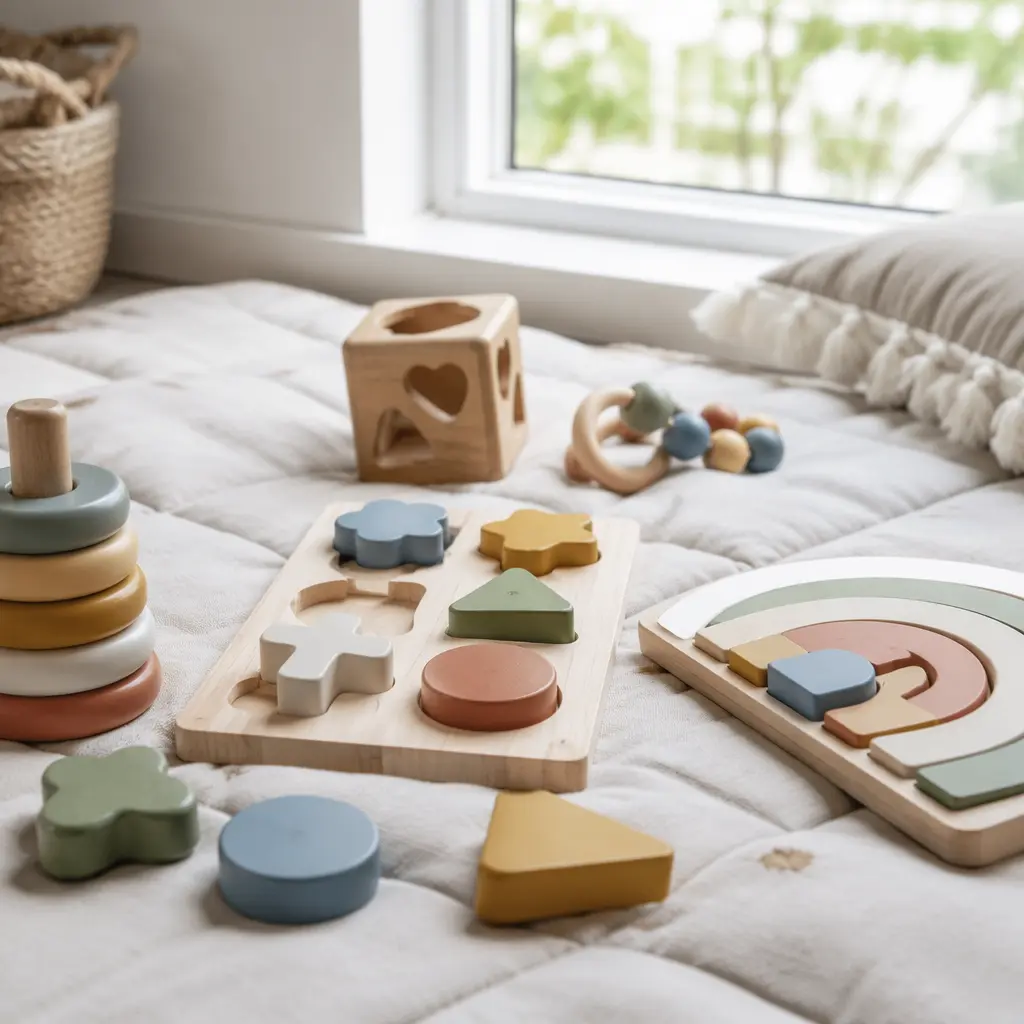
Puzzles · 0–12 months
A parent-friendly guide to chunky, chew-safe puzzle toys for babies 0–12 months, with tips on materials, sizing, motor-skill benefits, and age-appropriate features without lights or sounds.
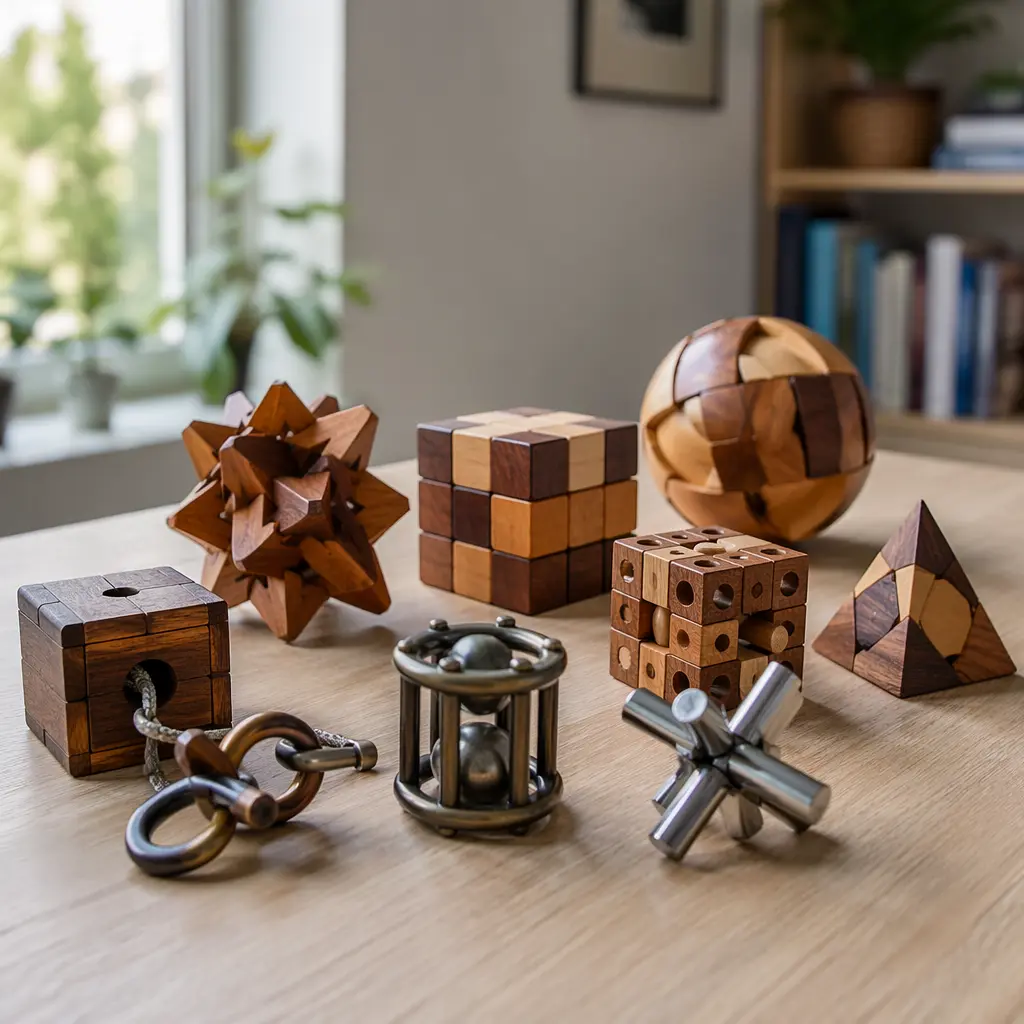
Puzzles · 6–8 years
A parent-friendly guide to classic mechanical puzzle toys for ages 6–8. Learn what to look for, age fit, safety tips, and popular puzzle types that build logic without screens or batteries.
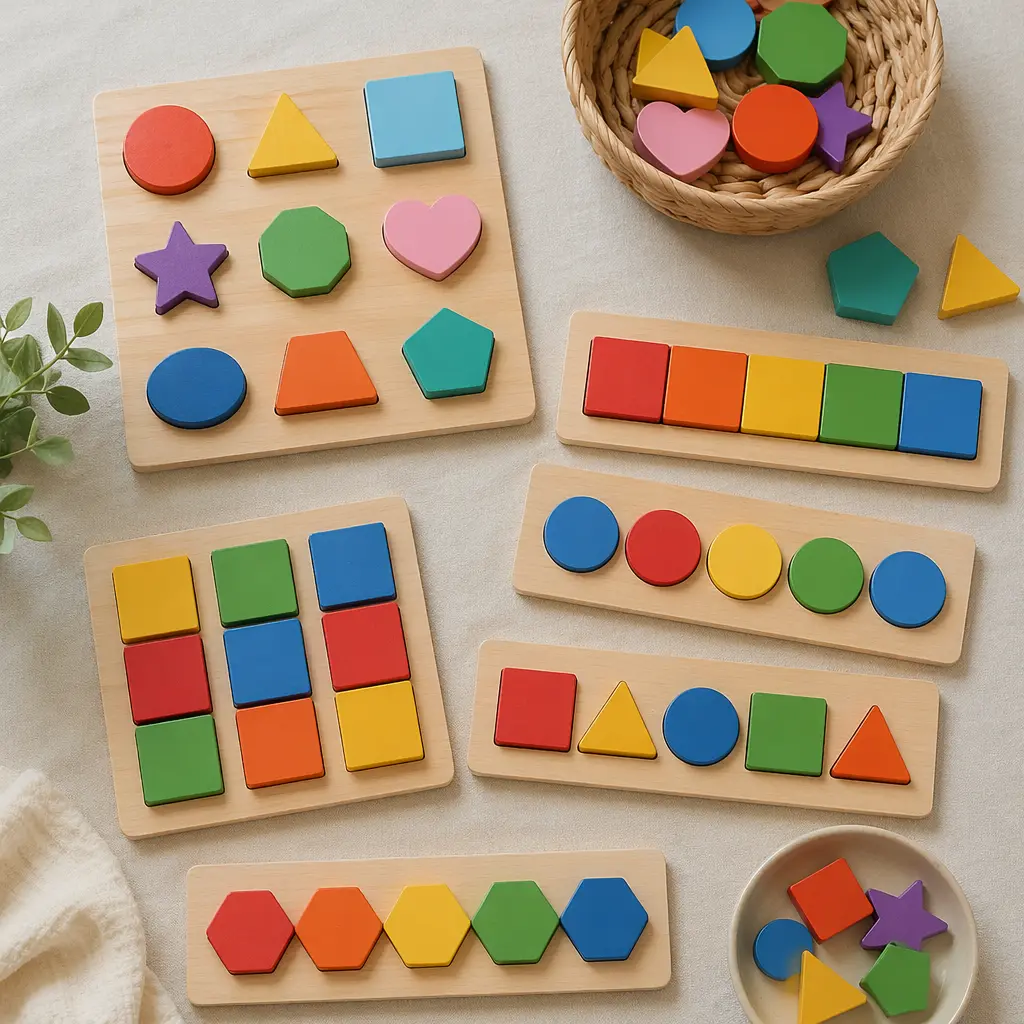
Puzzles · 3–5 years
A parent-friendly guide to sorting and matching puzzle toys for ages 3–5, focusing on patterns, categorization, durability, and safety to help detail-oriented kids stay engaged and learn through play.
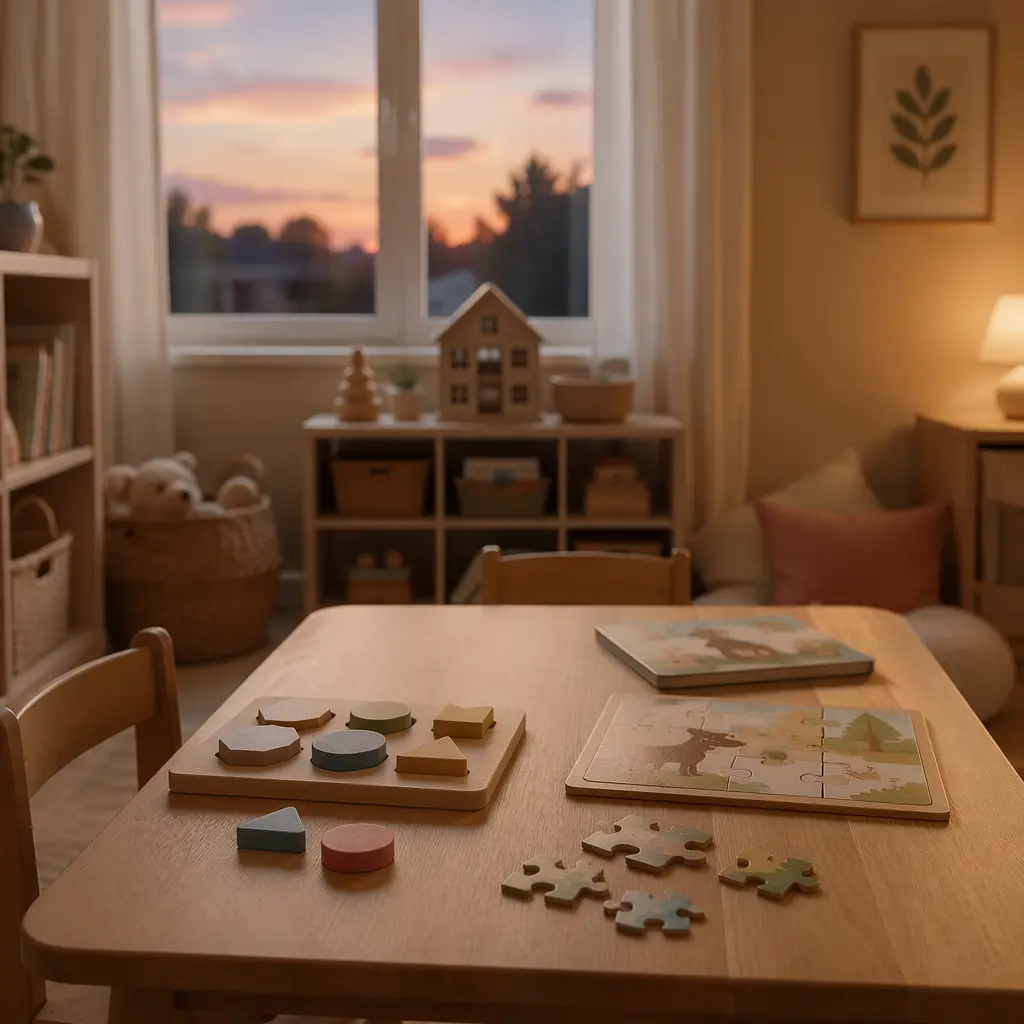
Puzzles · 6–8 years
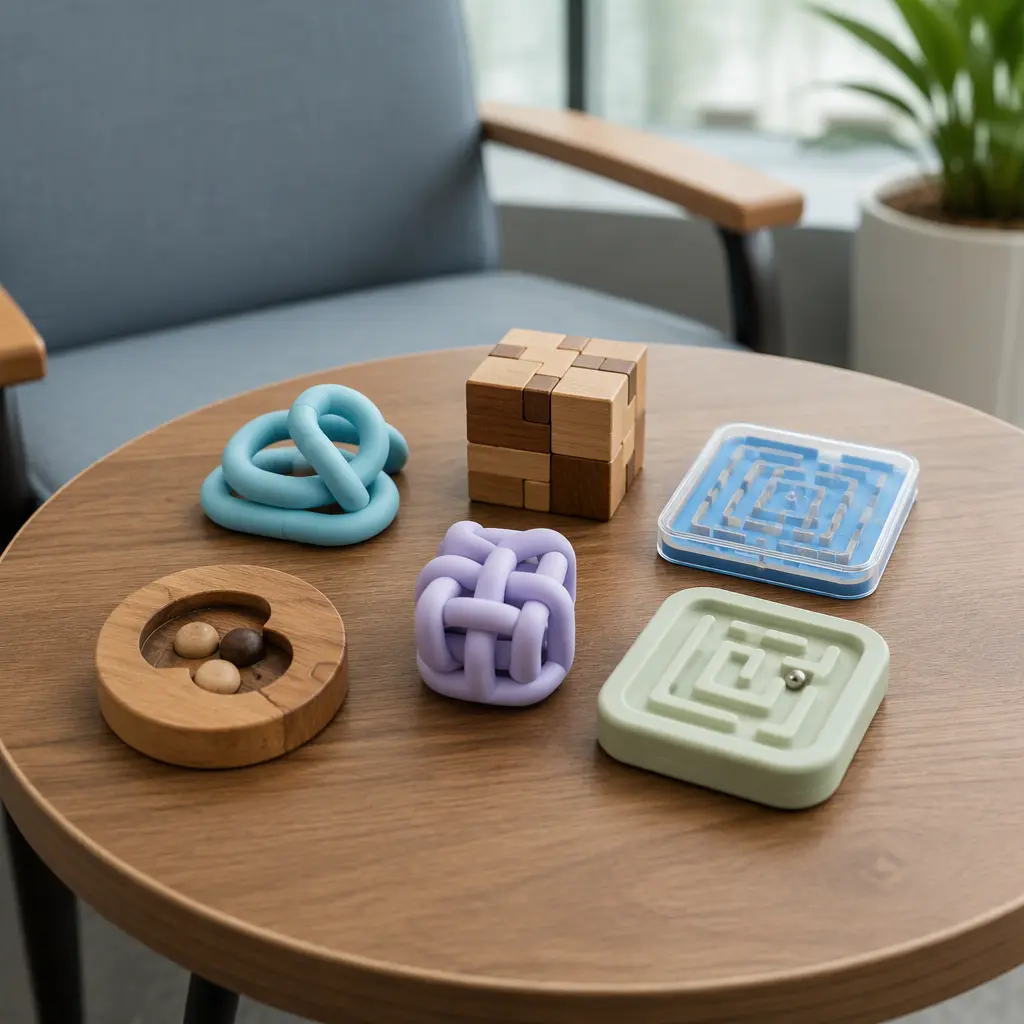
A parent-friendly guide to soothing, low-frustration puzzle toys that help kids ages 6–8 decompress after school with quiet focus, gentle challenge, and independent play.
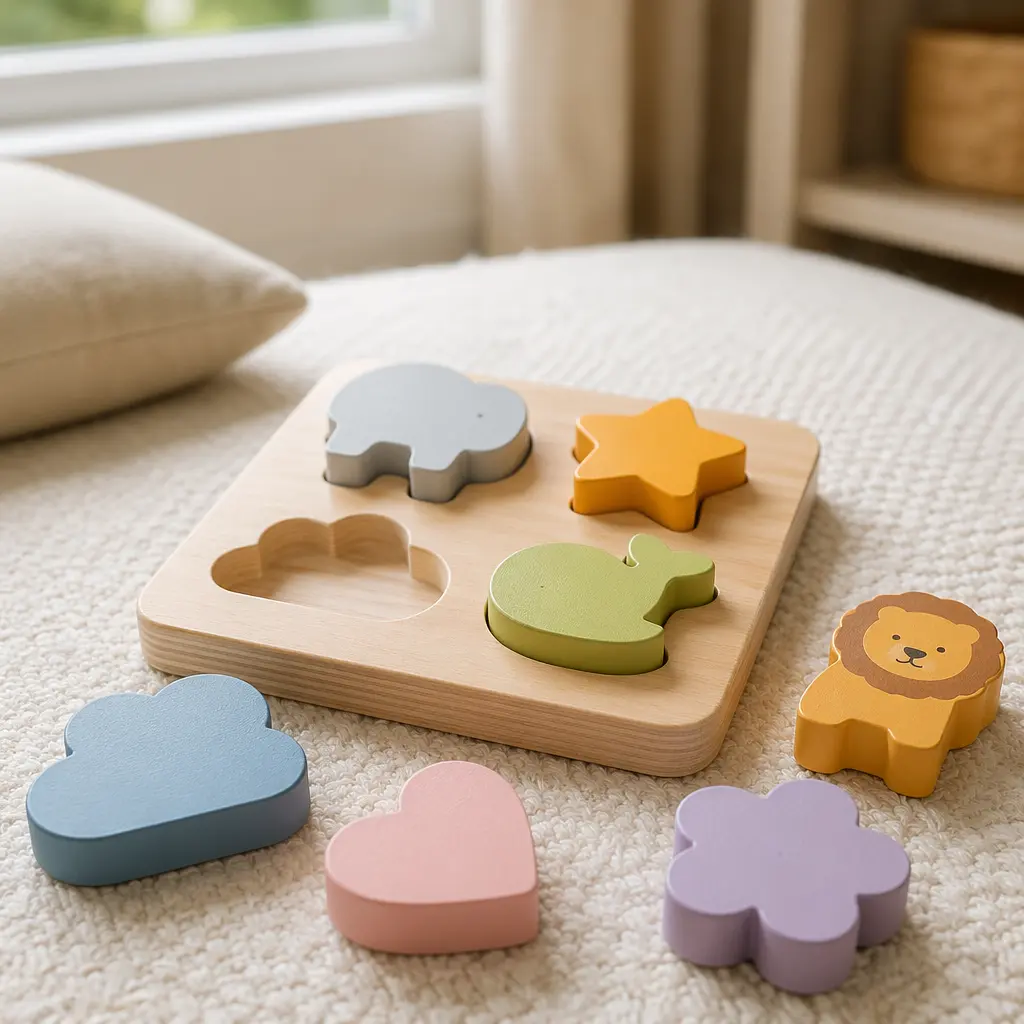
Puzzles · 0–12 months
A parent-friendly guide to simple, no-battery puzzle toys for babies 0–12 months. Learn what to look for, age suitability, safety tips, and common puzzle types that support early grasping and cause-and-effect.
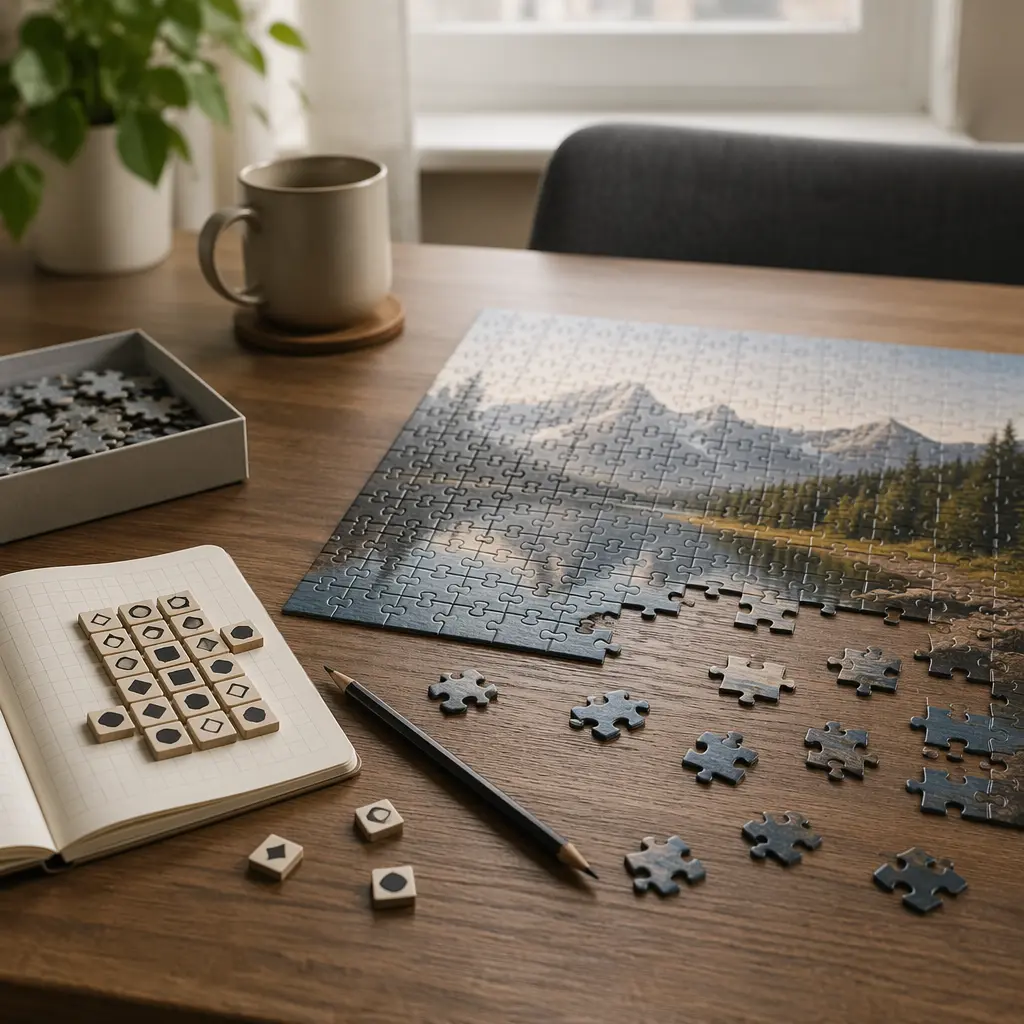
Puzzles · 9–12 years
A parent-focused guide to calm, solo-friendly puzzles for ages 9–12. Learn what to look for, age fit, and standout puzzle types that support focus without timers, noise, or competition.
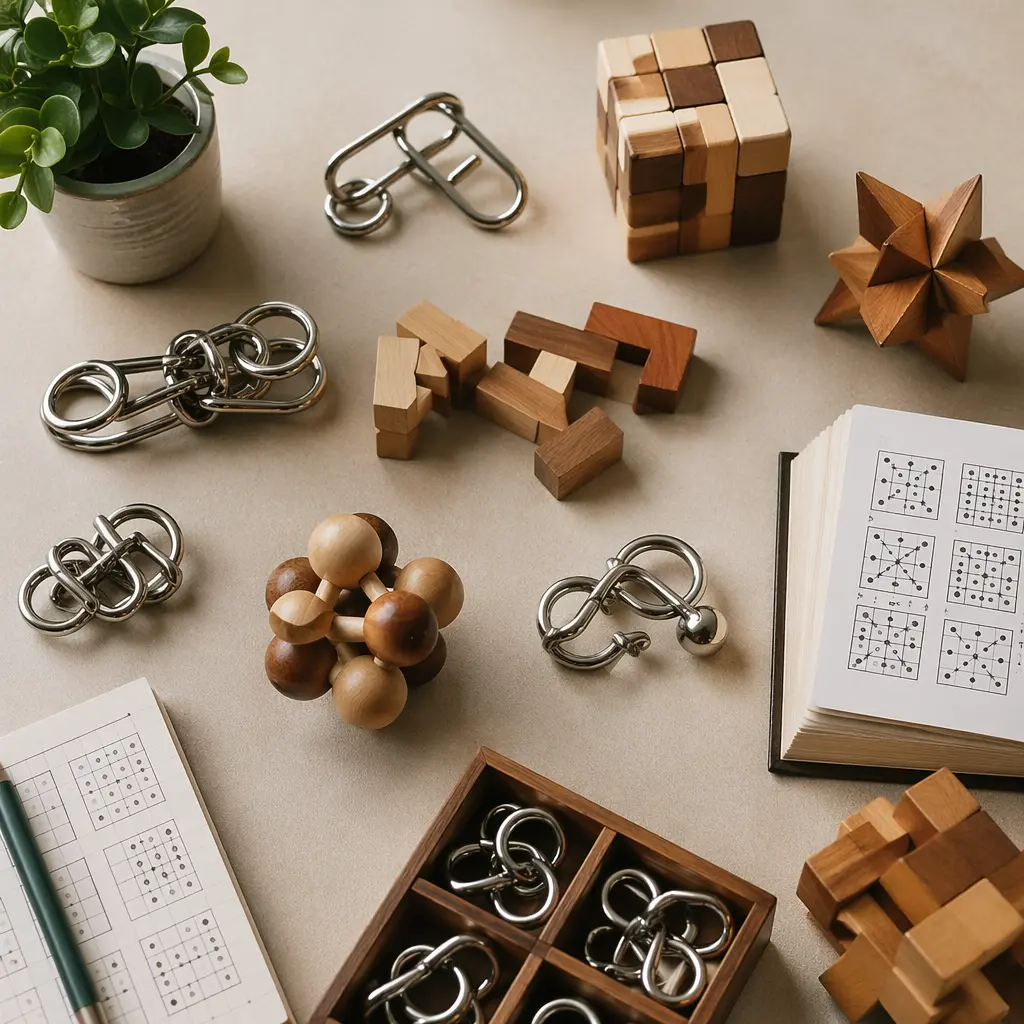
Puzzles · 13+ years
A parent-focused guide to portable, screen-free logic puzzles for teens. Learn what to look for, age fit, safety notes, and puzzle types that challenge teen minds without feeling childish.
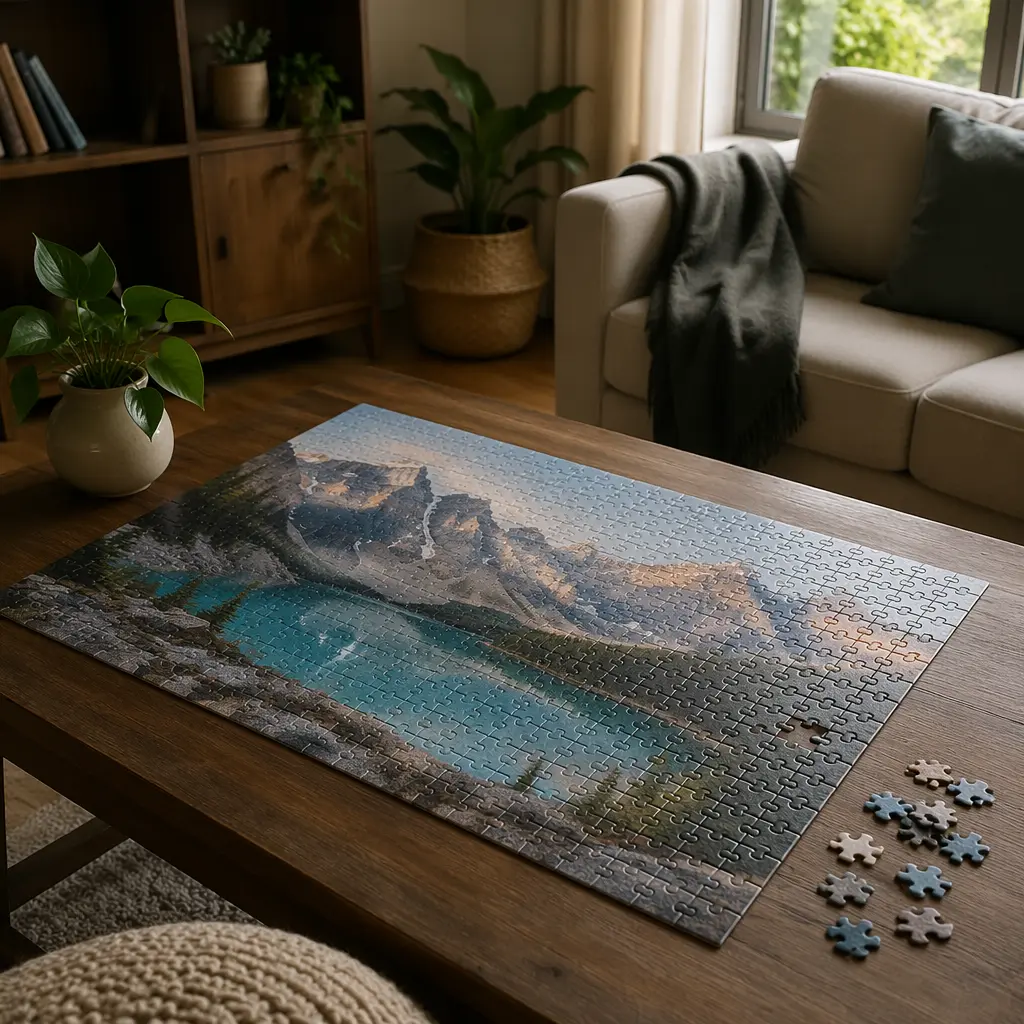
Puzzles · 9–12 years
A parent-friendly guide to soothing, low-pressure puzzles that help kids ages 9–12 relax after school, focusing on calm engagement rather than speed or competition.
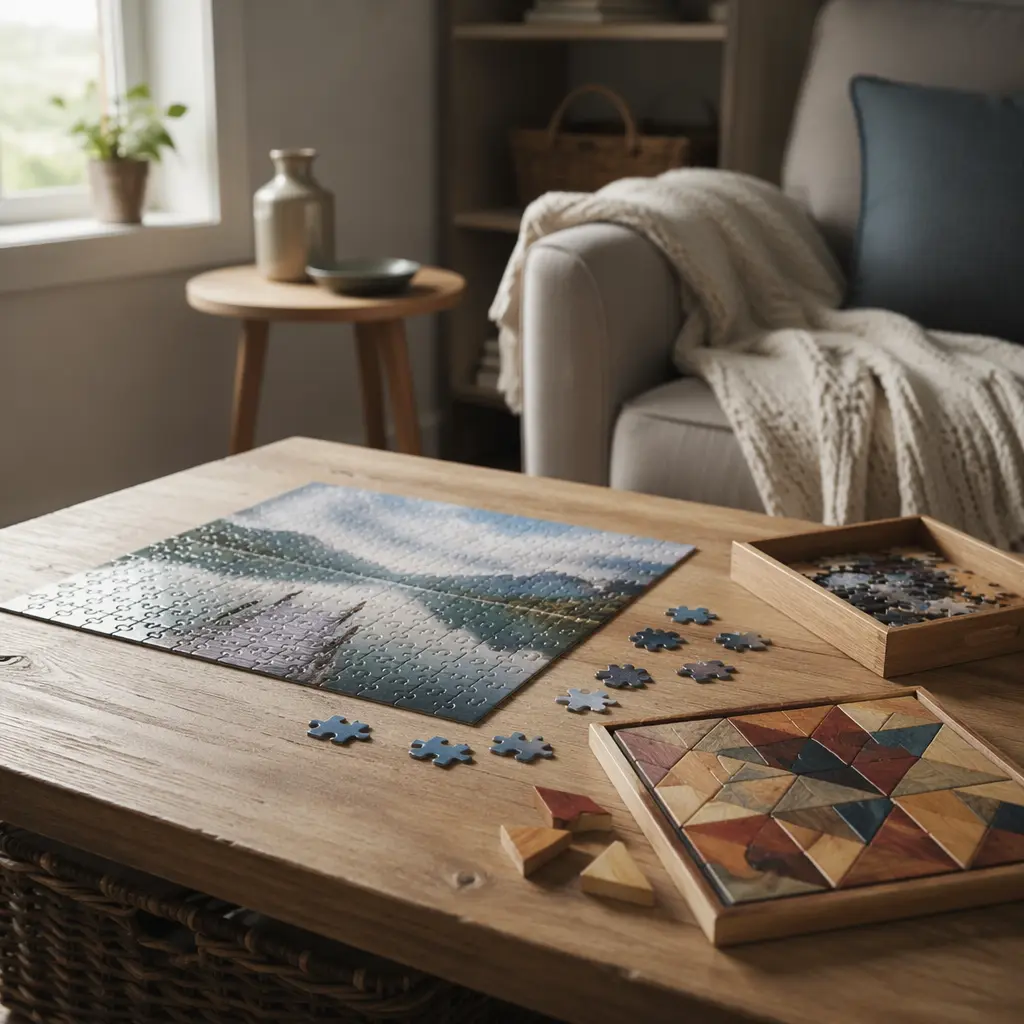
Puzzles · 6–8 years
A parent-friendly guide to low-frustration puzzles for ages 6–8. Learn what features help kids decompress after school, which types stay calm and engaging, and how to choose safely.
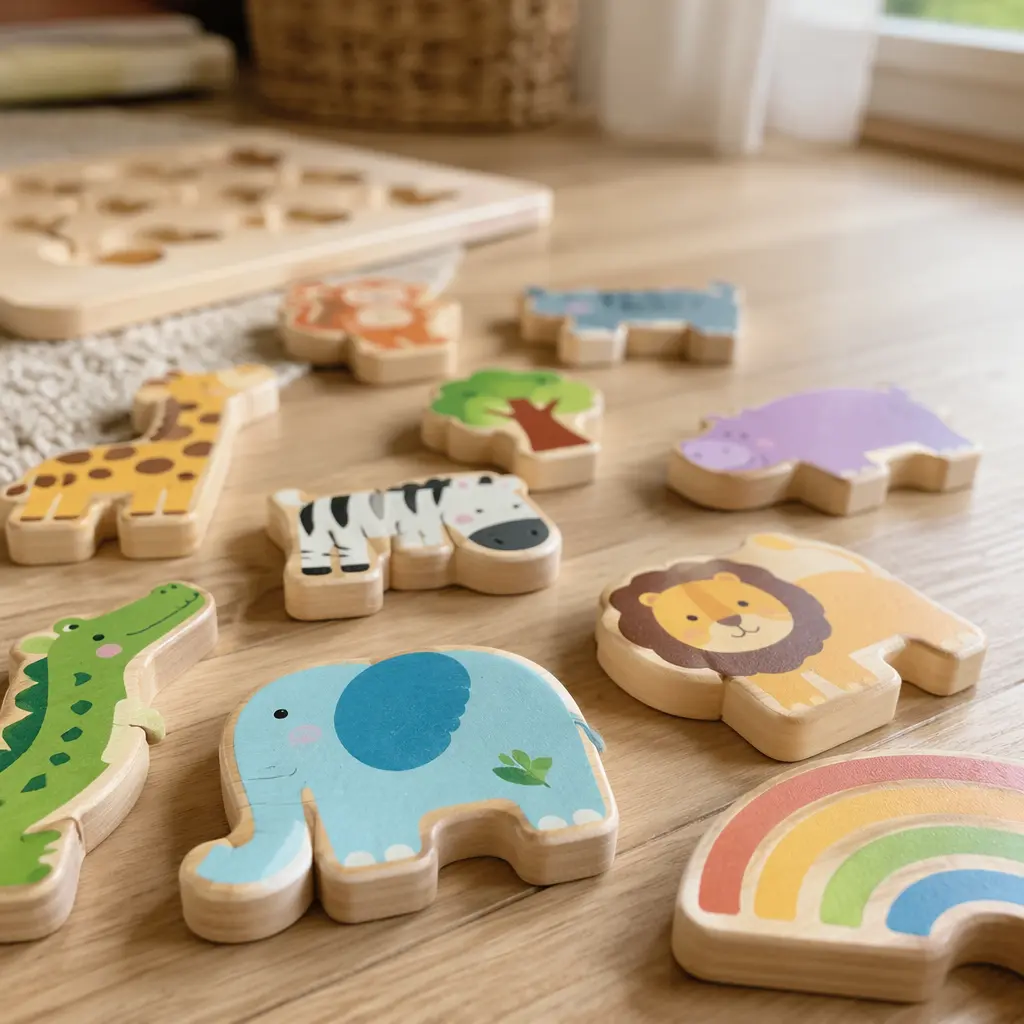
Puzzles · 1–2 years
A buyer’s guide to chunky, forgiving puzzles for active 1–2 year olds who love dumping pieces and starting over. Learn what to look for, age fit, safety tips, and common questions.
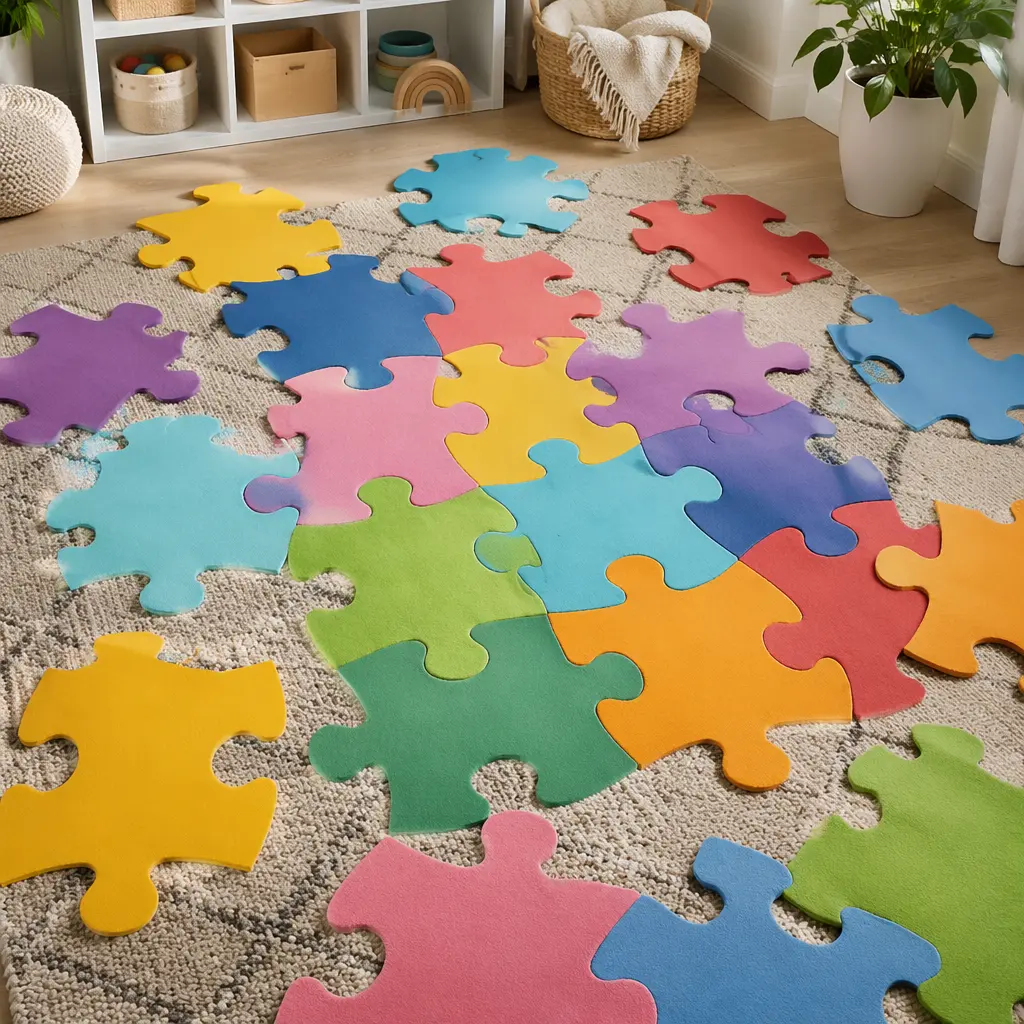
Puzzles · 3–5 years
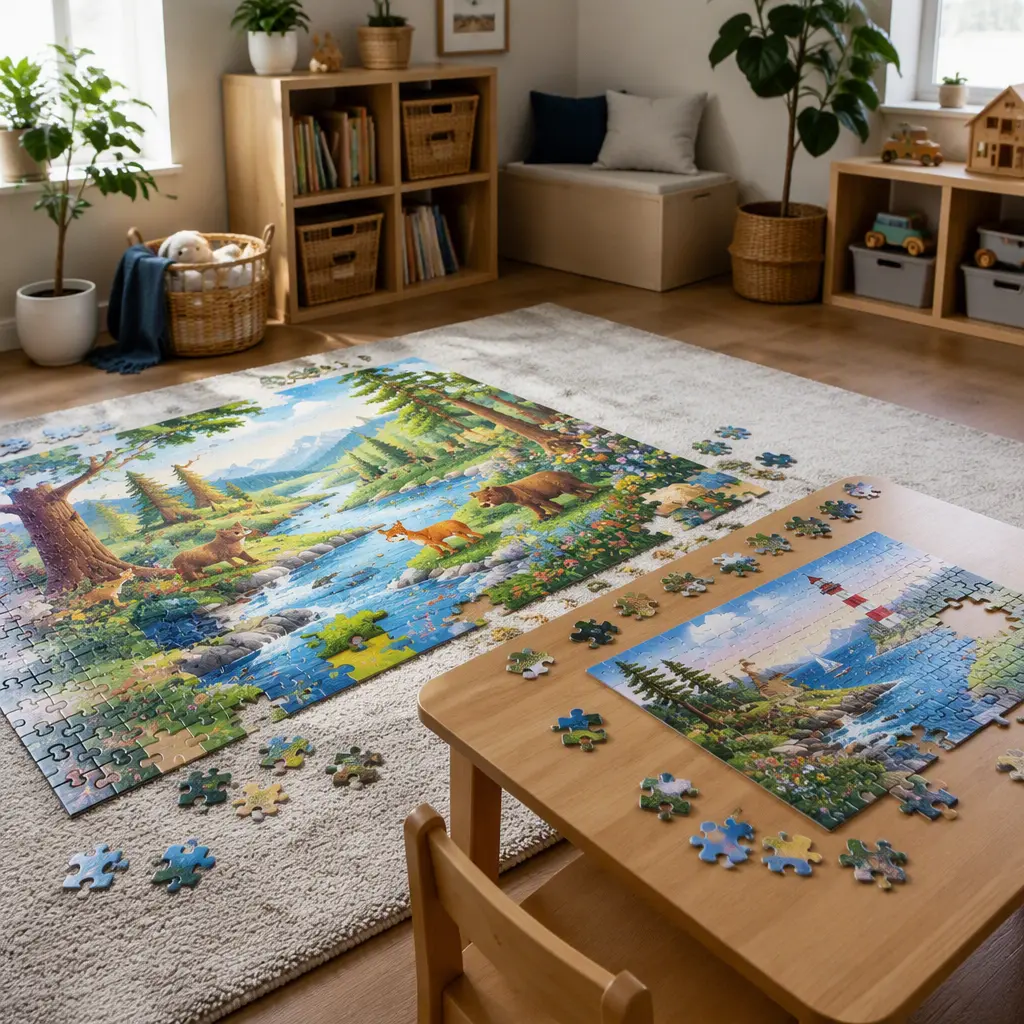
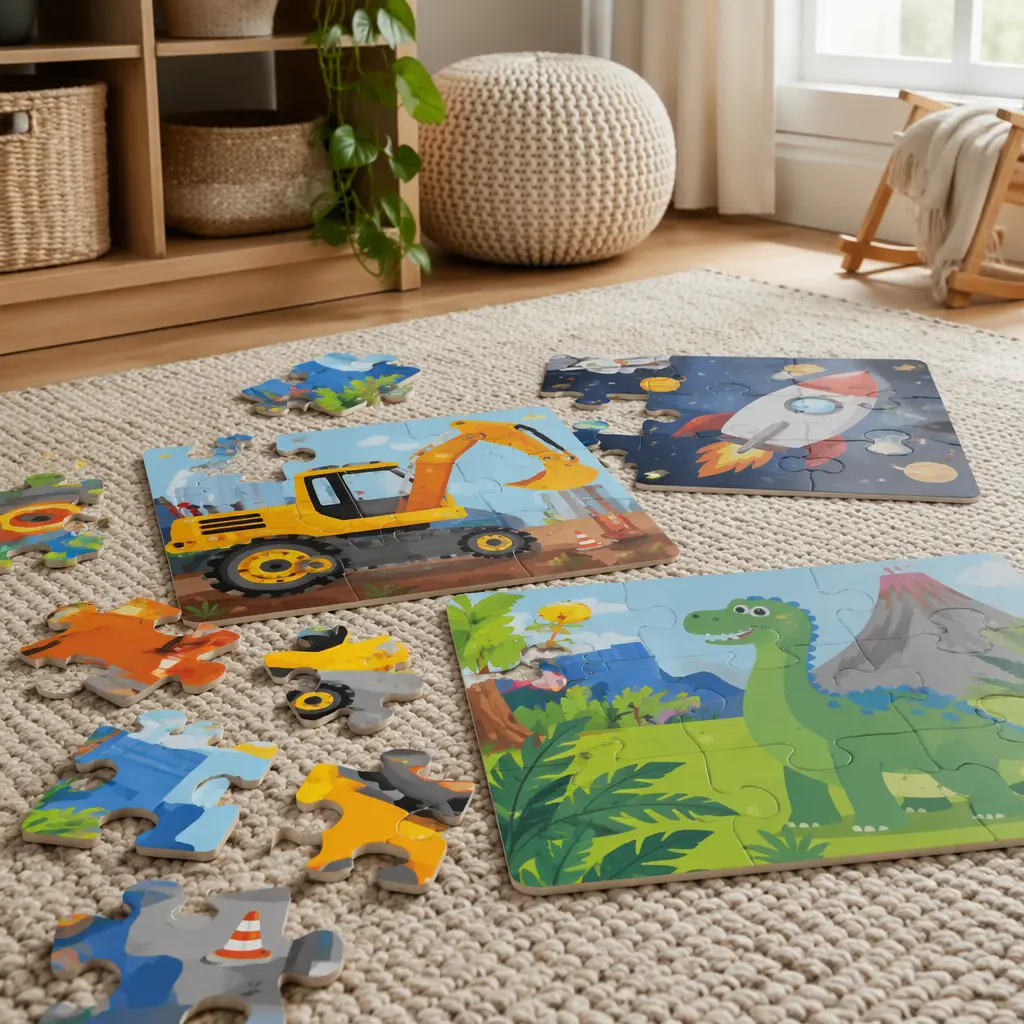
A parent-focused guide to jumbo, floor, and movement-friendly puzzles for ages 3–5, with tips on choosing durable pieces, right challenge levels, and safe ways to encourage active play.
Puzzles · 3–5 years
A parent-friendly guide to movement-ready puzzles for active 3–5 year olds. Learn what to look for, age fit, safety tips, and puzzle types that work on the floor and keep bodies moving.
Puzzles · 6–8 years
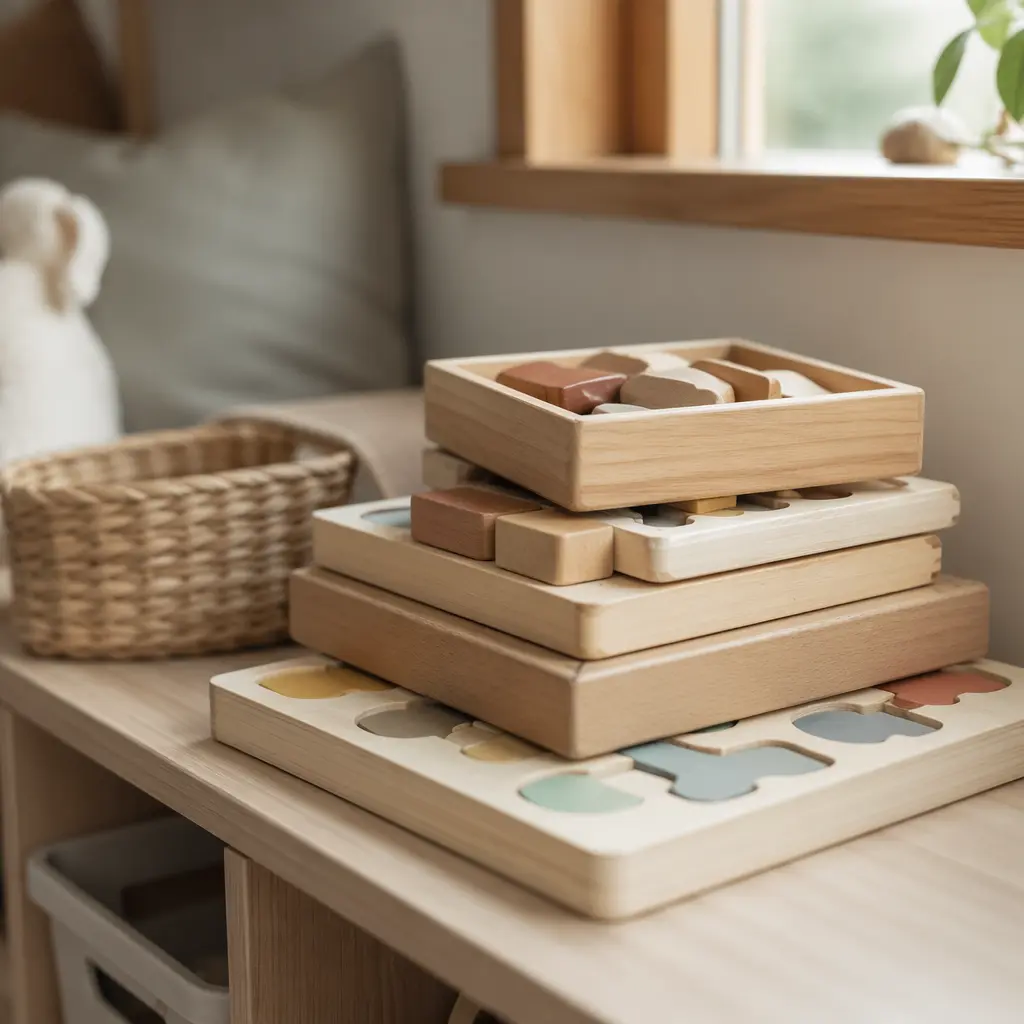
A parent-focused guide to calming puzzle toys that support quiet focus after school or before bed. Learn what to look for, age fit, and low-stimulation puzzle types for kids ages 6–8.
Puzzles · 13+ years
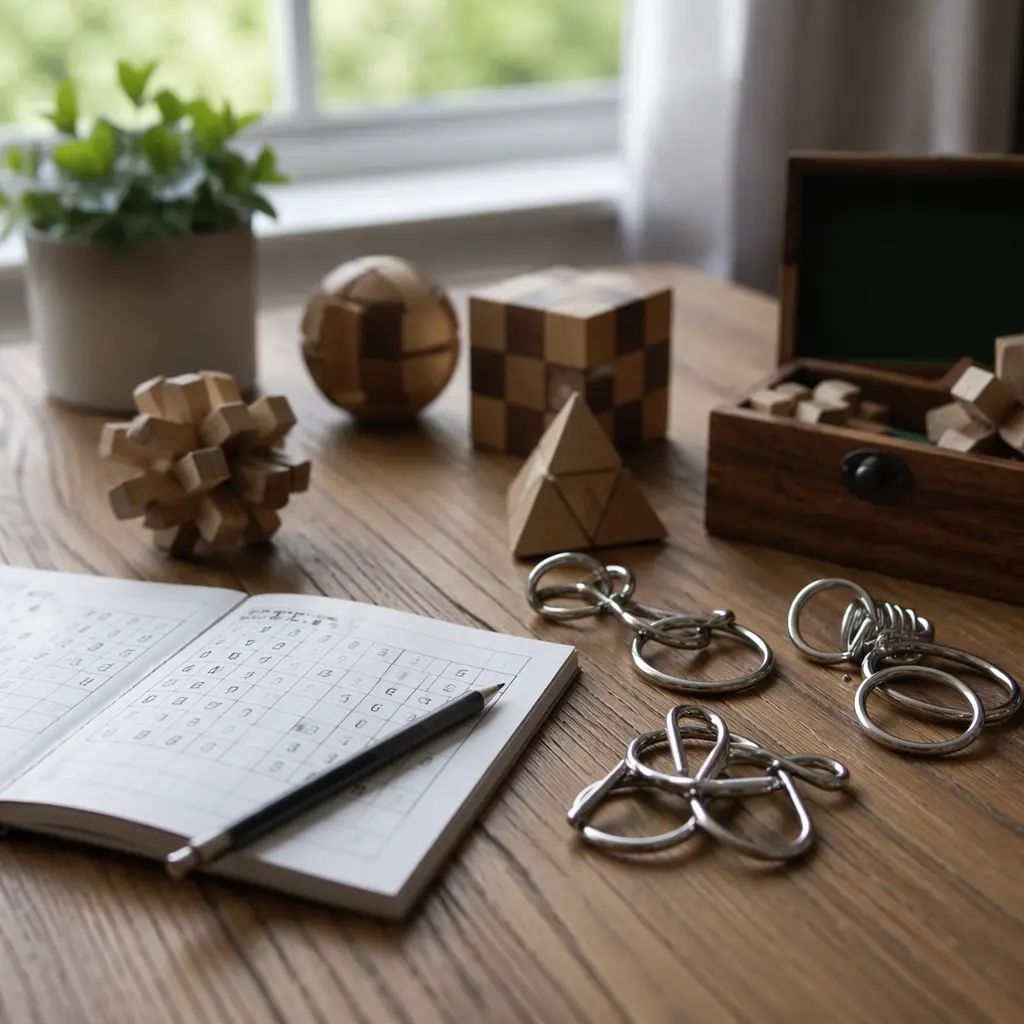
A buyer-focused guide to classic, no-battery puzzles that challenge teens without feeling childish. Learn what to look for, age fit, safety tips, and popular puzzle types parents can feel good about.
Puzzles · 13+ years
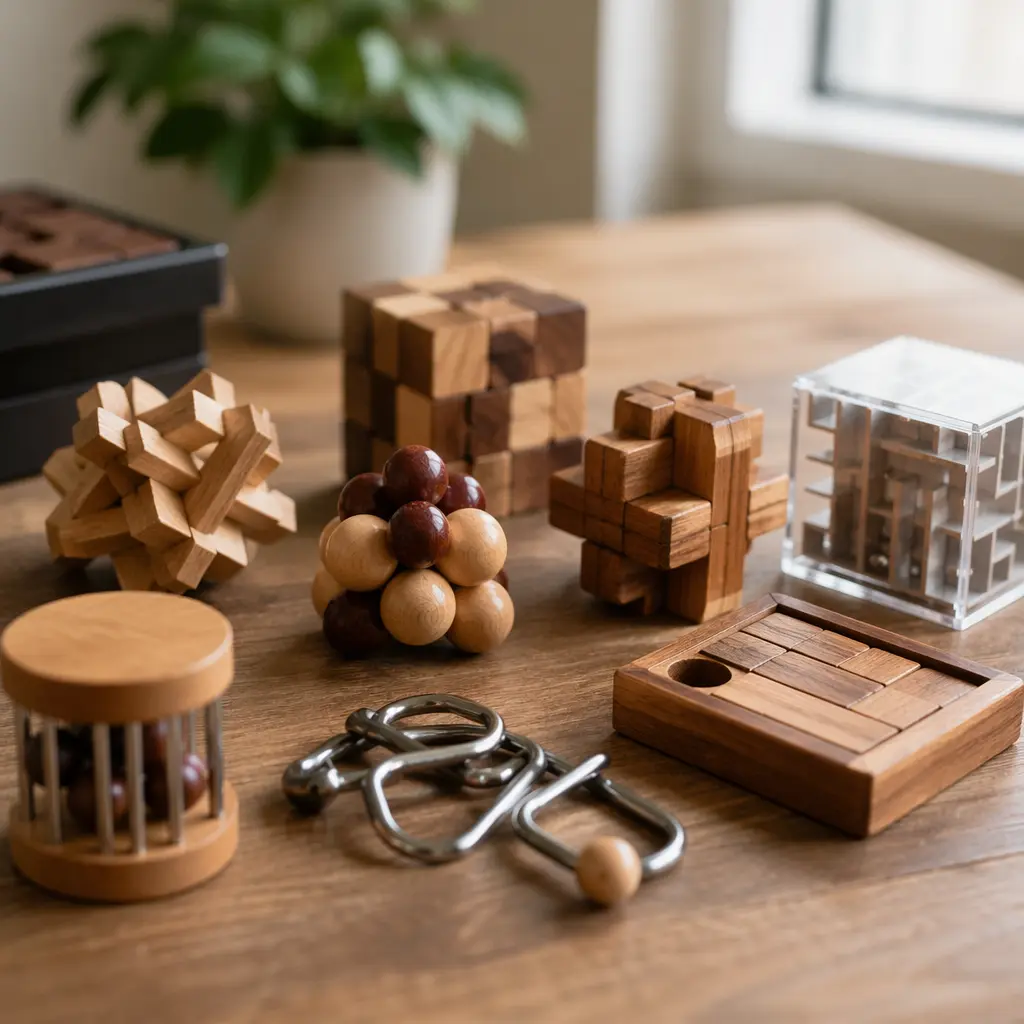
A parent-friendly guide to screen-free strategy puzzles for teens, focusing on replay value, challenge level, and skills like logic, planning, and problem-solving.
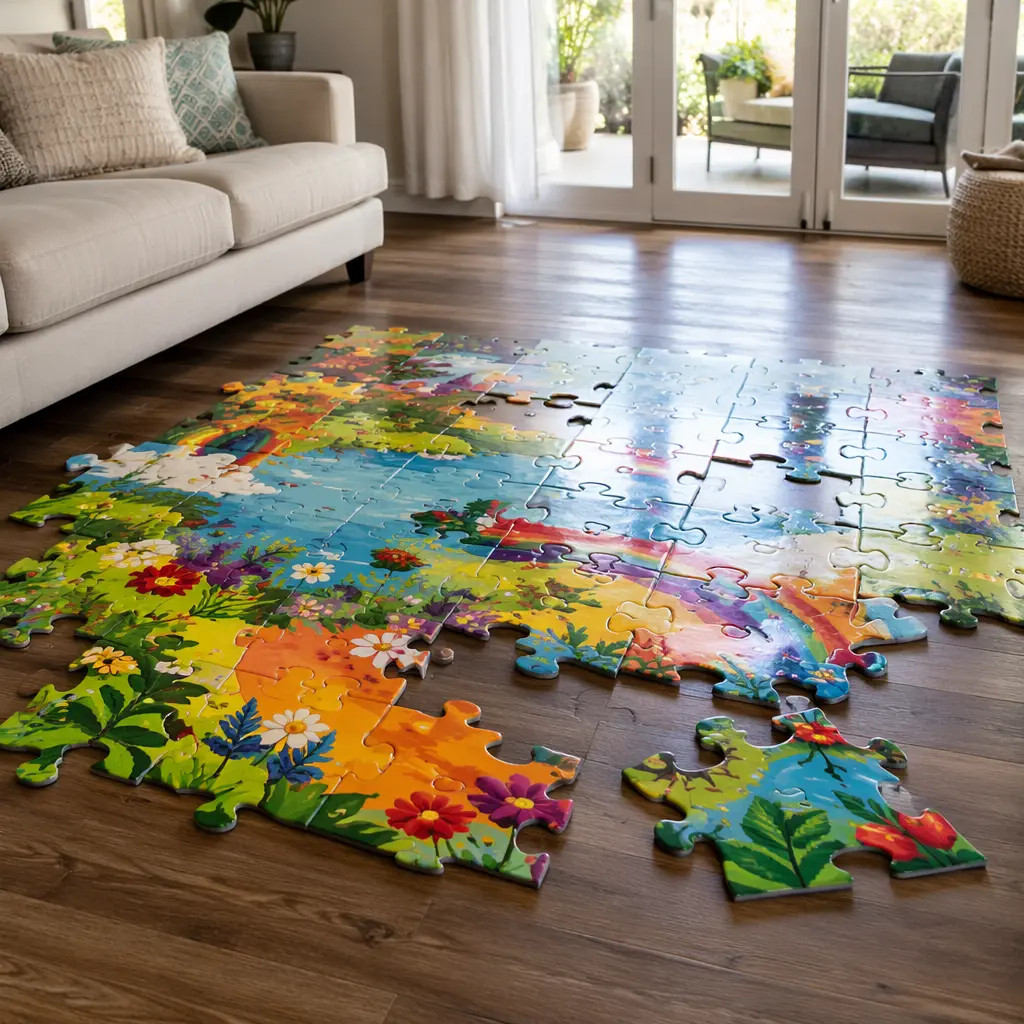
Puzzles · 3–5 years
A parent-focused guide to floor puzzles for ages 3–5, highlighting large pieces, movement-friendly play, and short attention spans. Learn what to look for, safety tips, and common questions.
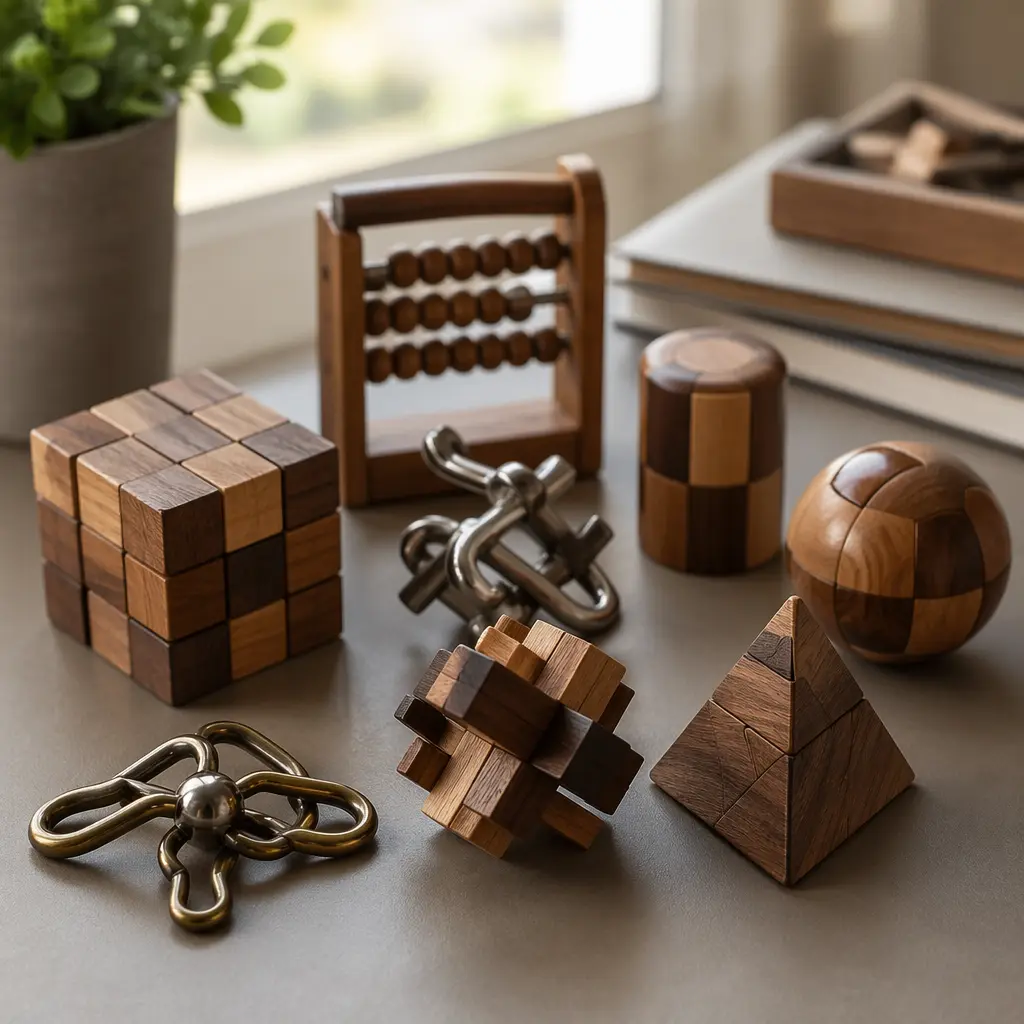
Puzzles · 13+ years
A buyer’s guide to timeless, no-battery puzzle toys that keep teens engaged. Learn what to look for, age fit, safety notes, and the classic puzzle types that still challenge 13+ minds.
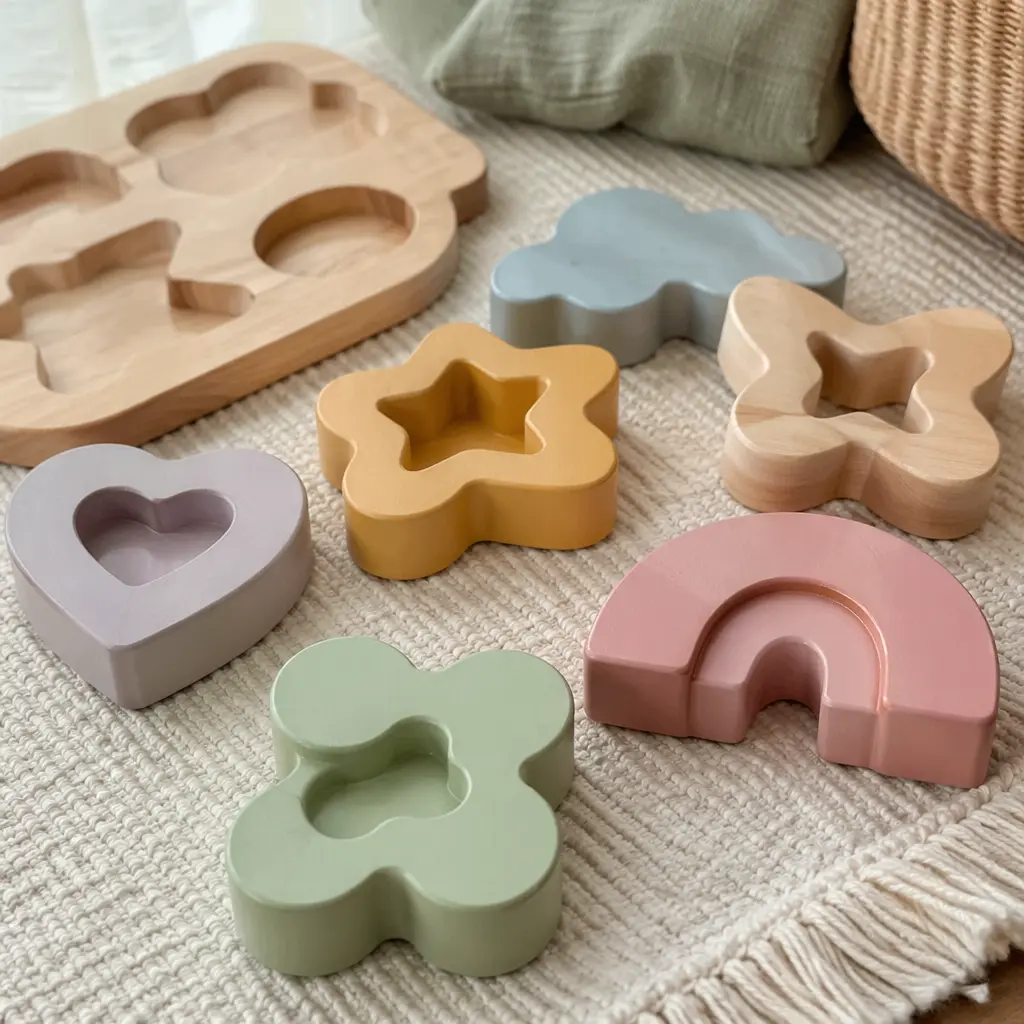
Puzzles · 0–12 months
A parent-focused guide to safe, chunky puzzle toys for babies 6–12 months, explaining what to look for, age fit, and how puzzles support early cause-and-effect learning.