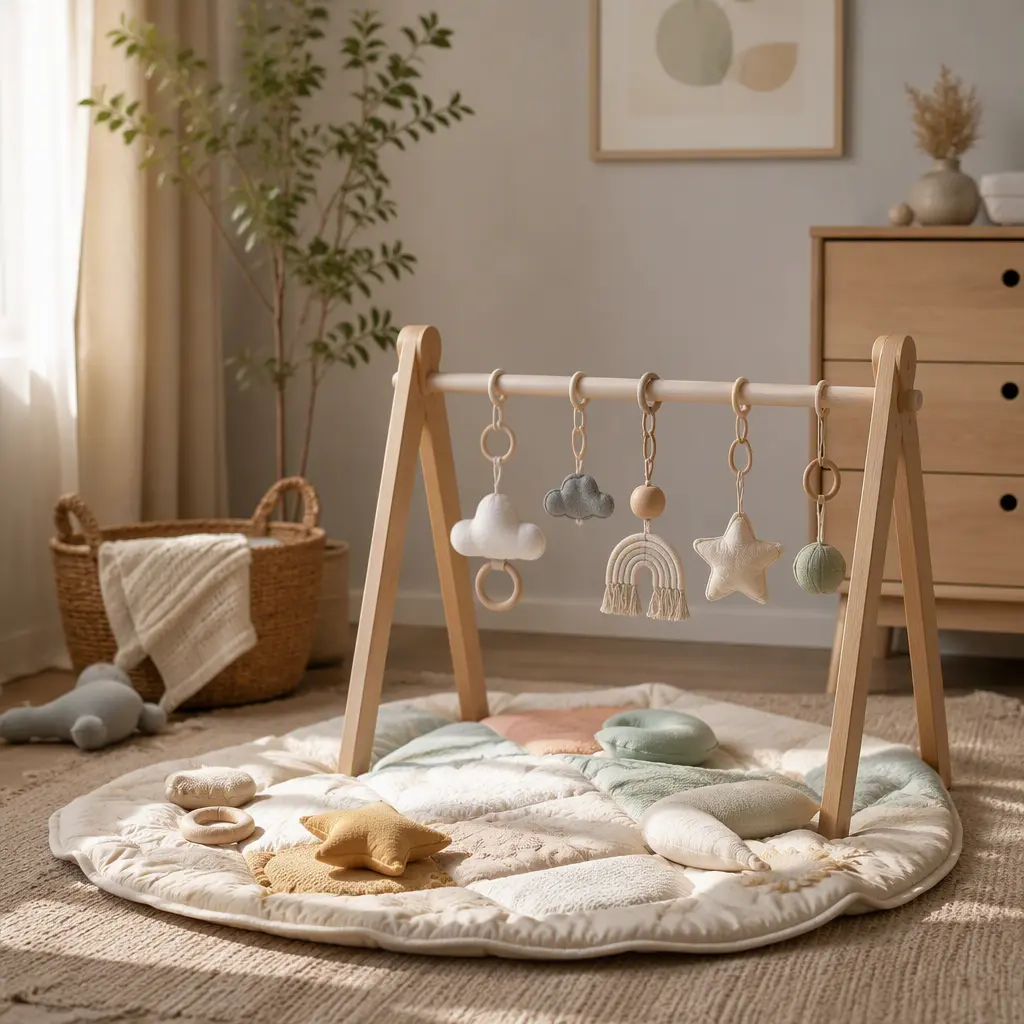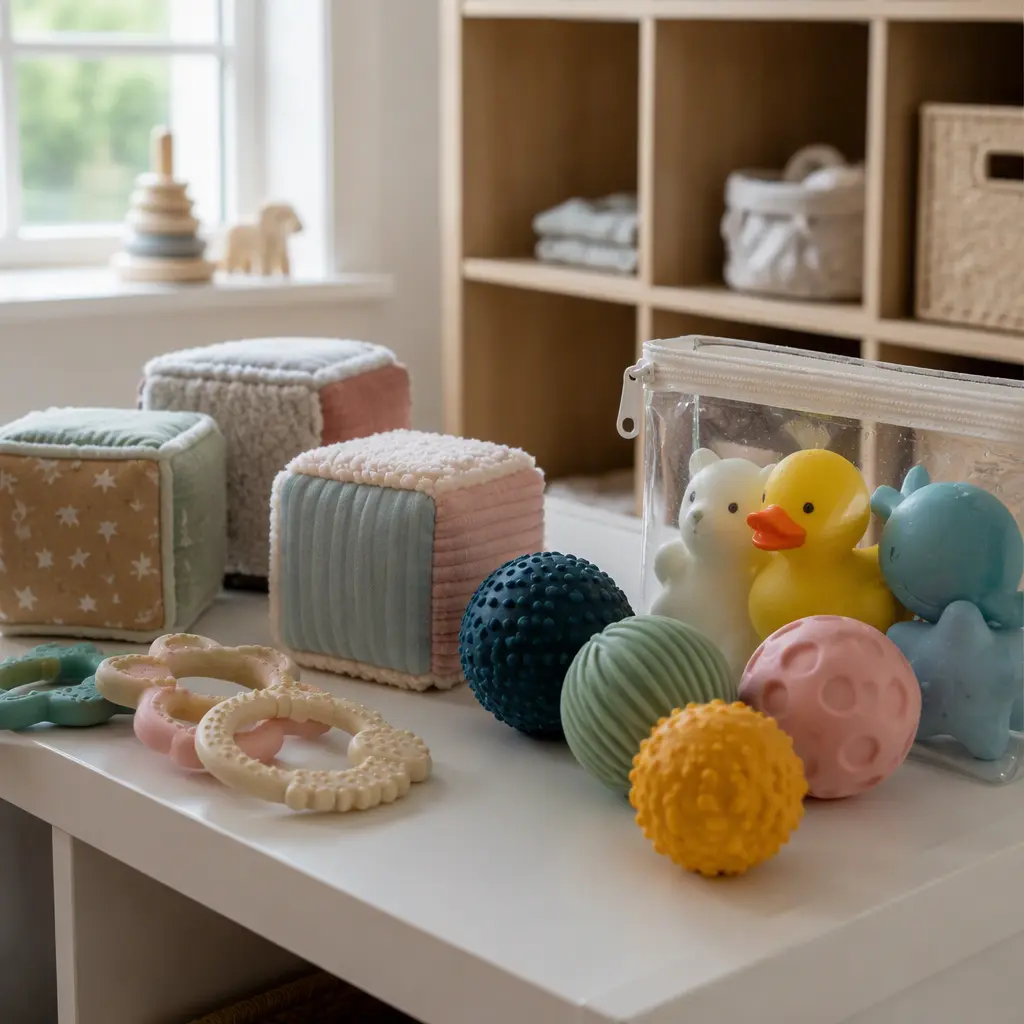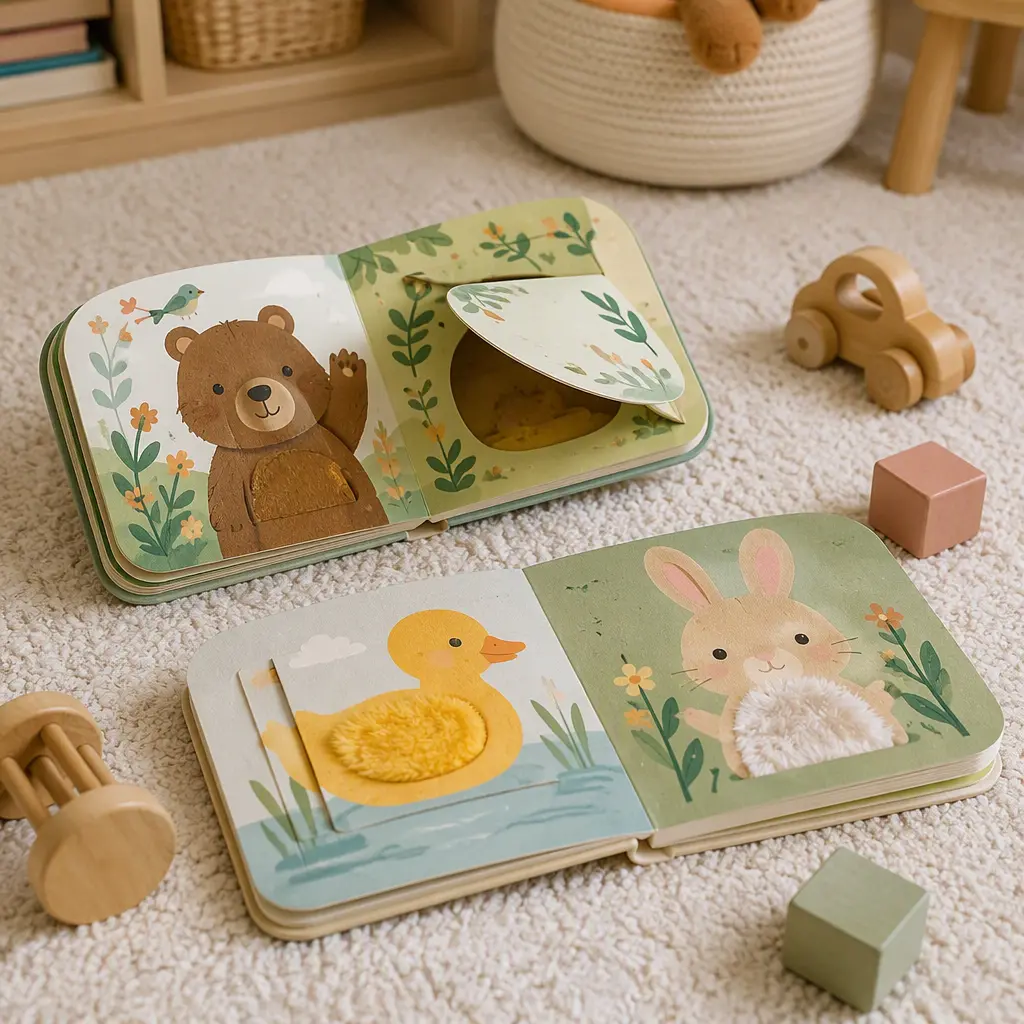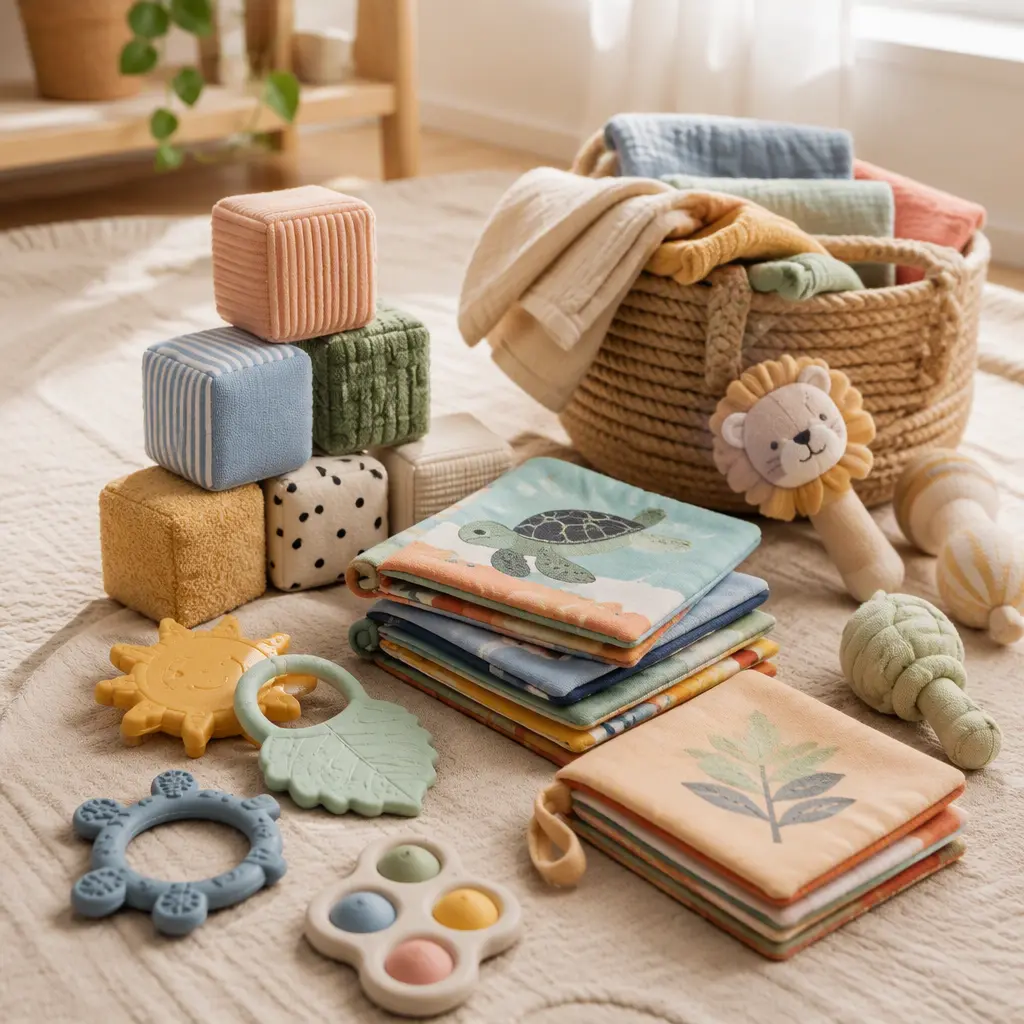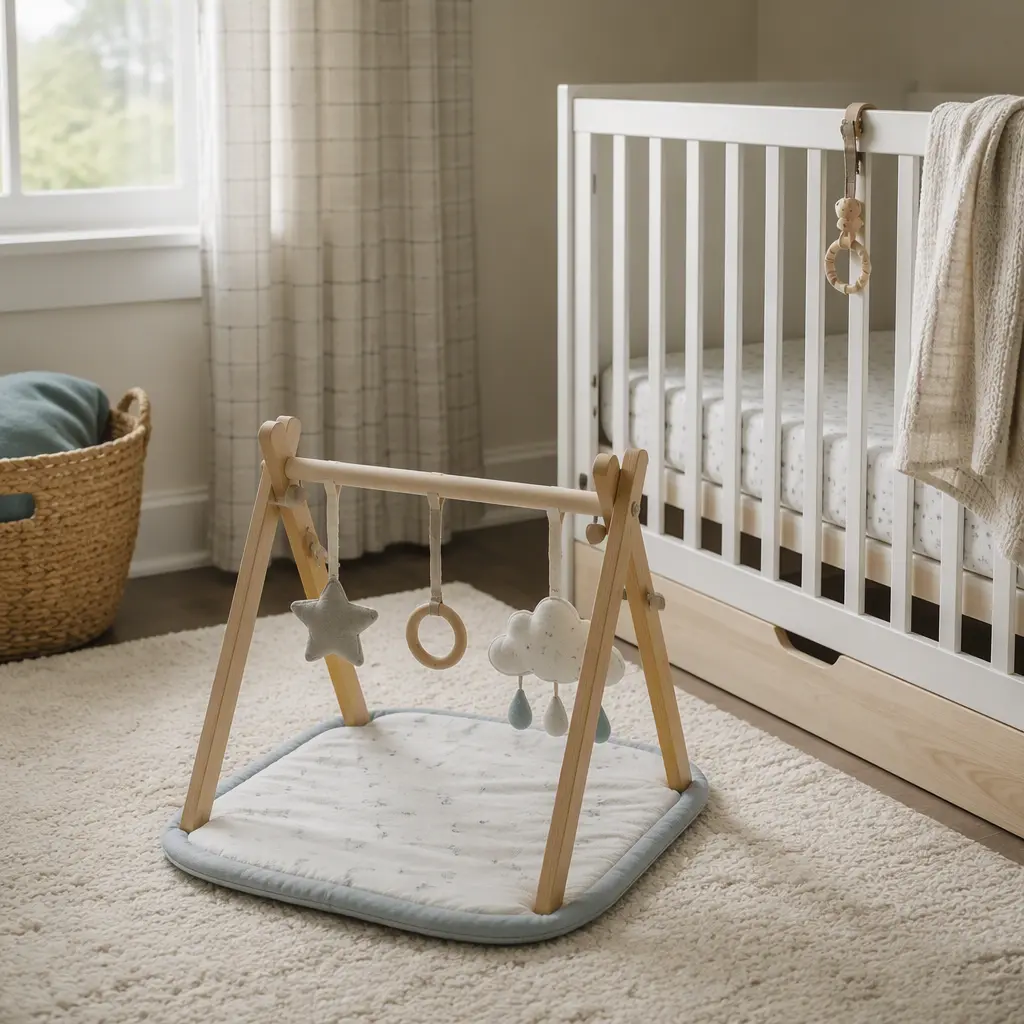
Baby Toys Pediatricians Recommend for First Skills
A parent-focused guide to simple, safe baby toys pediatricians often recommend to support early movement, sensory learning, and cause-and-effect skills from birth to 12 months.
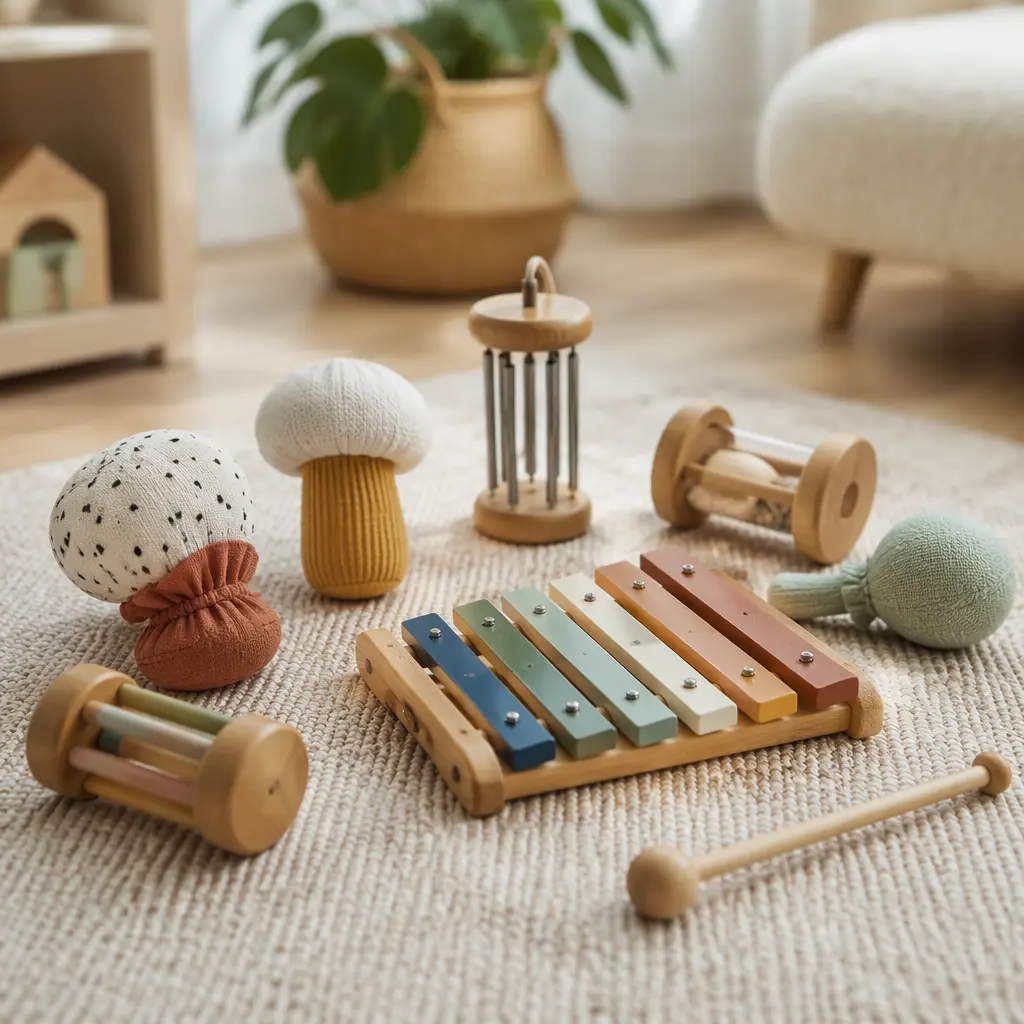
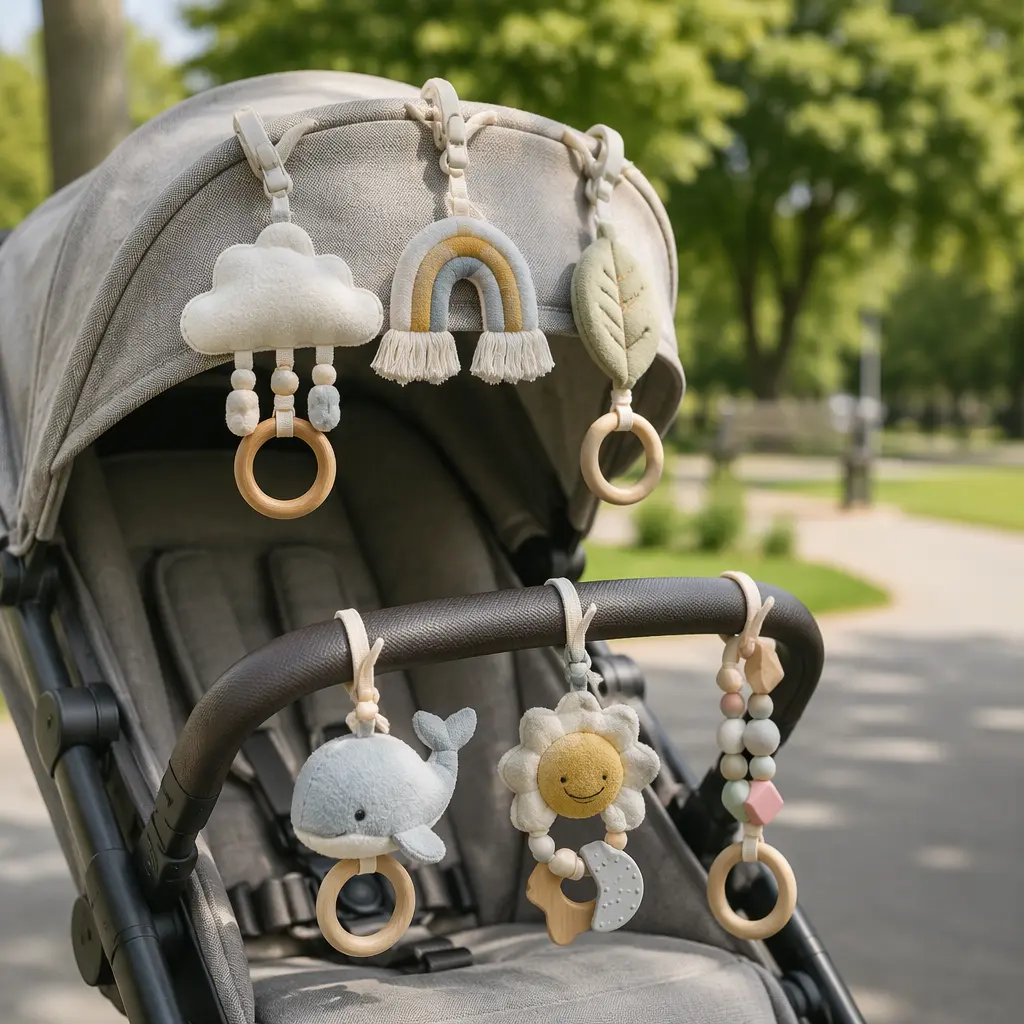
A buyer-focused guide to no-battery toys for babies 0–12 months, explaining why simple materials support development, what to look for, and how to choose age-appropriate options.
A parent-focused guide to baby toys that gently support reaching and grasping from birth to 12 months, with tips on age fit, safety, and play value.
A parent-friendly guide to no-battery baby toys that support reaching and rolling. Learn what to look for, age suitability, and safe, simple categories that encourage early motor milestones.
An evidence-based buyer’s guide to electronic toys for babies 0–12 months, explaining which features support early development, which are just distracting, and how parents can choose wisely.
Long before letters and screens, the Playskool Shape Sorter helped toddlers learn problem-solving by feel. Here’s how this classic toy quietly shaped early learning for generations.
A chunky pretend-play classic, the Fisher-Price Cash Register turned make-believe shopping into lessons in counting, turn‑taking, and real‑world math that still resonate today.
From patios to preschool yards, the Little Tikes water table helped make standing water play a toddler summer staple—durable, social, and endlessly resettable.
Grimm’s Wooden Peg Dolls are simple, faceless figures that invite open‑ended storytelling. Their minimal design, natural materials, and flexibility have made them a modern classic in imaginative play.
Since the 1980s, Uncle Goose Blocks have turned letters and numbers into tactile play. Loved by parents, teachers, and designers, they blend heirloom craft with early literacy.
A look at the Playskool Busy Ball Popper, the classic pop-and-roll toy that has kept toddlers laughing for decades through simple cause-and-effect play.
A parent-focused guide to simple, doctor-approved baby toys for ages 0–12 months. Learn what to look for, age fit, and safe, low-stimulation options that support early development.
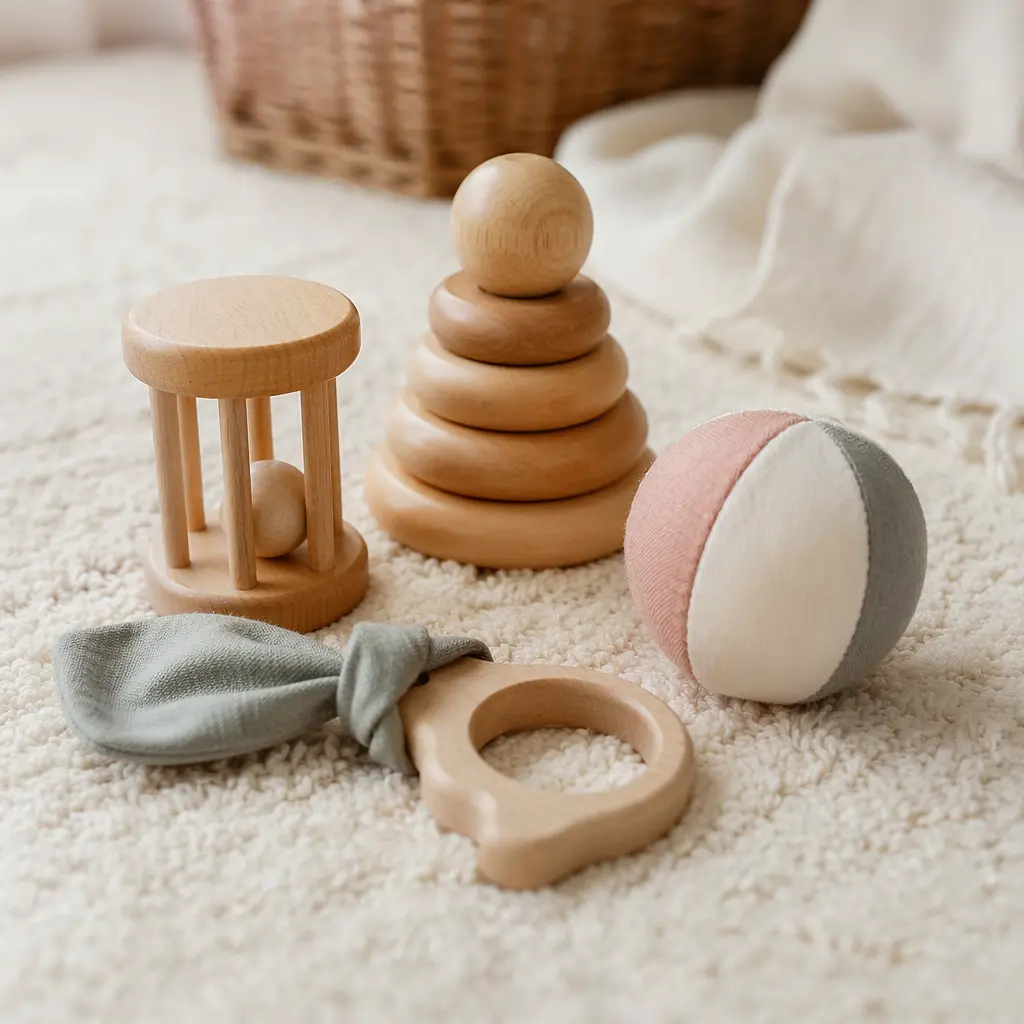
A parent-friendly guide to classic, no-battery baby toys pediatricians still recommend for ages 0–12 months—what to look for, age fit, and safe, skill-building categories.
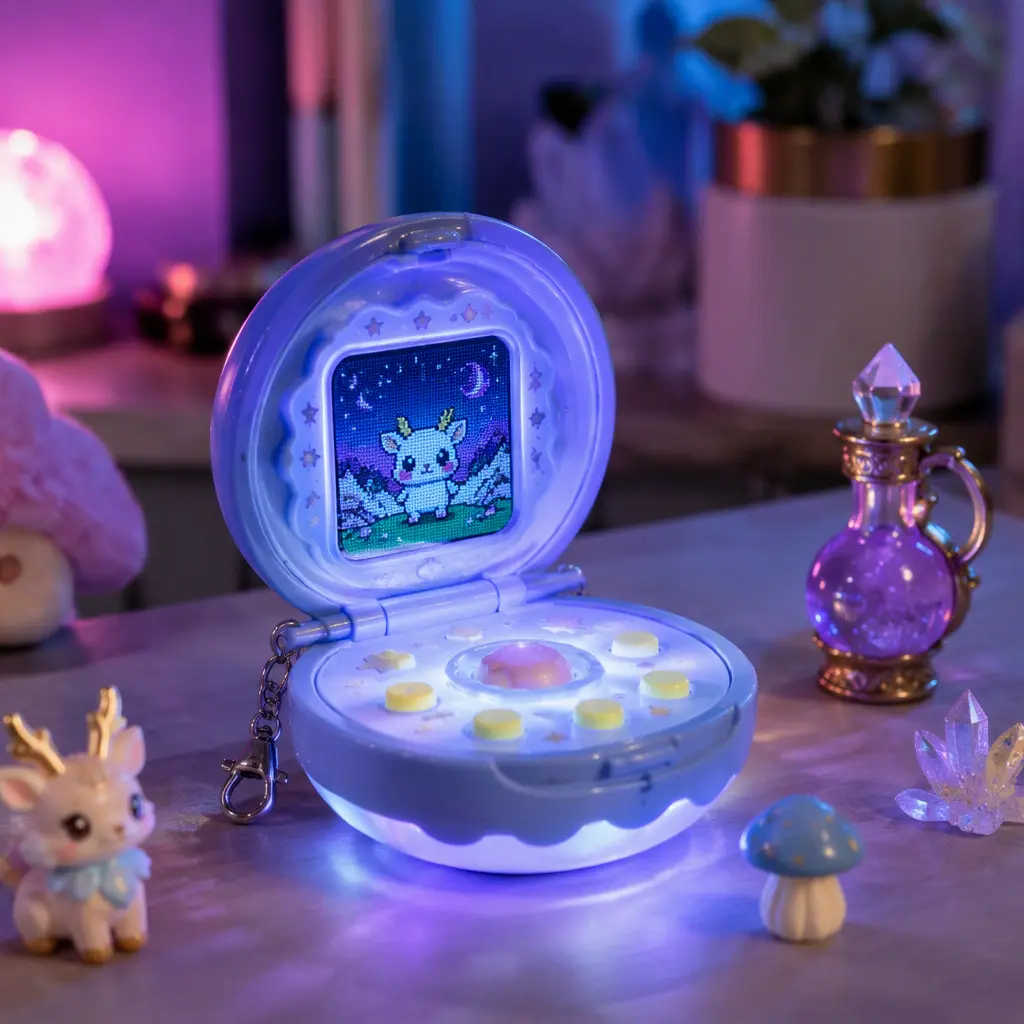
A parent-friendly guide to electronic sensory toys for babies, covering safety basics, age-appropriate features, and how to avoid overstimulation while supporting healthy early development.
A buyer’s guide to soft, safe first dolls for babies 0–12 months. Learn what features matter, age fit, and how simple dolls can support early bonding—without electronics.
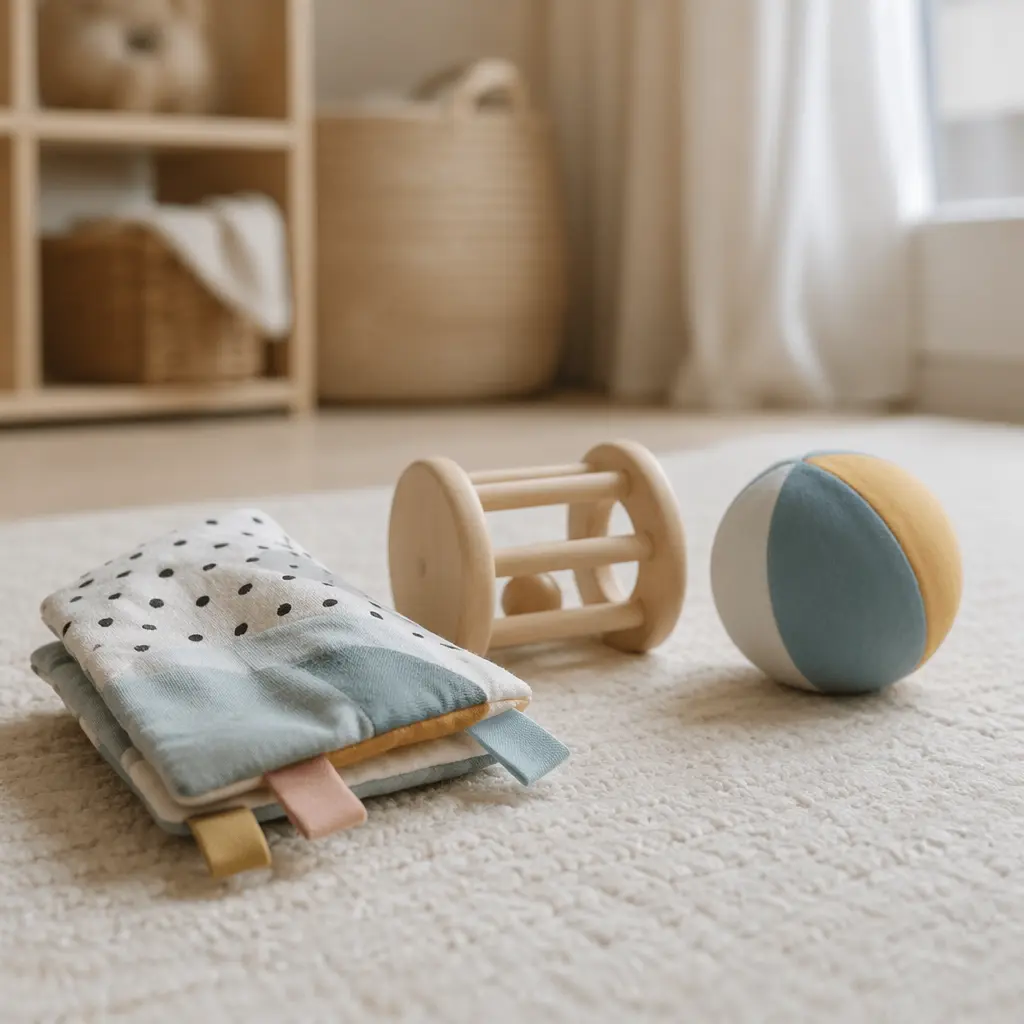
A calm, parent-friendly guide to simple sensory toys for newborns. Learn what to look for, age suitability, and safe toy types that support early touch, sight, and sound—without batteries.
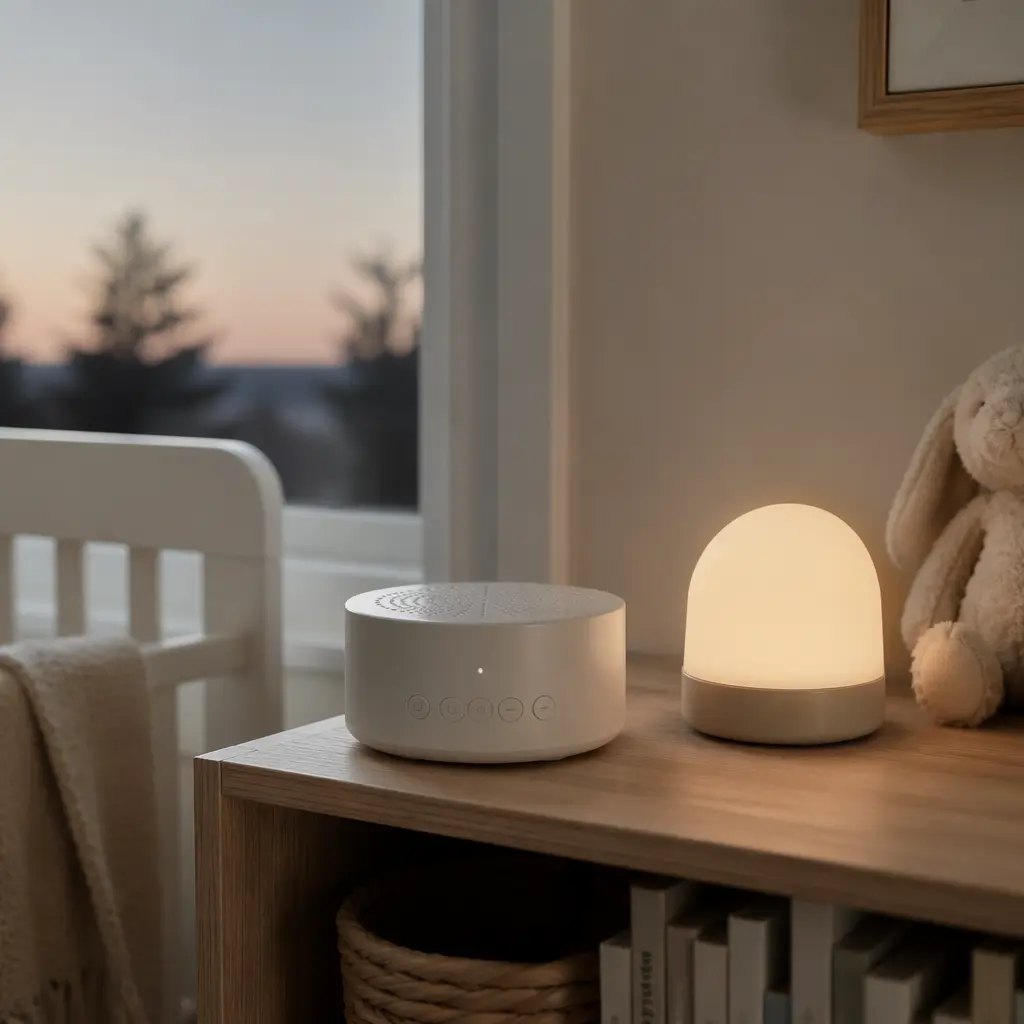
A parent-first guide to baby toys with gentle lights. Learn which features support early development without noise or sensory overload, plus age tips and safety notes for 0–12 months.
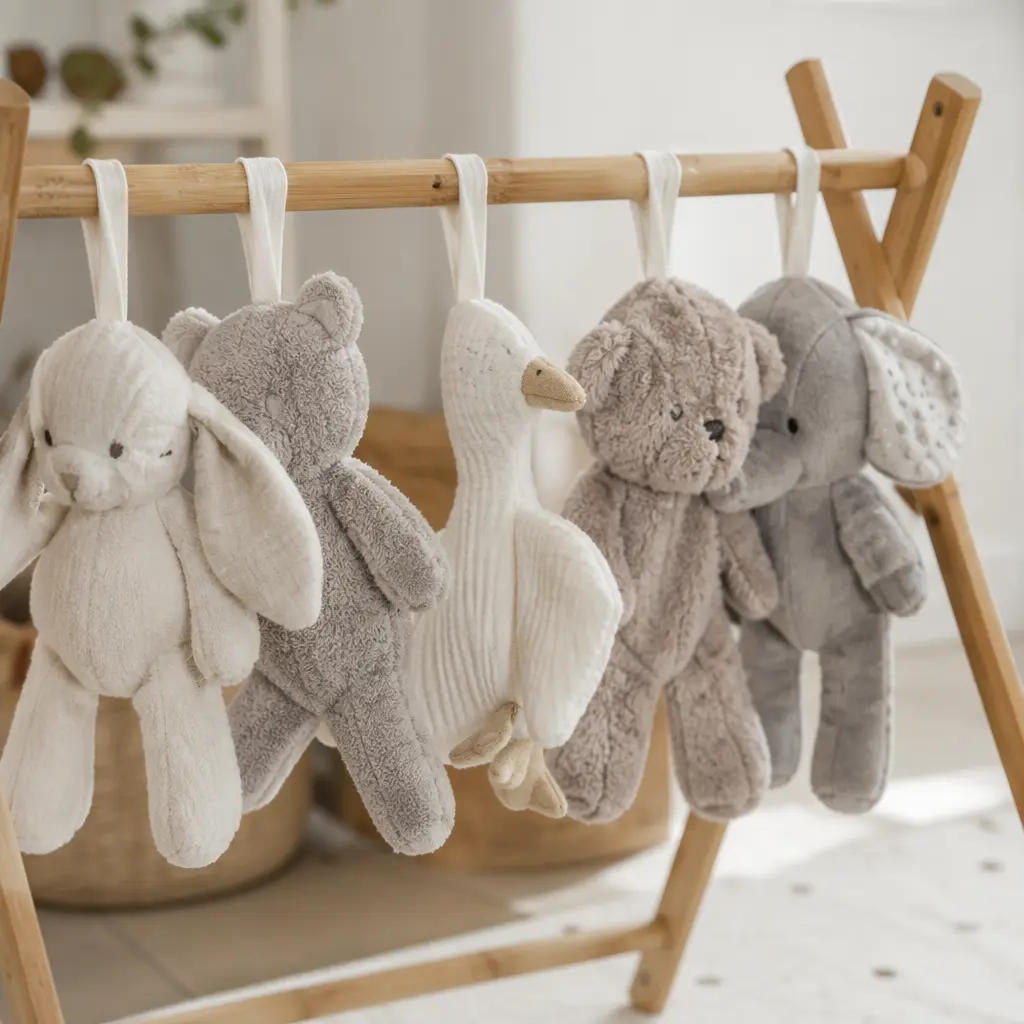
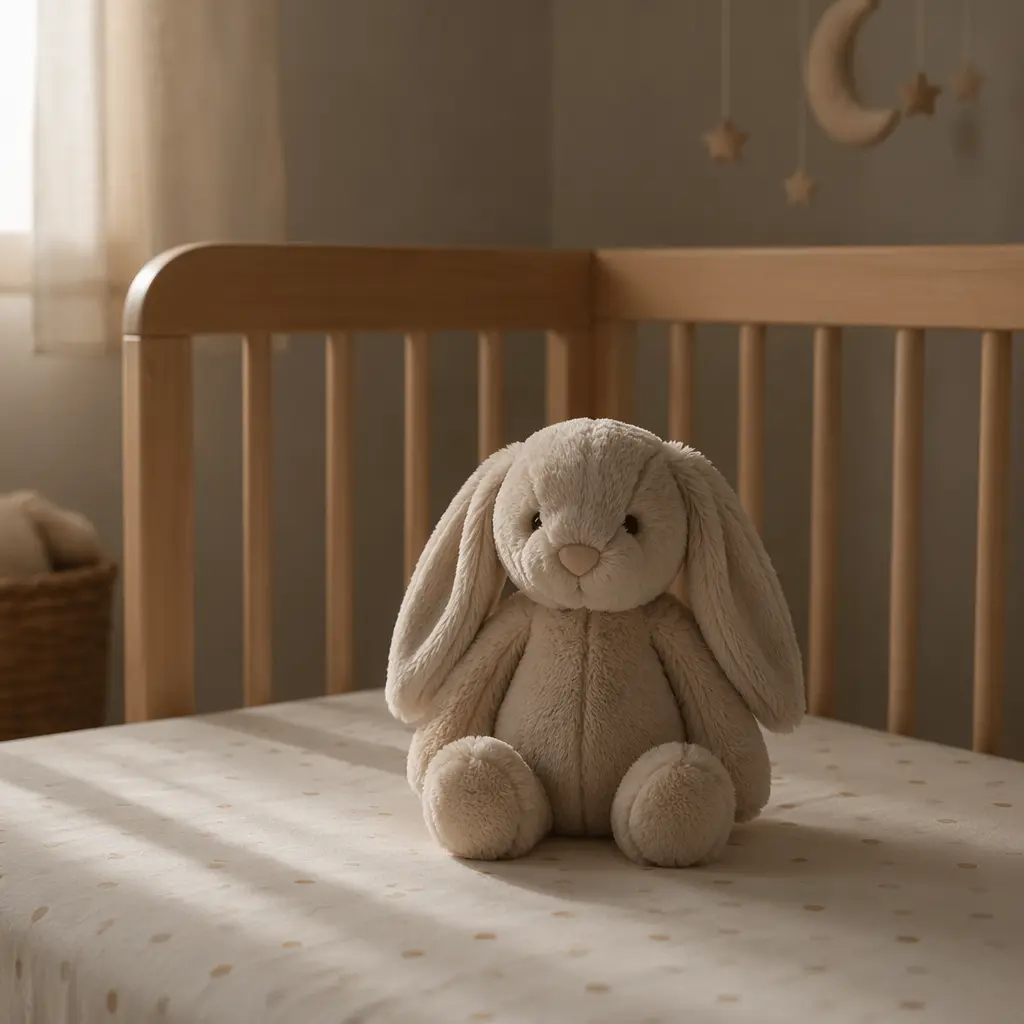
A parent-focused guide to simple plush toys that support soothing for babies 0–12 months, with practical tips on materials, safety, and age-appropriate features.
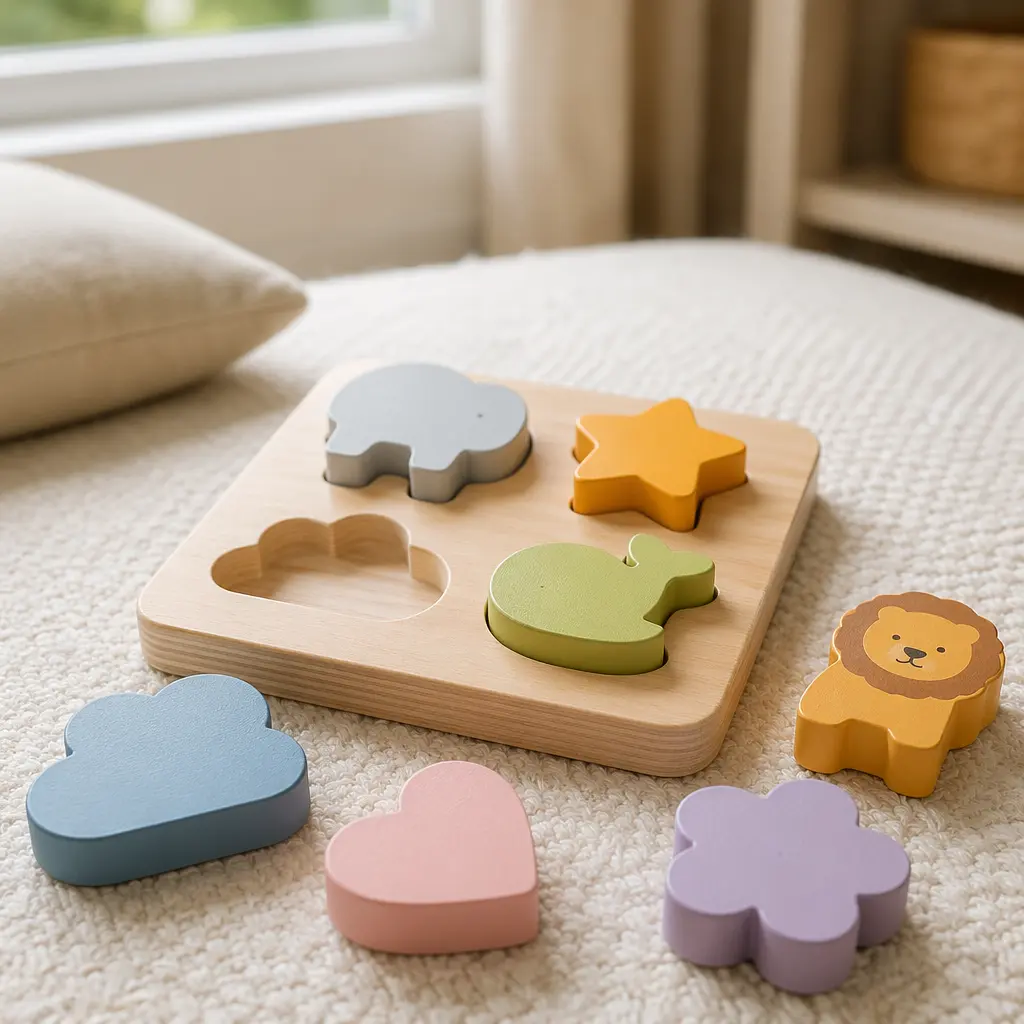
A parent-focused guide to safe, chunky puzzle toys for babies 6–12 months, explaining what to look for, age fit, and how puzzles support early cause-and-effect learning.
A buyer-focused guide to simple, no-battery toys that support sensory play and early skills for babies 6–12 months—quiet, durable classics without lights or noise.
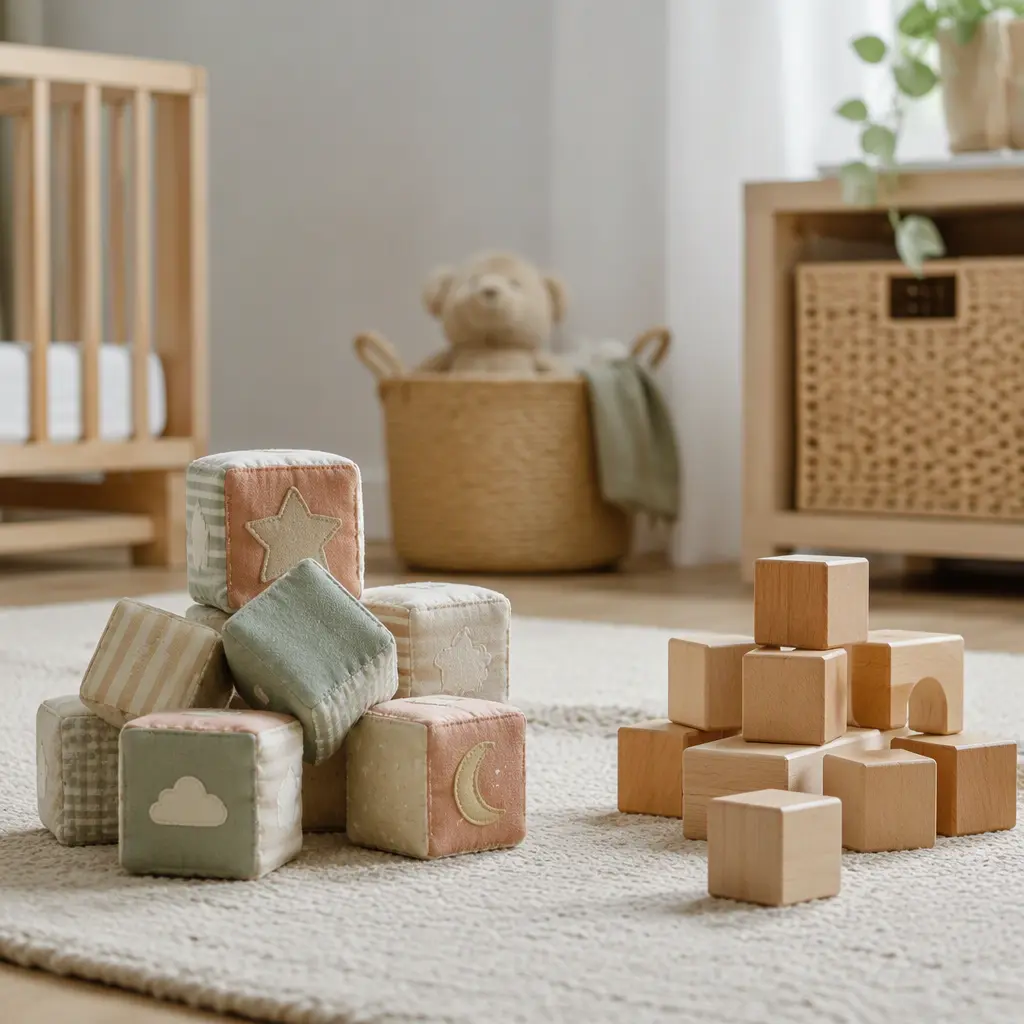
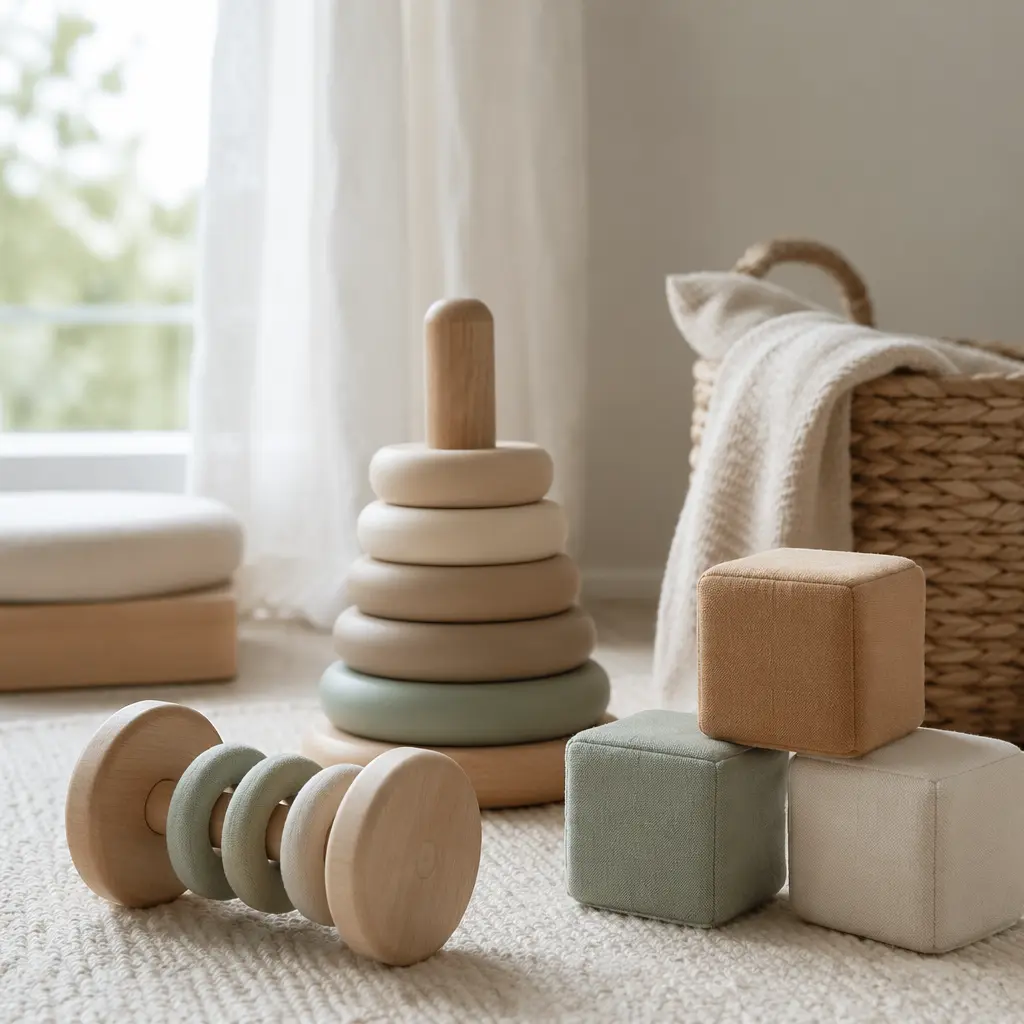
A parent-focused guide to no-battery building toys that grow with babies from about 9 months to age 2. Learn what to look for, age fit, safety tips, and the main types of blocks and stackers.
A parent-focused look at light-up baby toys for ages 0–12 months, covering safety, developmental value, and when electronic features help—or hinder—early learning.
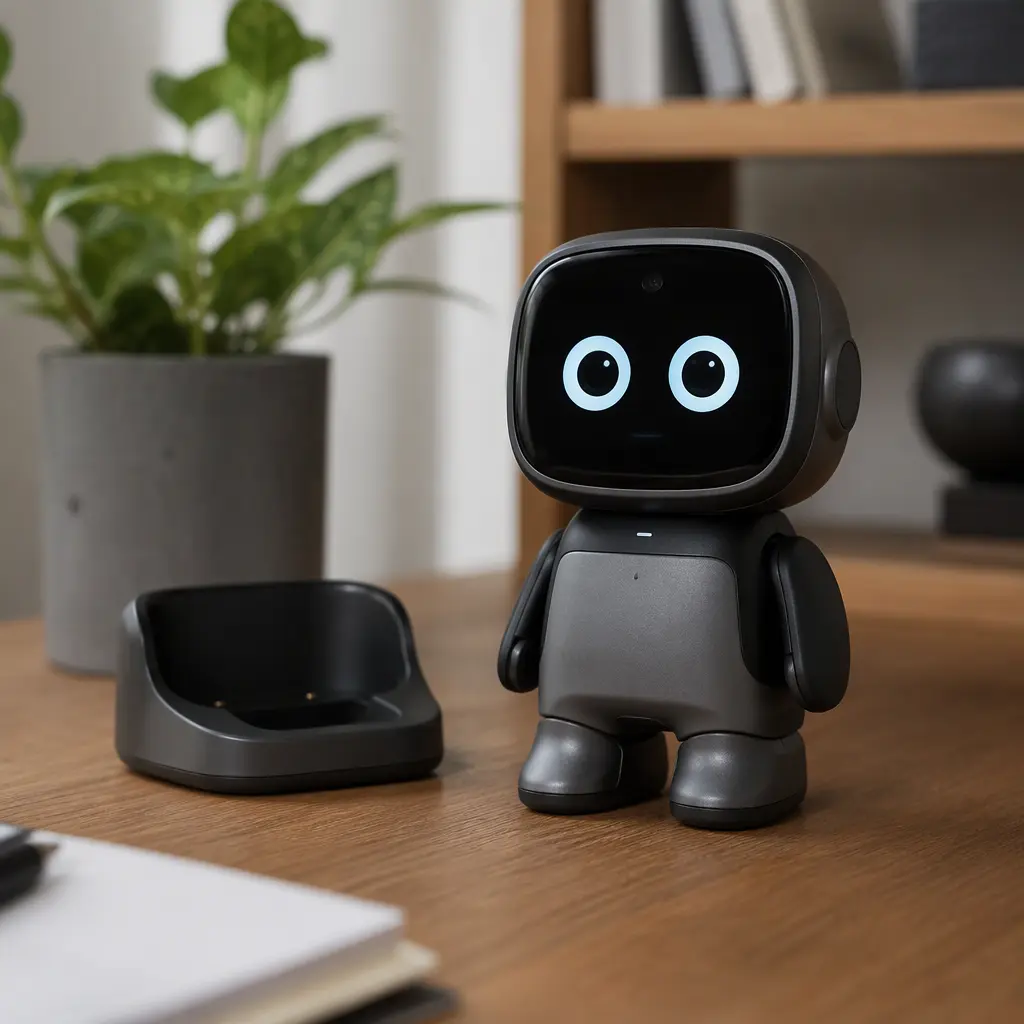
A buyer’s guide for parents of babies 0–12 months, explaining which simple tech toys support cause-and-effect learning—and which ones are mostly noise.
A safety-first guide to choosing simple, no-battery plush toys that support calming routines for babies 0–12 months, with tips on materials, size, and age suitability.
A parent-focused guide to simple, low-cost toys for babies 0–6 months. Learn what supports early senses without batteries or overload, plus safety tips and age guidance.
A safety-first buyer’s guide to electronic toys for babies 0–12 months. Learn which features support development, what to skip, and how to choose age-appropriate tech toys without overwhelm.
A parent-friendly guide to simple, no-battery baby toys that make tummy time more engaging—supporting lifting, reaching, and early rolling from birth to 12 months.
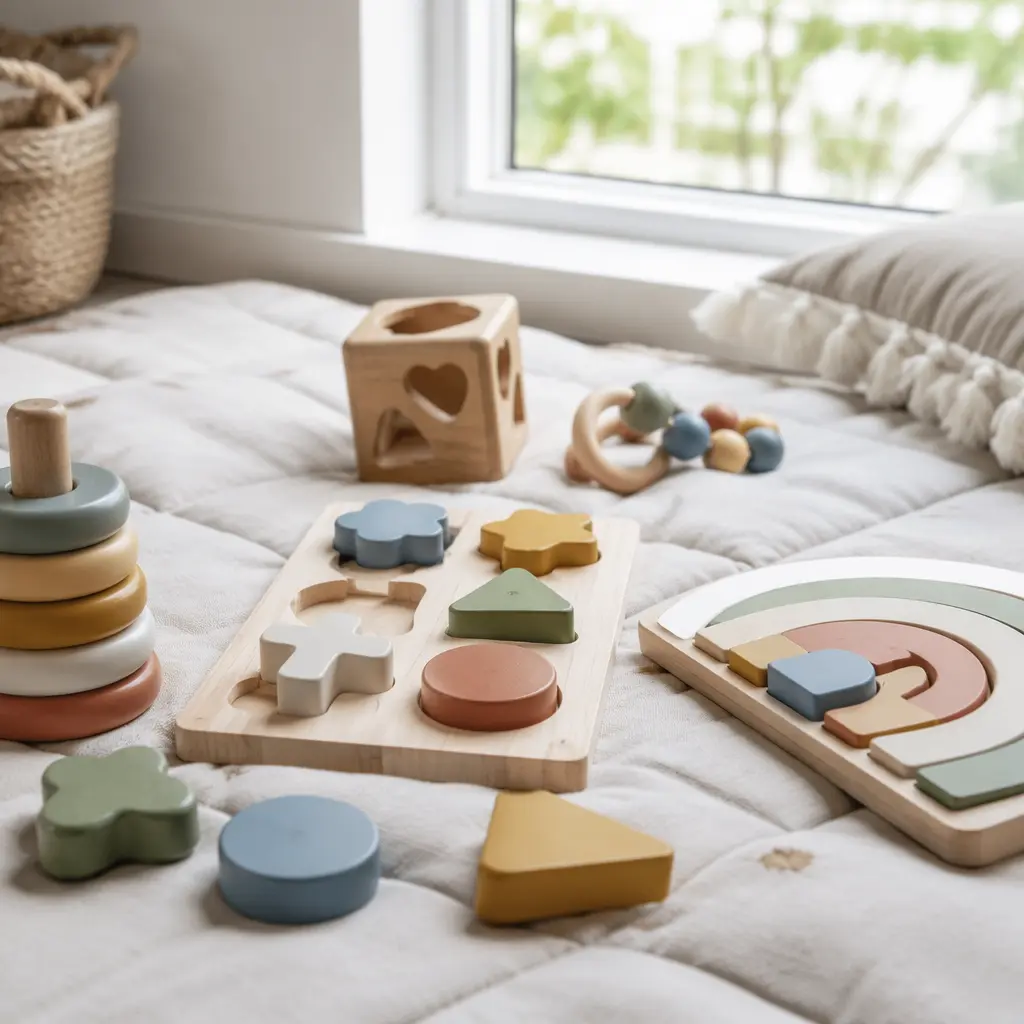
A parent-friendly guide to simple, no-battery plush toys for babies 0–12 months. Learn what features support comfort and early sensory play, how to choose safely, and which styles fit each stage.
A safety-first guide to choosing plush and fabric toys for babies who are starting solids. Learn what materials, construction details, and care features matter during messy mouthing stages.
A parent-friendly guide to wooden building toys with no batteries—what to look for, age fit, and types that stay useful from early play through the toddler years.
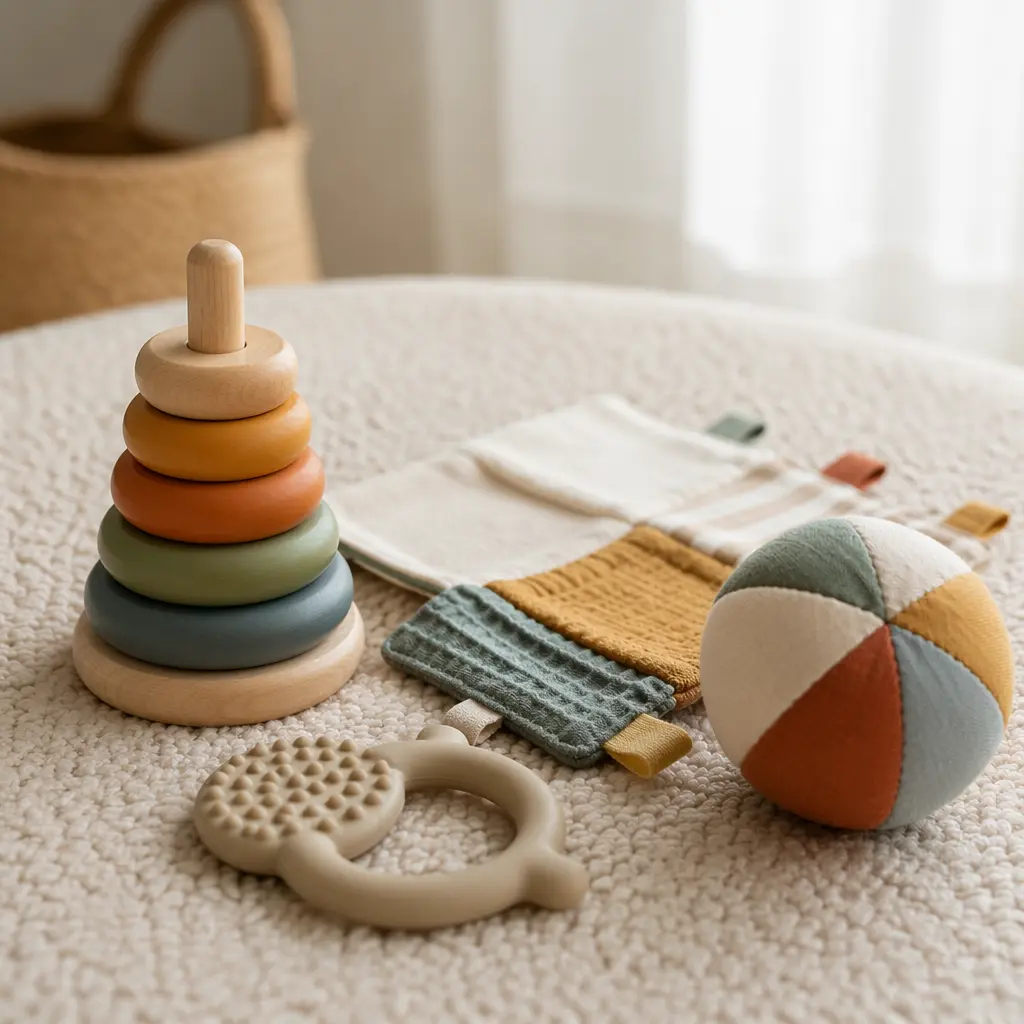
A safety-first buyer’s guide to simple, durable toys designed for babies who explore with their mouths. Learn what materials, shapes, and features support safe chewing from birth to 12 months.
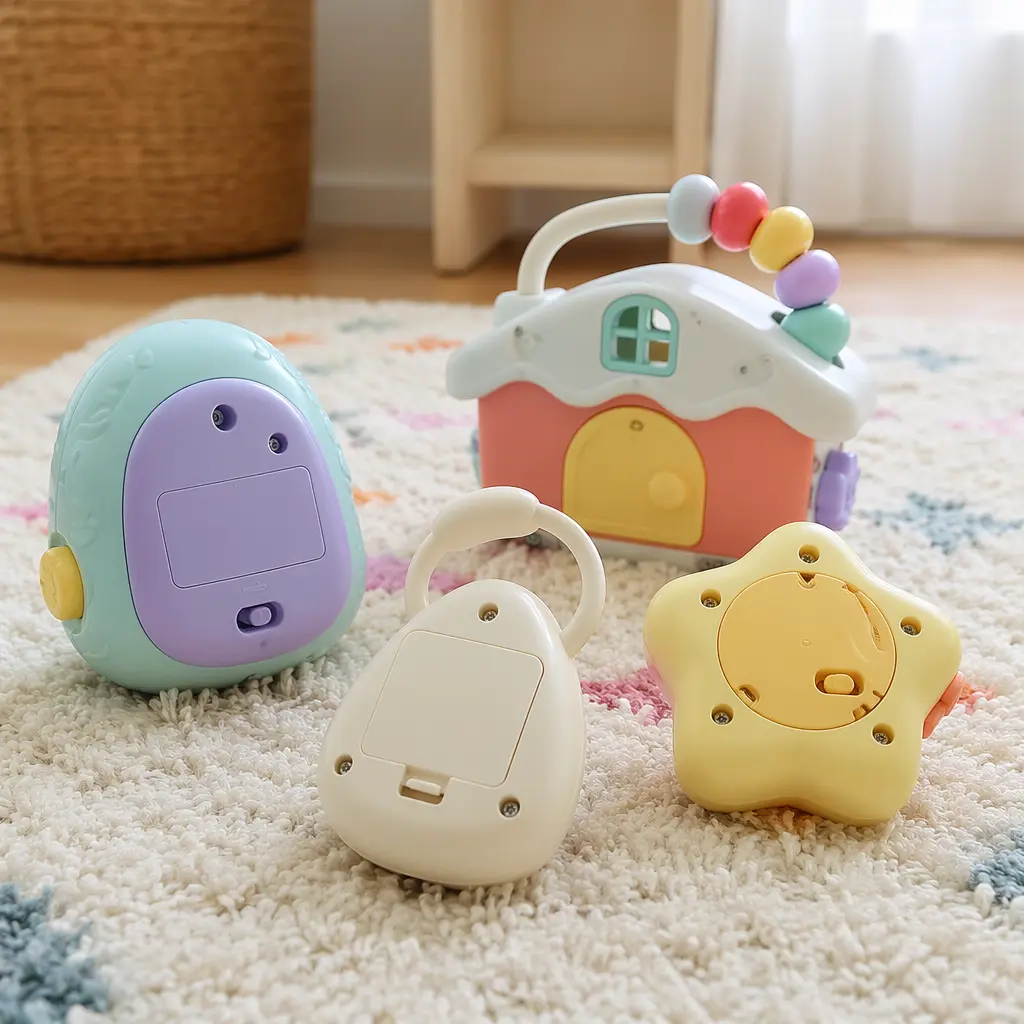
A safety- and value-focused guide to classic wooden toys for babies. Learn what to look for, age suitability from 0–12 months, and which timeless toy types support early development.
A safety-first guide to tech-free toys that support sensory play for babies. Learn what textures, sounds, and motion matter most from birth to 12 months, plus how to choose safe, simple options.
A parent-focused guide comparing wooden and plastic grasping toys for babies 0–6 months, with clear advice on materials, finishes, choking risks, and what to check before buying.
A safety-first buyer’s guide for parents considering plush toys with lights, sounds, or sensors for babies under 12 months, including what features to seek and what risks to avoid.