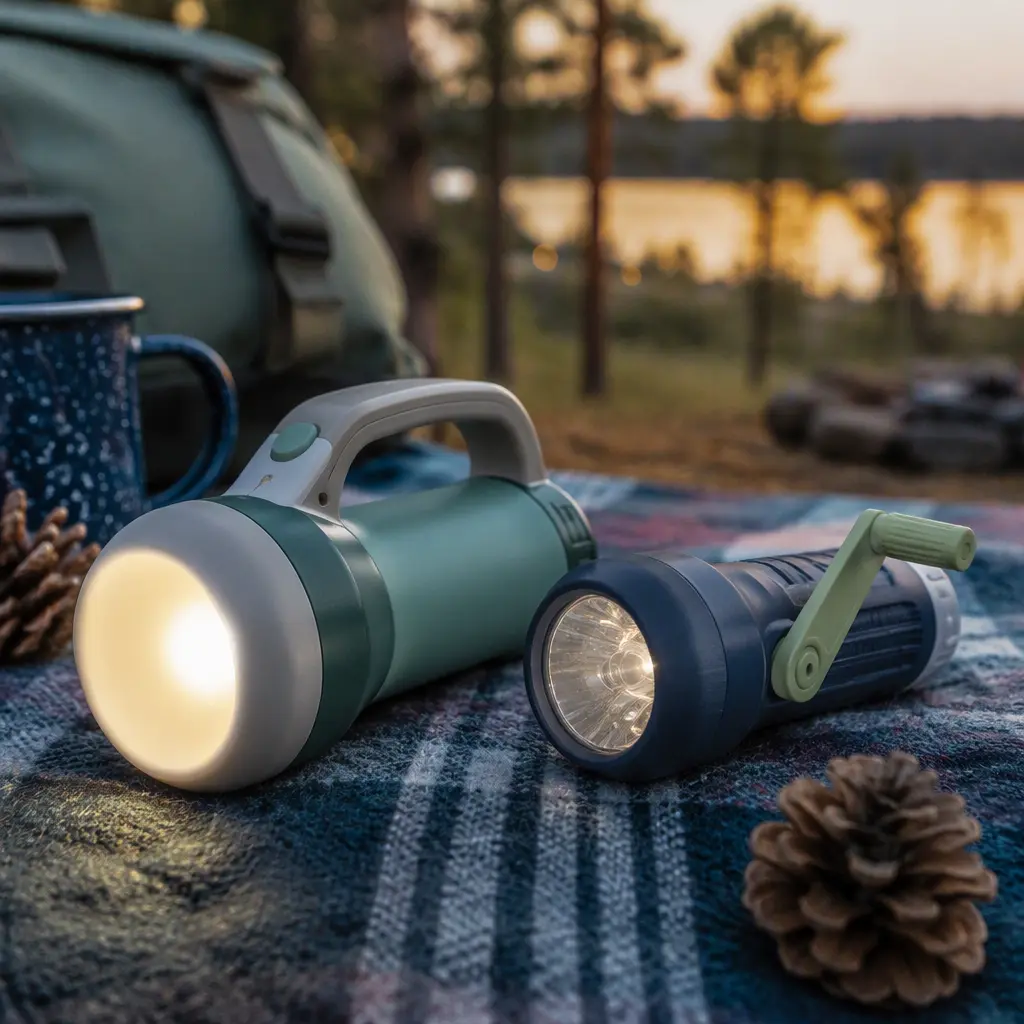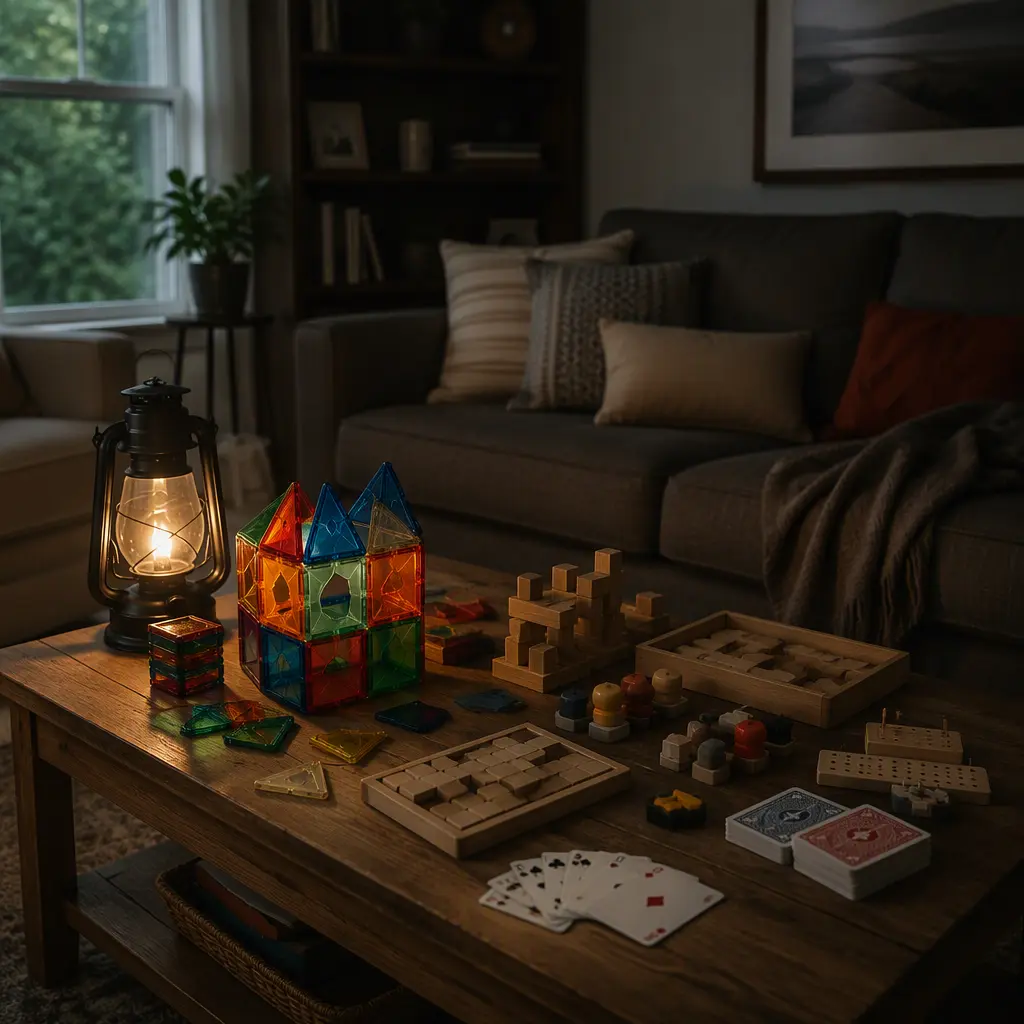
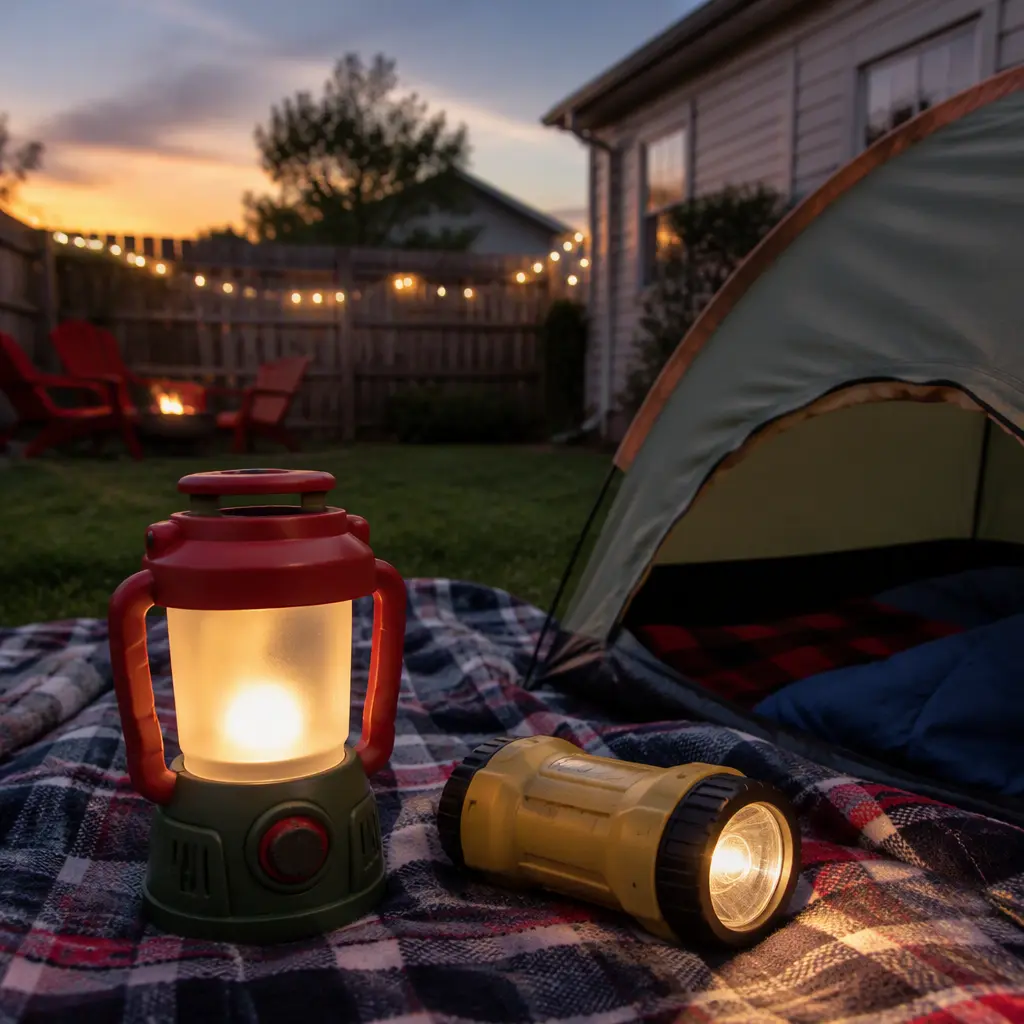
Toy Camp Lanterns vs Flashlights for Backyard Play
Compare toy camp lanterns and flashlights for backyard play ages 6–8. Learn which suits independent play, night games, camping practice, storage, and durability needs.
Find a useful starting point in seconds, then go deeper only if it helps you decide.
New, practical, or by interest.
Compare toy camp lanterns and flashlights for backyard play ages 6–8. Learn which suits independent play, night games, camping practice, storage, and durability needs.
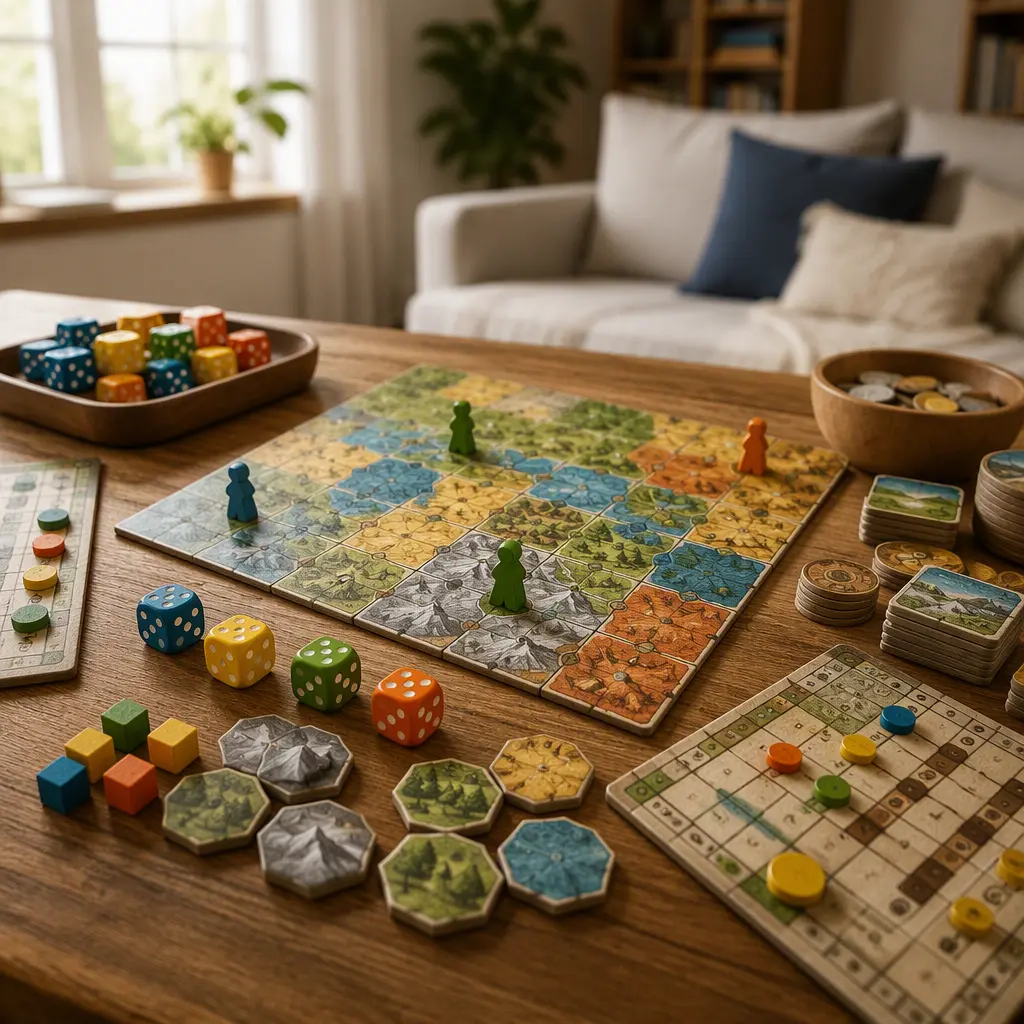
A parent-focused guide to choosing between dice and tile games for children aged 6–8 who struggle with competitive frustration, including pacing, luck balance, noise, and emotional intensity.
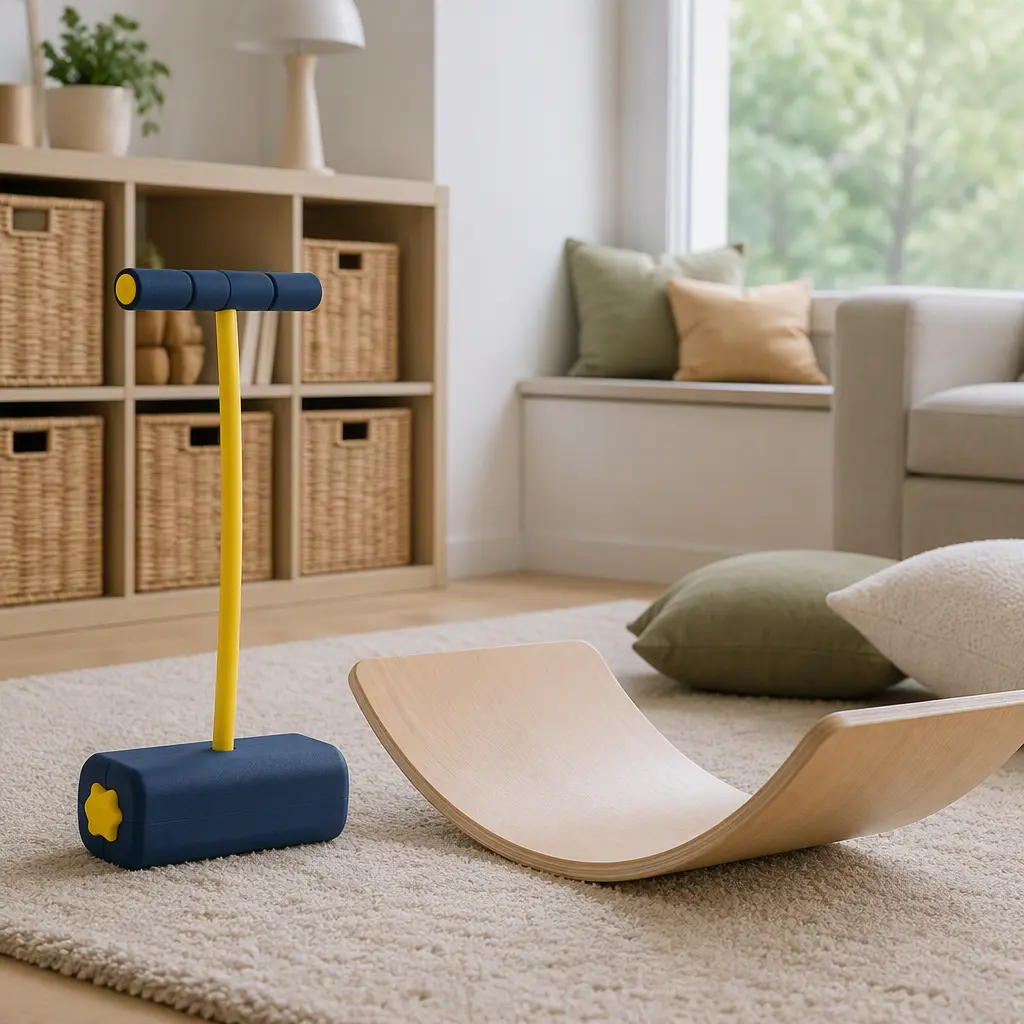
Comparing mini trampolines and balance boards for children aged 6–8, with practical guidance on storage, noise, supervision, safety and apartment-friendly indoor play.
Choosing between foam dice games and card games for family travel depends on space, noise, replay value and mixed ages. This guide compares both for offline trips with children aged 6–8.
A parent-focused guide to building toys that stay compatible across brands, support rough hybrid builds, and suit children aged 6–8 without creating storage or frustration problems.
Bluey figure playsets turned familiar family routines into open-ended pretend play, helping a TV-inspired toy line connect with both children and parents in the contemporary toy aisle.
With translucent pieces and sculptural designs, 3D Crystal Puzzles turned tabletop brainteasers into decorative objects that appeal to both puzzle fans and casual collectors.
Designed for younger children, My First Scalextric simplified classic slot-car racing with gentler controls, durable cars, and easy-to-build tracks that brought family racing back to the living room.
Battat’s Take-A-Part Vehicles turned toy drills and rebuildable machines into a hands-on preschool hit, blending pretend construction play with simple engineering concepts and repeatable problem-solving.
Magic Tracks turned the familiar toy car set into a bendable, glow-in-the-dark building activity, mixing racing play with simple construction in a format that spread quickly through modern toy aisles.
Lauri Pegboards turned a simple set of chunky pegs and sturdy boards into a lasting early-learning toy, helping generations of children build fine-motor skills through open-ended play.
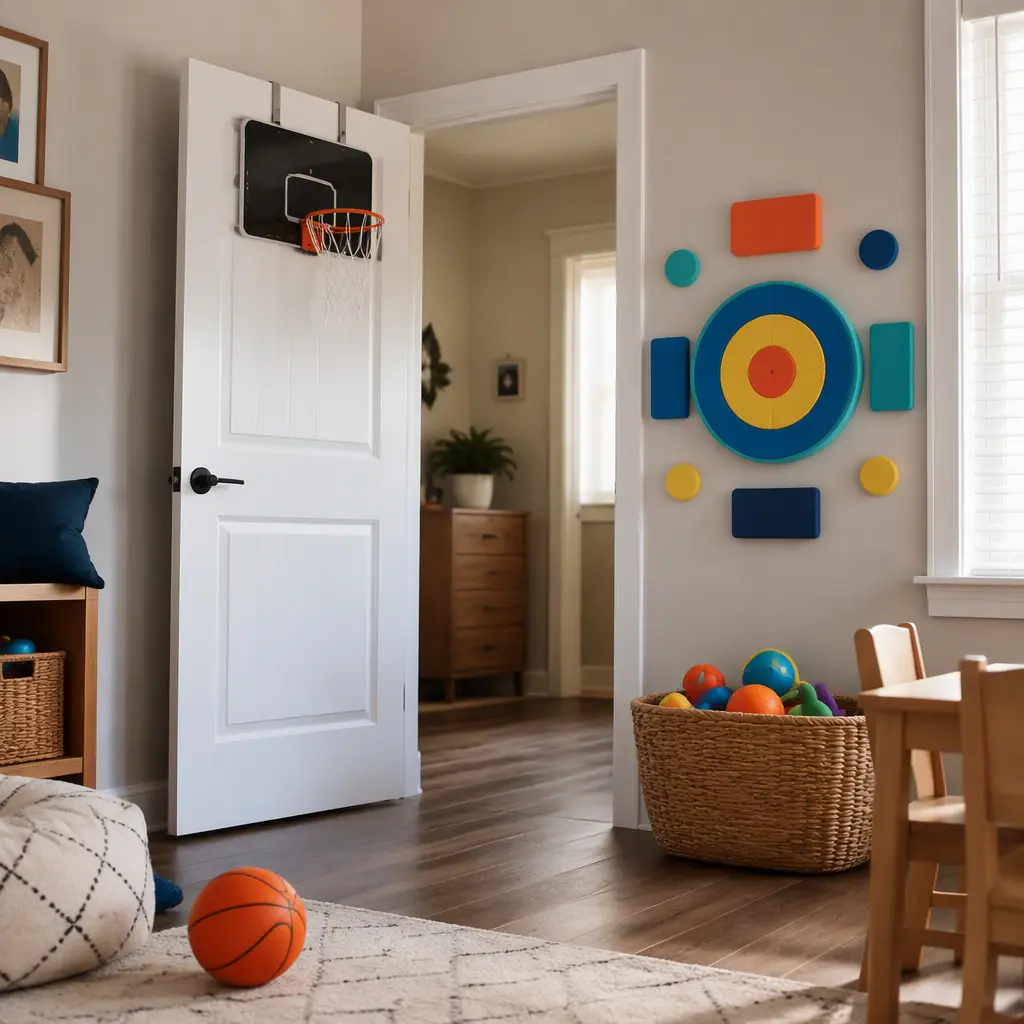
Comparing magnetic dart boards and Velcro dart sets for ages 6–8, with practical guidance on safety, wall protection, noise, durability, storage and indoor play space.
A parent-focused guide to choosing between offline voice changers and walkie talkies for ages 6–8, with practical advice on noise, outdoor play, durability, storage and sibling-friendly use.
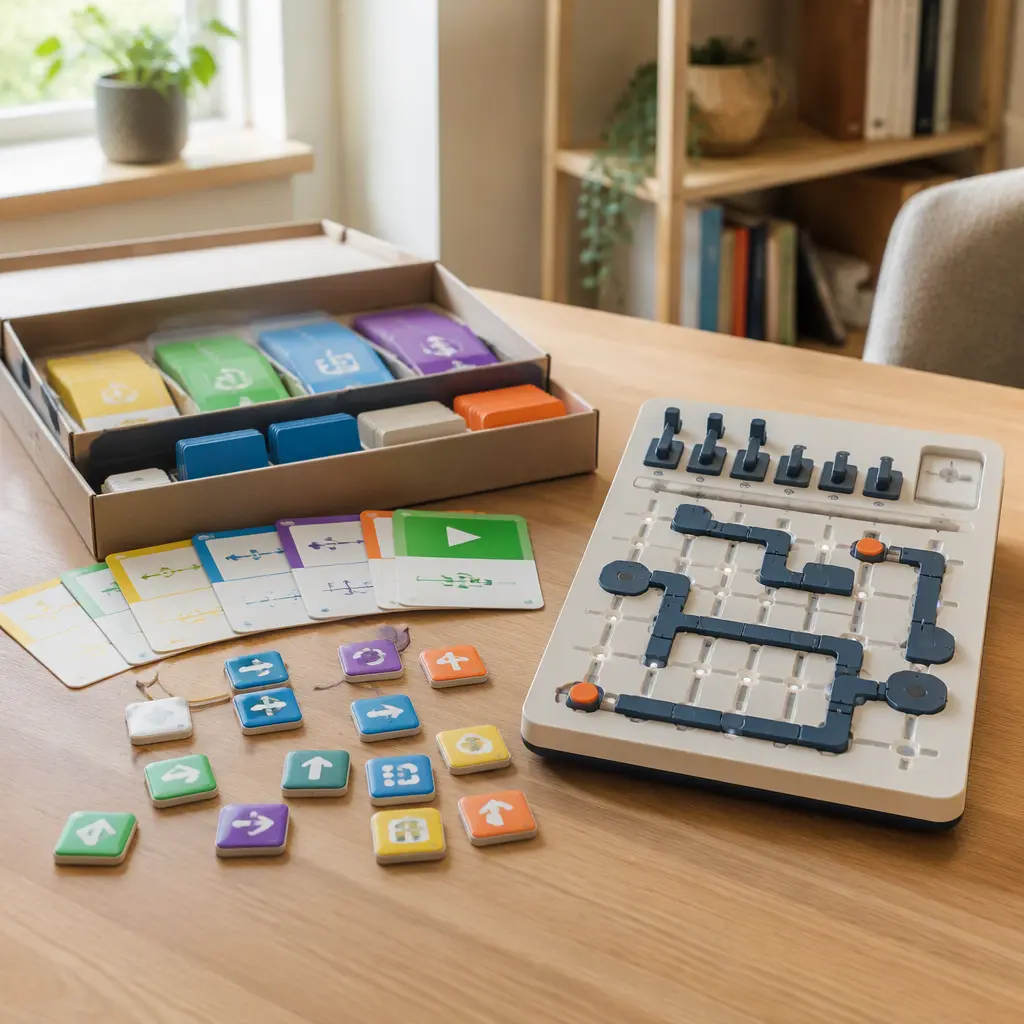
A parent-focused guide to beginner logic games for ages 6–8, with tips on cooperative play, solo options, gentle difficulty ramps, and avoiding games that trigger shutdowns.
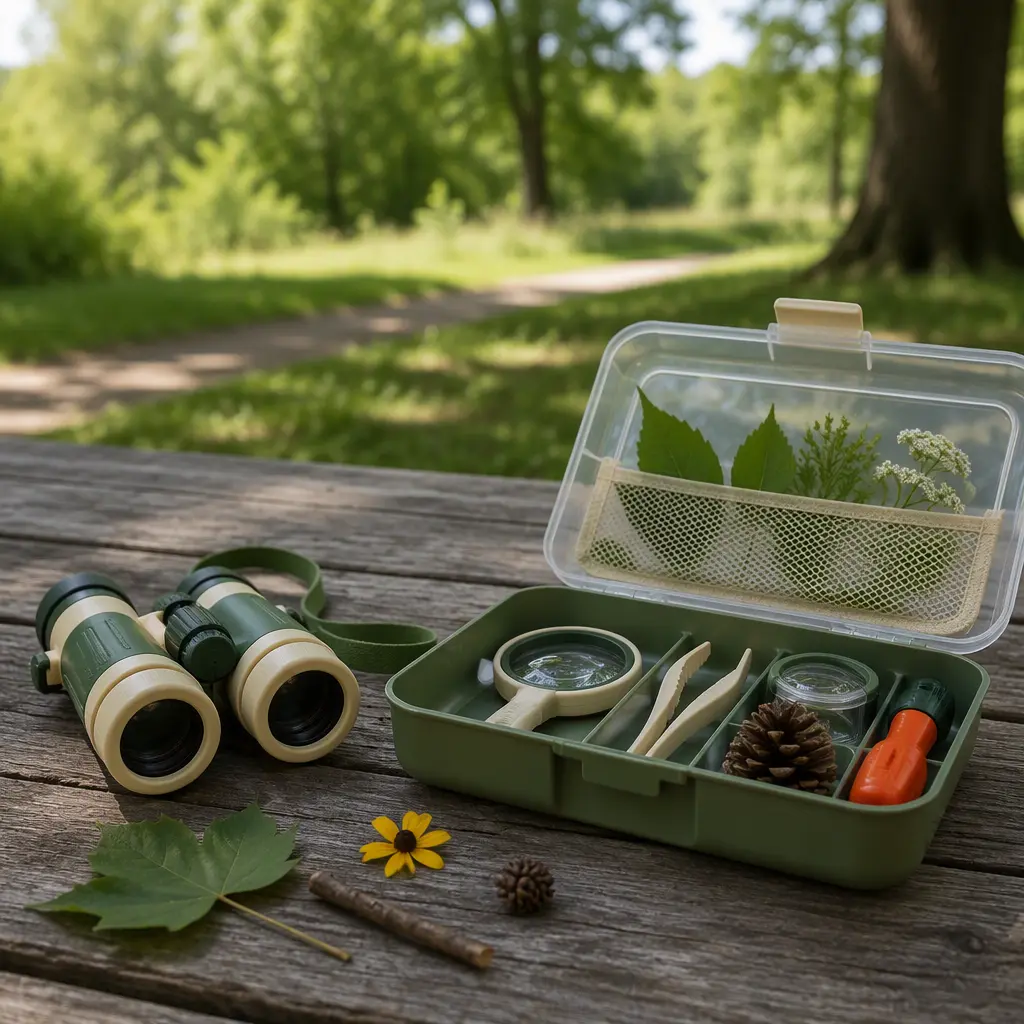
Comparing toy binoculars and magnifiers for screen-free backyard nature play ages 6–8, including attention span, setup, storage, supervision, and practical trade-offs for parents.
A parent-friendly guide to beginner craft kits for ages 6–8 that stay engaging without long drying times, messy cleanup, or complicated setup.
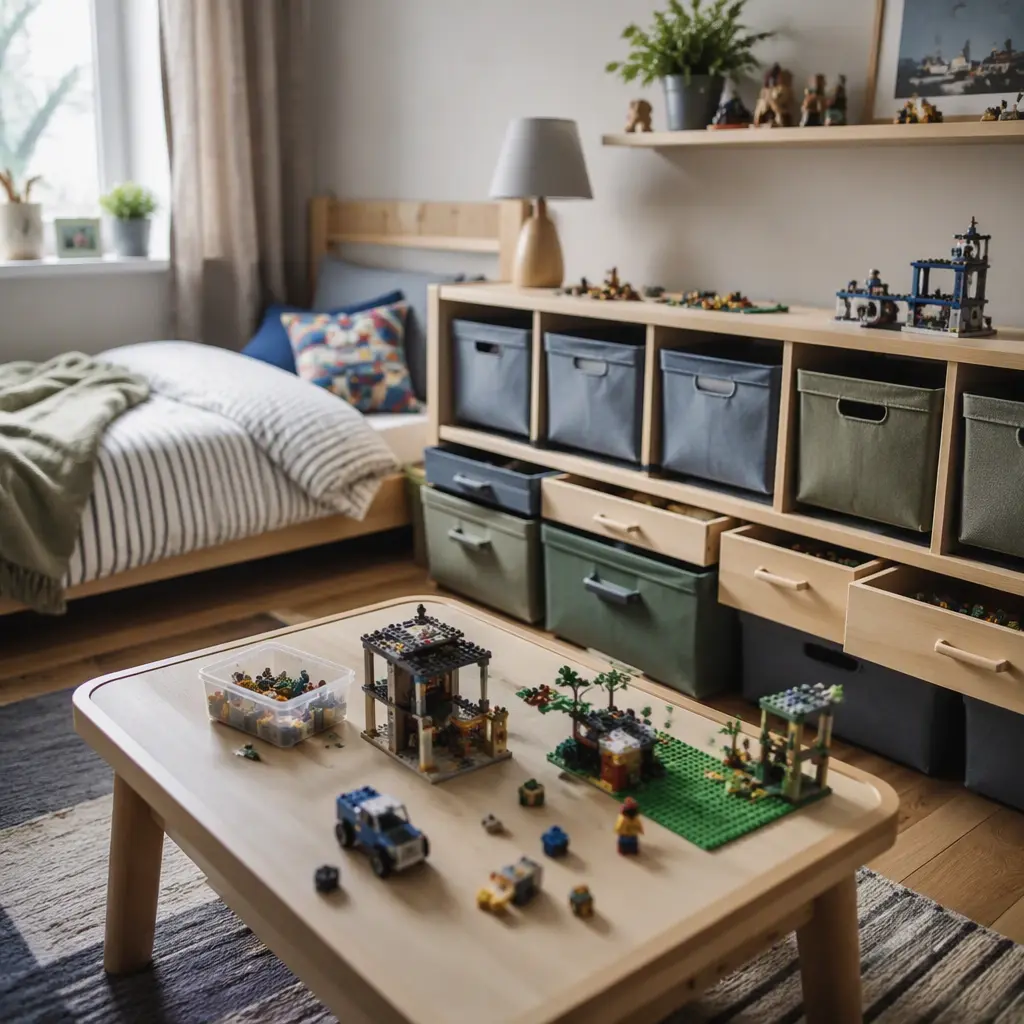
A parent-focused guide to quiet, compact screen-free toys for children aged 6–8 sharing one bedroom, with practical advice on storage, durability, supervision and sibling-friendly play.
A parent-focused guide to beginner weaving kits for ages 6–8, covering low-mess options, easy setup, storage, supervision, and which loom styles are least frustrating for new crafters.
A parent-focused guide to screen-free toy cameras for ages 6–8, comparing viewfinder cameras, kaleidoscope viewers and instant-print styles by durability, mess, supervision and play value.
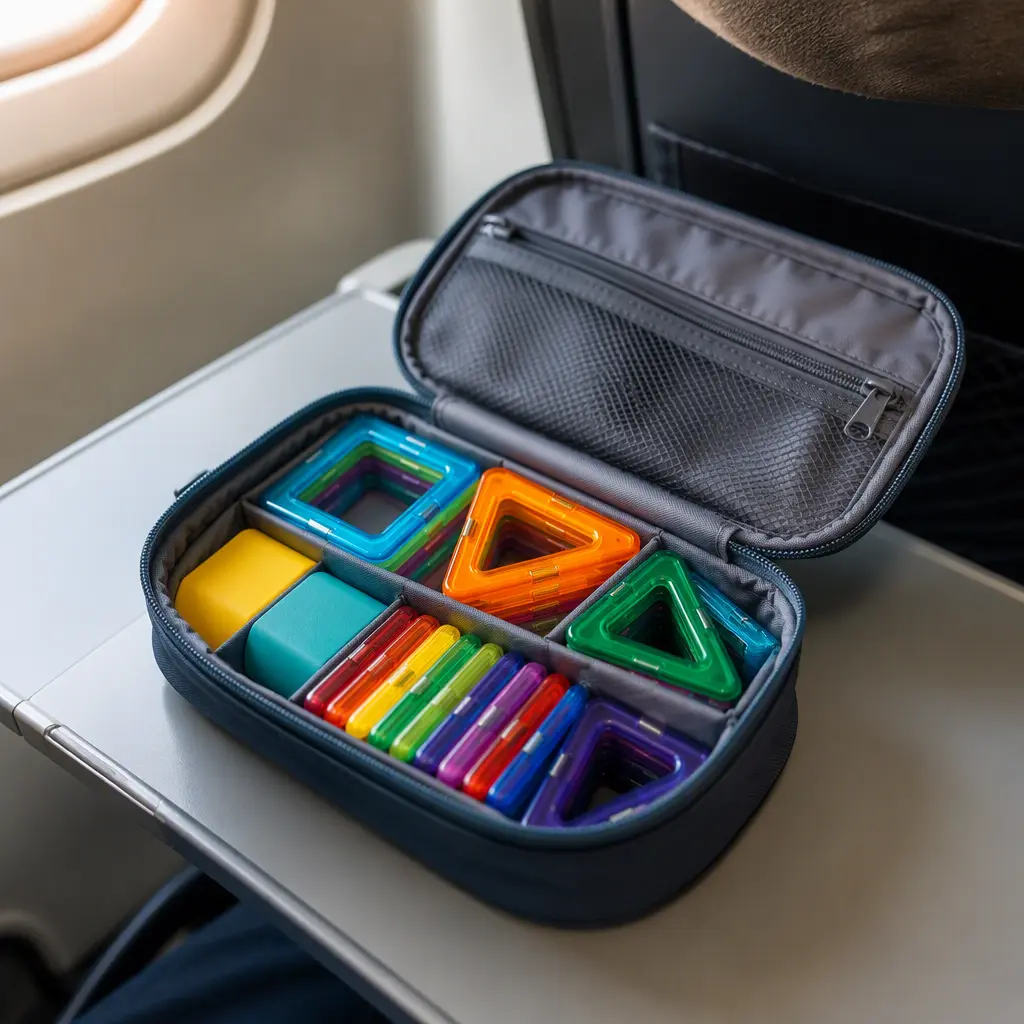
Compare compact, offline toys for ages 6–8 that fit on tray tables, limit dropped pieces, and stay practical for long flights, airport waits, and travel downtime.
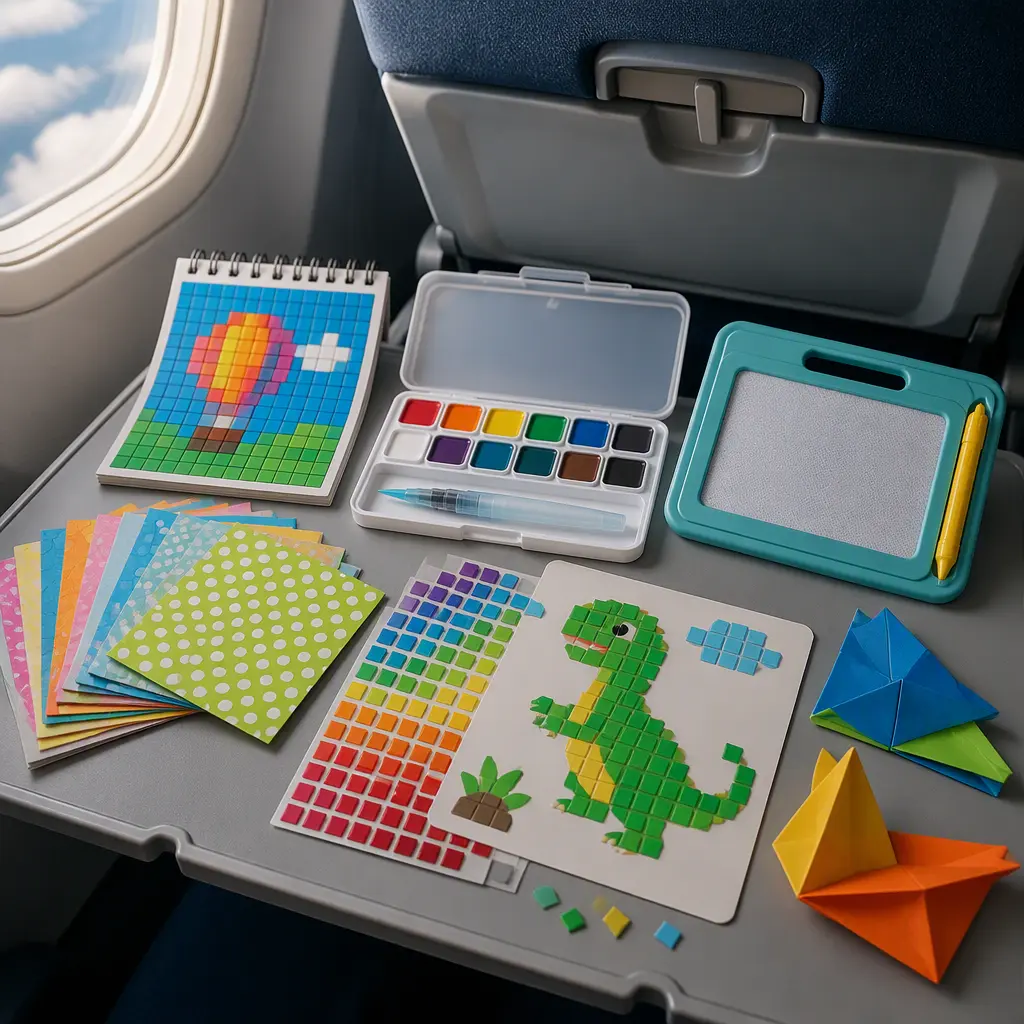
A parent-focused guide to reusable travel art kits for ages 6–8, with low-mess options that work well in cars, flights and waiting rooms without dried-out markers.
A parent-focused guide to low-frustration strategy games for children aged 6–8, with quick turns, simple rules, comeback chances, and manageable play sessions.
Compare foldable soccer goals and pop-up nets for kids aged 6–8. Learn which option fits small yards based on setup time, storage, durability, supervision and everyday play.
Comparing automatic card shufflers with traditional hand-shuffled card games for families with children aged 6–8, including accessibility, durability, noise and setup trade-offs.
Compare toy doctor kits and tool sets for children aged 6–8, with a focus on teamwork, turn-taking, shared play length, noise, storage, and supervision needs.
Compare kids’ flashlights and headlamps for camping, forts and night walks. Learn which features matter most for safety, durability, comfort and age-appropriate outdoor play.
A parent-focused guide to clip-together race tracks for ages 6–8, with practical advice on storage, rebuild speed, durability, noise and which track styles suit different play habits.
Comparing mechanical banks and cash register toys for ages 6–8, with practical advice on counting skills, pretend shopping, storage, supervision and screen-free money play.
A parent-focused guide to choosing between toy microscopes and binoculars for children aged 6–8, including setup, supervision, storage, durability and long-term replay value.
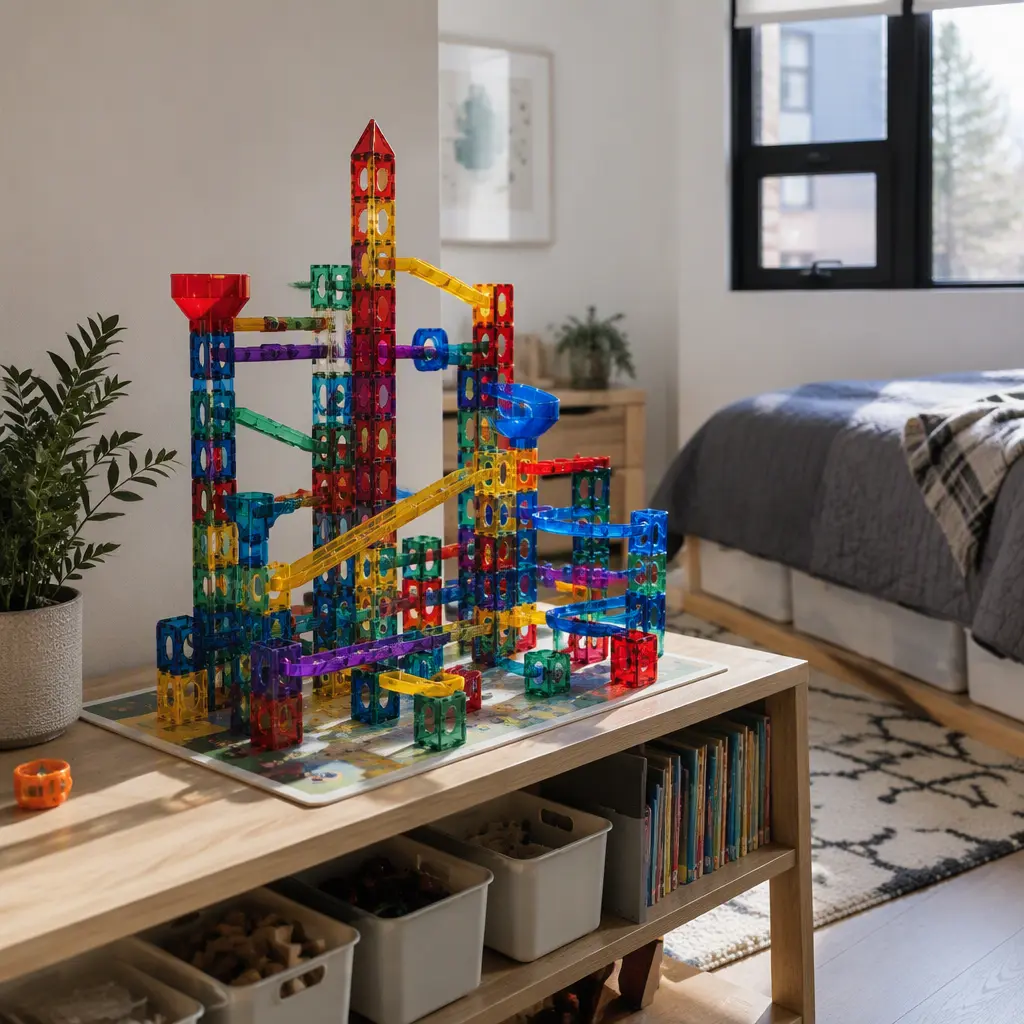
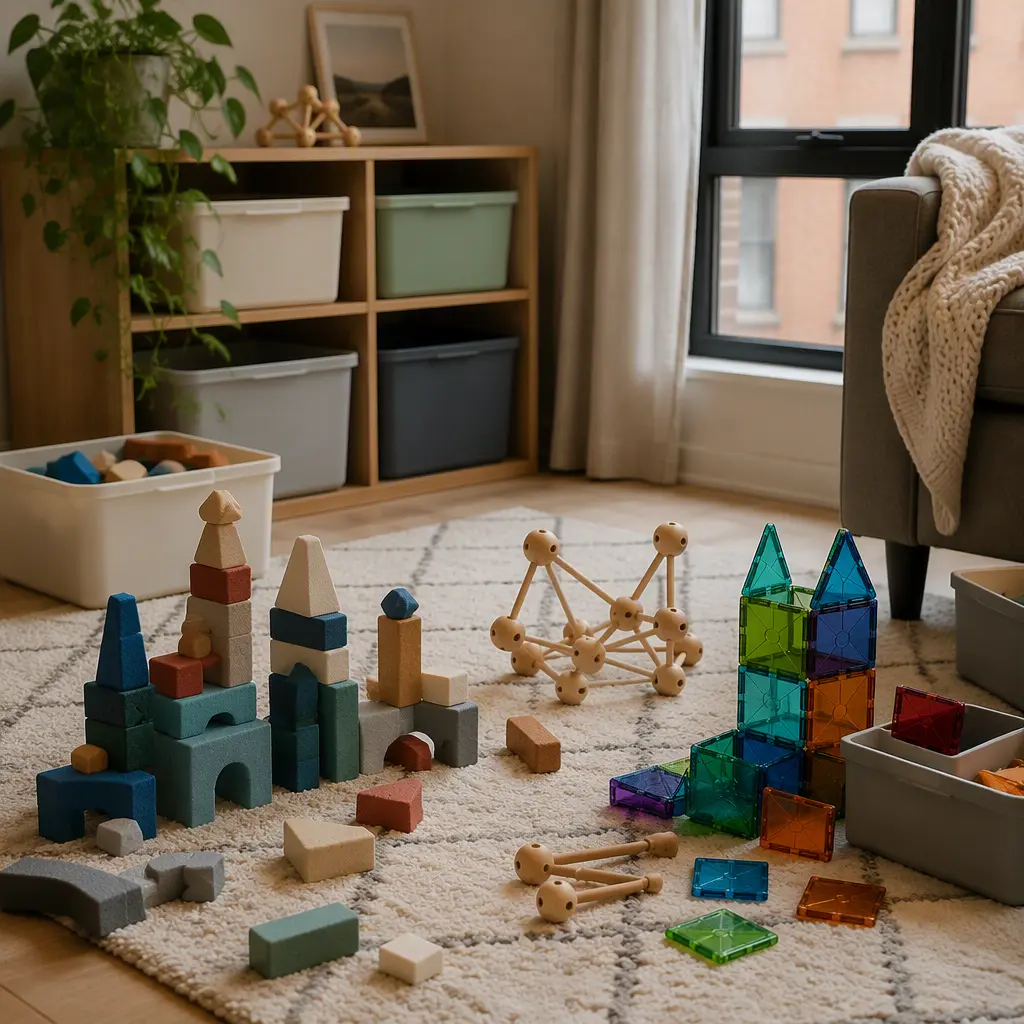
Choosing between marble runs and magnetic tiles for ages 6–8? Compare cleanup, frustration level, noise, expansion costs, storage and play styles to find the better fit for daily building play.
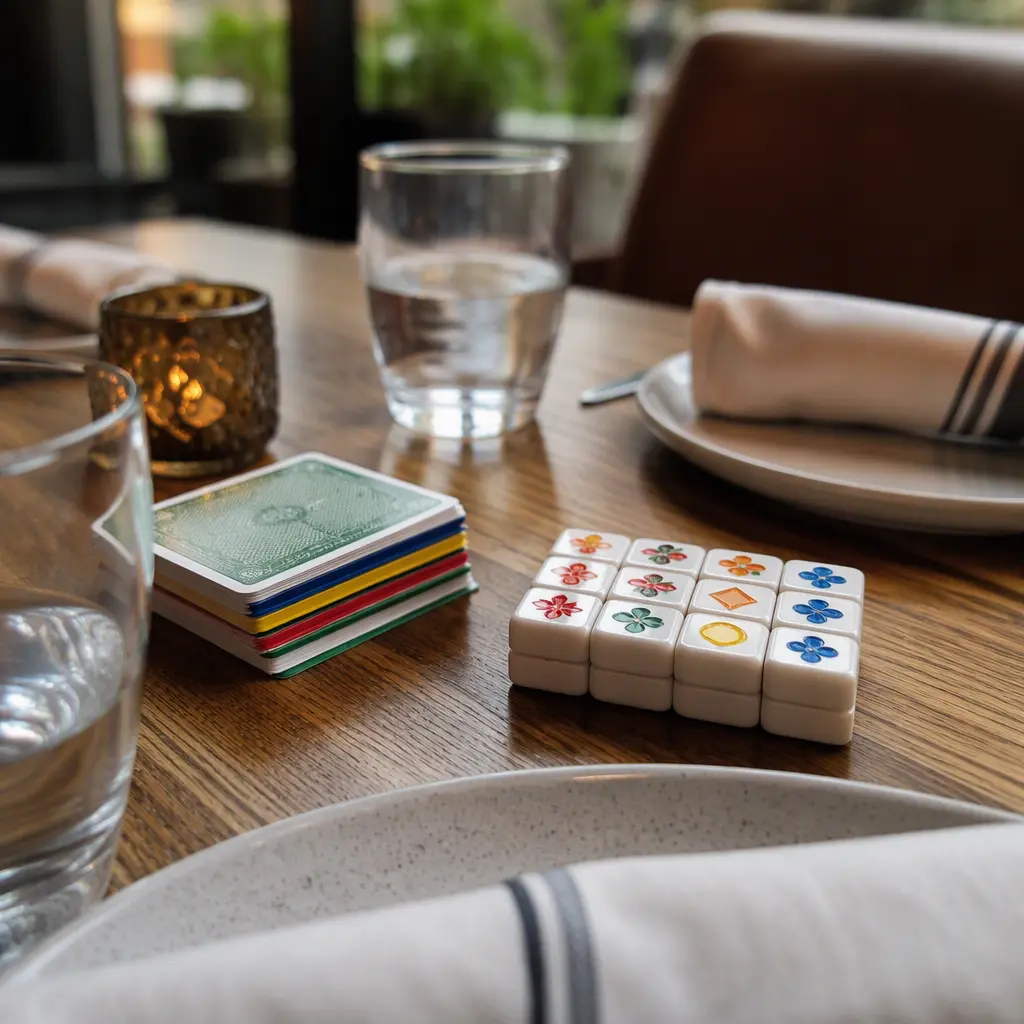
A parent-focused guide to compact board games for ages 6–8 that stay organized during travel, café visits, and repeated packing, with practical advice on durability, noise, and storage.
Comparing sticker-by-number sets and water-reveal books for ages 6–8, with practical advice for flights, restaurants and long waits including mess, storage and supervision.
Choosing a first STEM building kit for ages 6–8? Compare Snap Circuits and brick-based STEM sets by setup time, supervision, frustration level, storage, durability and learning style.
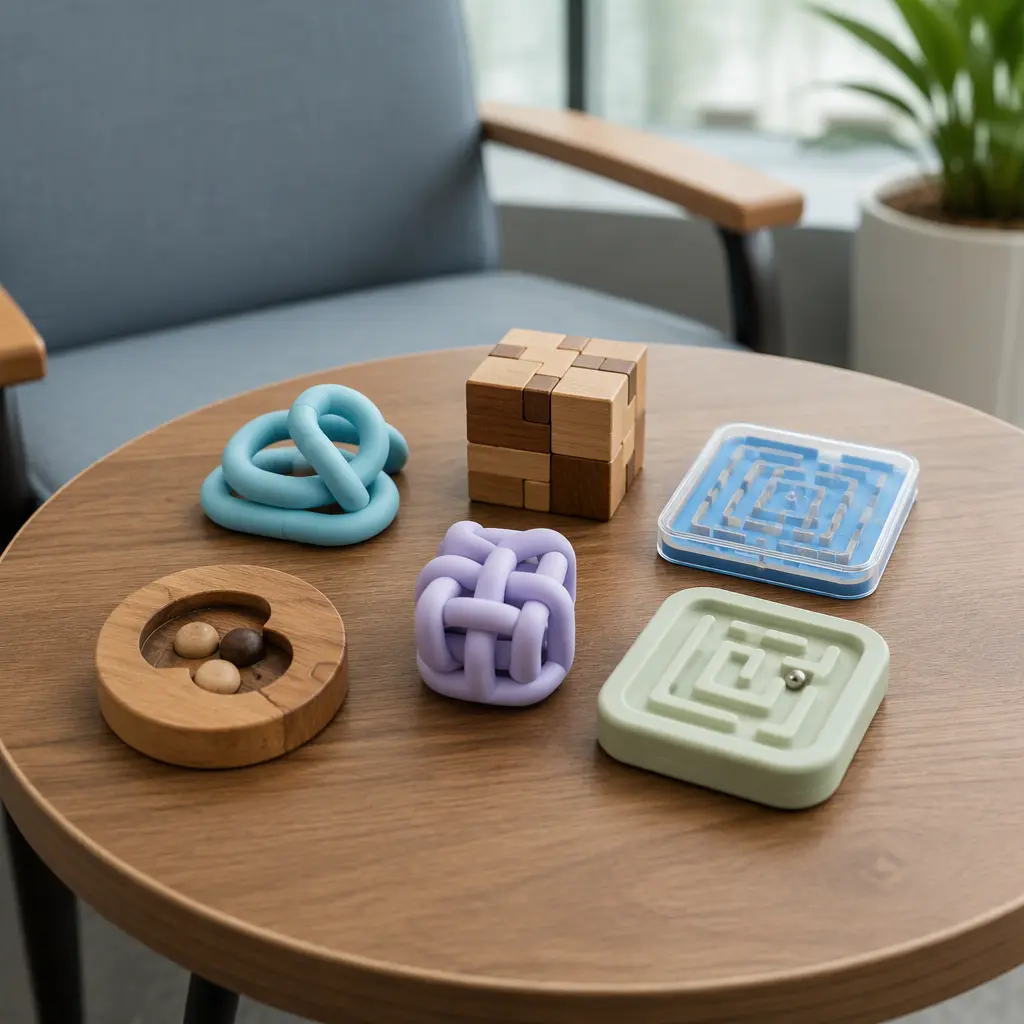
Low-energy, low-mess screen-free toys for children ages 6–8 recovering from illness. Compare quiet building, puzzle, craft and storytelling options that work well for couch time.
Compare foam and wooden toy swords for children aged 6–8, including durability, indoor use, supervision needs, storage and injury risk so parents can choose safer pretend-play gear.