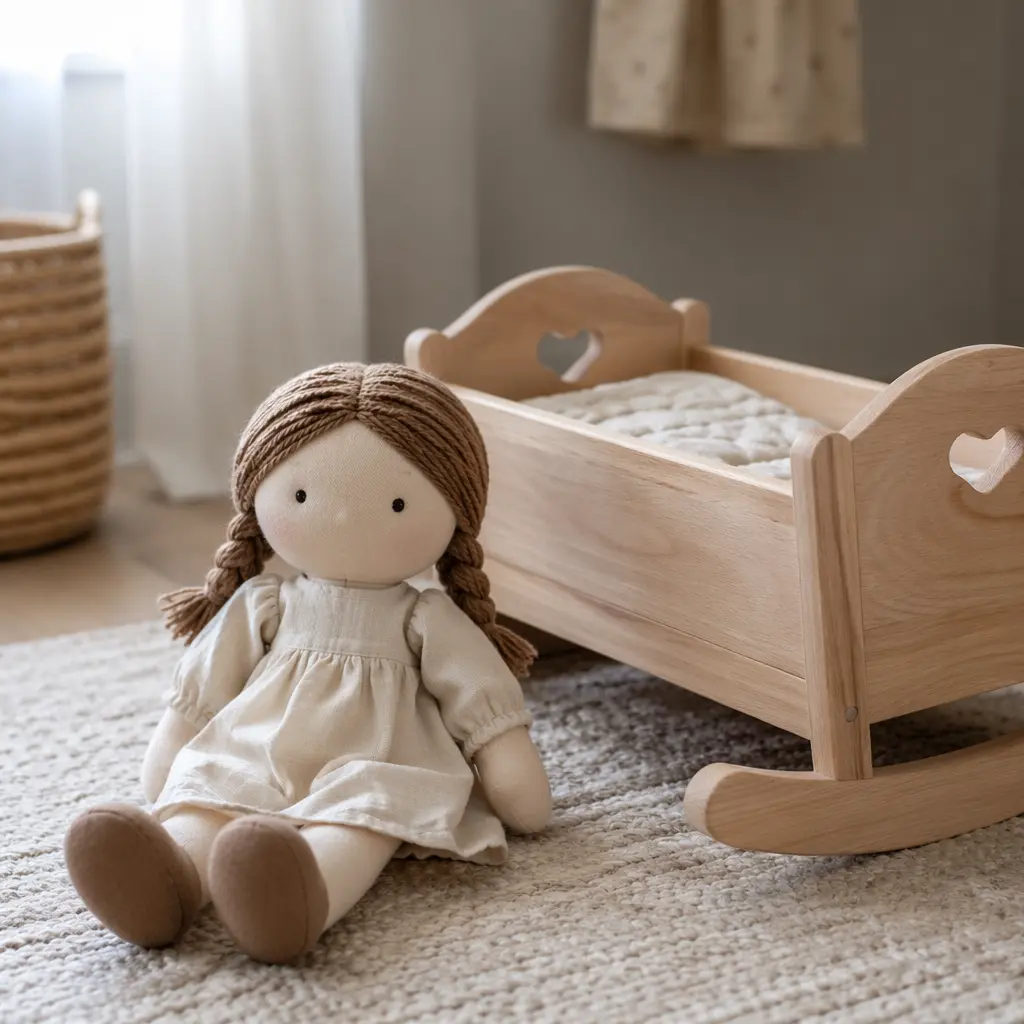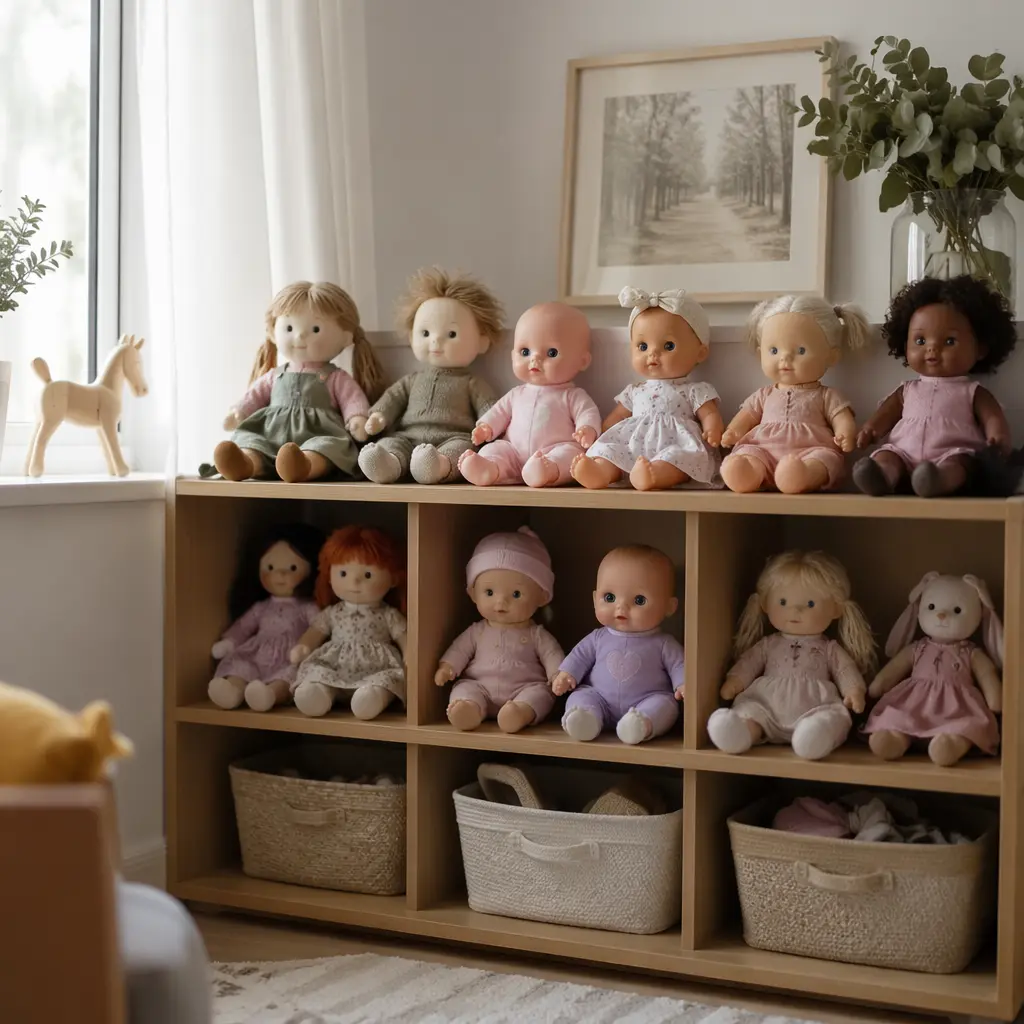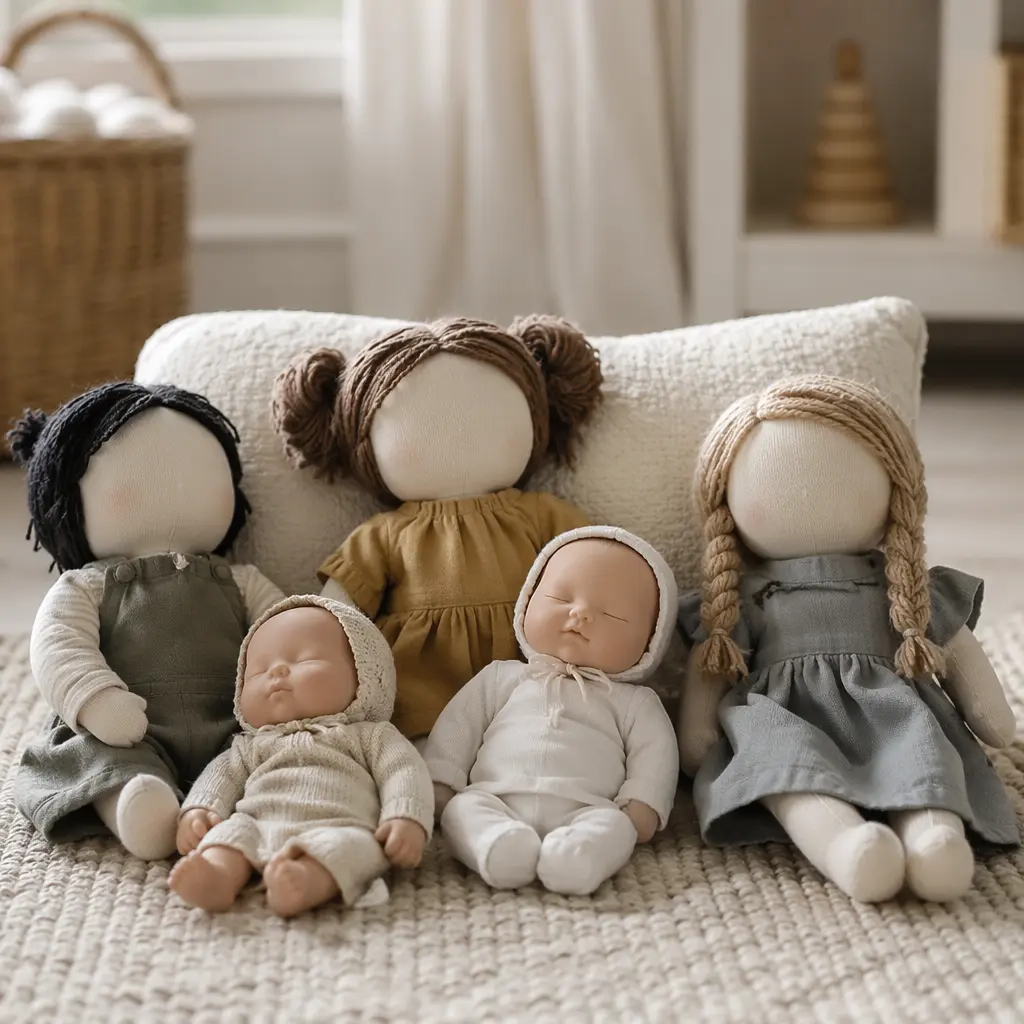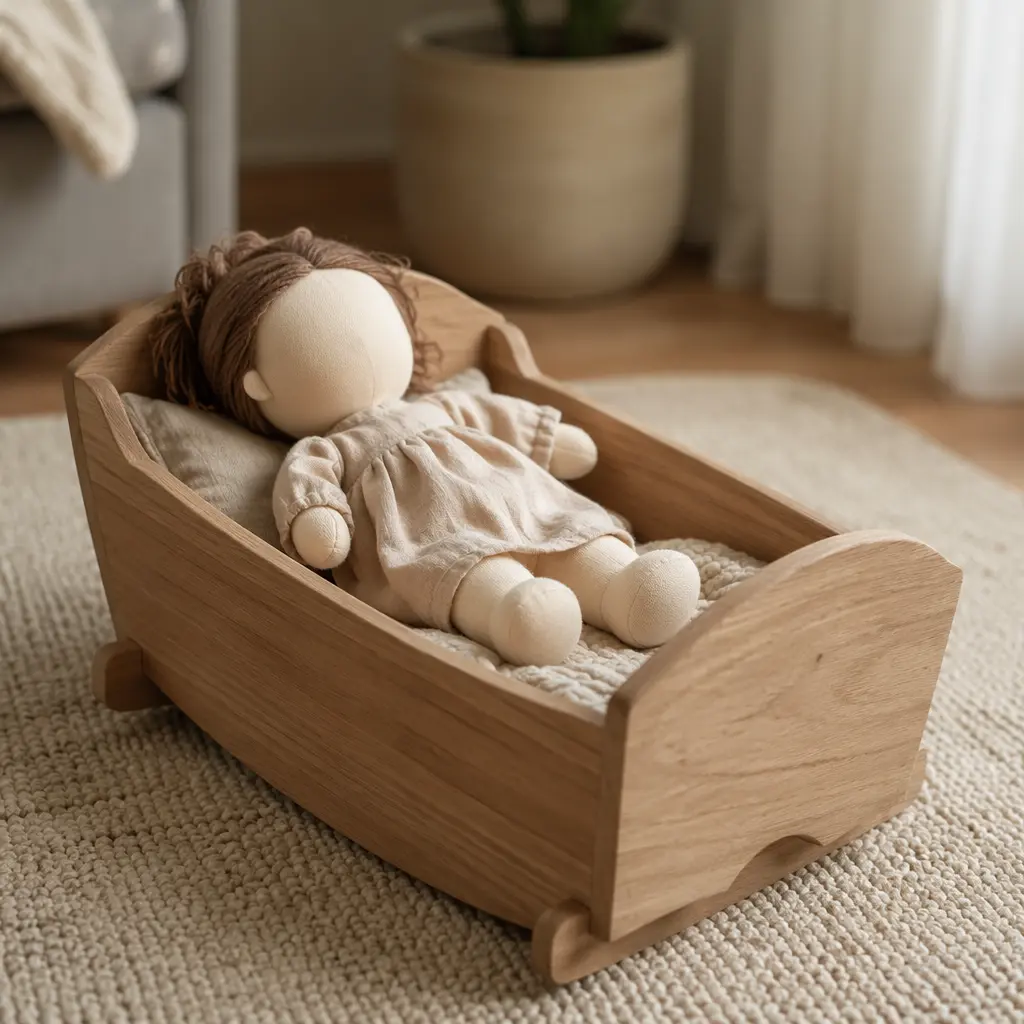
Simple Dolls That Encourage Nurturing Play at Home
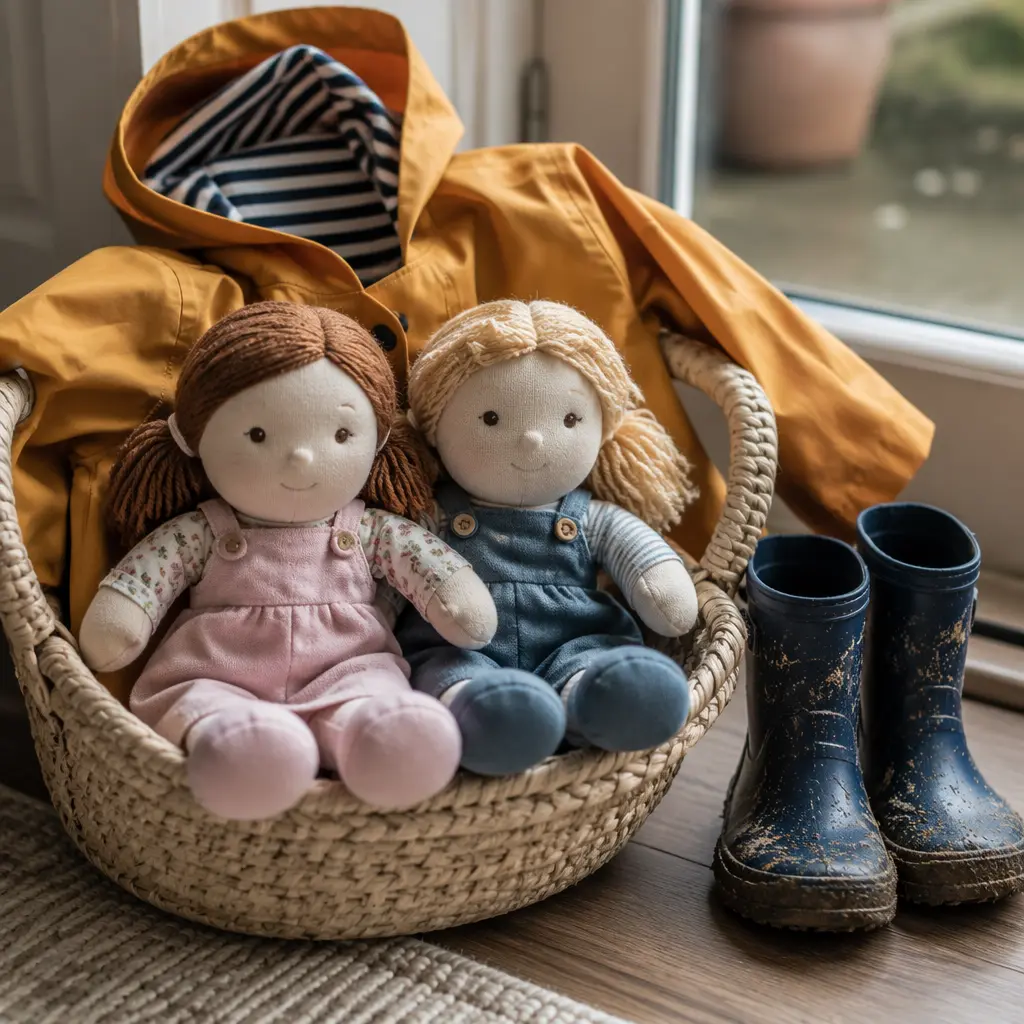
A parent-friendly guide to simple, low-cost dolls for ages 1–2 that support early nurturing play without screens or electronics.
A parent-focused guide to choosing first dolls for toddlers. Learn what features support nurturing play, safety basics, age fit, and common questions for ages 1–2.
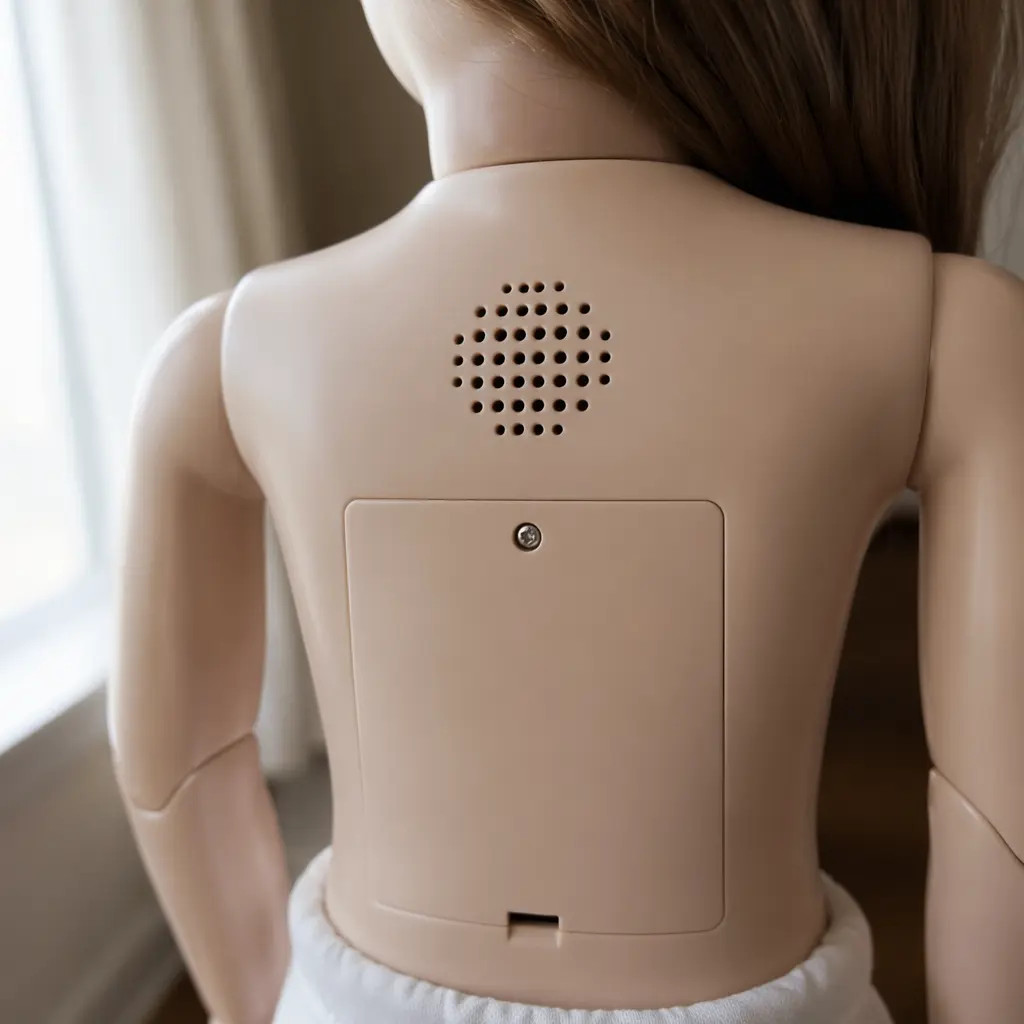
A safety-first guide for parents on electronic dolls, covering microphones, speakers, batteries, and data privacy so families can choose age-appropriate, low-risk options.
Simple dolls still hold their own in a tech-heavy toy box. This buyer’s guide explains why classic dolls remain engaging for ages 6–8, what to look for, and how they support imaginative play.
A parent-focused guide to choosing classic, non-electronic dolls for ages 1–2, with tips on safety, materials, age fit, and how simple dolls support early caregiving play.
Long before letters and screens, the Playskool Shape Sorter helped toddlers learn problem-solving by feel. Here’s how this classic toy quietly shaped early learning for generations.
A chunky pretend-play classic, the Fisher-Price Cash Register turned make-believe shopping into lessons in counting, turn‑taking, and real‑world math that still resonate today.
From patios to preschool yards, the Little Tikes water table helped make standing water play a toddler summer staple—durable, social, and endlessly resettable.
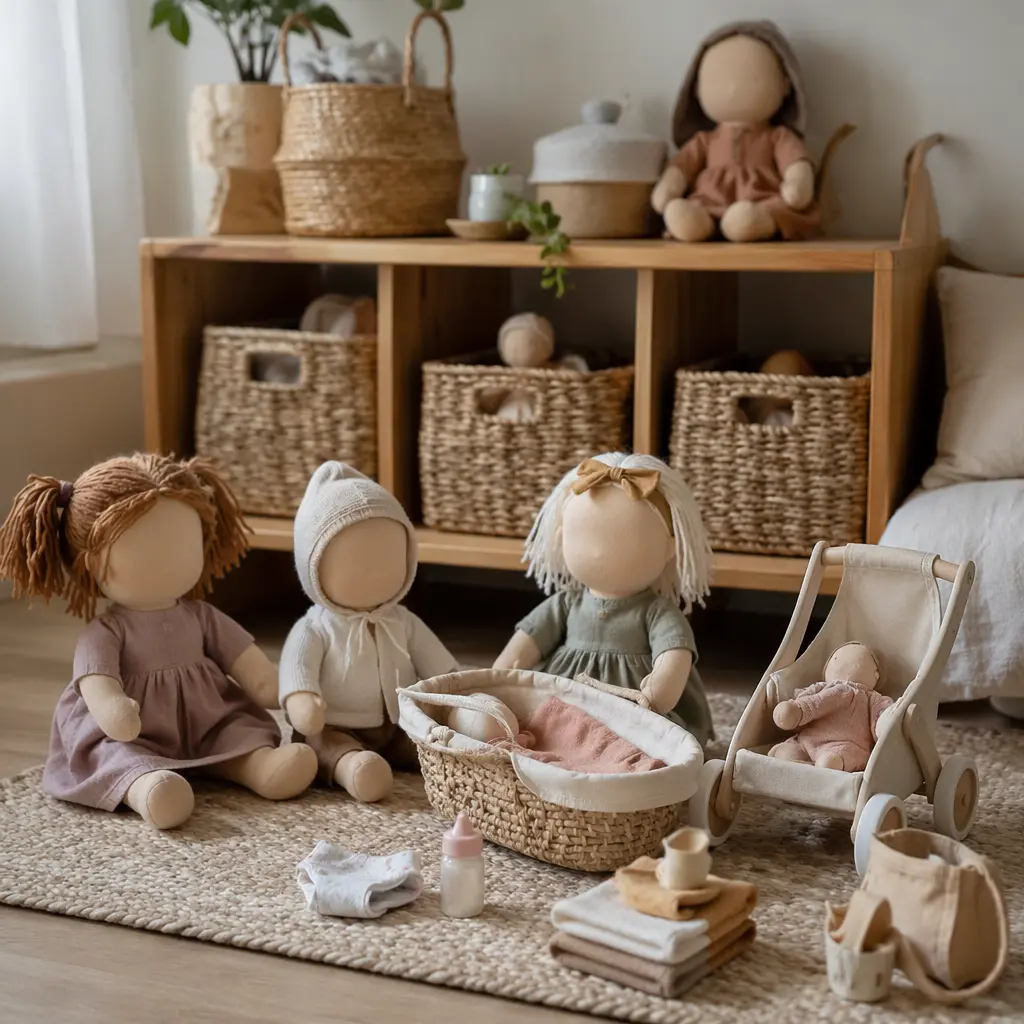
Grimm’s Wooden Peg Dolls are simple, faceless figures that invite open‑ended storytelling. Their minimal design, natural materials, and flexibility have made them a modern classic in imaginative play.
Since the 1980s, Uncle Goose Blocks have turned letters and numbers into tactile play. Loved by parents, teachers, and designers, they blend heirloom craft with early literacy.
A look at the Playskool Busy Ball Popper, the classic pop-and-roll toy that has kept toddlers laughing for decades through simple cause-and-effect play.
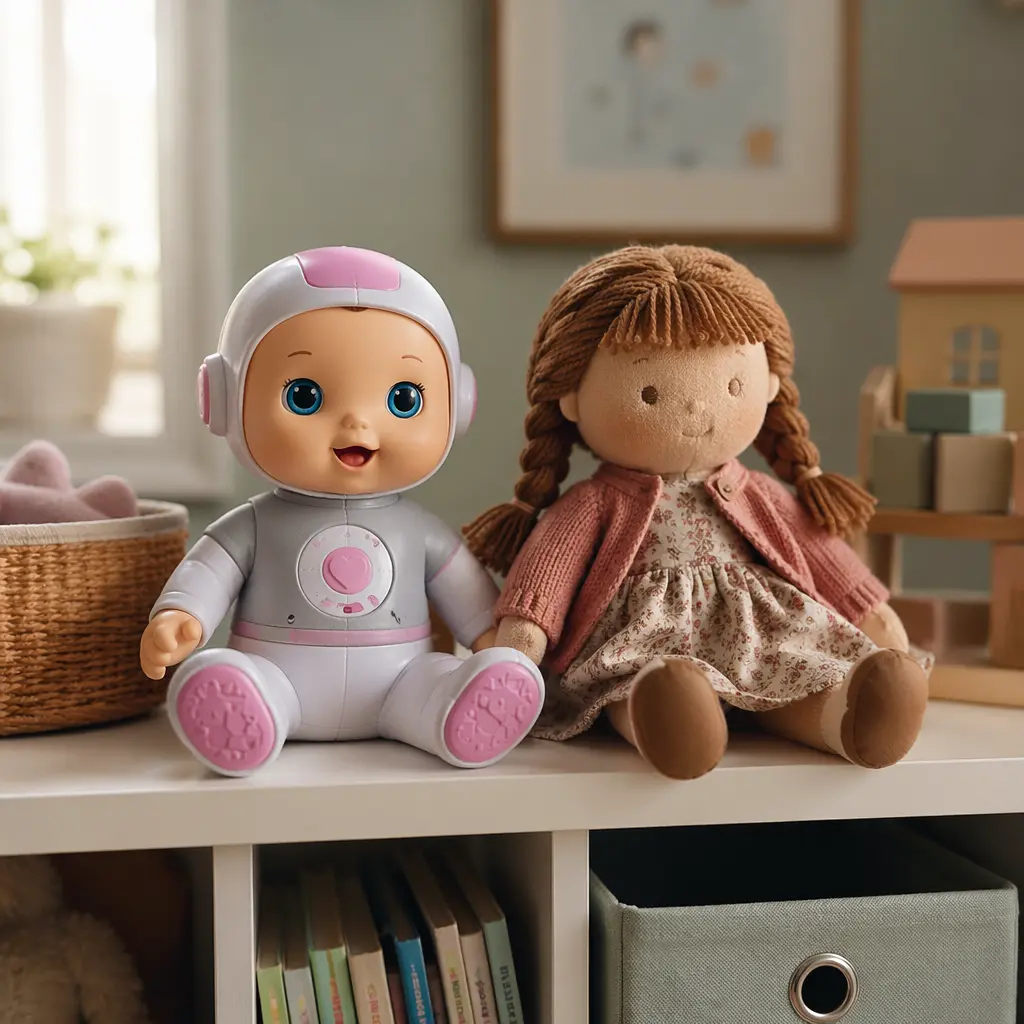
Tech-enhanced dolls add sounds, apps, and interactivity, but do they help or hinder imaginative play? This guide compares electronic and classic dolls to help parents choose for ages 6–8.
A buyer’s guide to soft, safe first dolls for babies 0–12 months. Learn what features matter, age fit, and how simple dolls can support early bonding—without electronics.
A buyer’s guide for parents seeking simple, non‑electronic dolls that support nurturing, imaginative play for preschoolers through open‑ended design and everyday routines.
A clear, parent-focused look at voice-responsive dolls versus classic dolls for ages 6–8, covering play value, learning benefits, durability, and what to consider before buying.
A parent-friendly guide to simple, no‑electronics doll toys for ages 1–2. Learn what to look for, age fit, safety tips, and the types of dolls that encourage gentle caregiving and independent play.
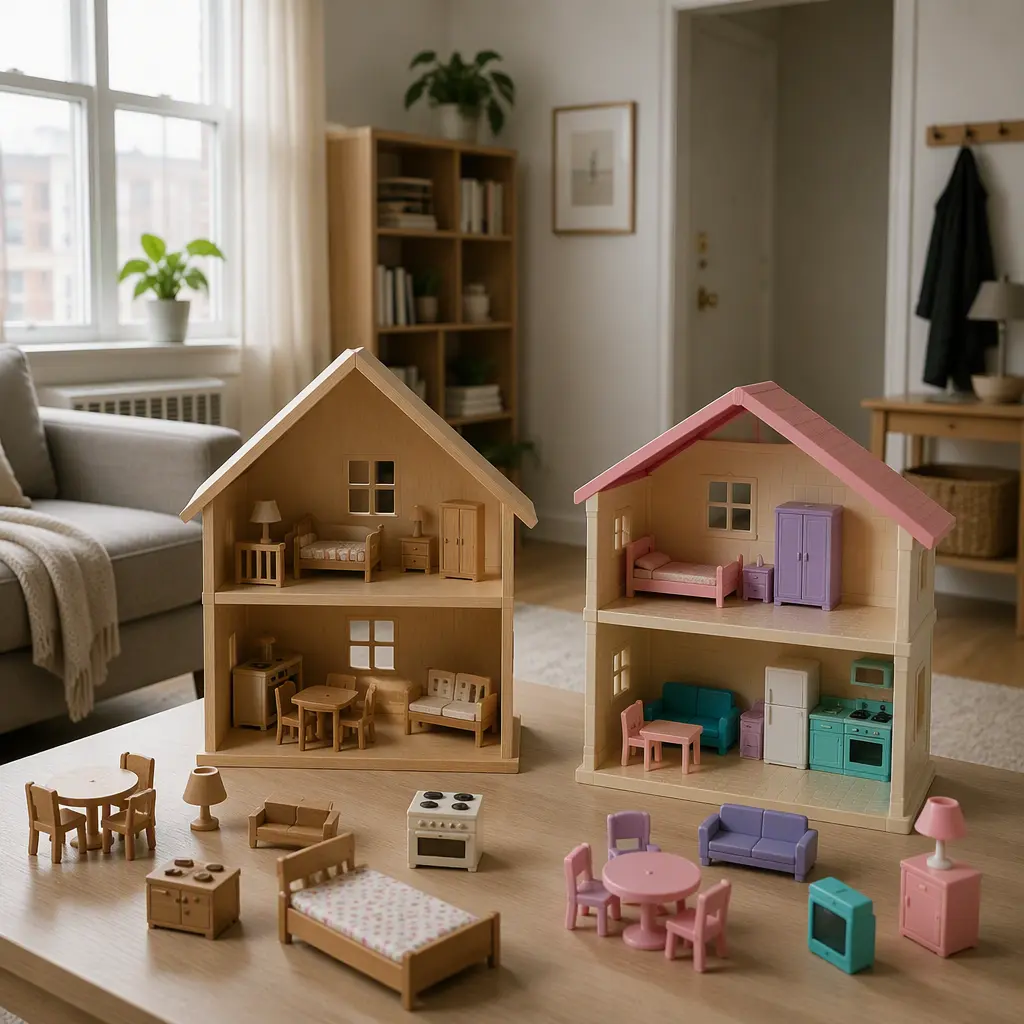
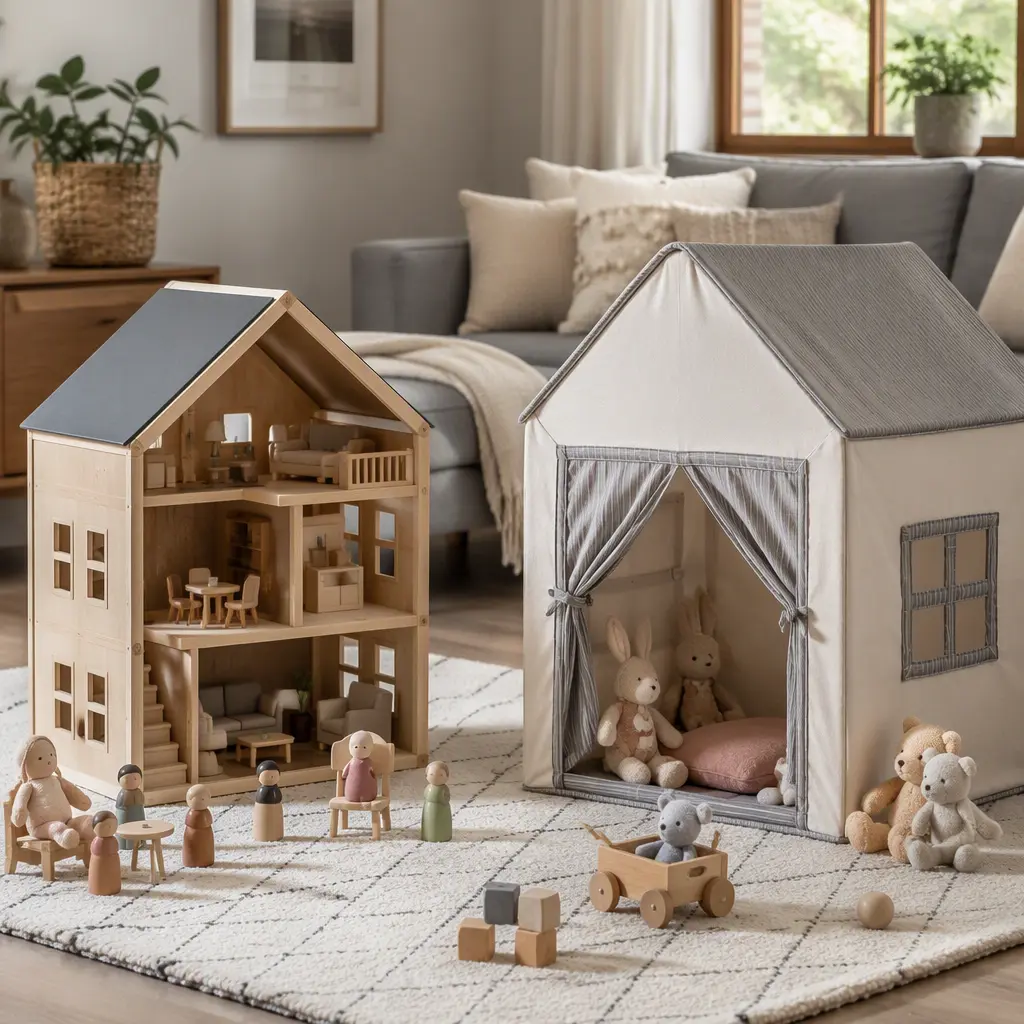
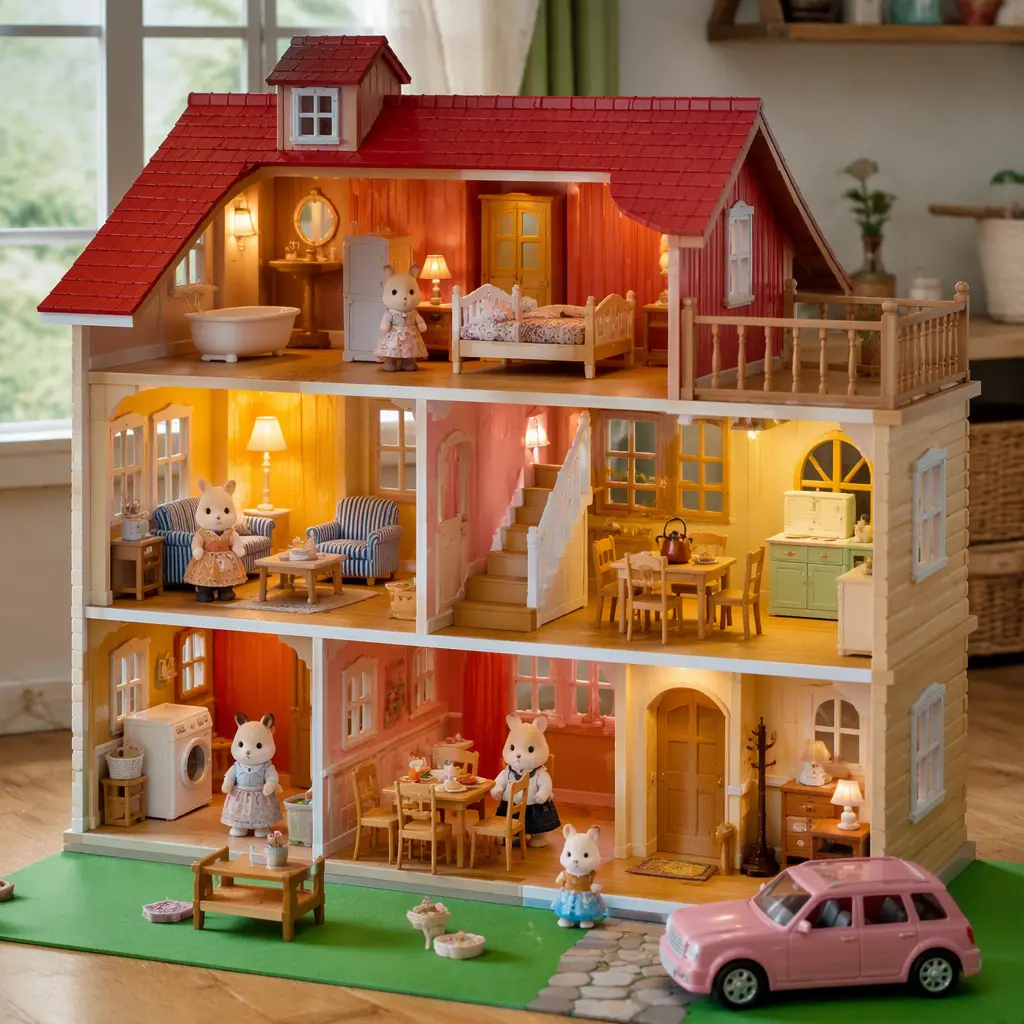
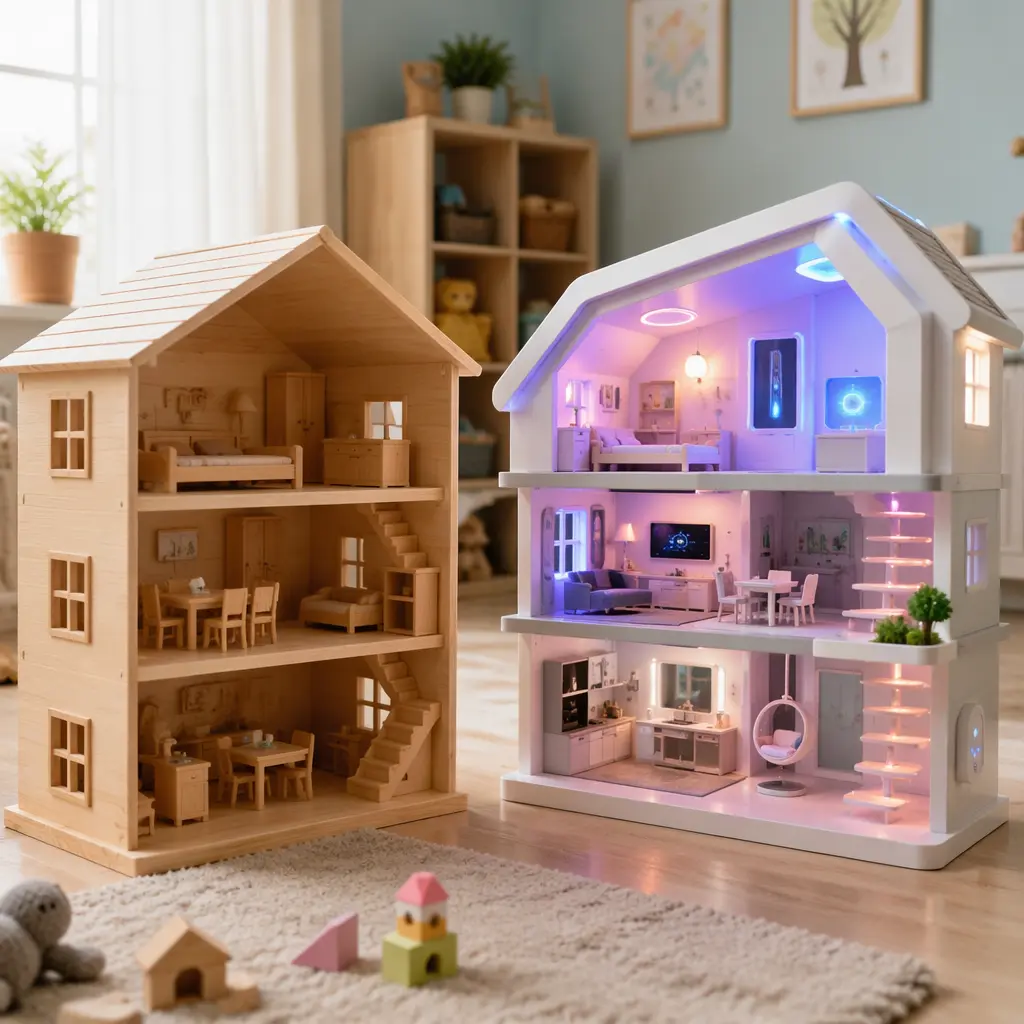
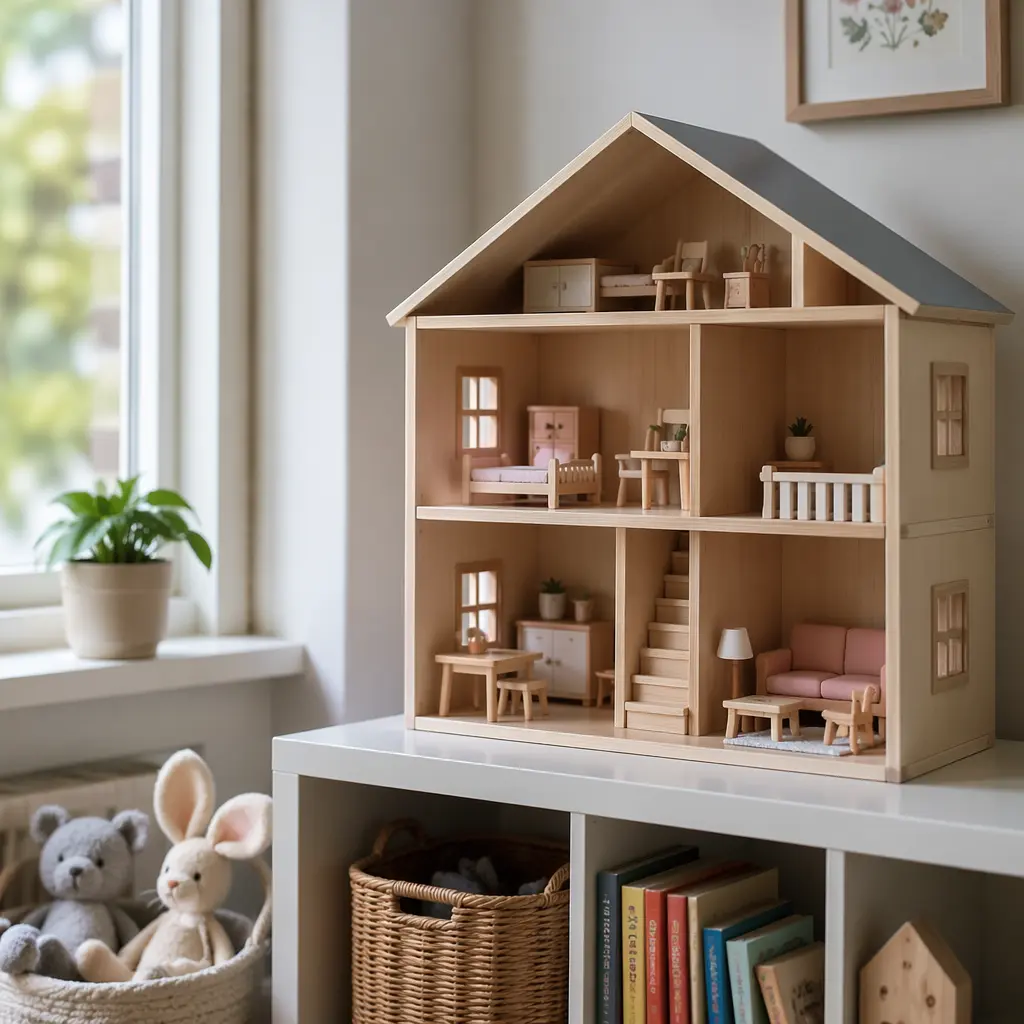
A buyer’s guide to classic, low-tech dollhouses for ages 3–5. Learn why open-ended designs last longer than interactive sets, what features matter, and how to choose a safe, future-proof option.
A parent-focused guide to simple, no-electronics dolls for ages 1–2. Learn what features support empathy, routines, and safe play—plus age tips and FAQs.
A buyer’s guide to classic, non-electronic dolls that support nurturing, imaginative play for preschoolers ages 3–5—what to look for, age fit, and common questions.
A parent-focused guide comparing interactive dolls and classic dolls for ages 3–5, covering play value, learning features, costs, durability, and when simpler toys may be the better fit.
A parent-focused guide to whether app-connected dolls still deliver imaginative play when screens are off, including what features matter, age fit for 9–12, and common questions.
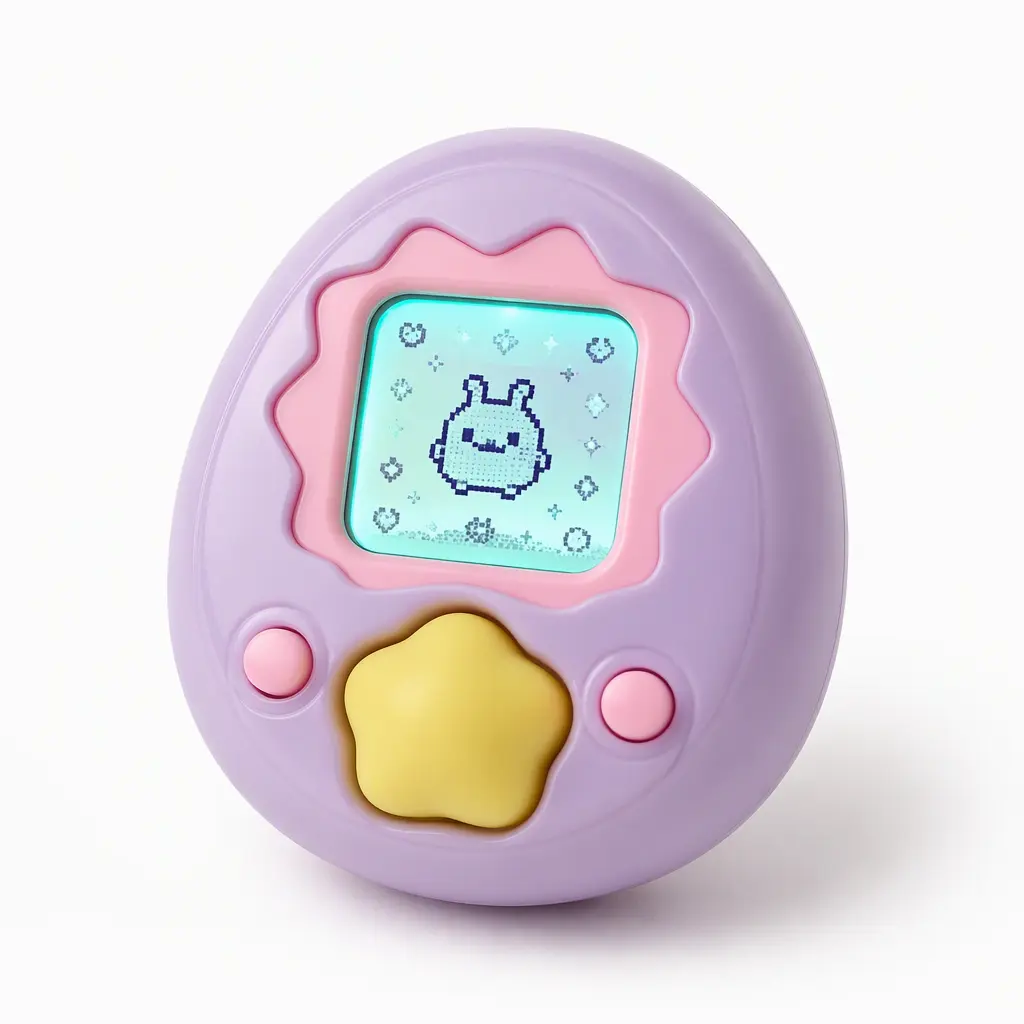
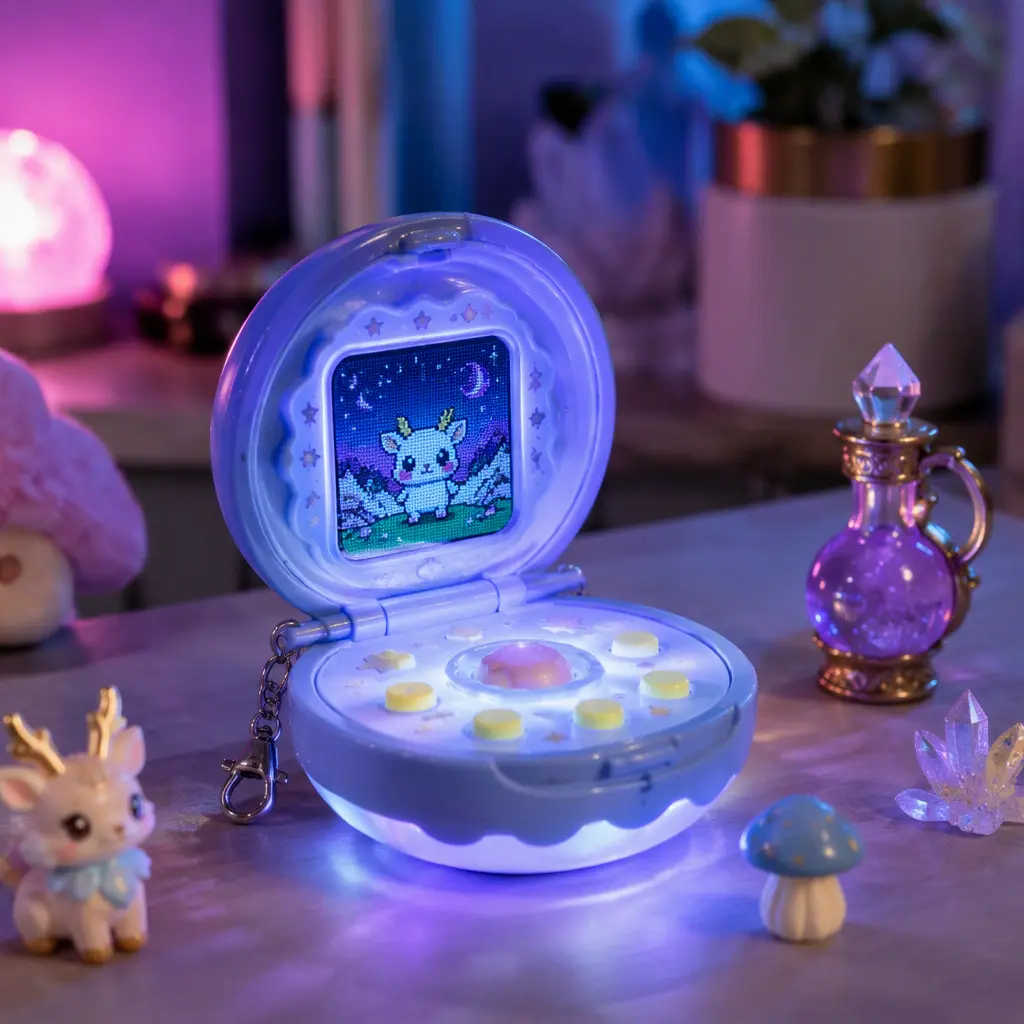
A parent-friendly guide comparing electronic pets and classic dolls for ages 6–8, with a focus on how light tech features affect nurturing play, storytelling, attention, and long-term value.
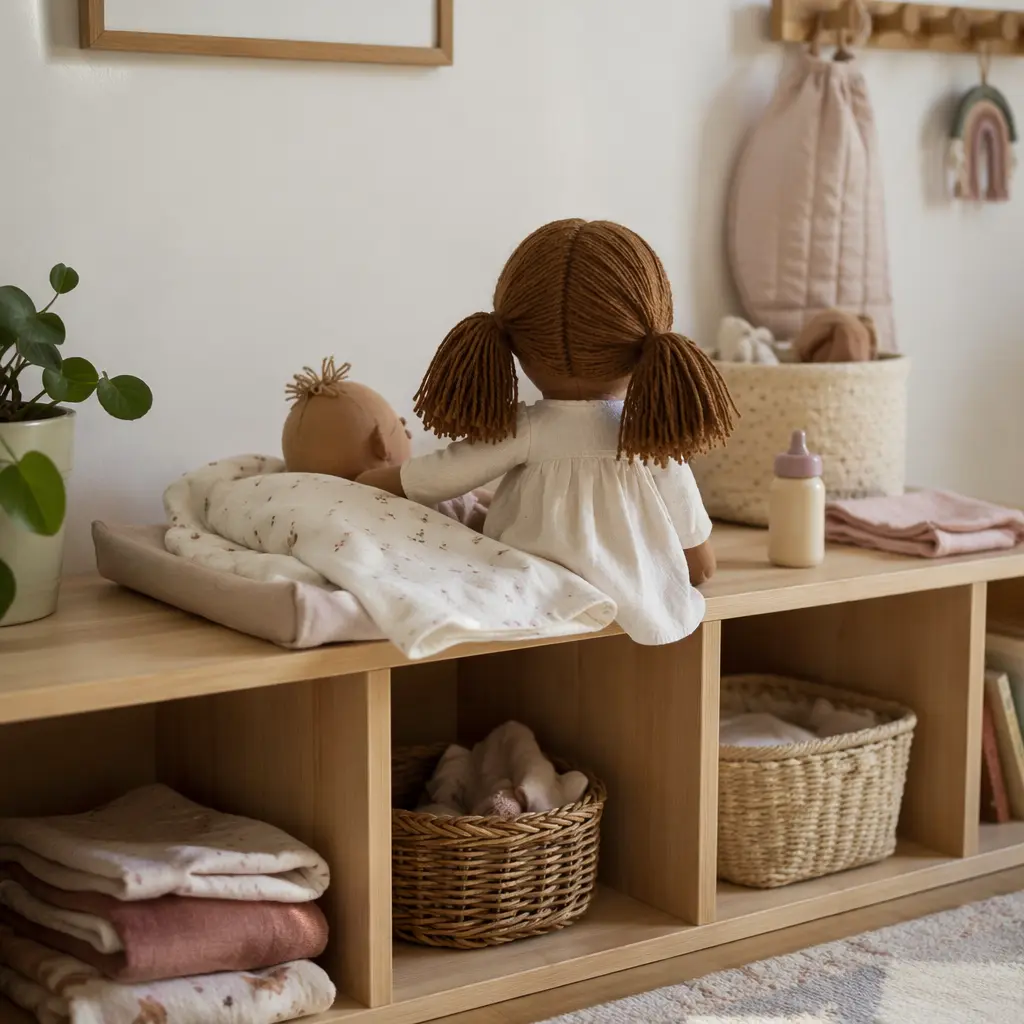
A parent-friendly guide to choosing first dolls for ages 1–2 that encourage everyday routines like eating, sleeping, and dressing, with safety tips and age-appropriate features to look for.
A parent-friendly guide to classic, non‑electronic dolls that encourage imagination, language skills, and open‑ended storytelling for children ages 6–8.
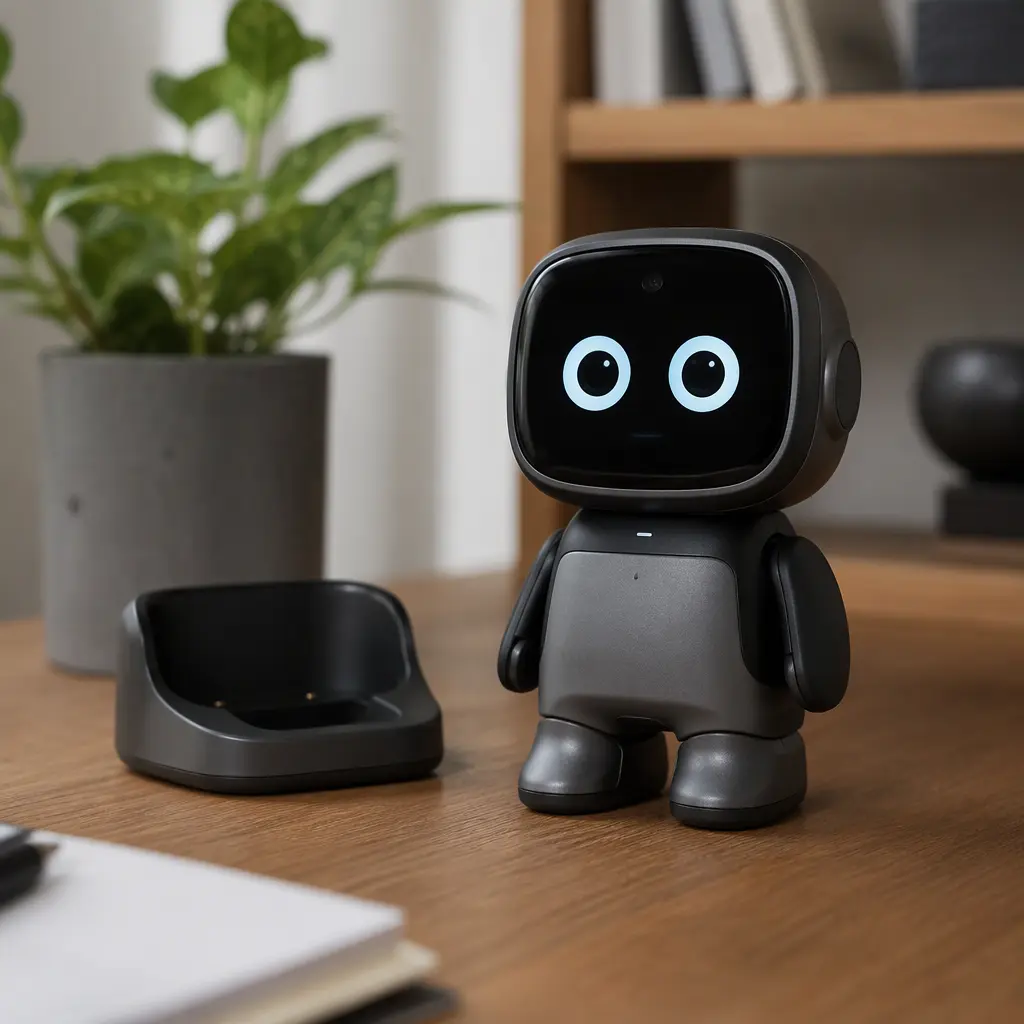
A parent-friendly guide to tech dolls for ages 6–8, explaining which electronic features support imagination and storytelling—and which can distract or limit play.
A parent-focused guide comparing interactive talking dolls and classic dolls for kids ages 5–7, with a clear look at play value, cost, durability, and how long each type tends to stay interesting.
A parent-friendly comparison of classic dolls and smart dolls for ages 6–8, covering play value, learning benefits, safety, and how to choose based on your child’s interests.
A parent-friendly guide comparing interactive and traditional dolls for kids ages 6–8, with a focus on imaginative play, learning value, screen balance, and safety.
A parent-friendly guide to dolls that spark imaginative storytelling for ages 3–5. Learn what features support open-ended play, age suitability tips, and safe, screen-free options.