Pretend Play · 1–2 years
Comparing toy cleaning sets and play kitchens for 1–2 year olds, with practical advice on space, attention span, storage, noise, supervision and long-term pretend play value.
Building & Construction Sets · 1–2 years
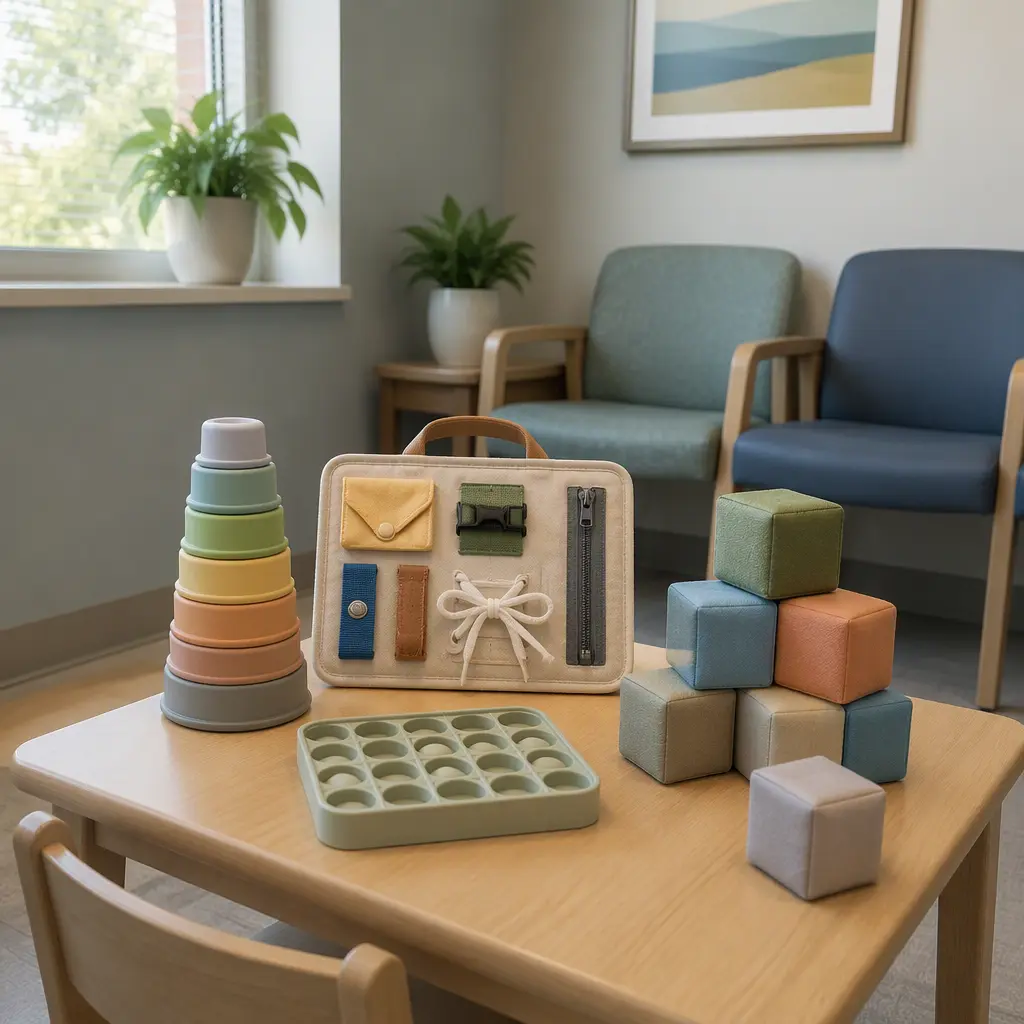
A parent-focused guide to quiet, drop-resistant toys for toddlers aged 1–2 in waiting rooms, with practical advice on mess, portability, supervision and age suitability.
Building & Construction Sets · 1–2 years
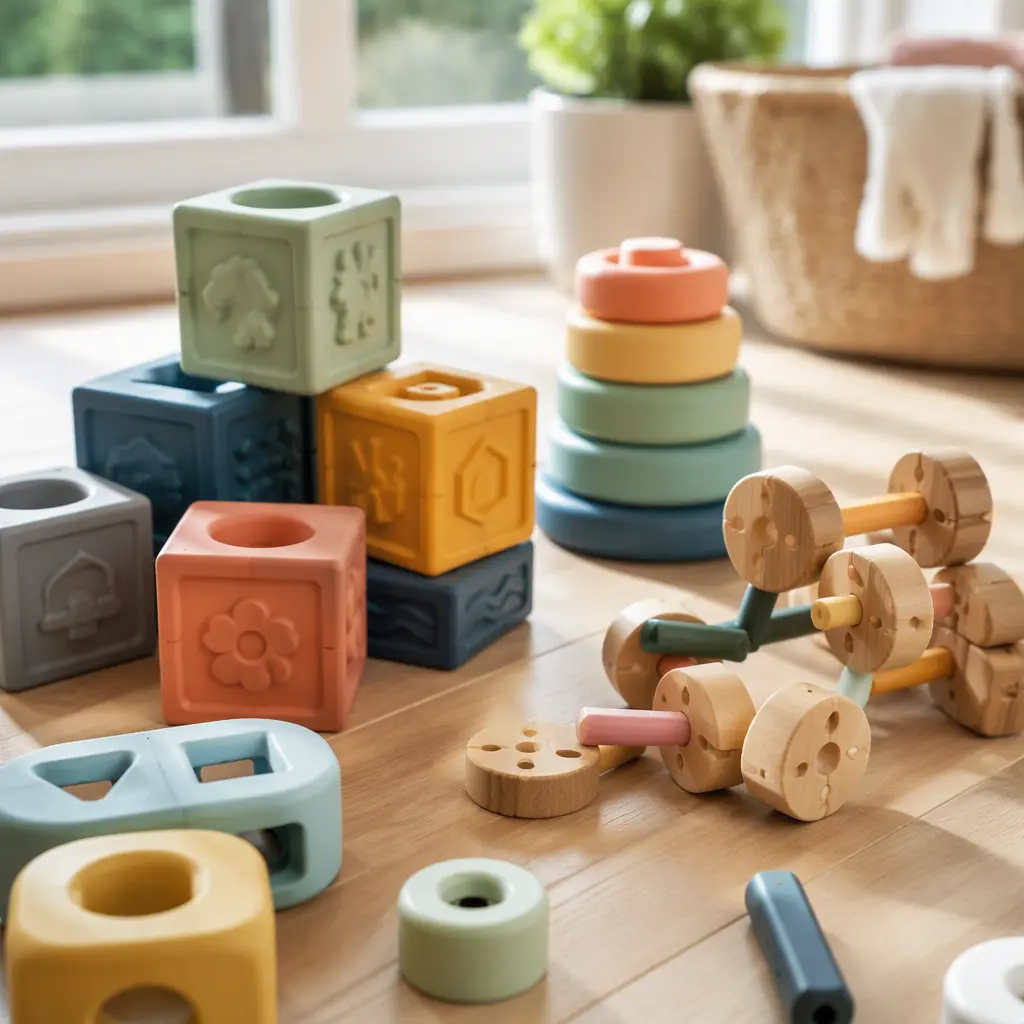
A parent-focused guide to washable building toys for ages 1–2, covering easy-clean materials, drying concerns, supervision, storage and which construction styles work best for heavy mouthing.
Ride-Ons · 1–2 years
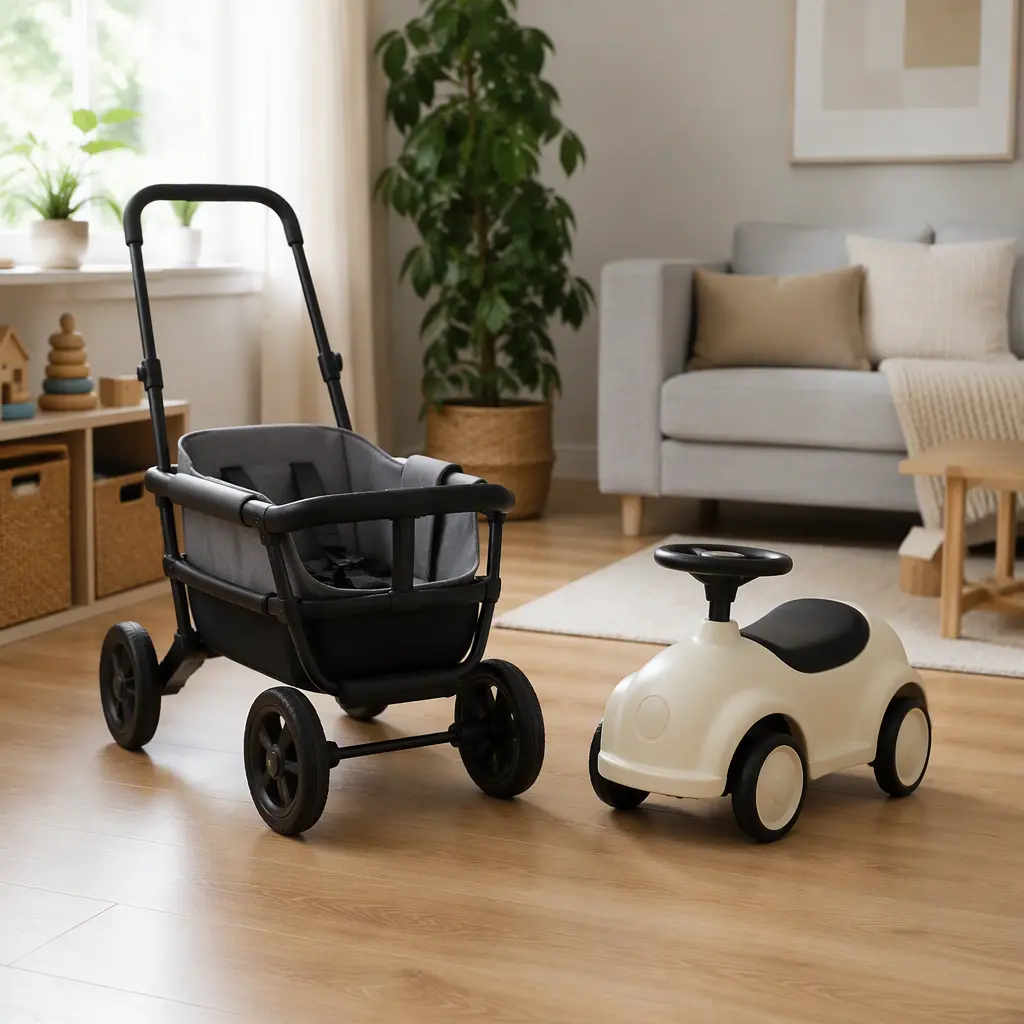
Comparing push wagons and ride-on cars for toddlers aged 1–2 in sibling households, including sharing, tipping risk, indoor use, storage space, supervision and everyday practicality.
Arts & Crafts · 1–2 years
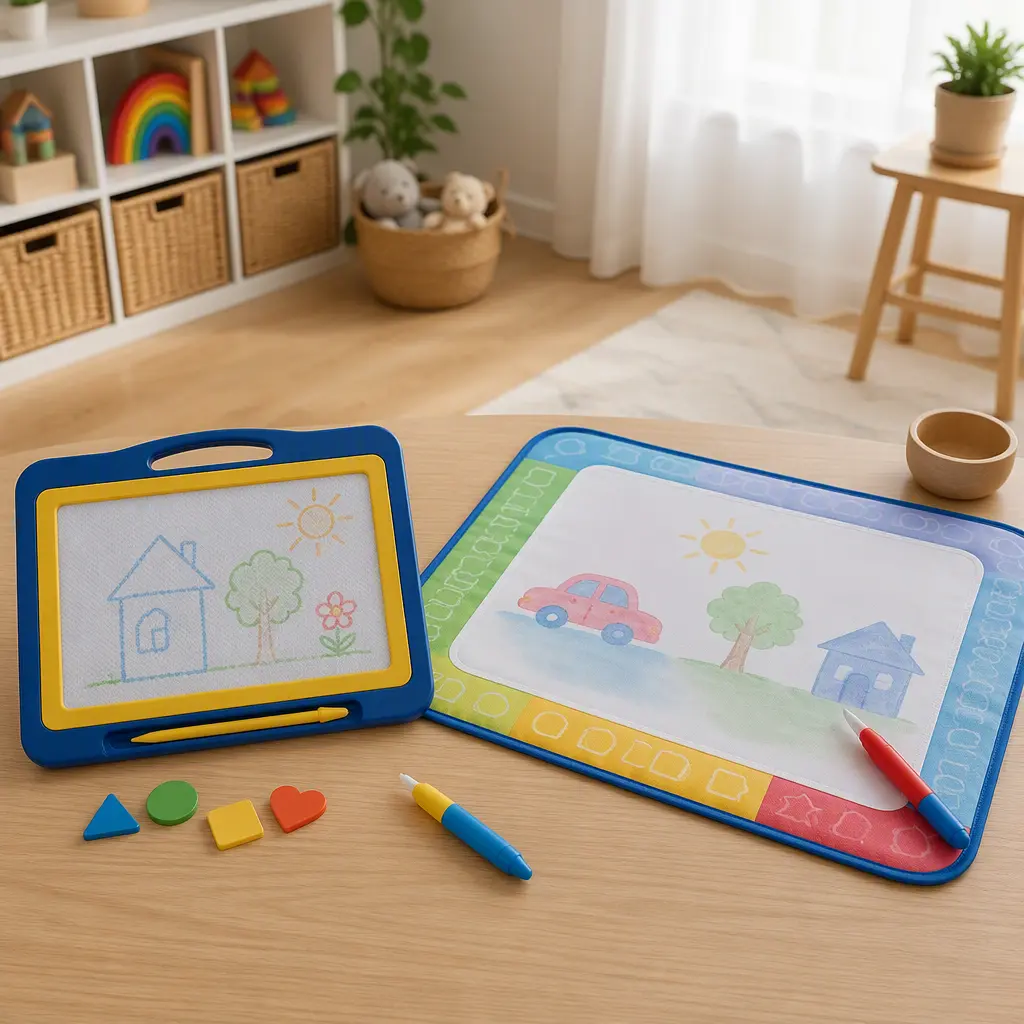
Compare magnetic drawing boards and reusable water mats for toddlers aged 1–2. Learn the trade-offs around mess, drying time, storage, supervision and travel use before buying.
Pretend Play · 1–2 years
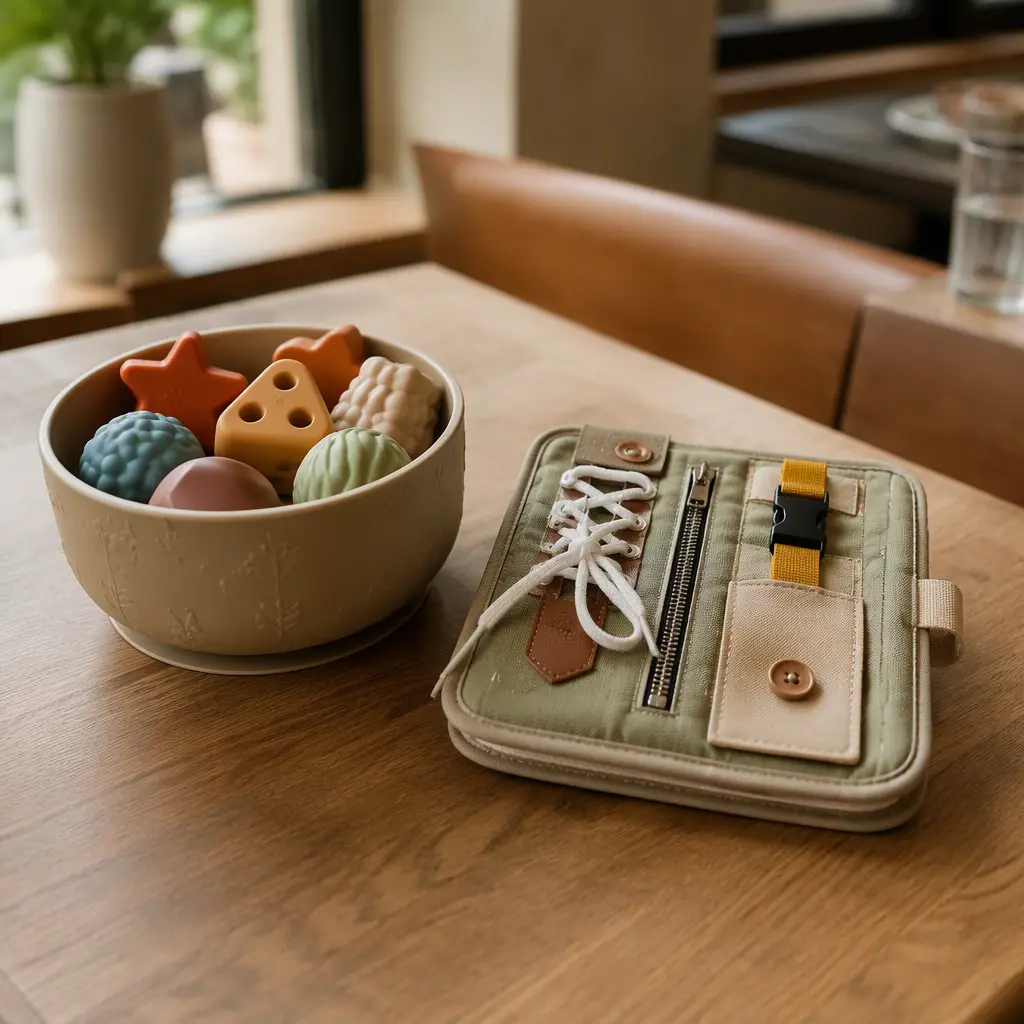
Compare toy bowls and busy boards for keeping 1–2 year olds occupied at restaurants. Learn which option is quieter, easier to clean, harder to drop and better for short outings.
Arts & Crafts · 1–2 years
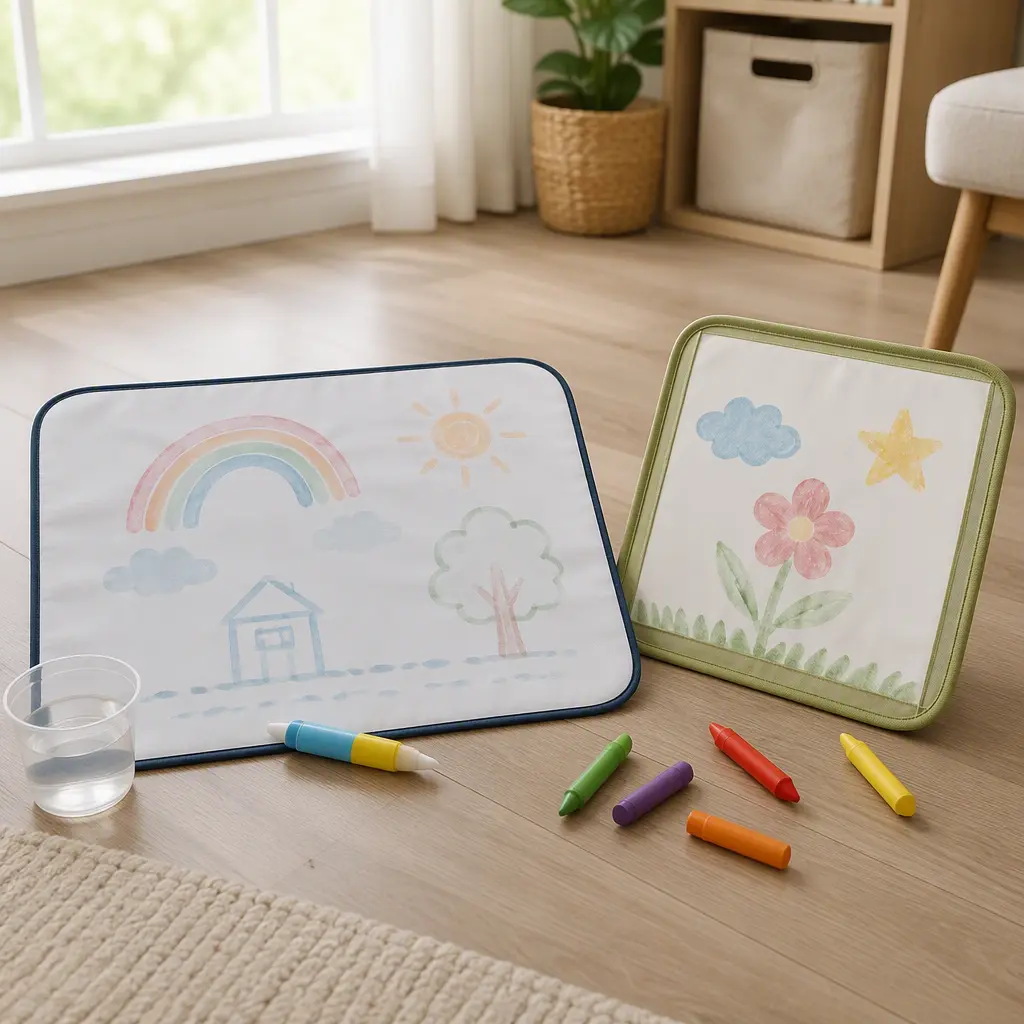
Compare water drawing mats and reusable coloring boards for toddlers and preschoolers, including drying time, portability, mess control, storage, supervision needs and age fit.
Pretend Play · 1–2 years
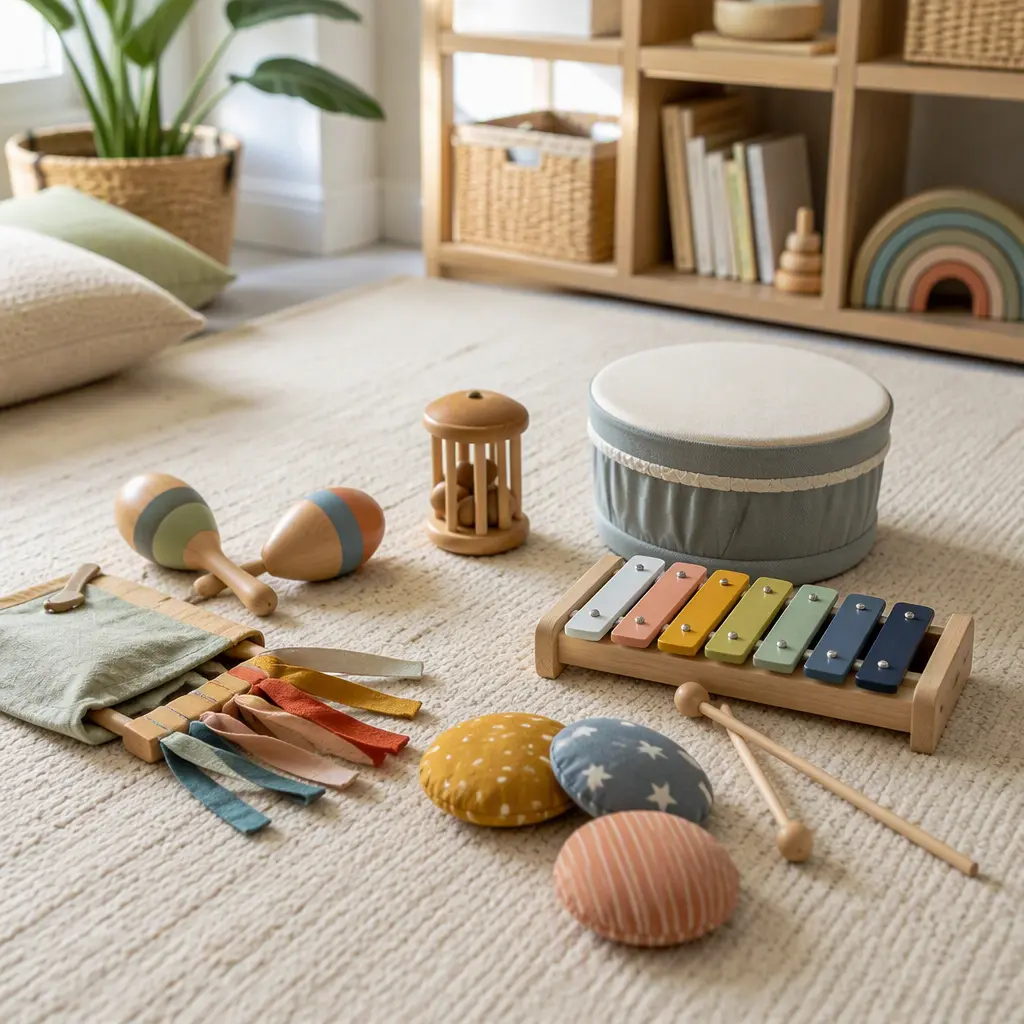
A parent-focused guide to quieter battery-free music toys for ages 1–2, covering volume, durability, storage, supervision and which toy styles work best in noise-sensitive homes.
Ride-Ons · 1–2 years
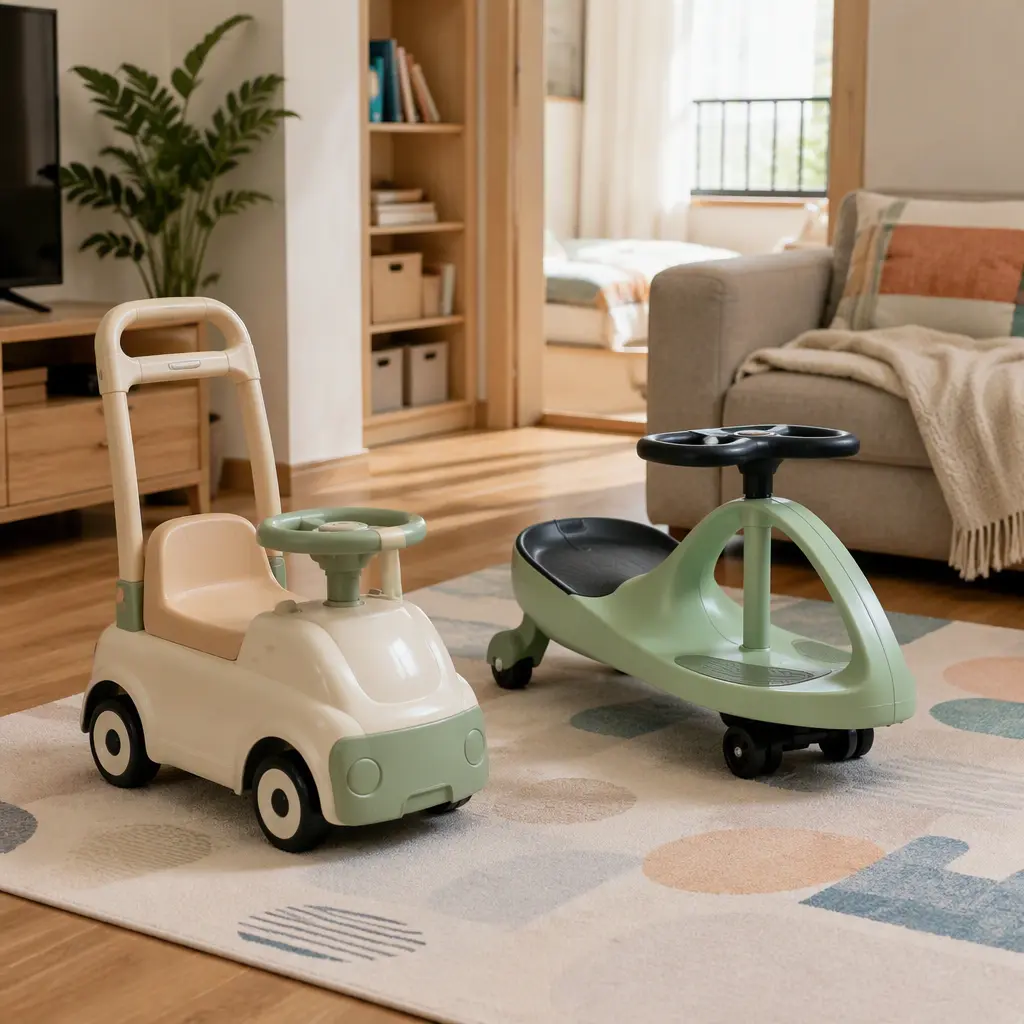
Comparing push cars and wiggle cars for toddlers aged 1–2, including floor compatibility, tipping risk, storage, noise and supervision needs for small indoor spaces.
Pretend Play · 1–2 years
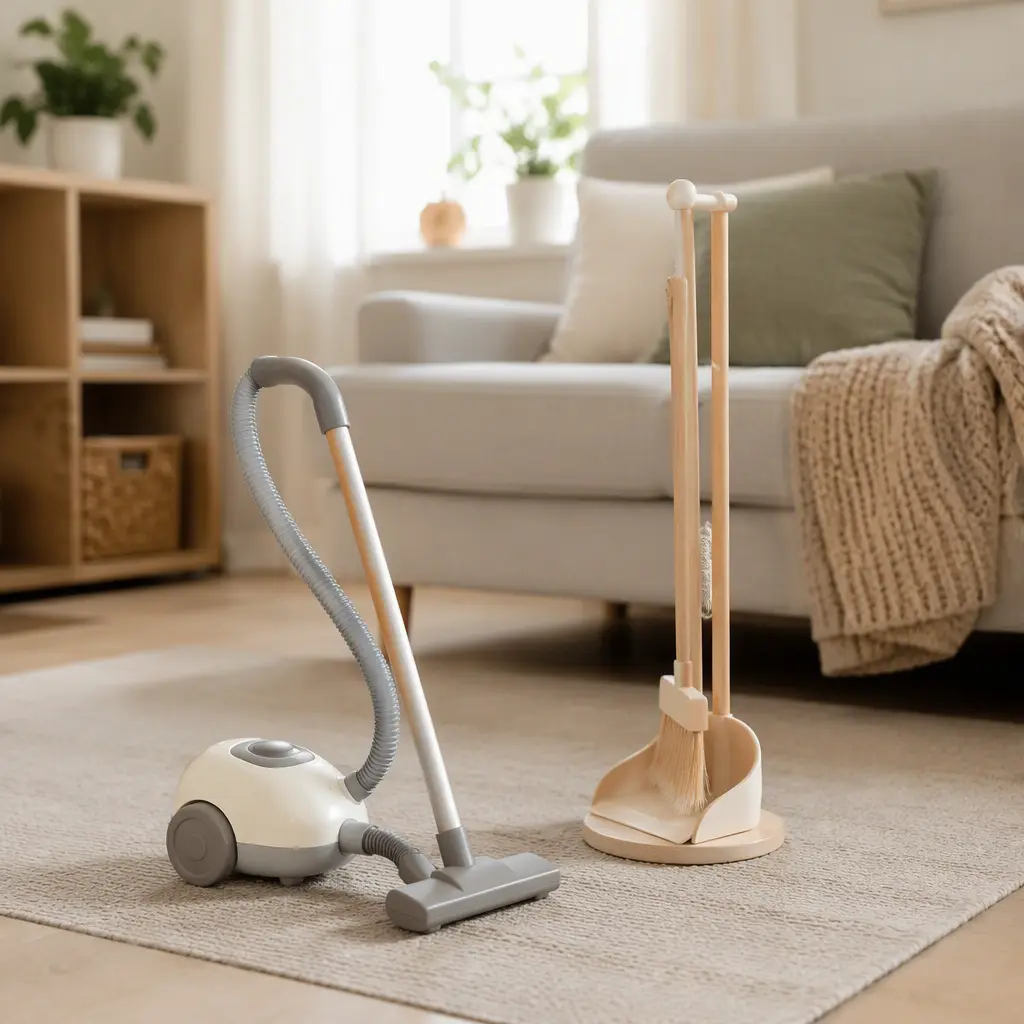
Choosing between a toy vacuum and a toddler broom set? This guide compares noise, durability, storage, supervision and realistic pretend-play value for children ages 1–2.
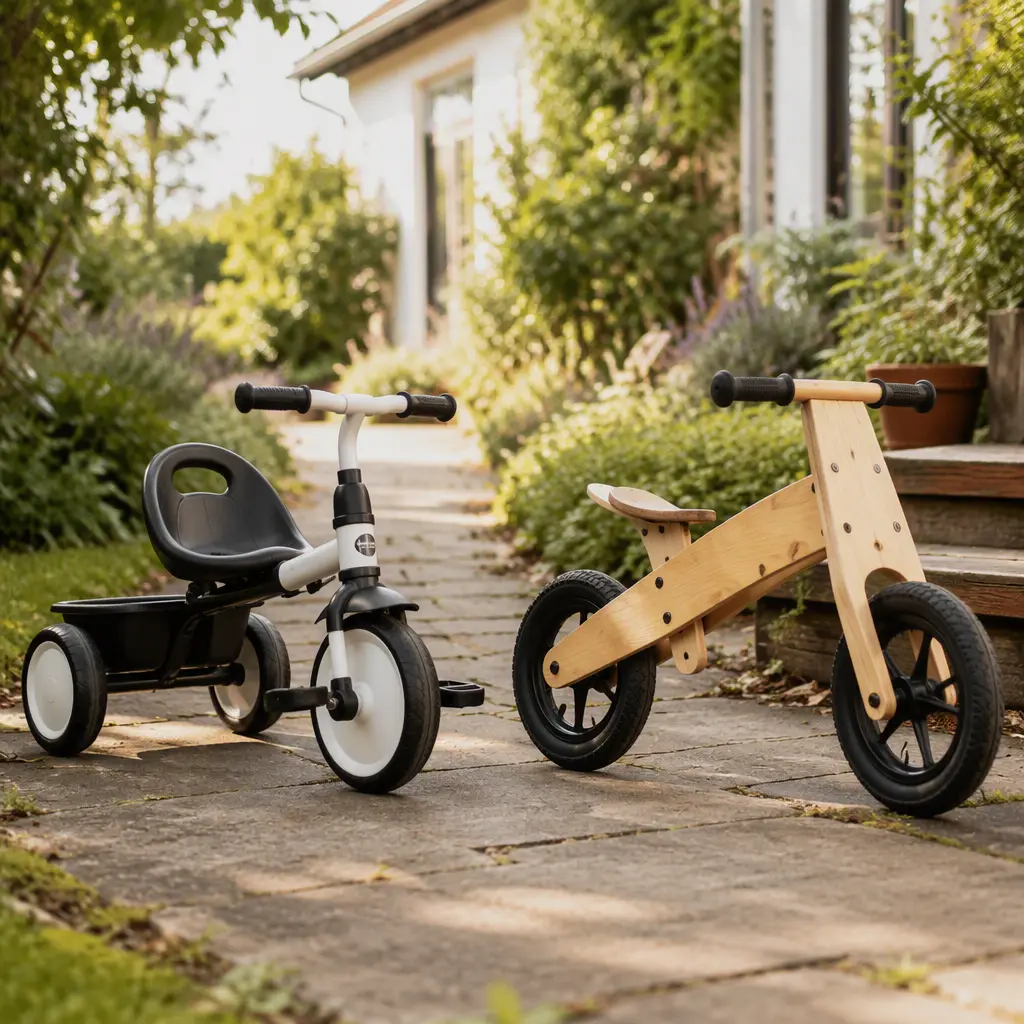
Ride-Ons · 1–2 years
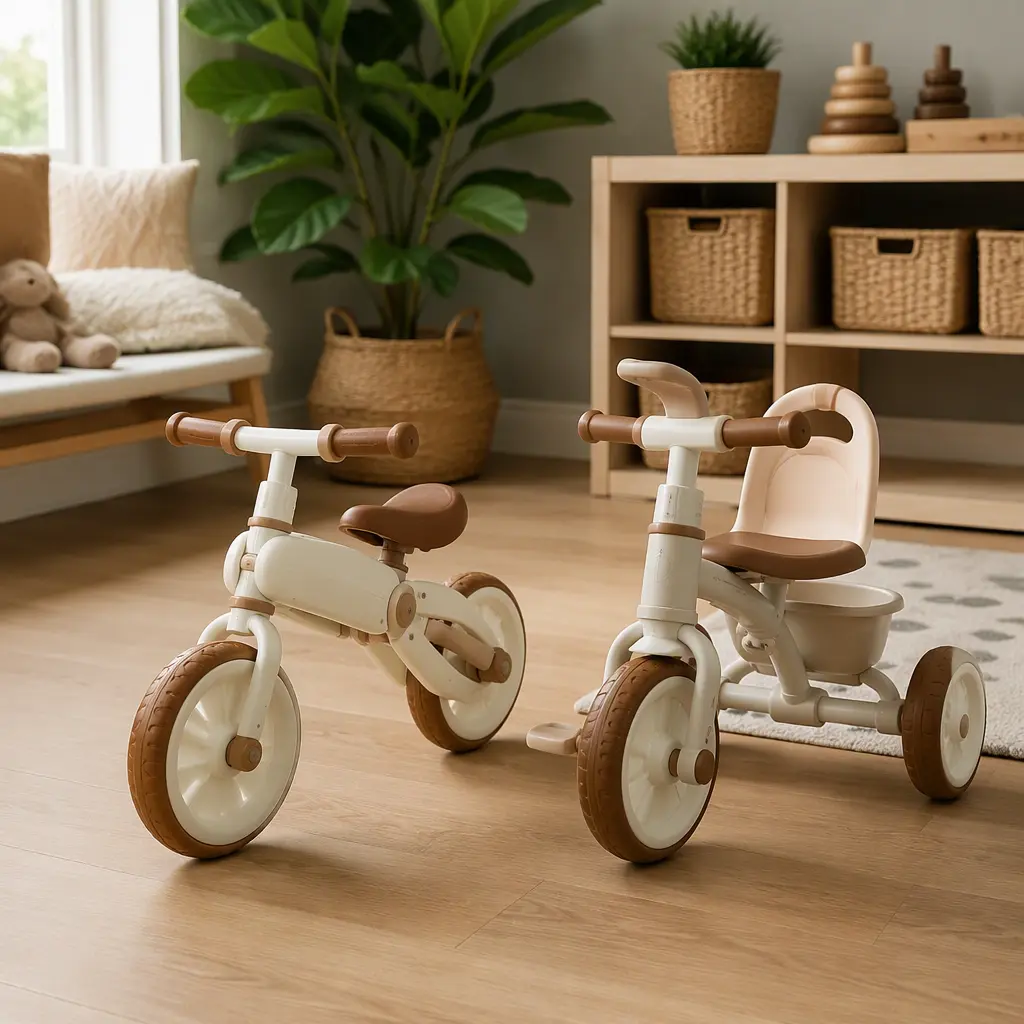
A parent-focused guide to choosing between push trikes and balance bikes for hesitant toddlers aged 1–2, with practical advice on confidence, safety, storage, noise and supervision.
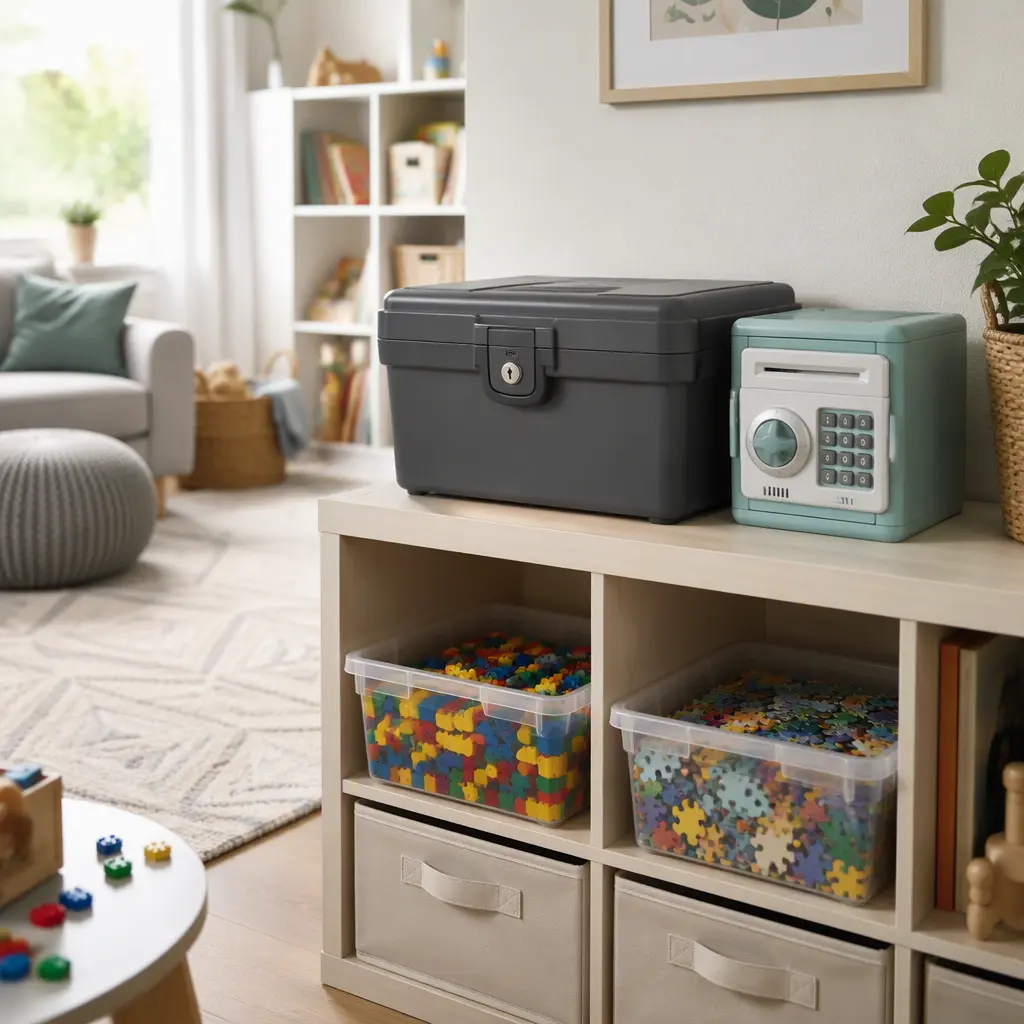
Building & Construction Sets · 1–2 years
Compare toy safes and lockboxes for storing small toy parts in homes with babies and older siblings. Learn the trade-offs around access, visibility, cleanup, supervision and storage space.
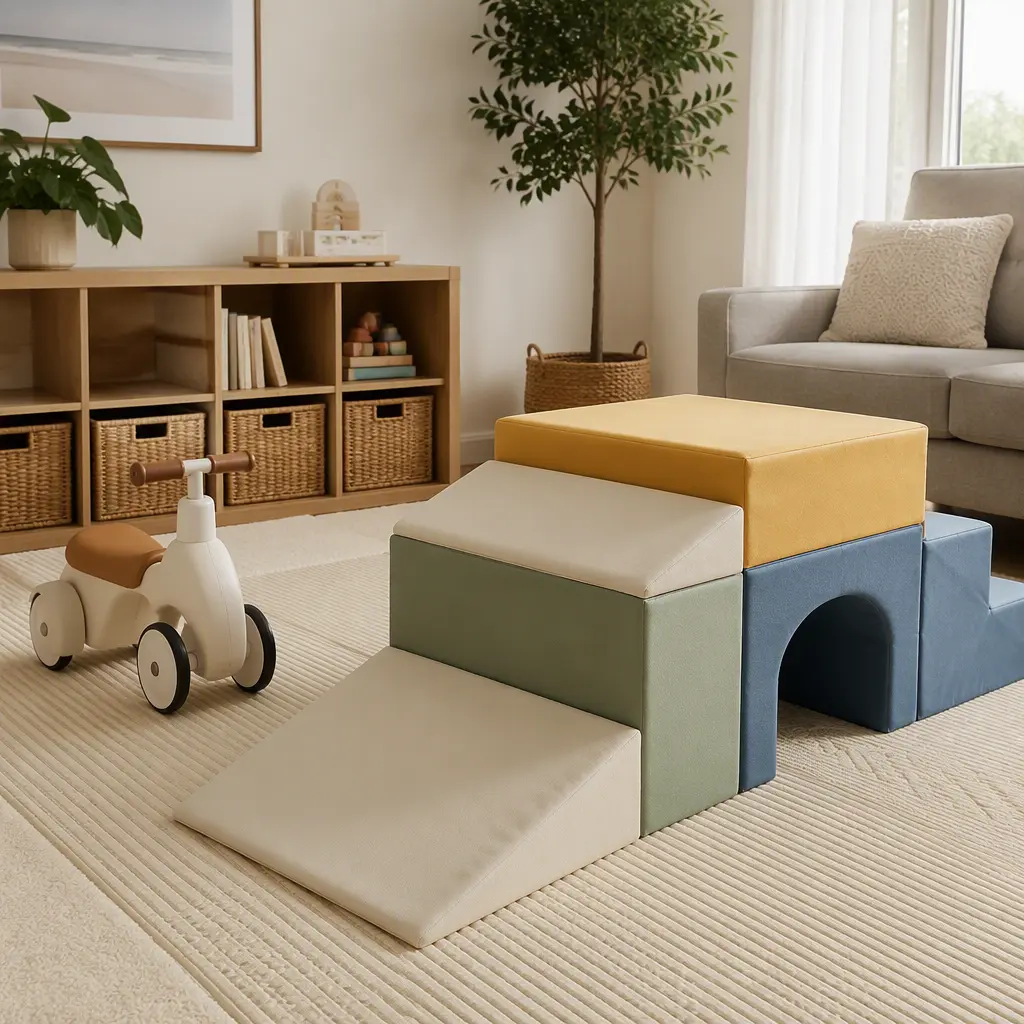
Ride-Ons · 1–2 years
Compare soft climbing blocks and ride-on toys for toddlers aged 1–2. Learn the trade-offs around supervision, noise, storage, durability and indoor play space before buying.
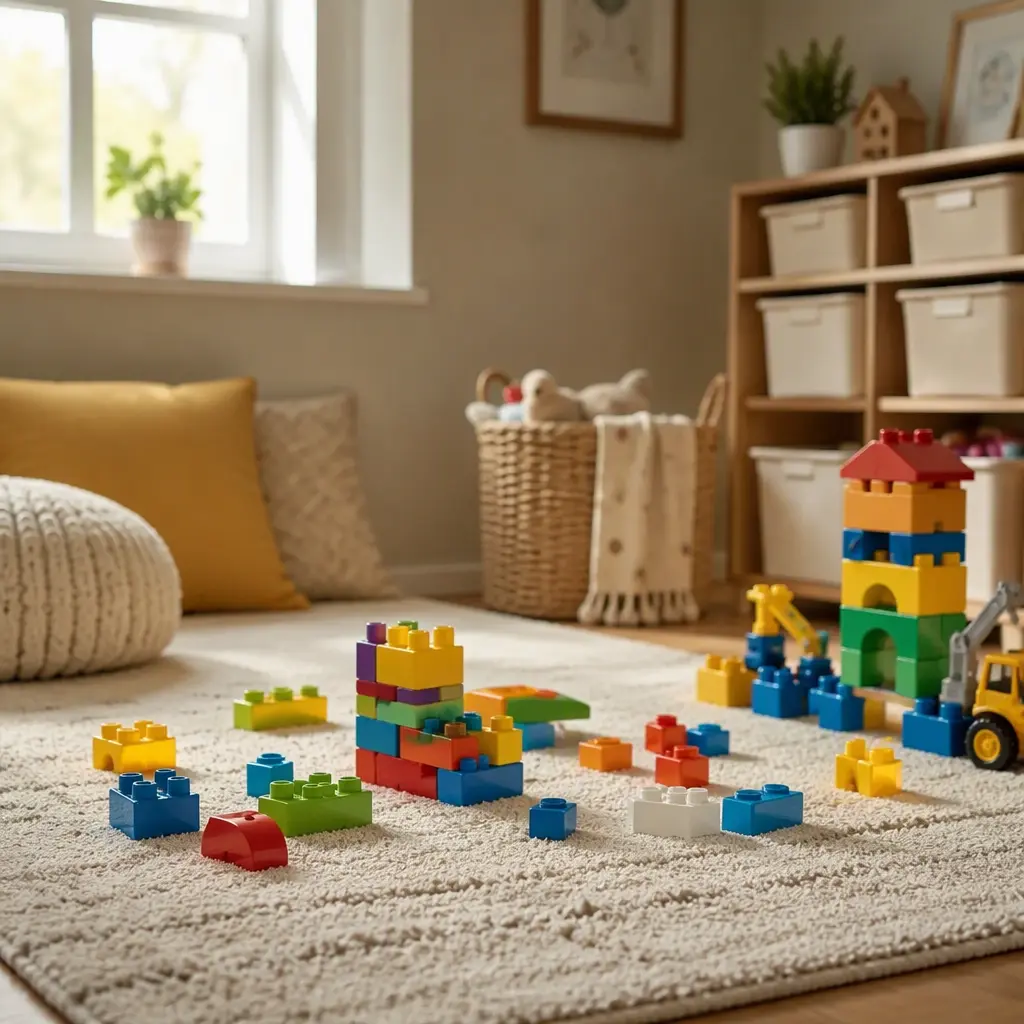
Building & Construction Sets · 1–2 years
A parent-focused guide to large-piece building sets for toddlers in mixed-age homes, covering choking-risk trade-offs, shared play, durability, storage and long-term value.
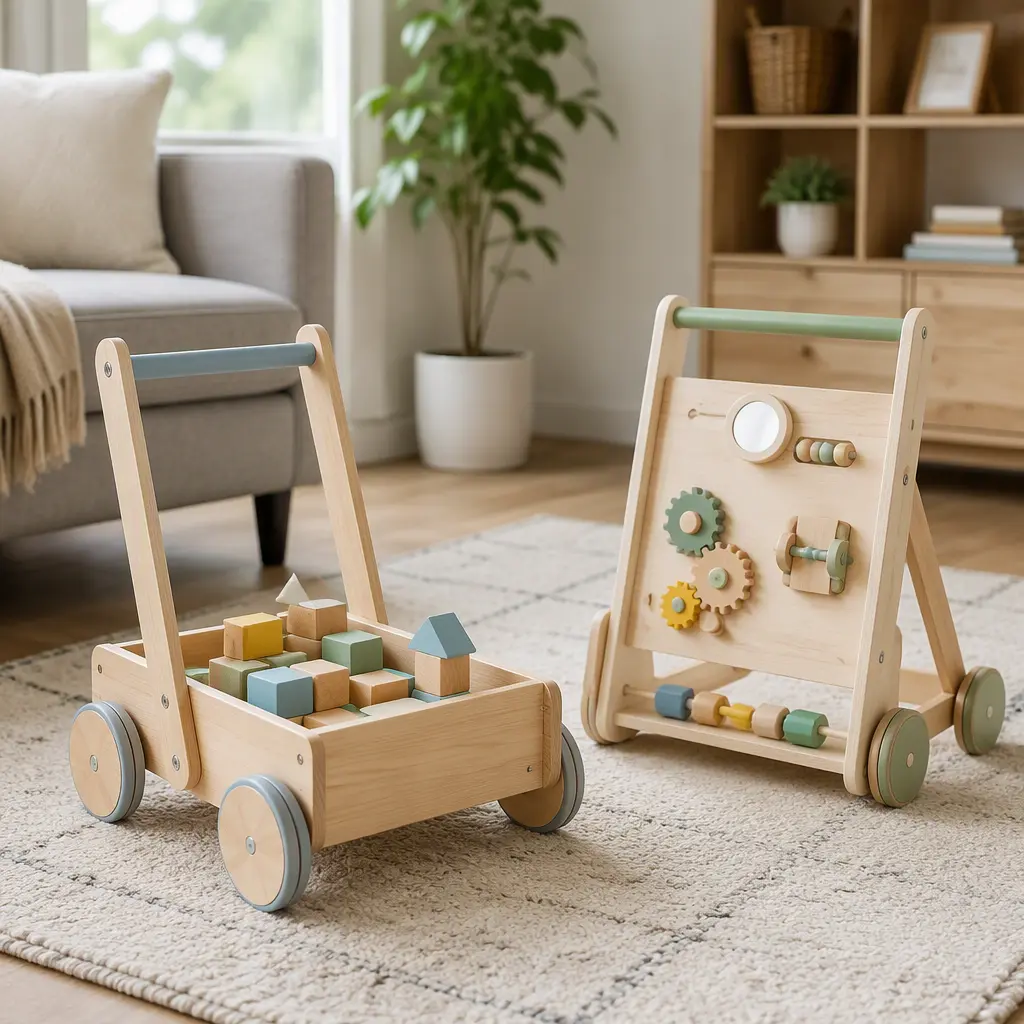
Baby & Infant · 1–2 years
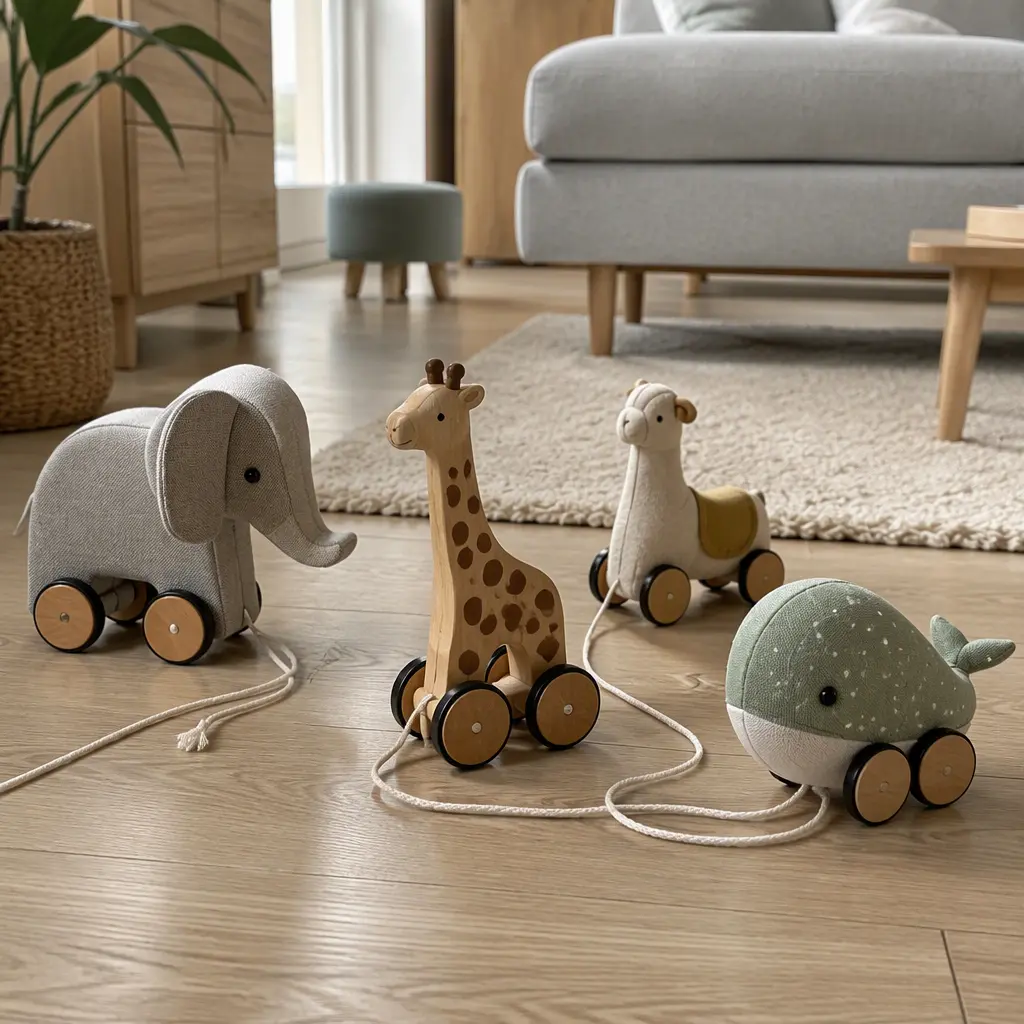
Compare push-along toys and baby walkers for toddlers aged 1–2 years, including stability, tipping concerns, floor space, supervision needs and which option suits early walkers best.
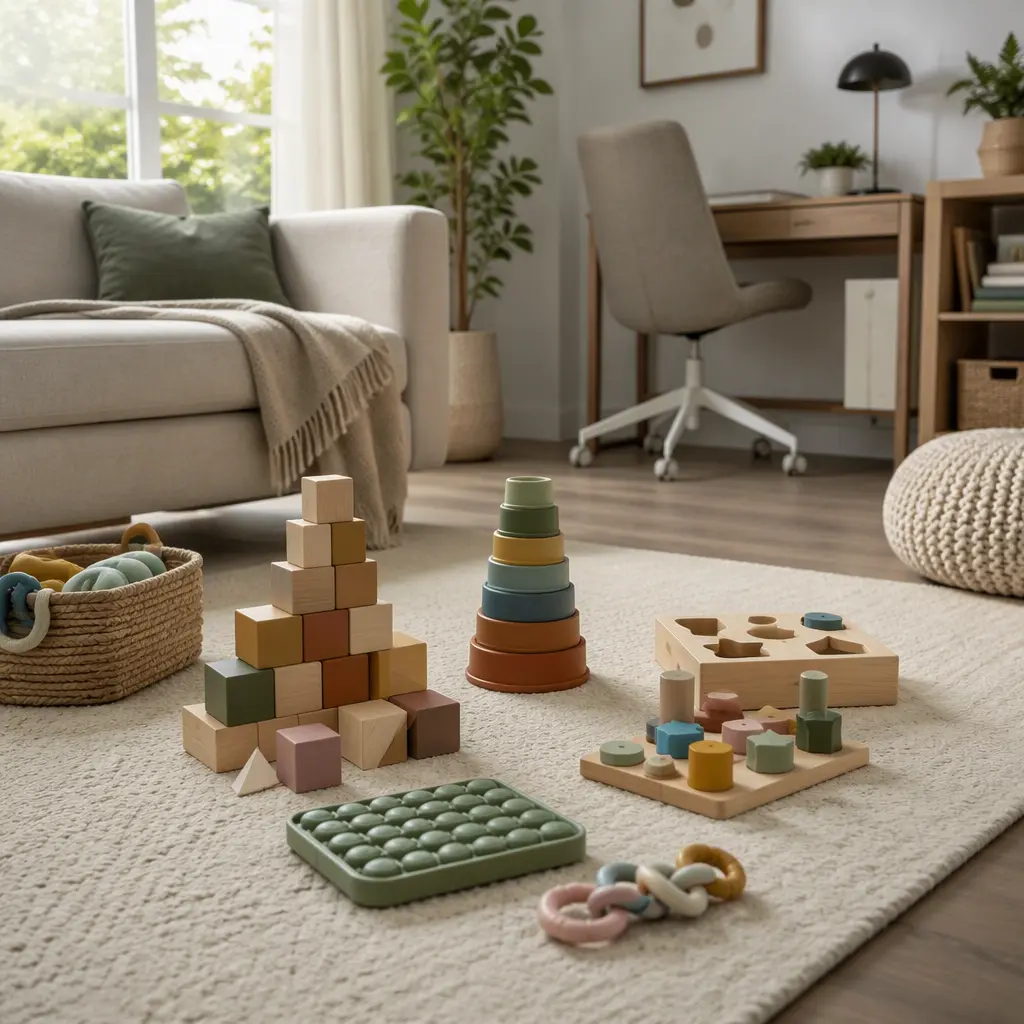
Building & Construction Sets · 1–2 years
A parent-focused guide to quiet, low-mess toys for toddlers aged 1–2 during work calls, with practical advice on noise, supervision, storage, and attention span.
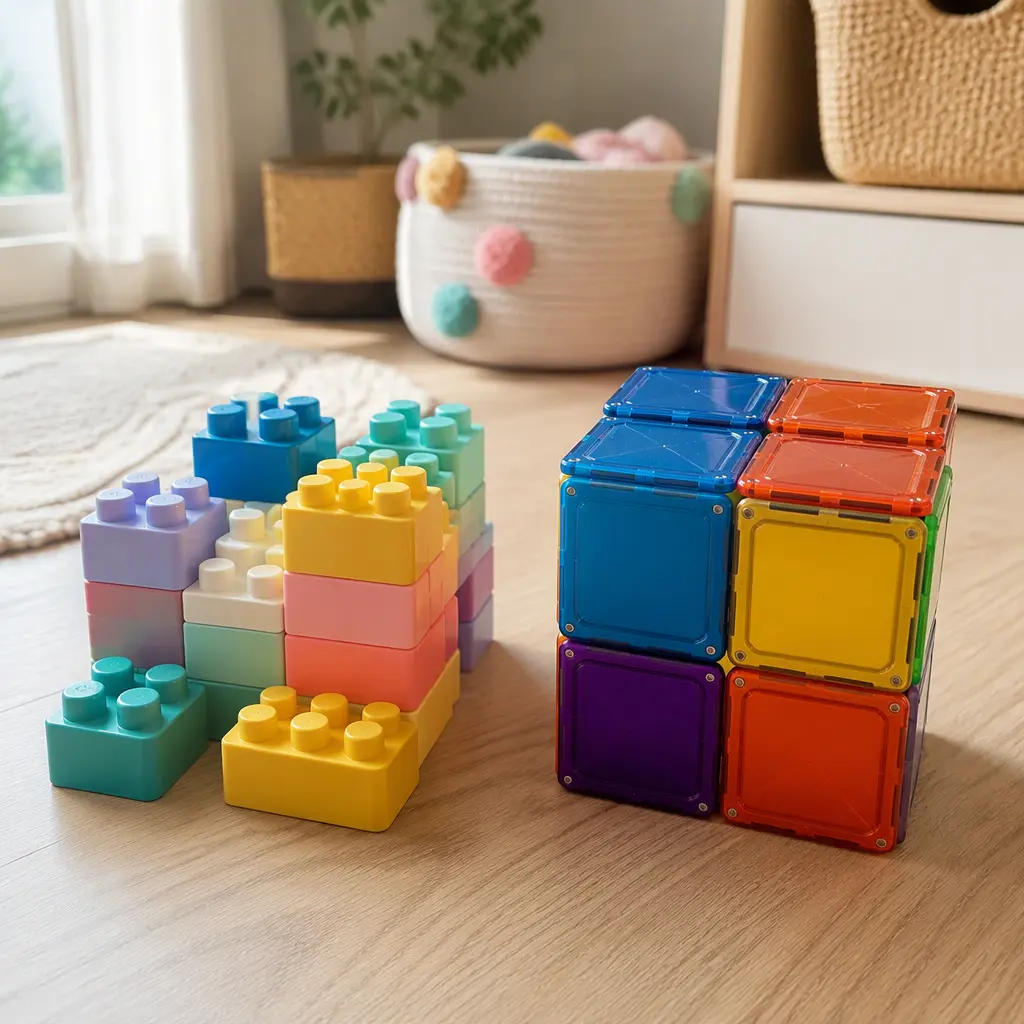
Building & Construction Sets · 1–2 years
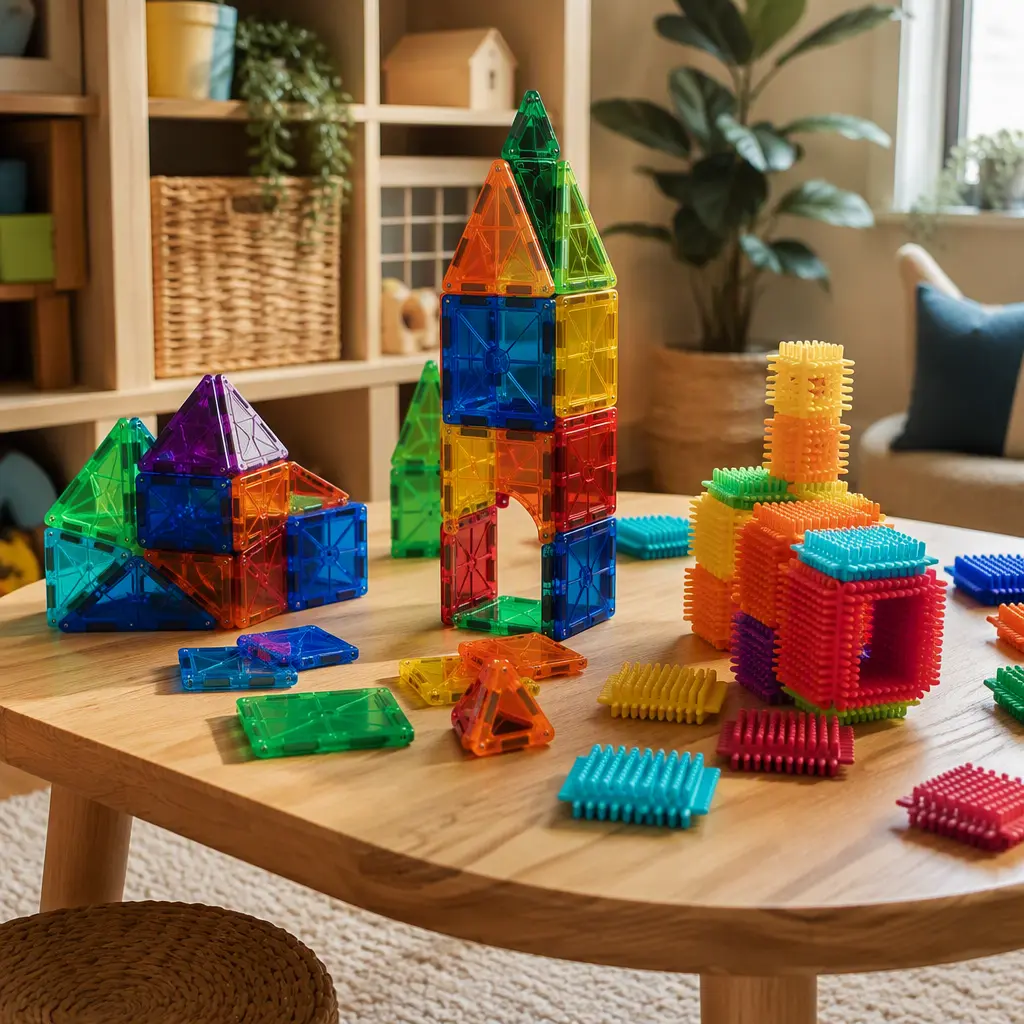
Compare chunky building blocks and magnetic cubes for toddlers aged 1–2. Learn about cleanup, choking risks, build stability, supervision, storage and long-term play value before buying.
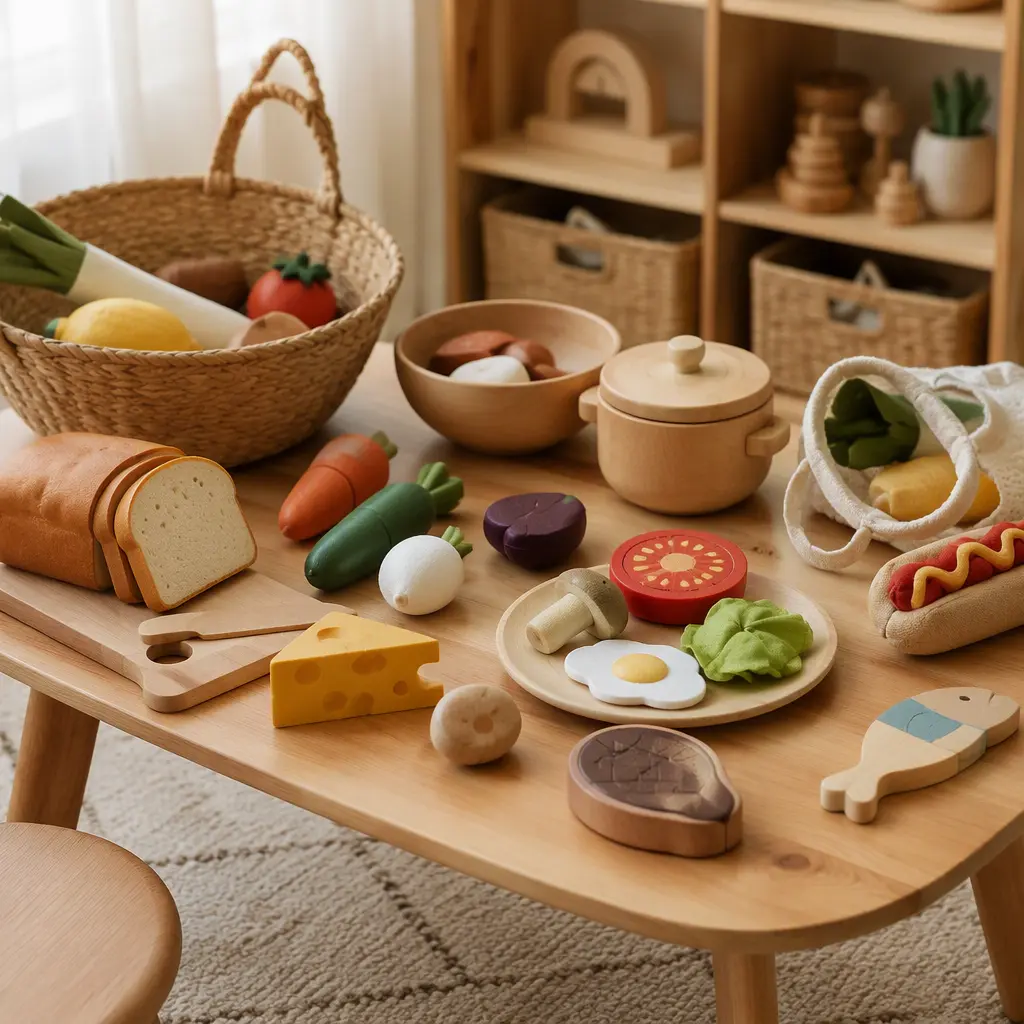
Pretend Play · 1–2 years
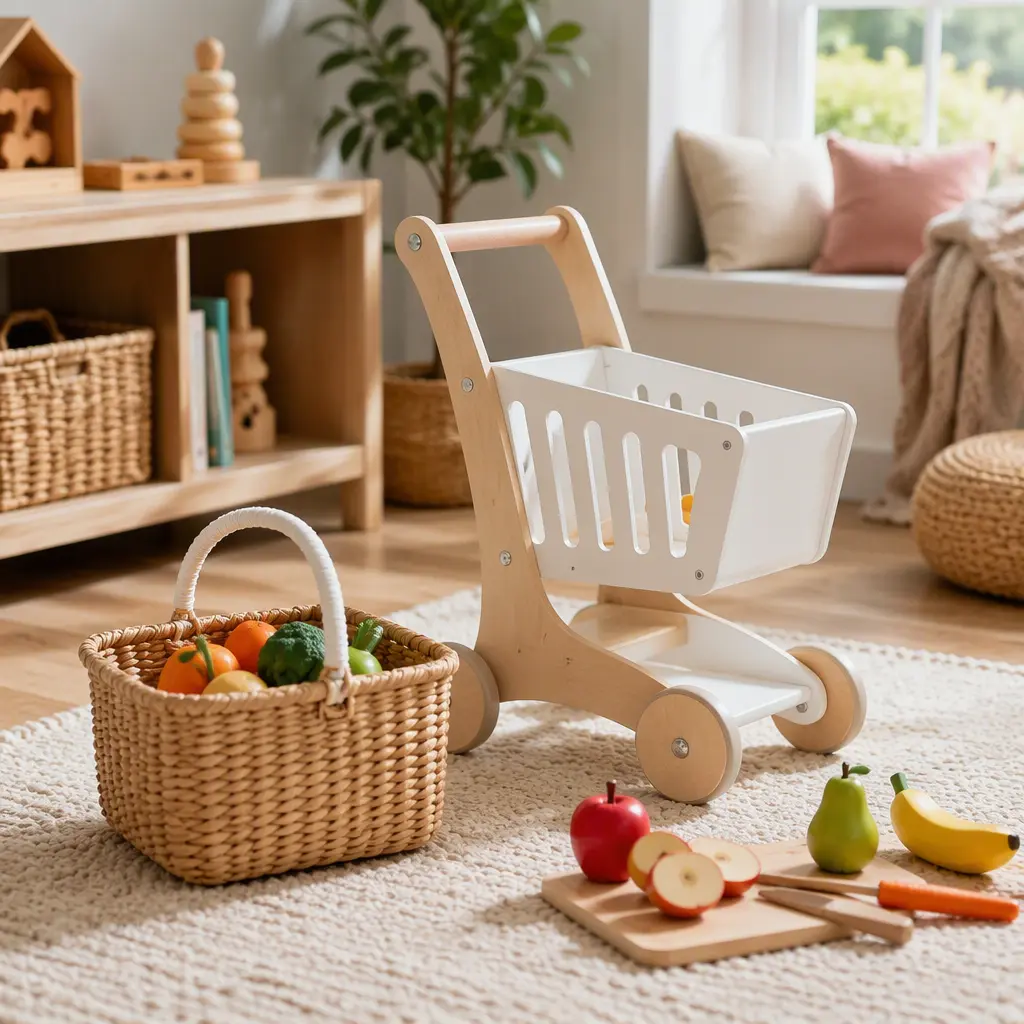
A parent-focused guide to play food sets for toddlers aged 1–2 years, covering durable materials, safe sizing, storage options, cleanup, and which styles suit everyday rough play.
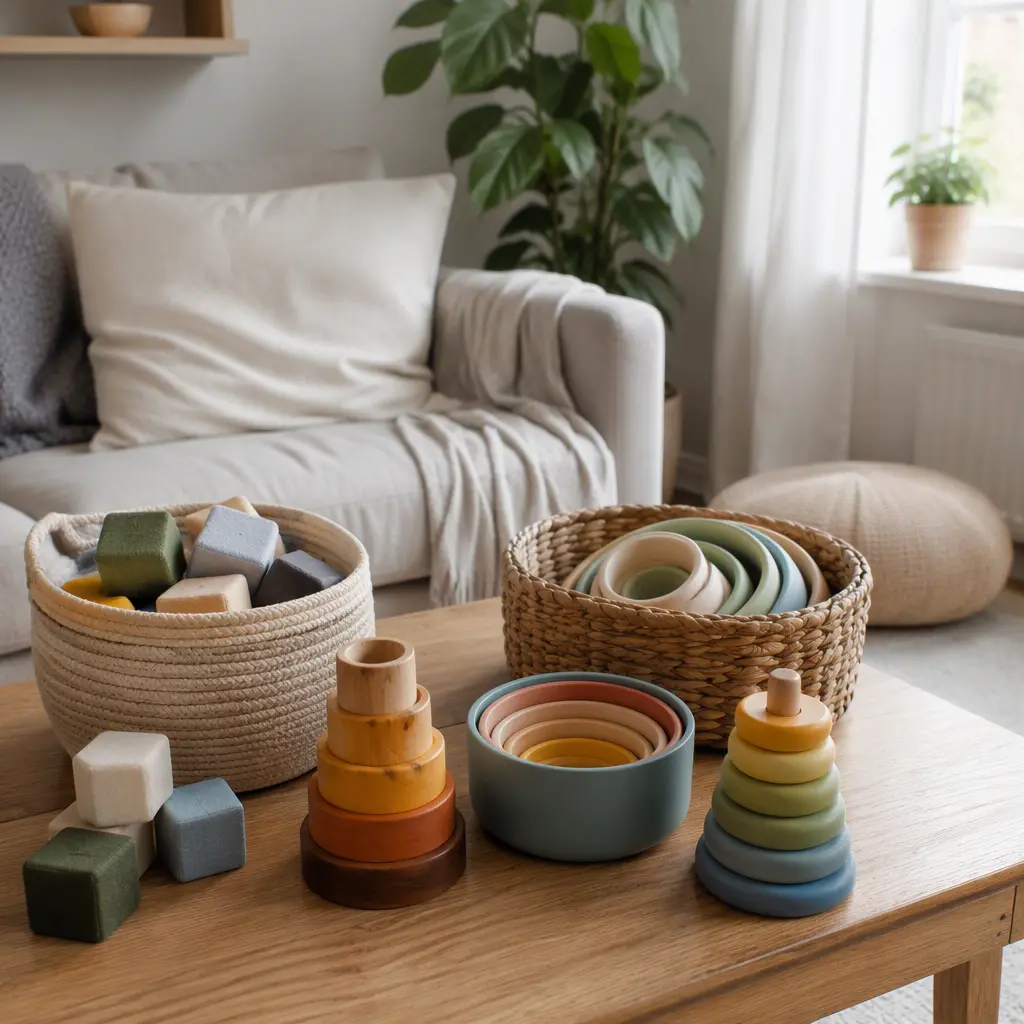
Building & Construction Sets · 1–2 years
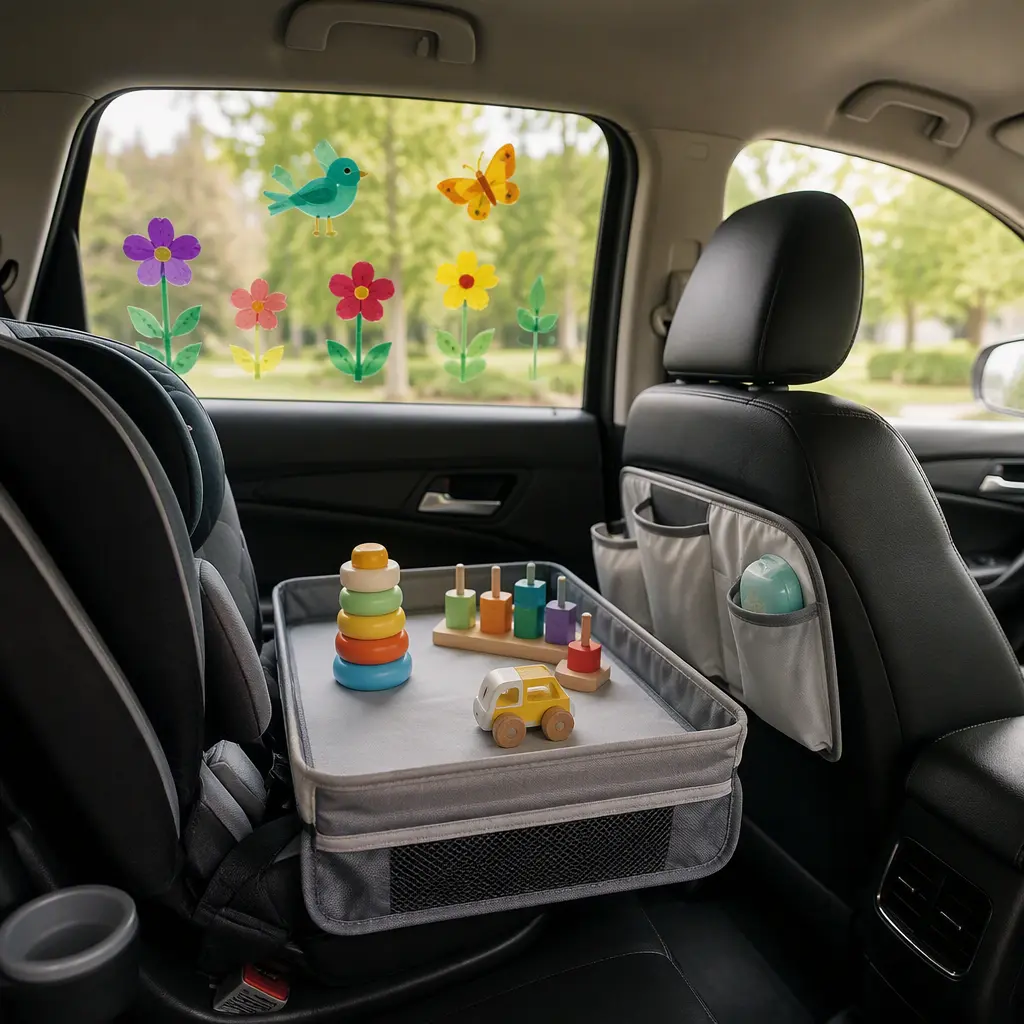
Compact stacking toys can support motor skills and imaginative play without taking over a small living space. This guide compares practical options for toddlers aged 1–2.
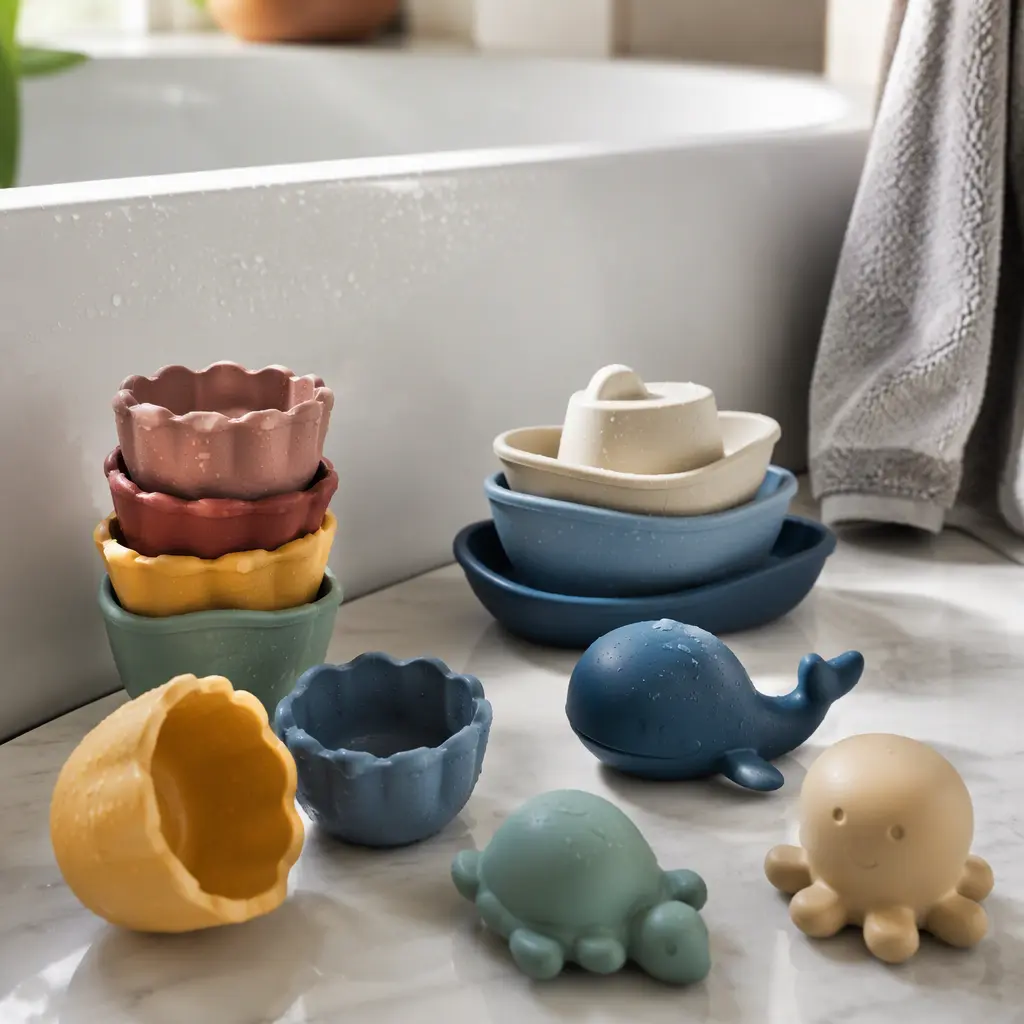
Baby & Infant · 1–2 years
A parent-focused guide to bath toys for ages 1–2 that dry properly, clean easily and avoid hidden mold buildup. Compare open designs, silicone toys and storage-friendly options.
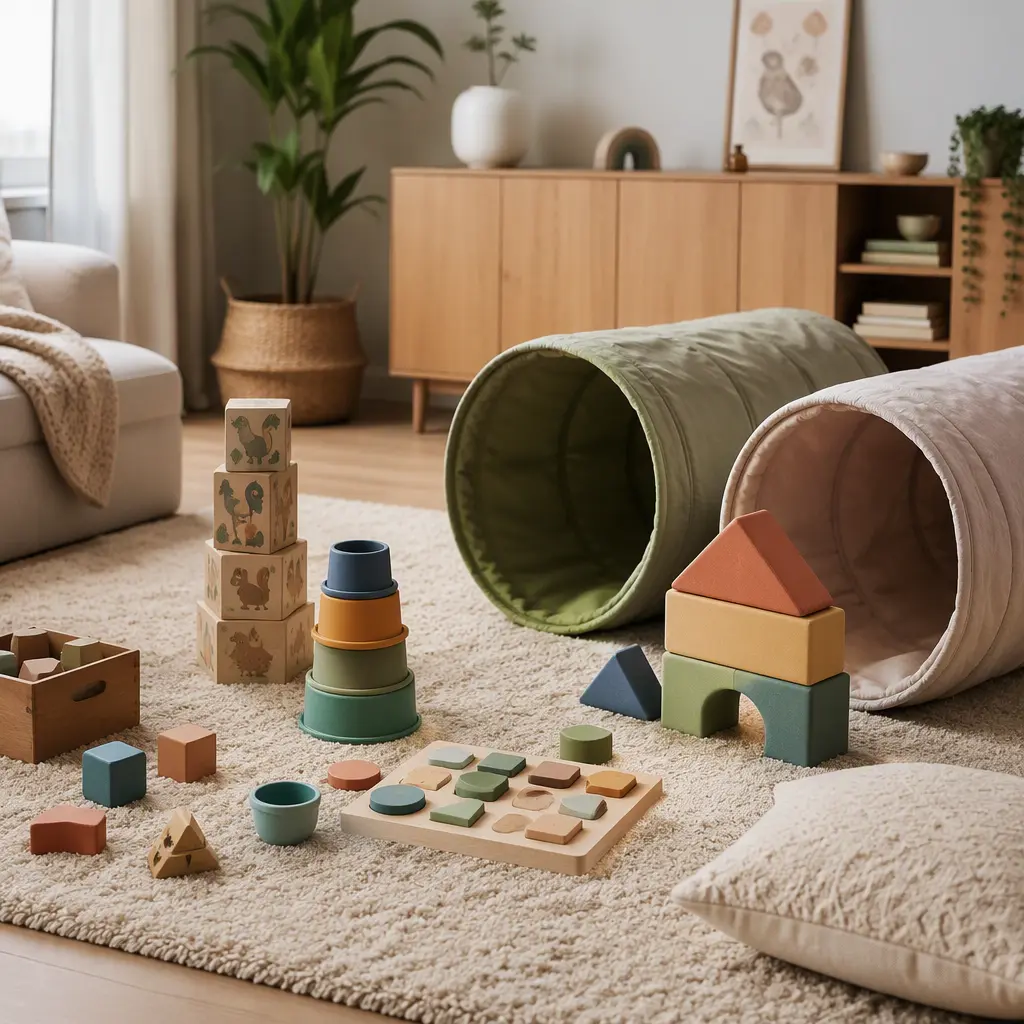
Building & Construction Sets · 1–2 years
Low-noise toys can help toddlers stay active indoors without constant clattering. This guide compares quieter play options for 1–2 year olds, with practical advice on mess, storage and supervision.
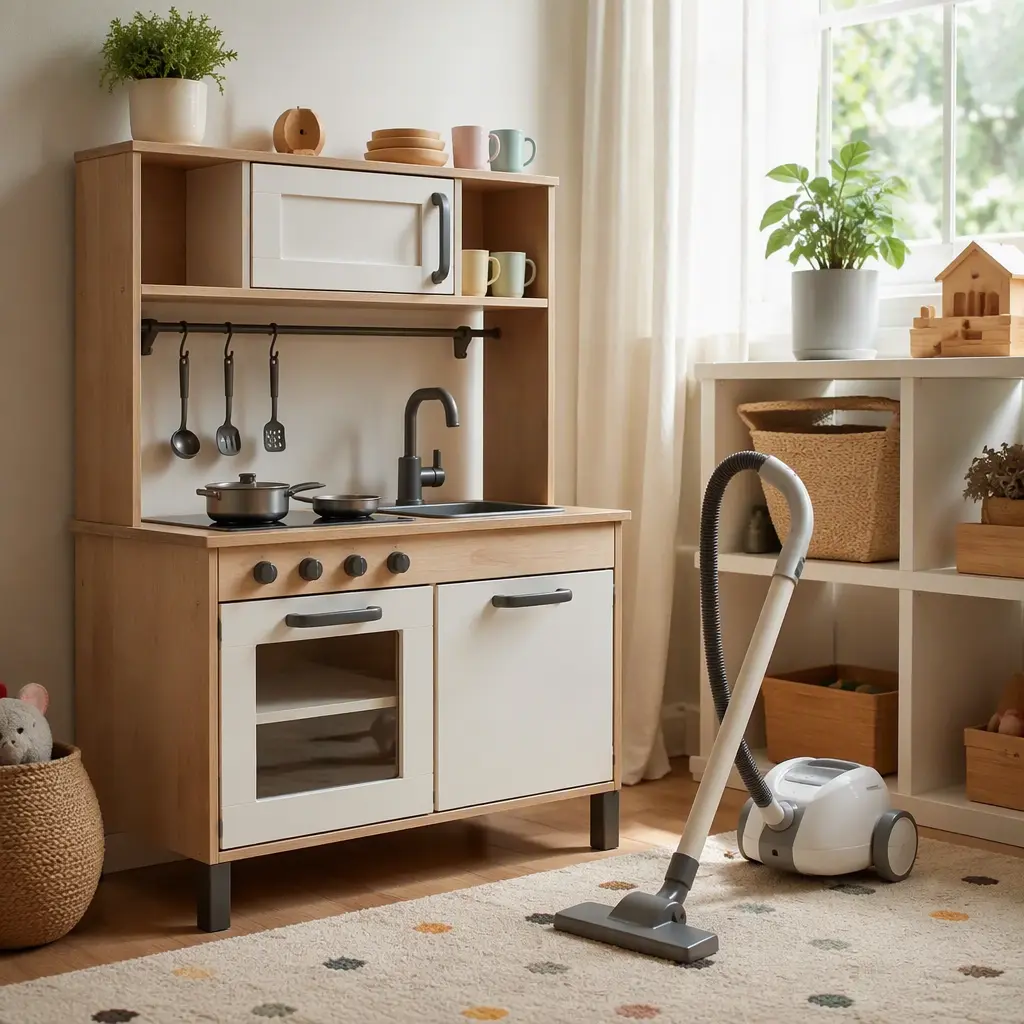
Pretend Play · 1–2 years
Choosing between a toy vacuum and a play kitchen for a 1–2 year old? This guide compares space, noise, replay value, supervision, and developmental fit for copycat toddlers.
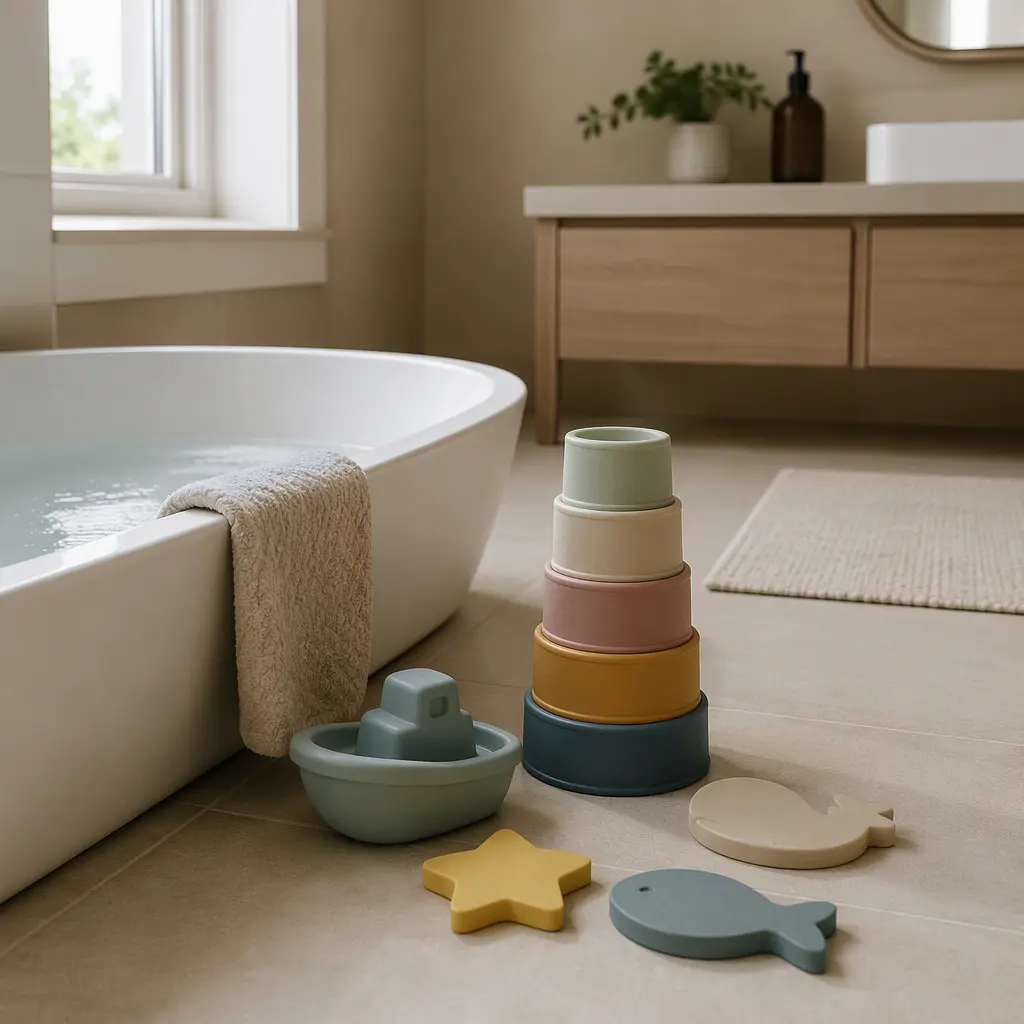
Baby & Infant · 1–2 years
A parent-focused guide to quiet bath toys for toddlers in small apartments, with practical advice on mold resistance, drying time, storage, and low-noise play.
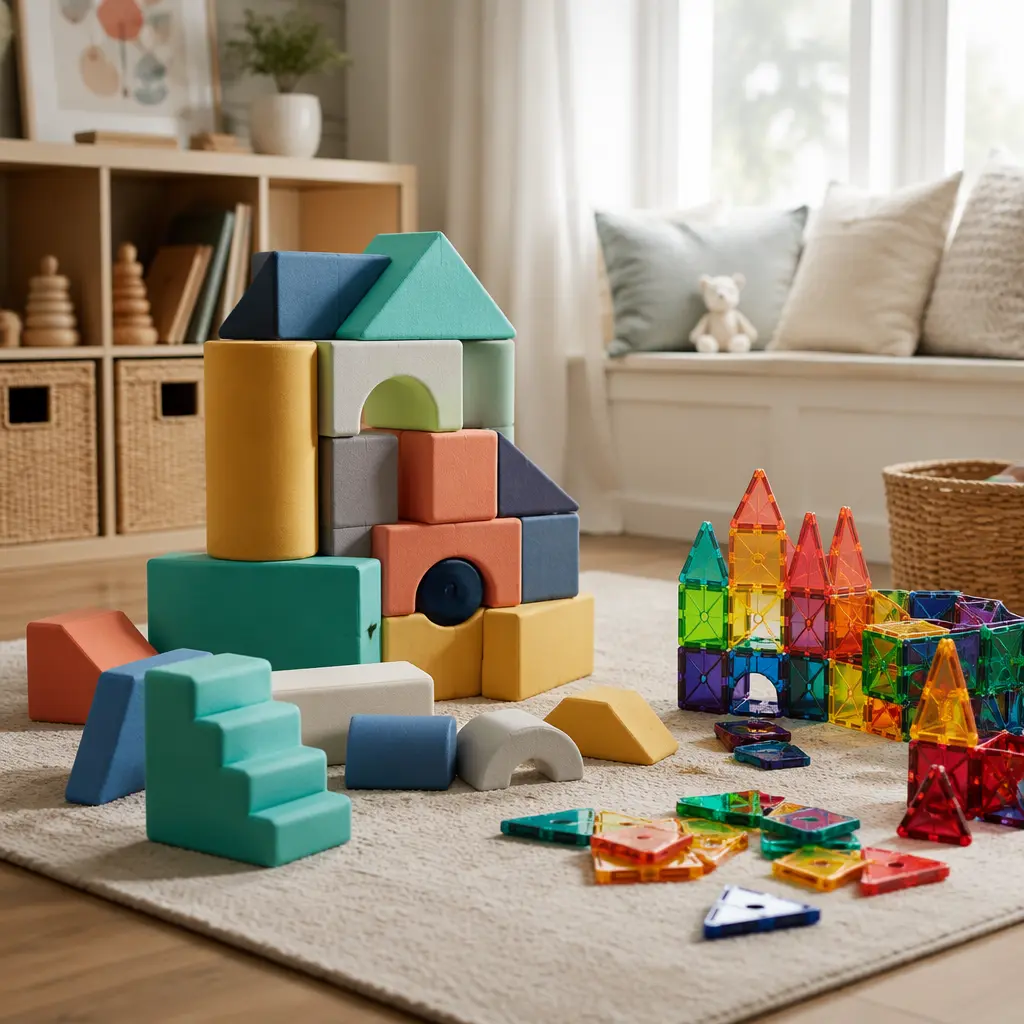
Building & Construction Sets · 1–2 years
Compare foam building blocks and magnetic tiles for toddlers aged 1–2 years, with practical guidance on safety, noise, storage, durability, supervision and frustration levels.