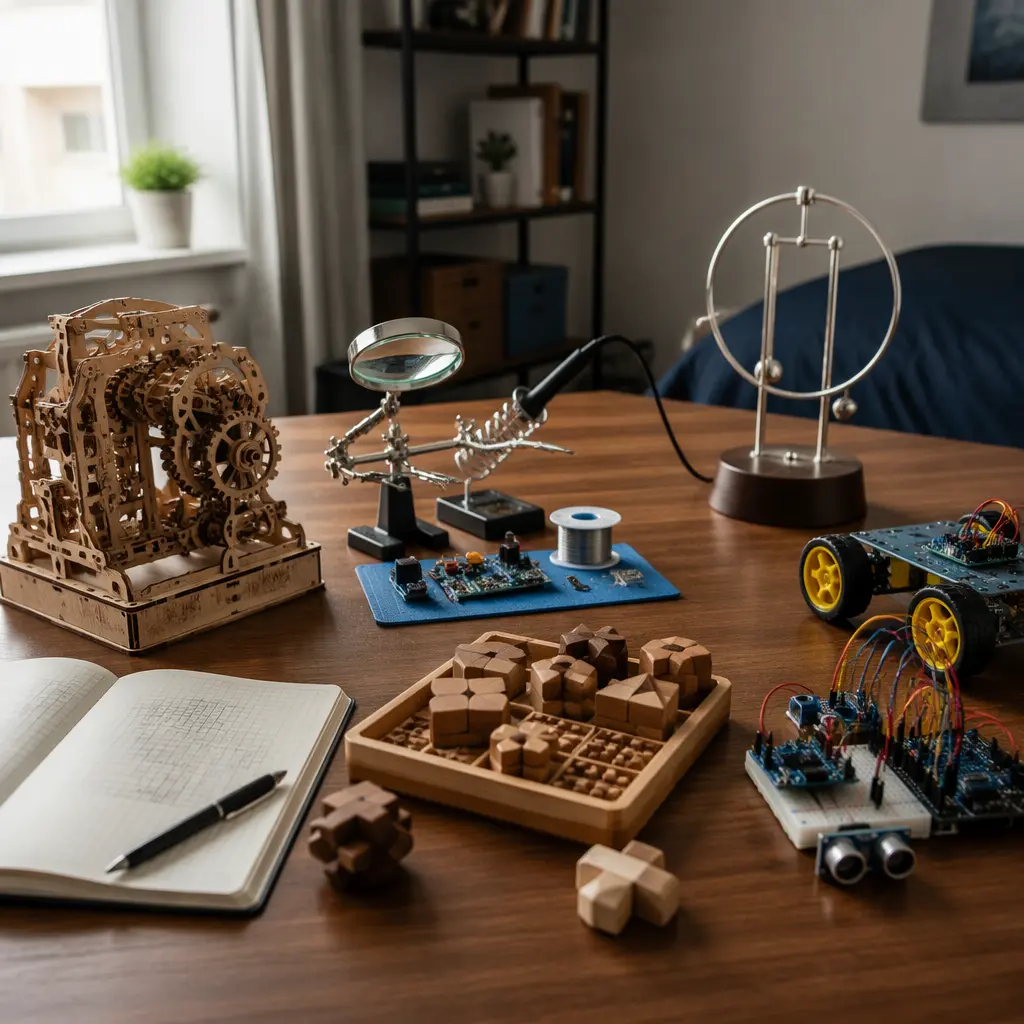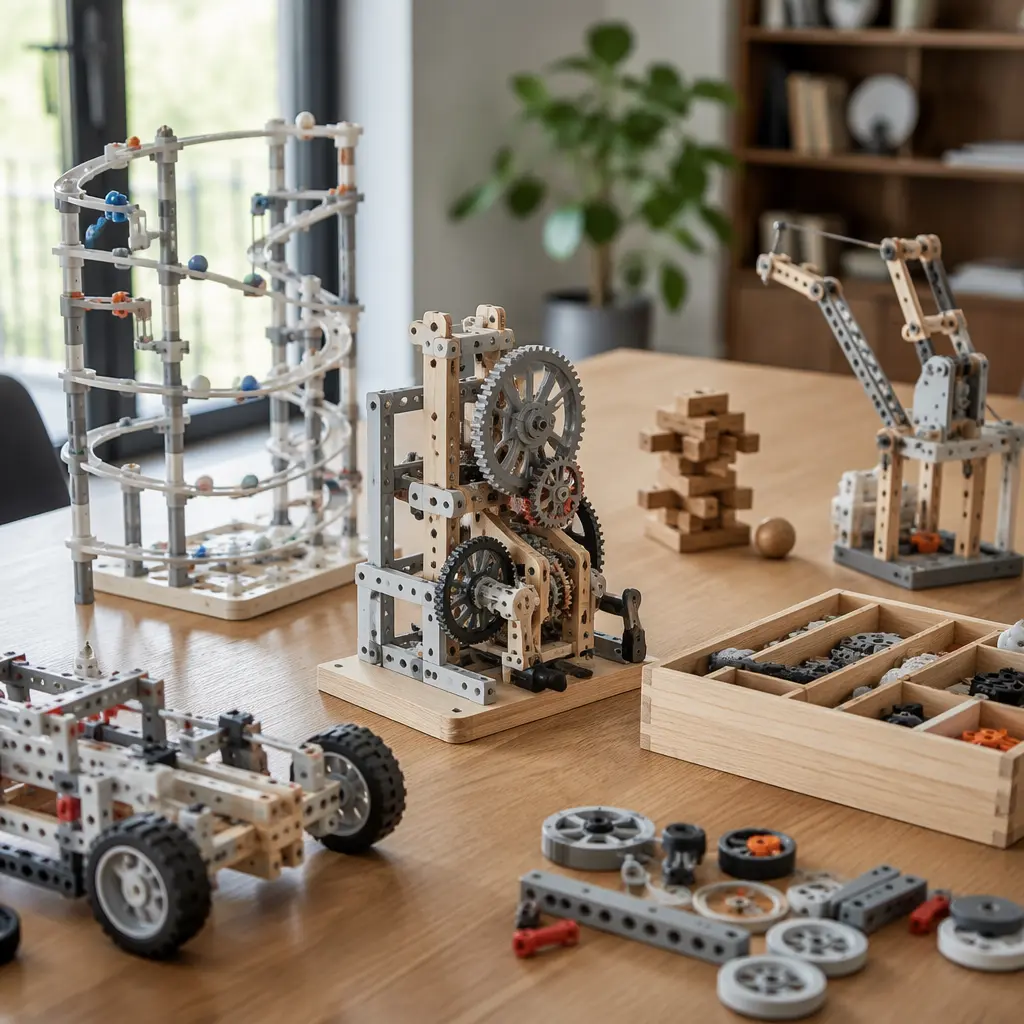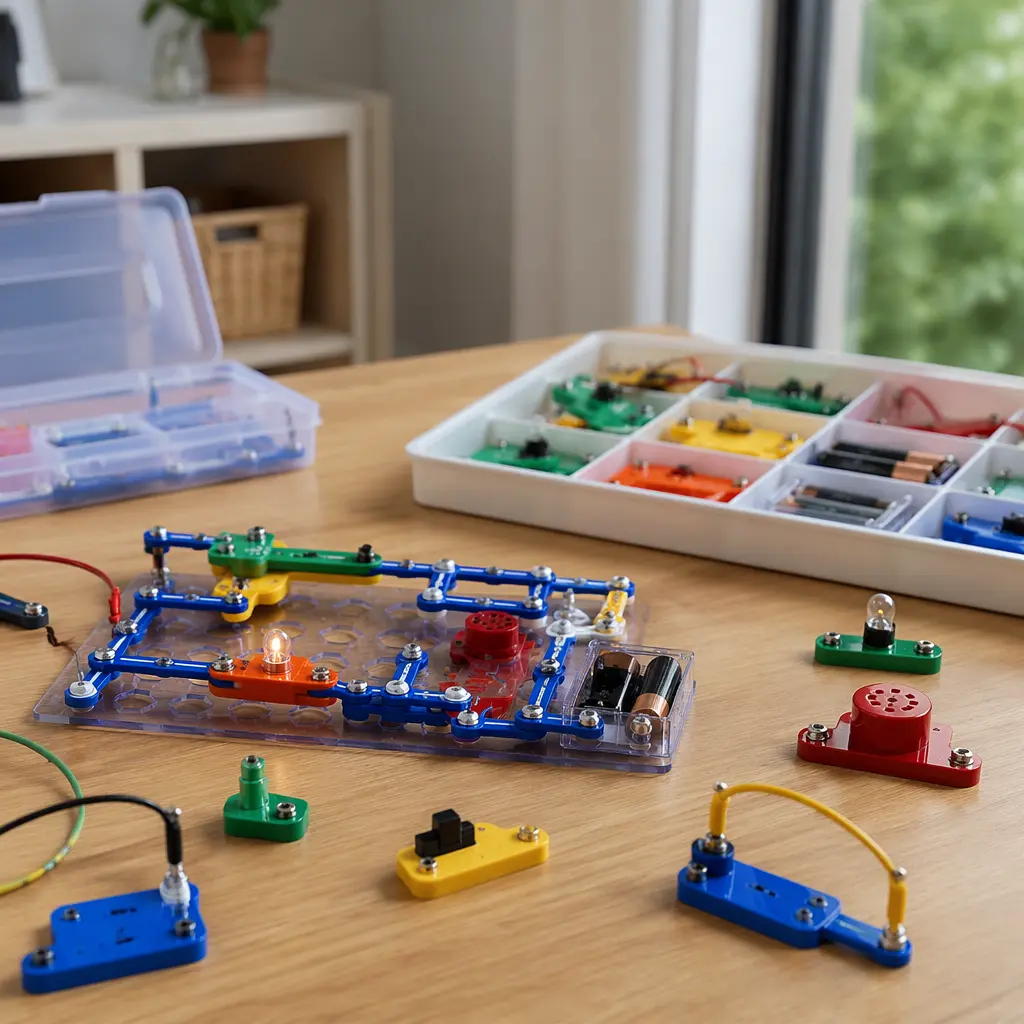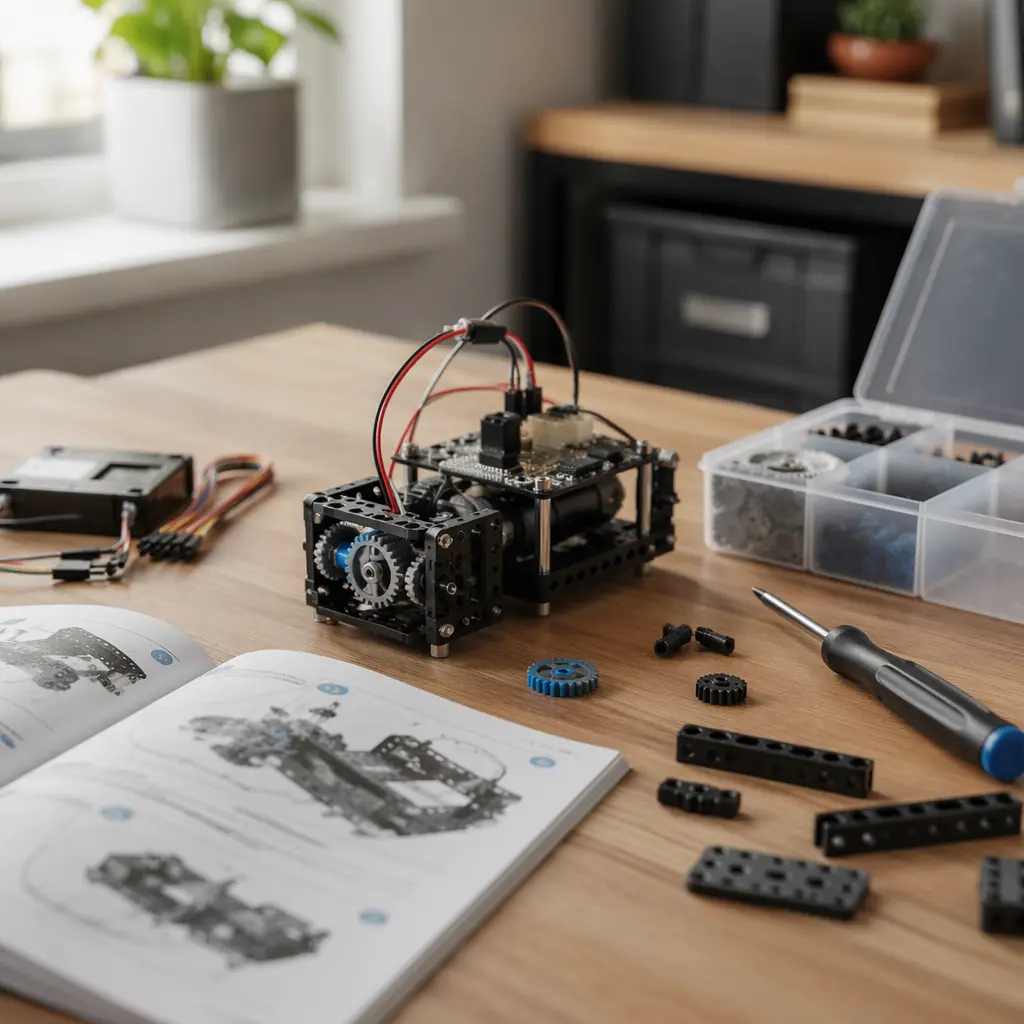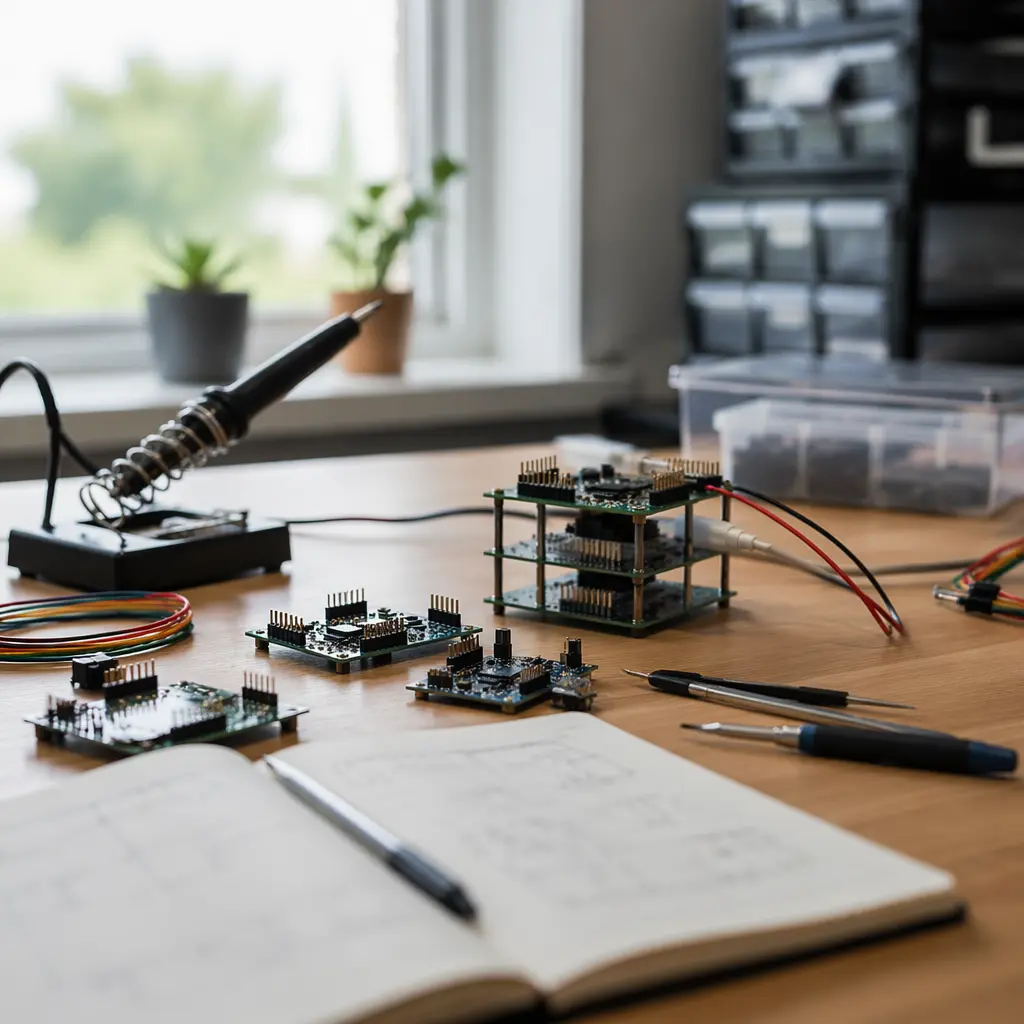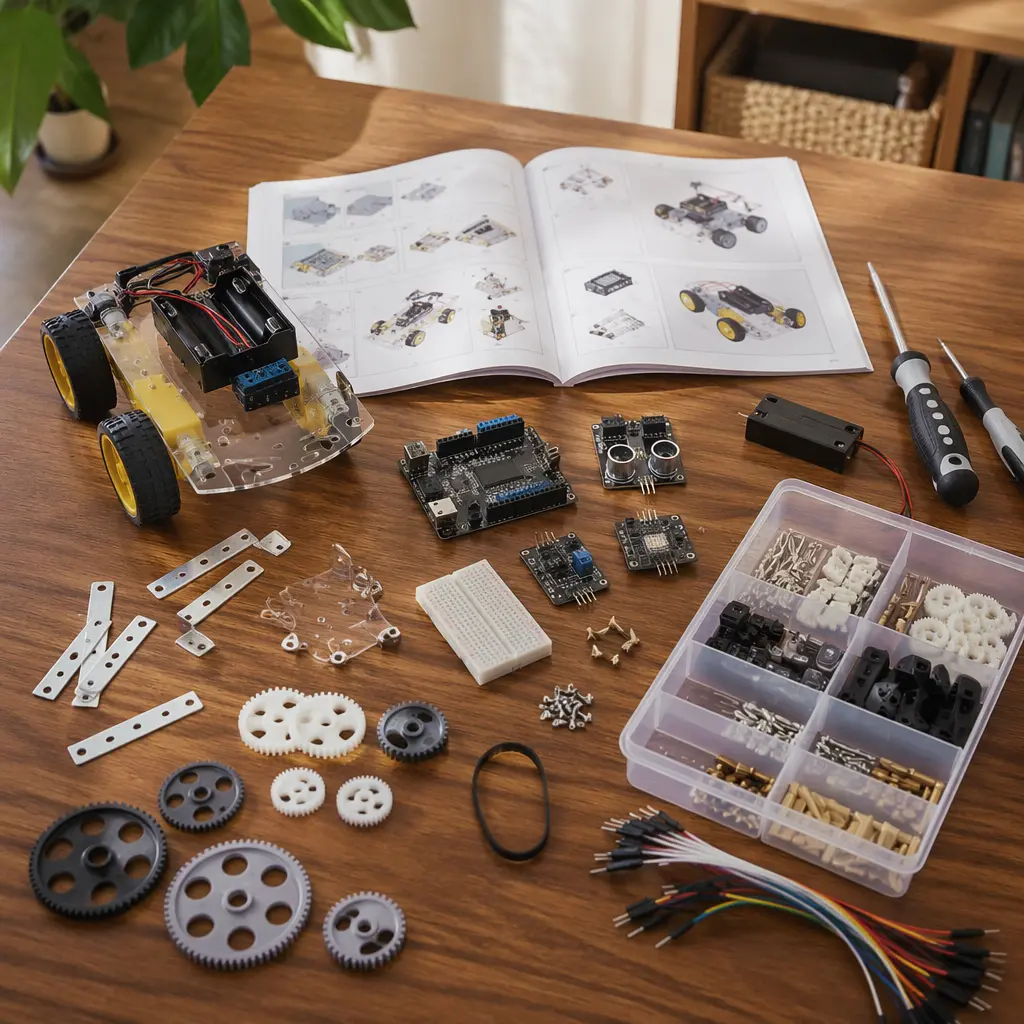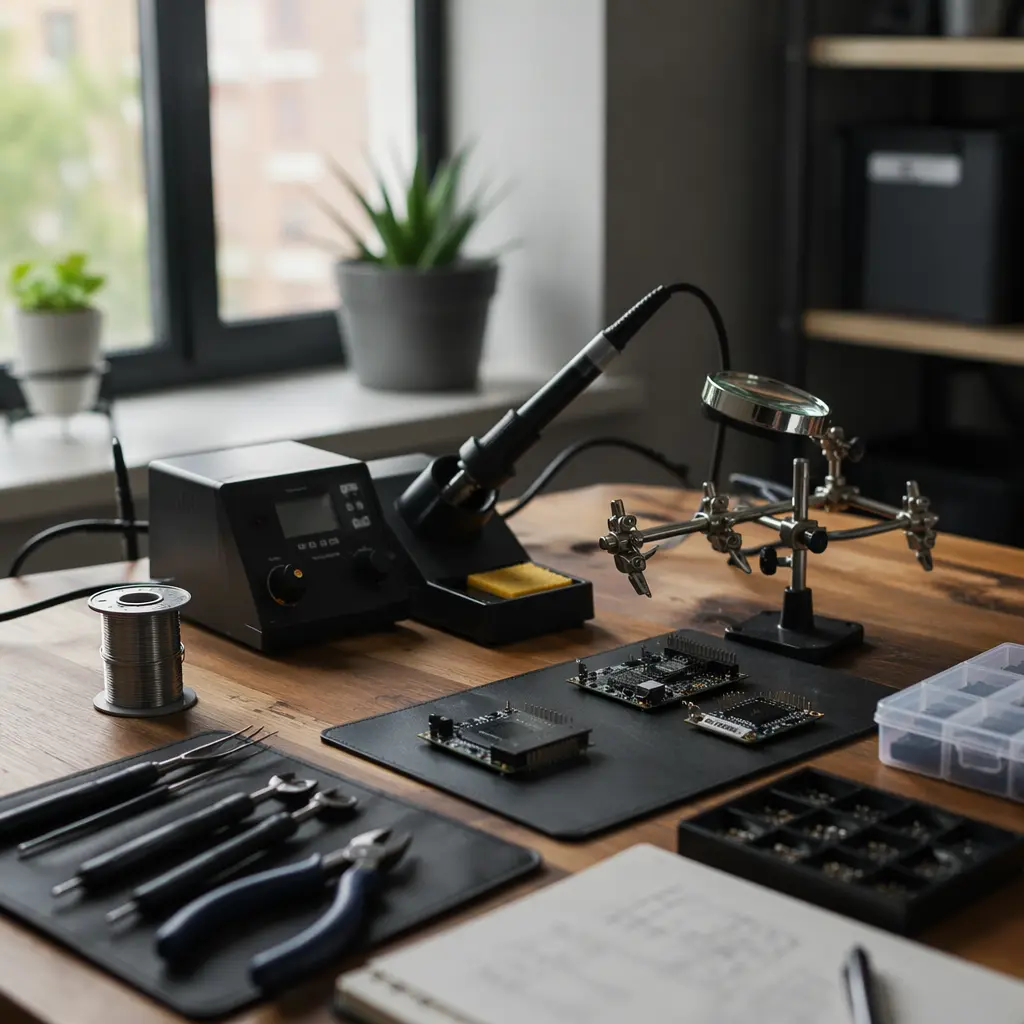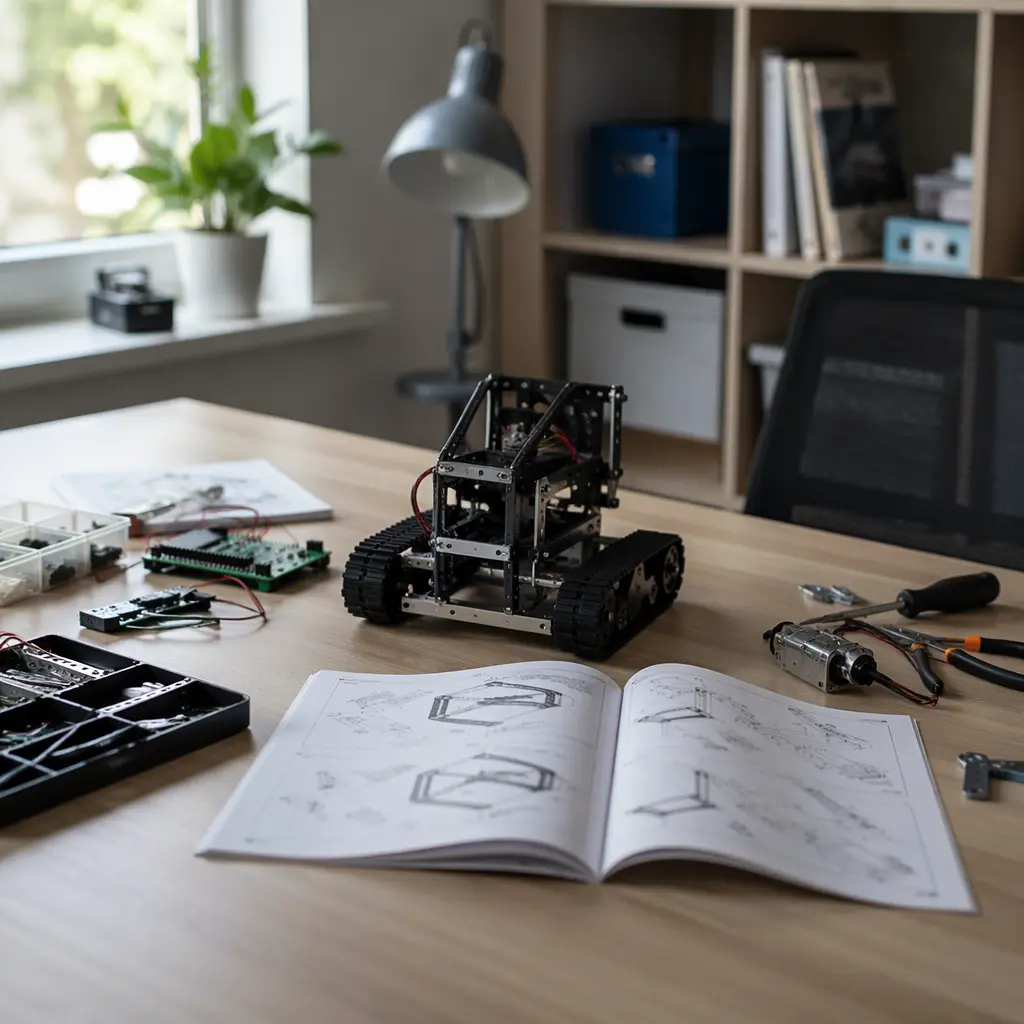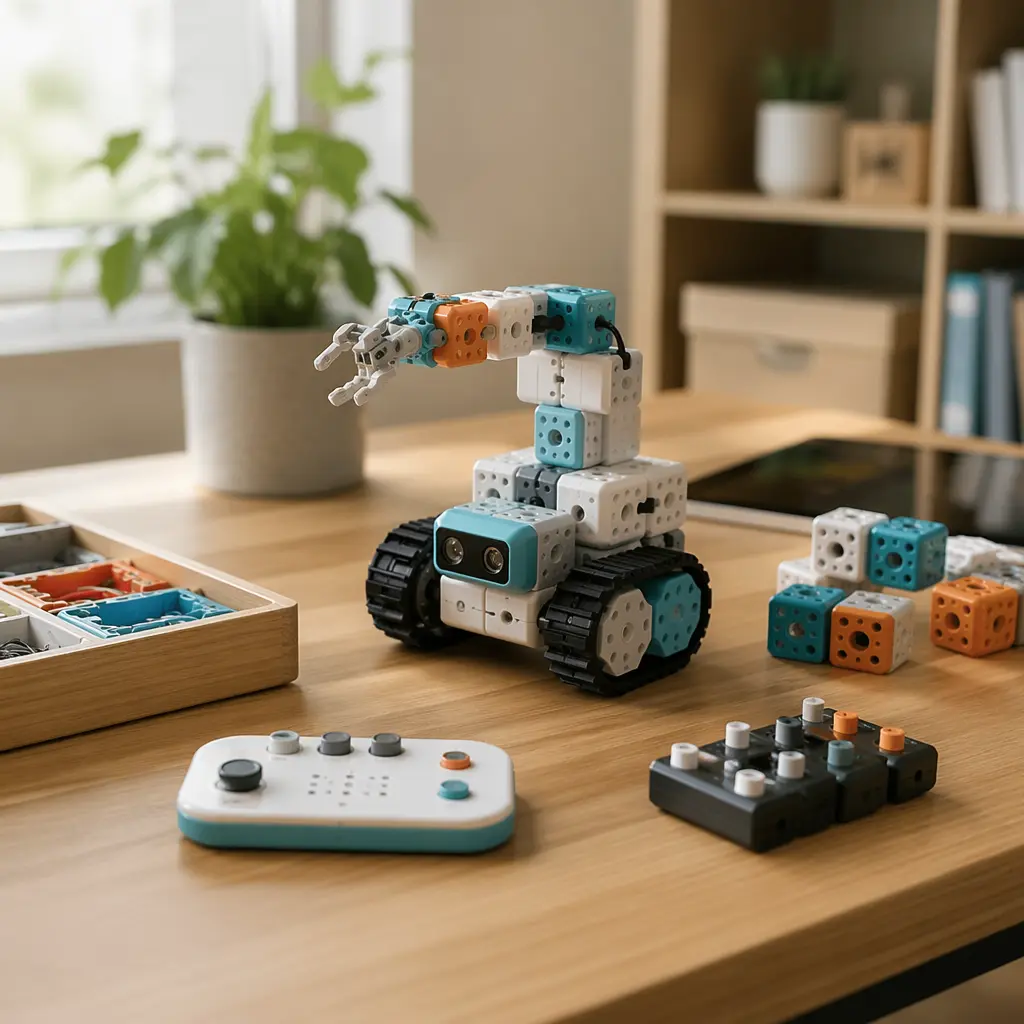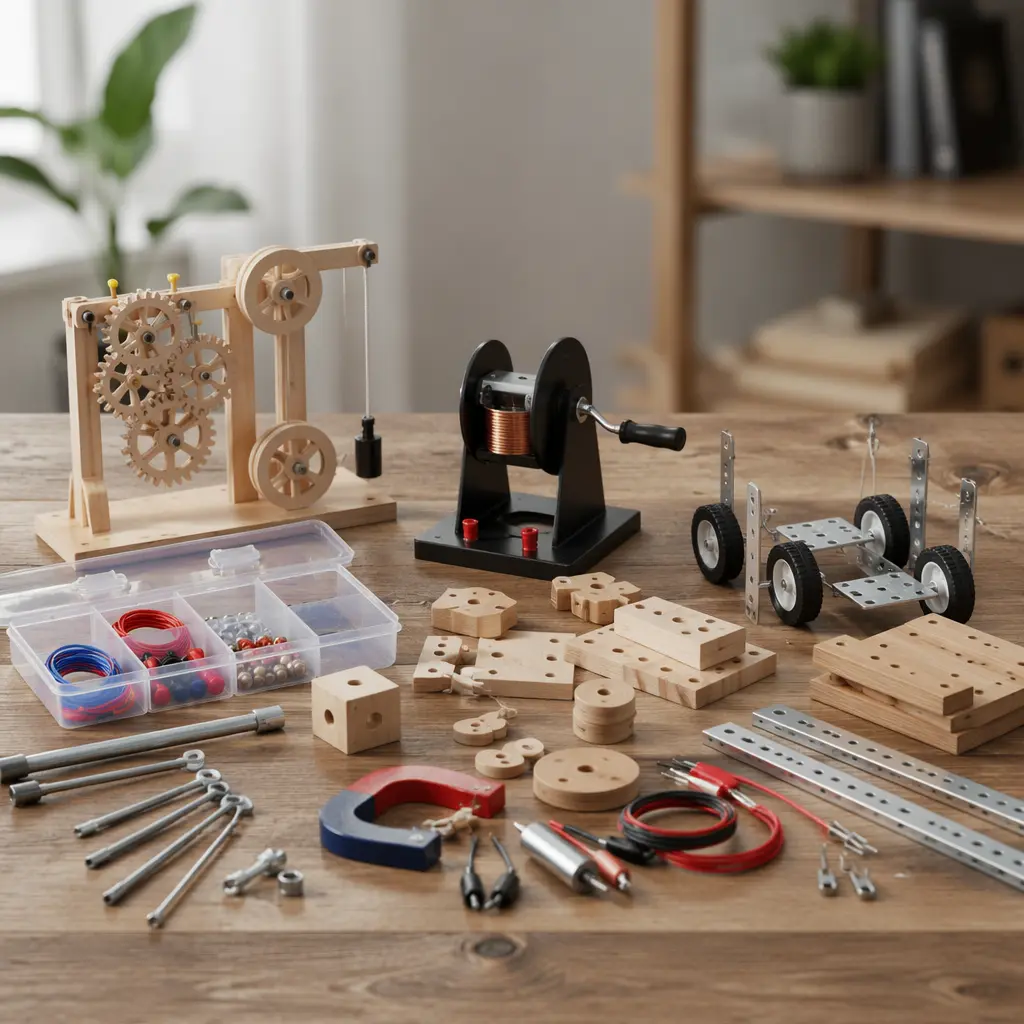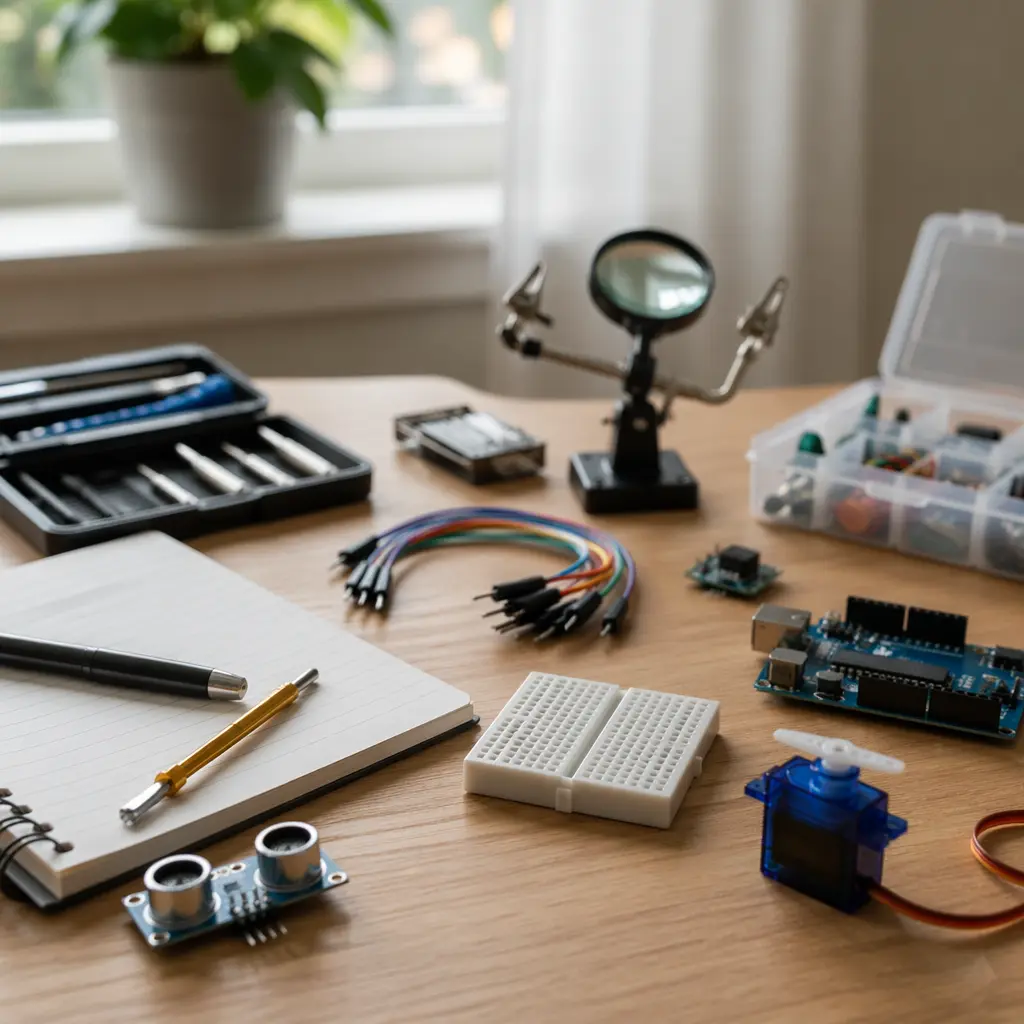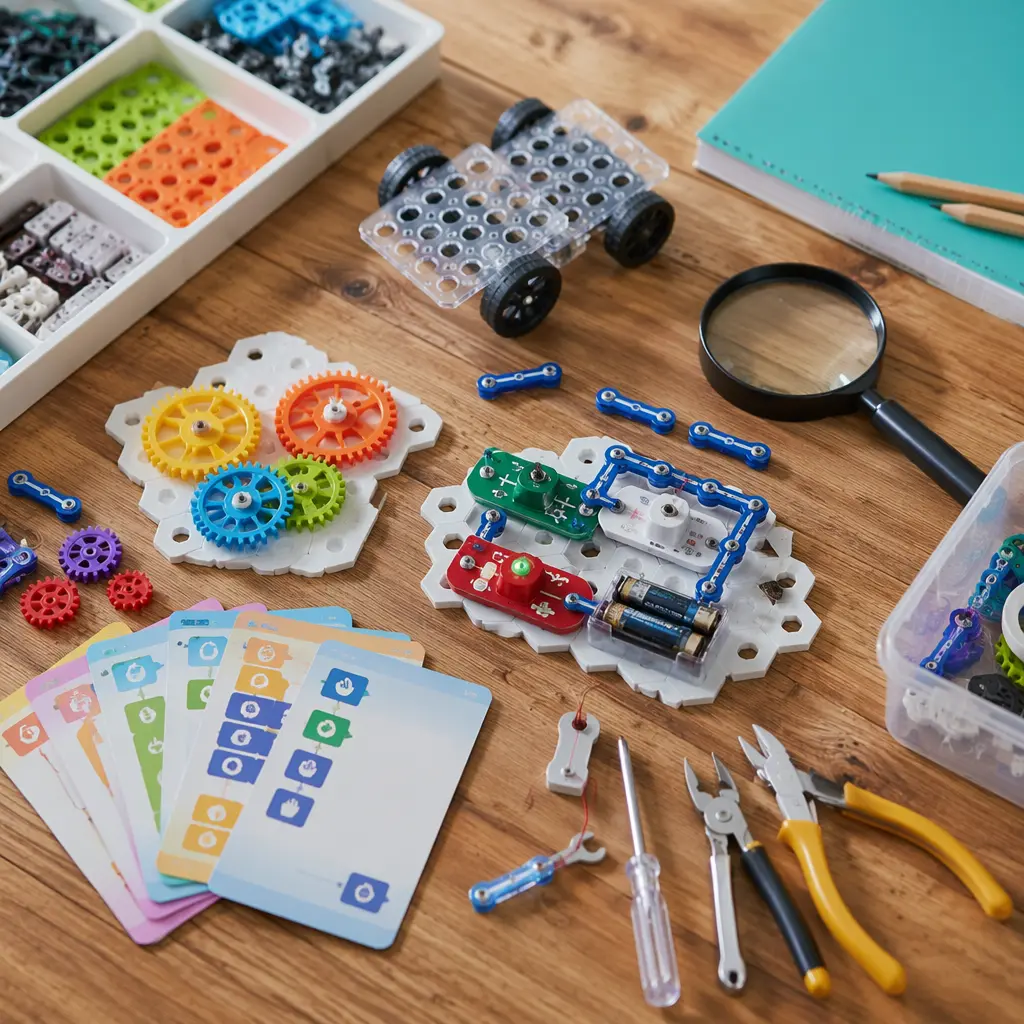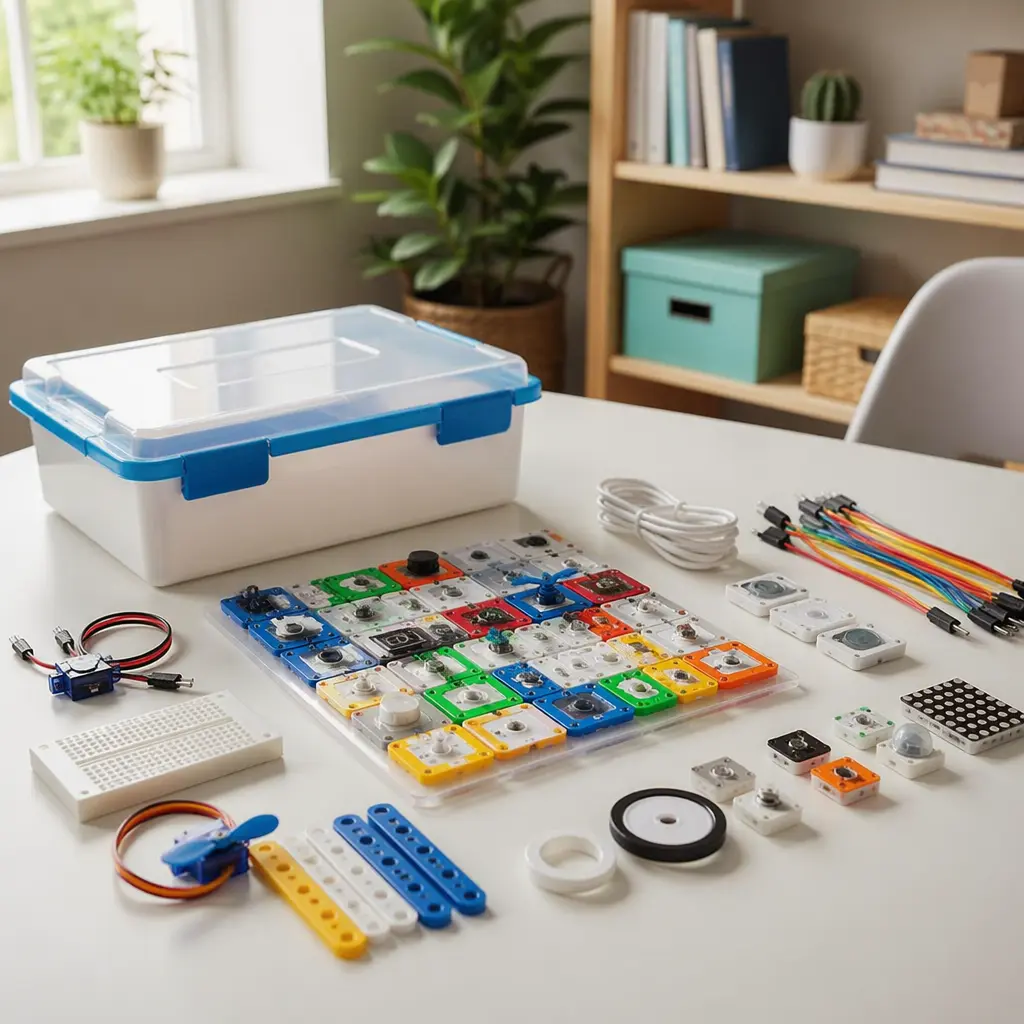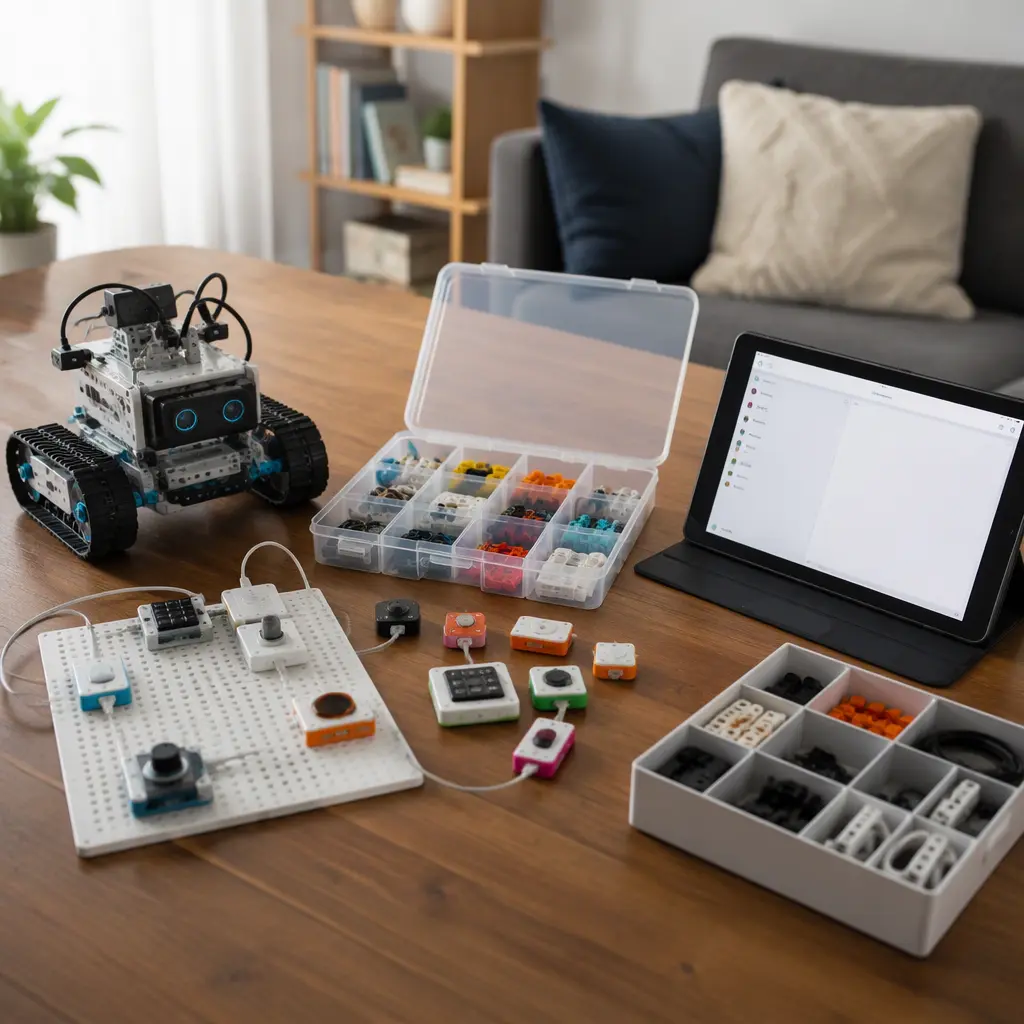
STEM Toys for Teens That Don’t Need a Phone App
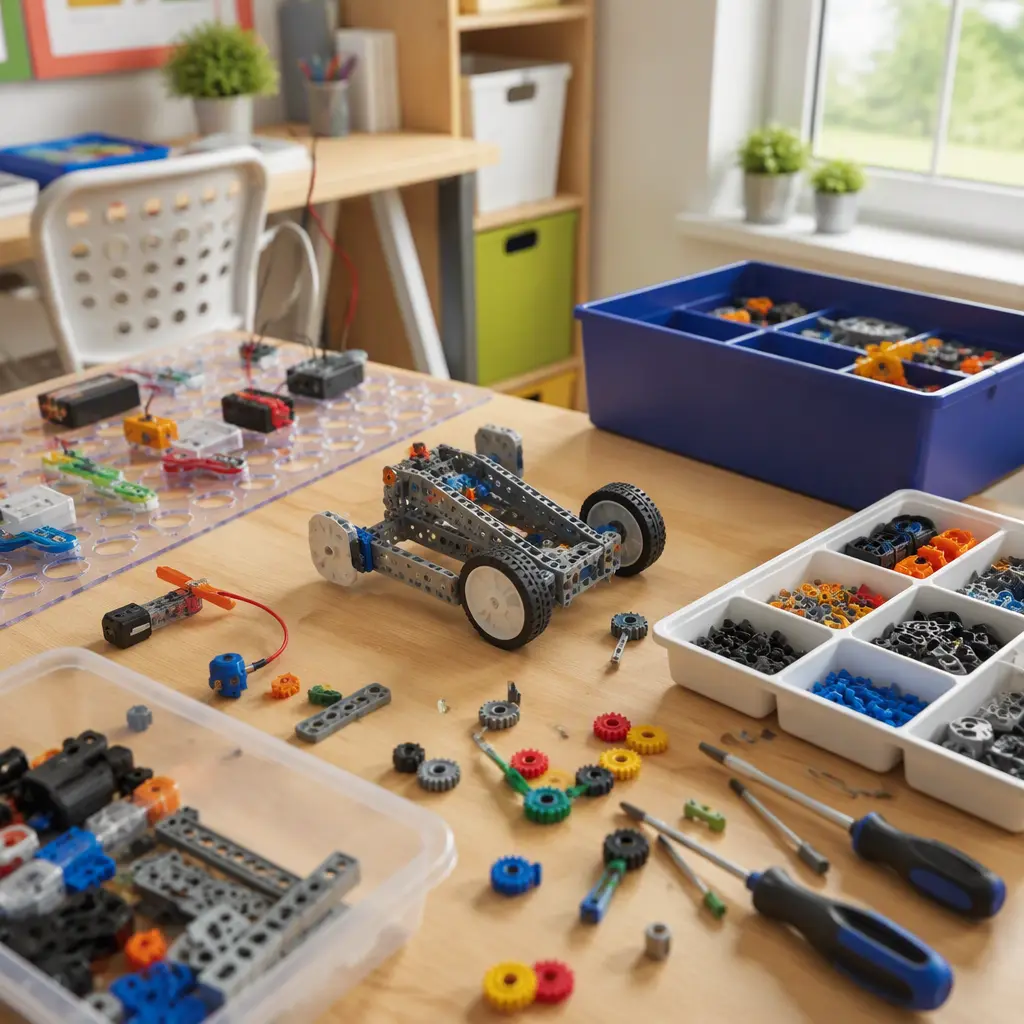
A parent-friendly guide to offline STEM kits for teens—hands-on projects that feel high-tech without apps, accounts, or screens. Learn what to look for, age fit, and popular categories.
A buyer-focused guide for parents on programmable toys for ages 9–12. Learn what skills they build, how screen-light options work, and what to look for before buying.
A parent guide to hands‑on STEM toys for ages 9–12 that build logic, engineering, and problem‑solving skills—no screens or apps required.
A parent-friendly guide to STEM gadget safety for younger teens. Learn what to look for in tools, power sources, materials, and supervision so learning at home stays safe and productive.
A buyer’s guide to affordable STEM toys under $30 that feel like real tools. Learn what to look for, age fit, and standout types that keep kids ages 9–12 curious without feeling like schoolwork.
Long before letters and screens, the Playskool Shape Sorter helped toddlers learn problem-solving by feel. Here’s how this classic toy quietly shaped early learning for generations.
A chunky pretend-play classic, the Fisher-Price Cash Register turned make-believe shopping into lessons in counting, turn‑taking, and real‑world math that still resonate today.
From patios to preschool yards, the Little Tikes water table helped make standing water play a toddler summer staple—durable, social, and endlessly resettable.
Grimm’s Wooden Peg Dolls are simple, faceless figures that invite open‑ended storytelling. Their minimal design, natural materials, and flexibility have made them a modern classic in imaginative play.
Since the 1980s, Uncle Goose Blocks have turned letters and numbers into tactile play. Loved by parents, teachers, and designers, they blend heirloom craft with early literacy.
A look at the Playskool Busy Ball Popper, the classic pop-and-roll toy that has kept toddlers laughing for decades through simple cause-and-effect play.
A parent-friendly guide to the safety of electronic STEM toys for ages 5–7, covering durability, materials, supervision needs, and what to look for before buying.
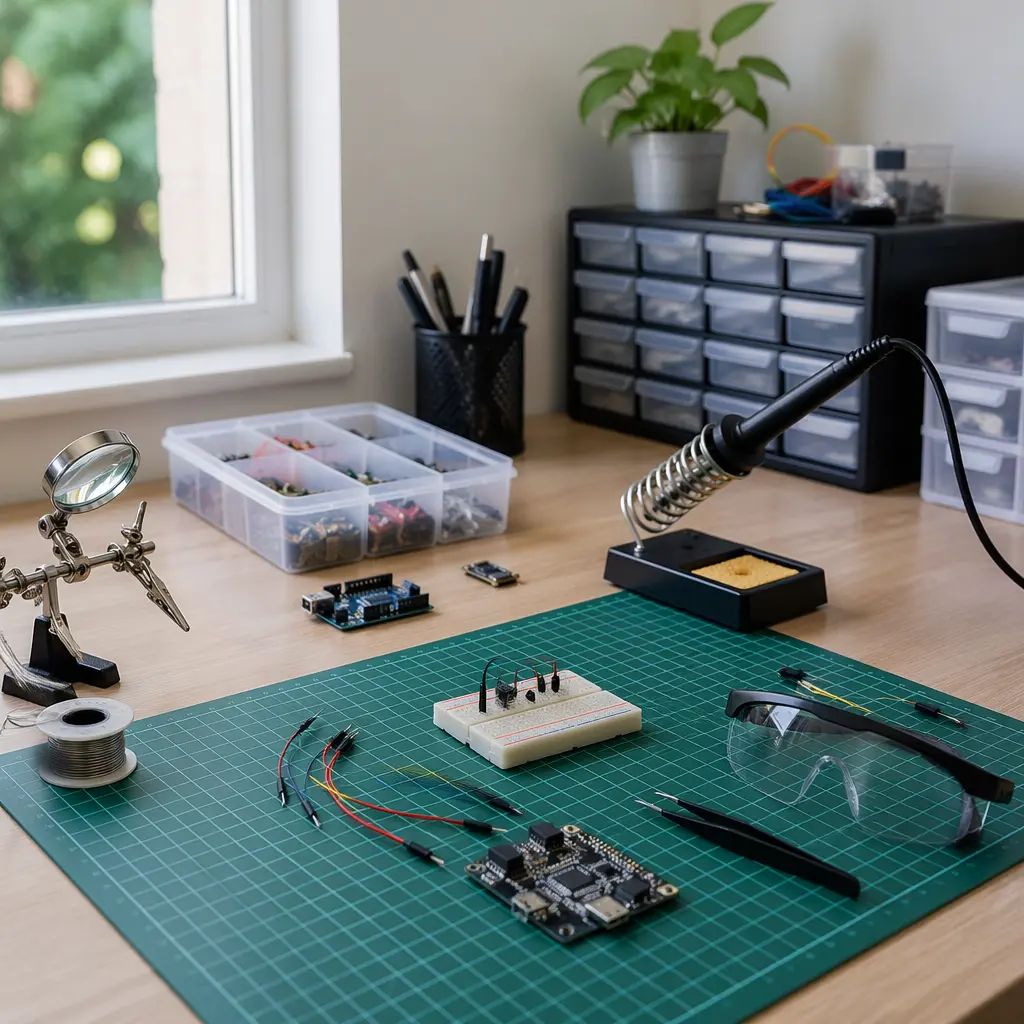
A clear, parent-focused look at safety concerns in advanced STEM kits for ages 13+, including soldering, tools, electricity, and supervision tips.
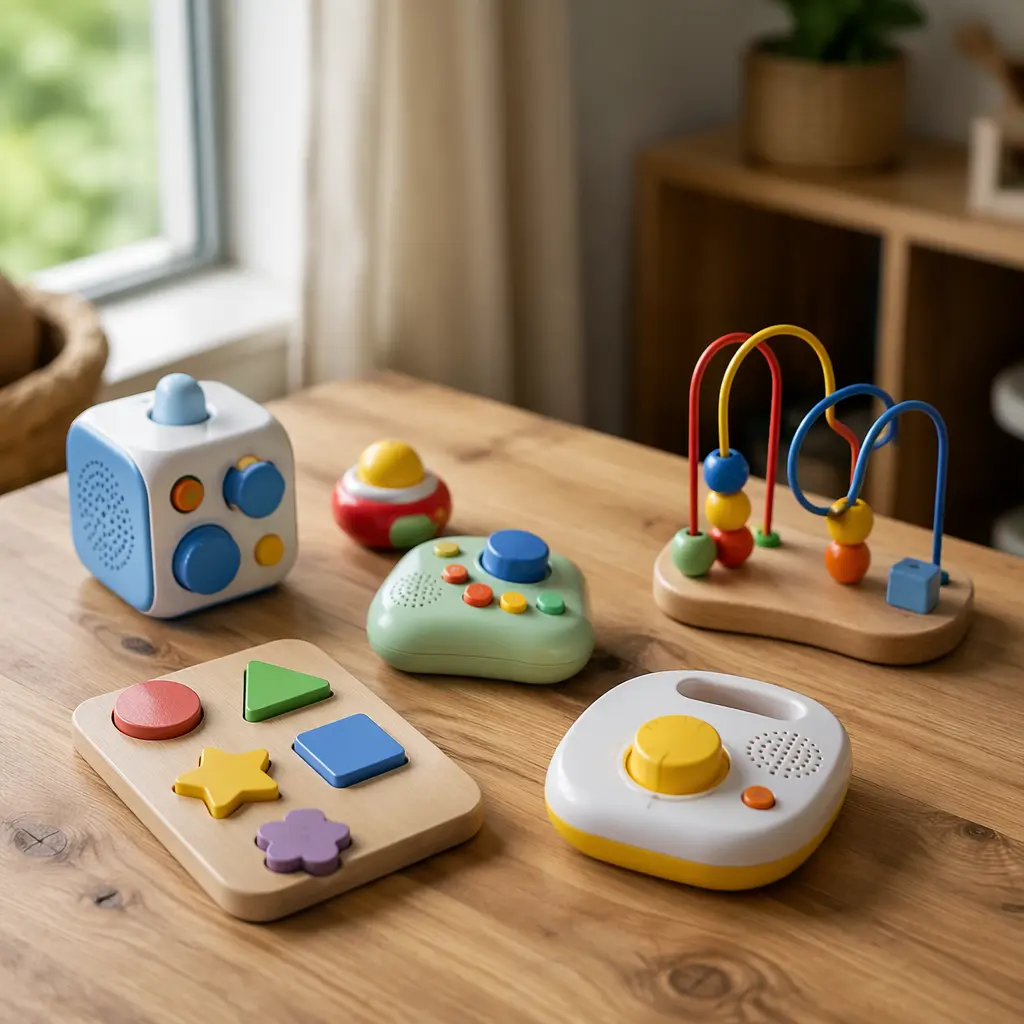
A parent-focused guide to cause-and-effect tech toys for ages 3–5 that build early STEM skills without apps or screens. Learn what to look for, age fit, safety tips, and common questions.
An evidence-based look at whether app-connected smart toys build problem-solving skills as well as hands-on classics for kids ages 9–12, with tips on what to look for.
A parent-friendly guide to electronic learning toys for ages 1–2, weighing potential benefits against overstimulation and offering clear, practical tips for choosing and using them well.
A parent-friendly guide to screen-free tech toys for ages 9–12. Learn what features matter, how age suitability works, and which hands-on categories help kids explore engineering, electronics, and problem-solving without apps.
A safety-first buyer’s guide to STEM gadgets for younger teens, covering soldering kits, electronics, and real tools. Learn what risks to watch for, how age ratings work, and how to choose safer options.
A parent-friendly guide to hands-on STEM toys under $30 for kids ages 9–12, focusing on kits that teach real science and engineering skills without feeling disposable.
A parent-friendly guide to hands-on tech kits for teens 13+, focusing on electronics, coding, and maker builds that feel grown-up without being overwhelming.
A parent-focused safety guide to electronic science kits for ages 9–12, covering power sources, components, supervision, and what to check before buying powered STEM kits.
A buyer’s guide to hands-on STEM kits for teens that produce real, usable gadgets. Learn what to look for, age fit, safety tips, and common questions to help families choose wisely.
A parent-focused guide to STEM subscription kits for ages 9–12, comparing learning depth, value, and replayability so families can decide if monthly science and coding boxes fit their goals and budget.
A parent-focused guide to beginner electronic kits for ages 9–12, explaining what to look for, age fit, safety notes, and common questions to help families choose hands-on circuit toys that teach step by step.
A parent-friendly guide to modern tech toys that work fully offline. Learn what features matter, which categories suit ages 6–8, and how these screen-free gadgets build real STEM skills.
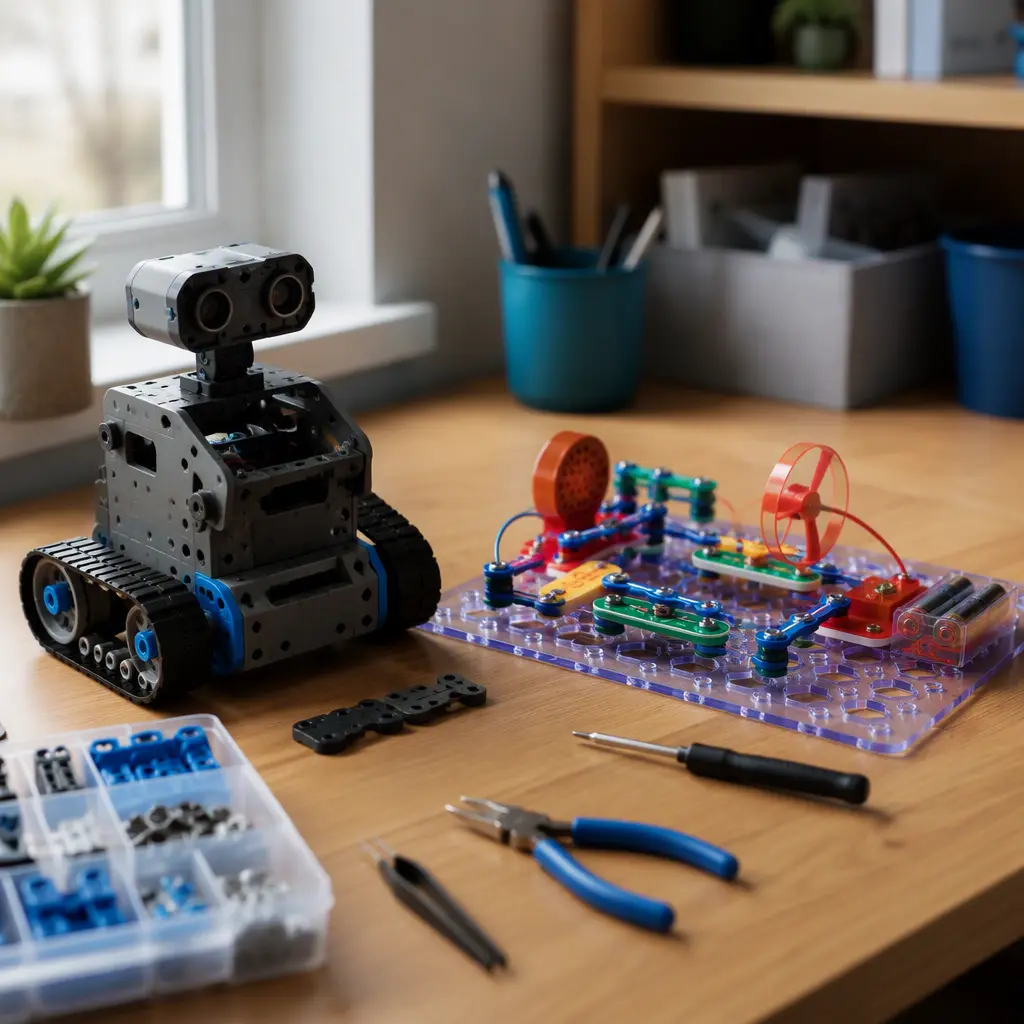
A parent-friendly guide to entry-level robotics kits for teens that focus on mechanics first. Learn what to look for, age fit, and types that teach motion, gears, and systems—no coding required.
A parent-focused guide to the safety, supervision needs, and learning value of first electronics kits for teens ages 13+. Learn what to look for, age fit, and common questions before buying.
A buyer’s guide to STEM kits for teens that mirror real engineering tools. Learn what to look for, age fit, safety notes, and the standout categories that build practical skills.
A parent-focused guide to beginner electronics kits for teens that prioritize real circuit understanding, not flashy demos. Learn what features matter, age fit, and how to spot hands-on learning.
A parent-friendly guide to STEM toys for teens that use authentic tools and real tech. Learn what to look for, age fit, safety notes, and popular kit types that feel like genuine gadgets.
A buyer-focused guide to outdoor science toys for teens, blending STEM learning with fresh air. Learn what to look for, age suitability, safety tips, and standout categories that spark real exploration.
A parent-friendly guide to tactile, button-based coding robots for ages 6–8. Learn what features matter, age fit, safety tips, and the main types that teach logic without tablets.
A buyer’s guide to high‑tech, screen‑free toys that build logic for ages 9–12—covering what to look for, age fit, safety notes, and standout categories parents can compare.
A parent-friendly guide to magnetic circuit building sets for ages 9–12. Learn what to look for, age fit, safety notes, and the types that best teach hands-on electronics through snap-together play.
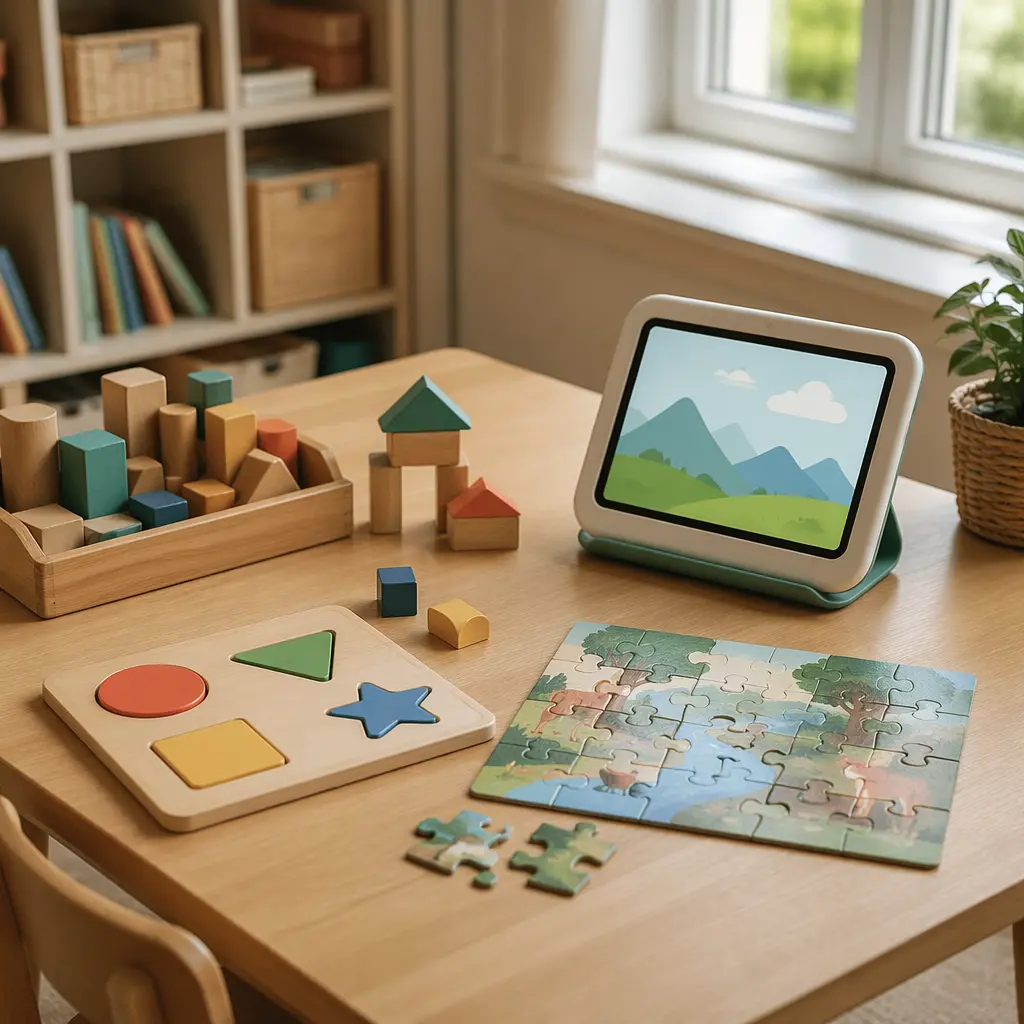
A parent-friendly guide to screen-free STEM toys for ages 3–5. Learn what features matter, how to match toys to development, and which play-based categories spark curiosity and confidence.